What Are the Three Main Parts of a Car and How They Work
The three main parts of a car are the engine, the chassis, and the body. Each part plays a vital role in making your vehicle run safely and smoothly. Understanding these core components helps any car owner make smarter decisions about maintenance and repairs.
Have you ever wondered what keeps a car moving? Every vehicle on the road has three main parts that work together to make transportation possible. These are the engine, the chassis, and the body. Each one has a specific job, and none of them can do the work alone.
Learning about the three main parts of a car is not just for mechanics or car enthusiasts. Every driver benefits from knowing how their vehicle is built. When you understand the basics, you can talk smarter with your mechanic. You can also spot warning signs before they turn into expensive problems.
This guide breaks down each part in simple terms. We will cover what each part does, how it works, and why it matters. Whether you are a new driver or someone who has been behind the wheel for years, this article gives you practical knowledge you can use every day.
Key Takeaways
- The engine is the power source: It converts fuel into motion through a series of controlled explosions and mechanical movements.
- The chassis is the structural foundation: It includes the frame, suspension, and steering systems that hold everything together.
- The body protects and defines the car: It provides aerodynamics, safety, and the aesthetic look of your vehicle.
- All three parts work as a team: No single part functions alone. The engine, chassis, and body depend on each other.
- Regular maintenance saves money: Knowing how each part works helps you catch problems early and avoid costly repairs.
- Electric and hybrid cars change the game: New vehicle types still rely on these three core parts but with updated technology.
📑 Table of Contents
- The Engine: The Heart of Your Vehicle
- The Chassis and Frame: The Backbone of Your Vehicle
- The Body: Protection, Style, and Aerodynamics
- How the Three Main Parts Work Together
- Understanding Each Part’s Role in Car Maintenance
- Common Problems in Each Main Part
- The Future of Car Parts: Electric and Hybrid Vehicles
- Conclusion
The Engine: The Heart of Your Vehicle
The engine is the most important part of any car. It generates the power that moves the wheels. Without a working engine, your car is just a heavy shell sitting in the driveway. Let us break down how this incredible machine actually works.
How the Engine Creates Power
Most cars use what is called an internal combustion engine. This means fuel burns inside the engine to create energy. The process happens in small chambers called cylinders. Here is a simple version of how it works:
- Intake stroke: The engine pulls in a mix of air and fuel.
- Compression stroke: The mixture gets squeezed tight.
- Combustion stroke: A spark plug ignites the mixture. This creates a small explosion that pushes a piston down.
- Exhaust stroke: The leftover gases are pushed out through the exhaust system.
This cycle repeats hundreds of times per minute. The up-and-down motion of the pistons turns a crankshaft, which ultimately sends power to the wheels through the transmission system.
Key Engine Components You Should Know
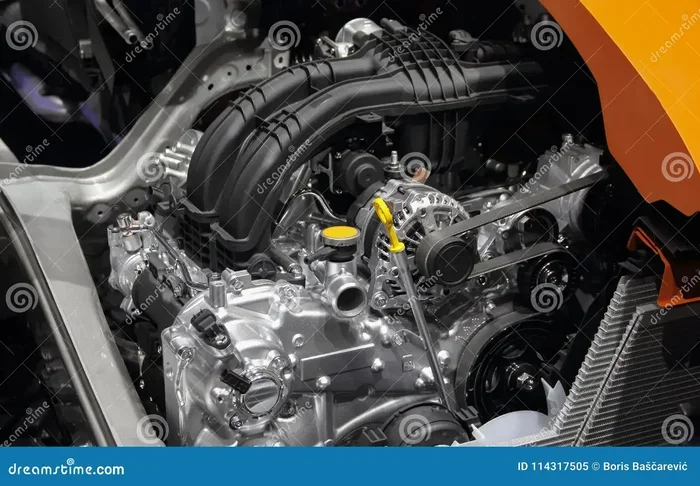
Under the hood, you will find many parts working together. Here are the most important ones:
- Pistons: These move up and down inside the cylinders to create power.
- Crankshaft: It converts the piston motion into rotational energy.
- Camshaft: It controls when the intake and exhaust valves open and close.
- Spark plugs: They create the spark that ignites the fuel-air mixture.
- Oil pump: It keeps all the moving parts lubricated to reduce wear.
- Cooling system: It prevents the engine from overheating during operation.
Quick Tip: Check your engine oil every month. Low oil levels cause friction, which leads to overheating and expensive damage. A simple dipstick check can save you hundreds of dollars in repairs.
Types of Engines Found in Cars
Not all engines are the same. Cars come with different engine types depending on the make, model, and intended use. Here is a quick look at the most common ones:
| Engine Type | How It Works | Common In |
|---|---|---|
| Inline-4 | Four cylinders arranged in a straight line | Sedans, compact cars |
| V6 | Six cylinders in a V-shaped configuration | Mid-size SUVs, trucks |
| V8 | Eight cylinders in a V-shape for more power | Performance cars, heavy trucks |
| Flat-4 (Boxer) | Four cylinders laid flat for a low center of gravity | Subaru models, sports cars |
| Electric Motor | Uses battery power instead of fuel combustion | EVs like Tesla, Nissan Leaf |
Traditional gasoline engines have been the standard for over a century. However, electric vehicles are changing the automotive landscape. Even in EVs, the basic idea remains the same. There is still a power source, a drivetrain, and a vehicle structure. The three main parts concept still applies.
Expert Insight: Modern engines are incredibly efficient compared to older models. Advances in fuel injection, turbocharging, and hybrid technology mean today’s engines produce more power while using less fuel. This is great news for your wallet and the environment.
The Chassis and Frame: The Backbone of Your Vehicle
If the engine is the heart, then the chassis is the skeleton. The chassis is the entire framework of the car. It supports the engine, holds the body in place, and connects all the moving parts. Without a strong chassis, a car would simply fall apart.
What Makes Up the Chassis?
The chassis is not just one piece. It is a collection of systems that work together. Here are the main components:
- Frame: The rigid structure that supports the entire vehicle weight. Think of it as the spine of the car.
- Suspension system: Springs and shock absorbers that absorb bumps and keep the tires on the road.
- Steering system: Allows the driver to control the direction of the car.
- Braking system: Disc brakes, drum brakes, and ABS systems that slow and stop the vehicle.
- Drivetrain: The system that transfers power from the engine to the wheels.
- Wheels and tires: The only parts that actually touch the road surface.
Two Common Frame Designs
Cars use different frame designs depending on their purpose. The two most common are:
Body-on-Frame: This design has a separate, rigid frame that the body sits on top of. It is strong and durable, which is why most trucks and large SUVs use it. The frame handles all the stress, while the body provides comfort and style.
Unibody (Unitized Body): In this design, the body and frame are one single piece. Most modern sedans, hatchbacks, and crossovers use unibody construction. It is lighter, which improves fuel efficiency. It also provides better crash protection because the entire structure absorbs impact.
Common Mistake: Many drivers ignore suspension maintenance. Worn-out shock absorbers cause poor handling, longer stopping distances, and uneven tire wear. Have your suspension checked every 50,000 miles or so.
Why the Chassis Matters for Safety
The chassis plays a huge role in keeping you safe. During a collision, the frame is designed to absorb impact energy. This directs force away from the passenger cabin. Car manufacturers engineer crumple zones into the front and rear of the chassis. These controlled deformation areas slow down the crash force gradually, protecting the people inside.
Regular inspections of your chassis components are important. Rust, corrosion, or damage from potholes and accidents can weaken the frame. A weakened chassis compromises the entire safety of the vehicle.
The Body: Protection, Style, and Aerodynamics
The car body is the outer shell of the vehicle. It is what you see when you look at a car. But the body does much more than just look good. It protects passengers, improves fuel efficiency, and gives the car its shape and identity.
The Many Jobs of the Car Body
The body serves several important functions at the same time:
- Occupant protection: It creates a safe cabin space for drivers and passengers. Reinforced doors, side impact bars, and a solid roof all contribute to occupant safety.
- Aerodynamics: The shape of the body affects how air flows around the car. A well-designed body reduces drag, which improves fuel economy and stability at high speeds.
- Weather protection: The body shields you from rain, wind, sun, and road debris. Doors, windows, and the roof keep the interior comfortable.
- Structural support: On unibody cars, the body itself provides structural strength. It works with the chassis to handle road forces.
- Aesthetics and identity: Let us be honest. The body is also what makes your car look the way it does. It gives each brand and model its unique character.
Body Materials: What Are Cars Made Of?
Modern car bodies use a mix of materials. Each material has its own advantages:
- Steel: Strong, affordable, and widely used. It provides excellent crash protection.
- Aluminum: Lighter than steel, which improves fuel efficiency. Many luxury and performance cars use aluminum panels.
- Carbon fiber: Extremely strong and very light. It is expensive, so it is mostly found in high-end sports cars and supercars.
- Plastic and composites: Used for bumpers, trim, and non-structural panels. They are lightweight and easy to shape.
Quick Tip: Washing and waxing your car regularly does more than keep it looking nice. It protects the paint and body panels from corrosion. Even small chips and scratches can lead to rust if left untreated. A little prevention goes a long way.
Body Styles Explained
Cars come in many body styles. Each style suits different needs and lifestyles:
- Sedan: Four doors, separate trunk. Great for families and daily commuting.
- SUV (Sport Utility Vehicle): Taller body, more cargo space, higher seating position.
- Hatchback: Rear door that opens upward. Compact and practical for city driving.
- Coupe: Two-door design with a sleek roofline. Focuses on style and sporty feel.
- Station Wagon: Extended roofline with extra cargo space behind the rear seats.
- Pickup Truck: Open cargo bed at the rear. Built for hauling and towing.
- Convertible: Removable or foldable roof for open-air driving.
No matter the style, the body works together with the engine and chassis to deliver a complete driving experience.
How the Three Main Parts Work Together
Now that you understand each part individually, it is time to see how they connect. A car is a system of systems. The engine, chassis, and body must all work in harmony for the vehicle to function properly.
The Power Flow from Engine to Road
Here is a simple step-by-step look at how power travels through the car:
- The engine burns fuel and creates rotational energy.
- The transmission (part of the drivetrain on the chassis) adjusts the power and sends it to the driveshaft.
- The driveshaft carries the power to the differential, which is also part of the chassis.
- The differential sends power to the wheels.
- The body provides a stable platform that keeps everything aligned and protected.
Every step depends on the previous one. If one part fails, the whole chain breaks. This is why understanding the big picture matters more than knowing just one component.
A Real-World Example
Imagine you are driving on a bumpy road. Here is what happens:
- The body absorbs some vibration through its mounts and insulation.
- The chassis suspension soaks up the remaining bumps with springs and shock absorbers.
- The engine keeps running smoothly, delivering consistent power despite the rough surface.
All three parts are doing their job at the same time, without you even thinking about it. That is the beauty of good automotive engineering.
Expert Insight: Engineers spend years balancing these three parts. A powerful engine means nothing if the chassis cannot handle the weight or the body cannot provide proper aerodynamics. Every design decision affects the other two parts. This is why car design is both a science and an art.
Understanding Each Part’s Role in Car Maintenance
Knowing the three main parts of a car helps you understand what needs regular care. Maintenance is not just about oil changes. It is about keeping every system healthy so your car lasts longer and runs better.
Engine Maintenance Essentials
Your engine needs consistent care to stay reliable:
- Change the engine oil every 5,000 to 7,500 miles (or as your owner’s manual recommends).
- Replace the air filter regularly to ensure clean airflow.
- Check the coolant level to prevent overheating.
- Inspect spark plugs and replace them when worn.
- Listen for unusual sounds like knocking, ticking, or grinding.
Chassis Maintenance Essentials
The chassis takes a beating from the road. Here is how to keep it in shape:
- Check tire pressure and alignment every month.
- Inspect brake pads and rotors for wear every 10,000 miles.
- Lubricate suspension bushings and steering components.
- Look for rust or damage on the undercarriage.
- Replace shock absorbers when you notice excessive bouncing or nose-diving during braking.
Body Maintenance Essentials
Keeping your body in good shape is about both looks and protection:
- Wash the car regularly to remove dirt, salt, and chemicals.
- Apply wax or sealant every few months to protect the paint.
- Fix chips and scratches promptly to prevent rust.
- Check door seals and window seals for cracks or gaps.
- Inspect the roof and gutters for debris buildup that can cause water damage.
Common Mistake: Many car owners skip undercarriage inspections. Salt, mud, and road grime build up underneath and cause hidden corrosion. Ask your mechanic to check the undercarriage during every oil change, especially in winter months.
Common Problems in Each Main Part
Every part of a car can develop problems over time. Knowing what to watch for helps you catch issues early. Here are the most common problems associated with each of the three main parts.
Engine Problems to Watch For
- Overheating: Often caused by low coolant, a faulty thermostat, or a failing water pump.
- Misfires: Worn spark plugs or fuel injectors can cause rough idling and poor acceleration.
- Oil leaks: Damaged gaskets or seals can lead to oil pooling under the car.
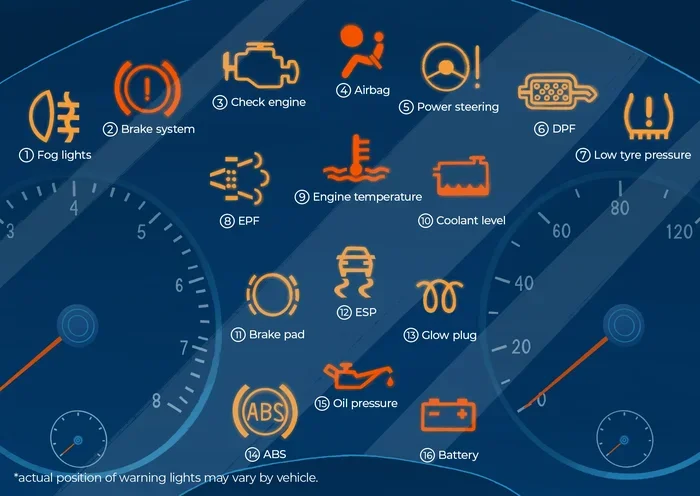
- Check engine light: This warning light can signal dozens of different issues. Get it diagnosed promptly.
Chassis Problems to Watch For
- Uneven tire wear: A sign of poor alignment or worn suspension components.
- Pulling to one side: Often indicates alignment issues or a bent steering component.
- Excessive bouncing: Worn shock absorbers or struts need replacement.
- Rust and corrosion: Especially common on undercarriages in cold climates where road salt is used.
Body Problems to Watch For
- Rust spots: Usually start small but can spread quickly if not treated.
- Dents and scratches: Minor damage can lead to paint breakdown and corrosion.
- Wind noise: Damaged seals or misaligned windows can cause annoying drafts.
- Paint fading: UV exposure causes the paint to dull over time. Regular waxing helps prevent this.
The Future of Car Parts: Electric and Hybrid Vehicles
The automotive industry is changing fast. Electric vehicles and hybrid cars are becoming more popular every year. But even these modern vehicles still rely on the same three main parts. The engine might be an electric motor instead of a combustion engine, but the concept remains the same.
How EVs Fit the Three-Part Model
In an electric vehicle:
- The electric motor replaces the traditional engine as the power source.
- The chassis still provides the structural framework, suspension, and steering.
- The body still offers protection, aerodynamics, and style.
Some people argue that EVs have fewer moving parts, which means less maintenance. That is true for the engine side. But the chassis and body still require the same care and attention. Tires wear out, brakes get used, and the body faces the same road hazards.
Expert Insight: The shift toward electric vehicles does not eliminate the three-part structure. It simply updates one of the three. Understanding this makes it easier to maintain and troubleshoot modern cars, regardless of their power source.
Conclusion
The three main parts of a car are the engine, the chassis, and the body. Each one has a distinct role, but they all depend on each other. The engine provides the power. The chassis provides the structure and control. The body provides protection and style. Together, they create the vehicle you drive every day.
Understanding these three parts gives you confidence as a driver. You can have better conversations with mechanics. You can spot early warning signs of trouble. And you can take better care of your vehicle over the long haul.
Take some time to learn about your own car. Open the hood and look at the engine. Check the tire pressure and inspect the body for any damage. Small efforts add up to big savings and a safer, more reliable driving experience. The more you know about your car, the better equipped you are to handle whatever the road throws your way.
Frequently Asked Questions
What are the three main parts of a car called?
The three main parts of a car are the engine, the chassis (including the frame and all running systems), and the body. Together, these three parts make up the complete vehicle structure and function.
Do electric cars still have three main parts?
Yes, electric cars still follow the three-part model. The electric motor replaces the combustion engine, but the chassis and body remain essential. The basic structure of any vehicle revolves around a power source, a framework, and an outer shell.
How often should I maintain each part of my car?
Engine maintenance like oil changes should happen every 5,000 to 7,500 miles. Chassis checks including tire rotation and brake inspections should be done every 10,000 miles. Body care such as washing and waxing can be done monthly or as needed based on driving conditions.
Can a damaged chassis be repaired safely?
Minor chassis damage can often be repaired by a qualified professional. However, severe structural damage may compromise the safety of the vehicle. Always have a trusted mechanic assess any chassis damage to determine if it is safe to drive.
What is the difference between the chassis and the body?
The chassis is the internal framework and all the mechanical systems like the suspension, steering, and brakes. The body is the outer shell that provides shape, protection, and aesthetics. On unibody cars, the body itself serves as the structural frame.
Why is the engine considered the most important part of a car?
The engine is considered the most important part because it generates the power needed to move the vehicle. Without a functioning engine, the car cannot drive. However, the chassis and body are equally essential for safety, structure, and protection.