UV Film for Car Windows Keeps Your Ride Cool and Protected
UV film for car windows is one of the smartest upgrades you can make for your vehicle. It blocks harmful ultraviolet rays, reduces interior heat, and protects your car’s surfaces from fading and cracking. Whether you drive a daily commuter or a family SUV, this simple film delivers serious protection and comfort. In this guide, you will learn how it works, the different types available, and why so many car owners are making the switch. Let us dive into everything you need to know about keeping your ride cool and protected.
You have probably noticed how hot your car gets after sitting in the sun for just an hour. The steering wheel burns your hands. The dashboard feels like it could melt. And the leather seats? They crack and fade way too fast. UV film for car windows solves all of these problems and more. It is a thin, transparent layer you apply directly to your car glass. This film works hard to block ultraviolet radiation, reduce heat, and keep your vehicle looking great for years. In this article, we will walk you through everything you need to know about UV film for car windows, from how it works to which type you should choose.
More and more car owners are discovering the benefits of automotive window film. It is not just about staying cool anymore. People want protection from harmful UV rays that can damage their skin and their car’s interior. Whether you are dealing with a daily commute under the scorching sun or parking your car outside all day at work, UV protection film makes a real difference. Let us explore why this simple upgrade is worth your time and money.
Key Takeaways
- UV film blocks up to 99% of harmful ultraviolet rays, protecting both your skin and your car’s interior from long-term damage.
- It significantly reduces heat buildup inside your vehicle, making your car more comfortable and lowering your reliance on air conditioning.
- Multiple types of UV film exist, including ceramic, carbon, dyed, and metalized options, each offering different levels of performance and privacy.
- Professional installation ensures the best results, but DIY kits are available for budget-conscious car owners.
- UV film extends the life of your car’s interior, preventing leather cracking, dashboard fading, and upholstery damage caused by sun exposure.
- Legal regulations vary by state or region, so always check local tint laws before purchasing or installing UV film.
- Investing in quality UV film pays for itself over time by preserving your car’s value and reducing cooling costs.
📑 Table of Contents
- What Is UV Film for Car Windows?
- How UV Film Protects Your Car and You
- Types of UV Film Available for Car Windows
- Benefits of Installing UV Film on Your Car
- How to Choose the Right UV Film for Your Car
- Common Mistakes to Avoid When Using UV Film
- Expert Tips for Getting the Most Out of Your UV Film
- Conclusion
What Is UV Film for Car Windows?
UV film for car windows is a thin polyester layer designed to attach to your vehicle’s glass. It uses special coatings and materials to filter out ultraviolet radiation before it enters your car. Think of it as sunscreen for your windows. Just as sunscreen protects your skin from sunburn and long-term damage, car window tint film protects everything inside your vehicle.
The film is usually very thin, often measuring just a few mils in thickness. Despite its slim profile, it packs a powerful punch when it comes to blocking UV rays. Most quality UV blocking film can reject up to 99 percent of ultraviolet radiation. That is a huge number, especially considering how much time we spend driving with our arms out the window or sitting in direct sunlight.
There is a common misconception that only heavily tinted windows offer UV protection. That is simply not true. Many UV rejection film options are nearly invisible. They do not darken your windows significantly, yet they still provide excellent protection. This makes them a popular choice for people who want the benefits without a dramatic change in their car’s appearance.
How Does UV Film Work?
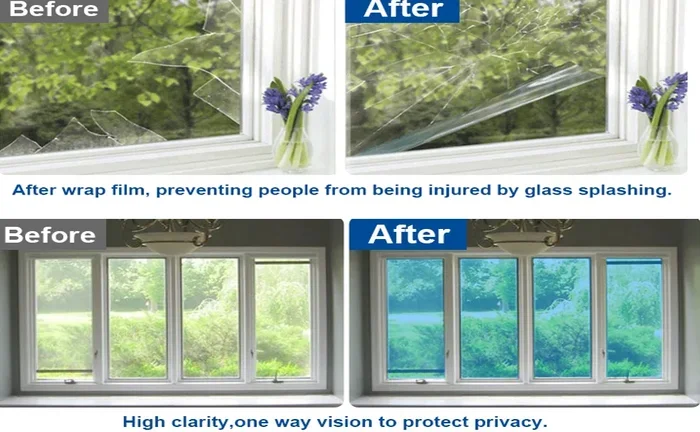
The science behind UV film for car windows is straightforward but impressive. The film contains layers of materials that absorb or reflect ultraviolet light. When sunlight hits your window, the film intercepts the UV rays and either absorbs them or bounces them away. The visible light still passes through, so your view stays clear. But the harmful invisible radiation gets stopped in its tracks.
Some films also block infrared light, which is what causes the greenhouse effect inside your car. By rejecting both UV and infrared energy, heat rejection film keeps your interior much cooler. This dual-action approach is what makes automotive window film so effective at improving comfort inside your vehicle.
How UV Film Protects Your Car and You
Protecting your car from sun damage goes far beyond just keeping it cool. The sun’s ultraviolet rays cause serious harm over time, and most drivers do not realize how much damage they are doing every single day. UV film for car windows addresses these problems directly, offering protection that goes well beyond what most people expect from a simple window film.
Skin Protection While Driving
Many people do not think about the UV exposure they get while driving. Your left arm hanging out the driver’s window receives a significant amount of sun throughout the day. Over months and years, this adds up. UV ray protection from window film helps shield your skin from the same rays that cause sunburn and increase the risk of skin cancer. Studies have shown that drivers who spend long hours on the road have higher rates of skin damage on the left side of their body. Installing car window protection film can help reduce this risk significantly.
Interior Preservation
Your car’s interior takes a beating from the sun every single day. The dashboard fades and turns chalky. Leather seats crack and lose their color. Plastic trim becomes brittle and starts to look old long before its time. Sun protection for cars using UV film slows down this damage dramatically. By blocking the UV rays that cause fading and degradation, the film keeps your interior looking newer for much longer.
Think about how much a car’s interior affects its overall value. A well-maintained interior with no cracking or fading makes a huge difference when it comes time to sell or trade in your vehicle. UV film for car windows is one of the easiest and most affordable ways to preserve that interior quality.
Glare Reduction for Safer Driving
Sun glare is more than just an annoyance. It can be dangerous. When the sun hits your windshield or side windows at the wrong angle, it can temporarily blind you. This is especially risky during sunrise and sunset commutes. Glare reduction film cuts down on this harsh brightness, making your driving experience safer and more comfortable. You will find yourself squinting less and focusing more on the road ahead.
Types of UV Film Available for Car Windows
Not all automotive window film is created equal. Different materials and technologies offer varying levels of UV protection, heat rejection, and clarity. Understanding the options helps you make the best choice for your specific needs and budget. Let us break down the most common types of UV film for car windows available on the market today.
Dyed UV Film
Dyed film is the most affordable option for car window tint film. It uses multiple layers of dye to absorb heat and block UV rays. The downsides are that dyed film tends to fade over time, turning purple or bubbling. It also offers less heat rejection compared to higher-end options. However, if you are on a tight budget and just want basic UV ray protection, dyed film gets the job done for a short period.
Metalized UV Film
Metalized film contains tiny metallic particles that reflect heat and UV radiation away from your car. This type of heat rejection film is more durable than dyed film and offers better performance. The metallic layer also adds strength to your windows, making them more resistant to cracking. The trade-off is that metalized film can interfere with electronic signals. If you use GPS, Bluetooth, or keyless entry, you might notice some interference with this type of film.
Carbon UV Film
Carbon film has become very popular in recent years, and for good reason. It does not contain metal, so it will not interfere with your electronics. Carbon window tinting for vehicles offers excellent heat rejection and UV protection without the fading issues of dyed film. It has a matte, non-reflective finish that looks sleek and modern. Many car enthusiasts consider carbon film the sweet spot between performance and aesthetics.
Ceramic UV Film
Ceramic film represents the top tier of UV film for car windows technology. It uses nano-ceramic particles to block heat and UV rays without affecting visibility or signal strength. Ceramic car window protection film offers the highest level of performance in every category. It rejects more heat than any other type, blocks 99 percent of UV rays, and maintains clarity over time. The only downside is the price. Ceramic film costs more upfront, but it also lasts longer and delivers the best overall value in the long run.
Comparison Table: Types of UV Film
| Type | UV Protection | Heat Rejection | Durability | Signal Interference | Price Range |
|---|---|---|---|---|---|
| Dyed Film | Good | Moderate | Low to Medium | None | $ |
| Metalized Film | Very Good | Good | High | Yes | $$ |
| Carbon Film | Excellent | Very Good | High | None | $$$ |
| Ceramic Film | Excellent | Excellent | Very High | None | $$$$ |
Benefits of Installing UV Film on Your Car
The advantages of UV film for car windows go well beyond just keeping your car cooler. Let us look at the key benefits that make this upgrade so worthwhile for car owners everywhere.
Cooler Interior Temperature
Nobody likes getting into a car that has been baking in the sun all day. UV film for car windows can reduce interior temperatures by 10 to 15 degrees Fahrenheit, depending on the type of film you choose. That difference is noticeable the moment you sit down and start the engine. Your air conditioning system does not have to work as hard, which can actually improve fuel efficiency over time. Less strain on your cooling system also means fewer repairs down the road.
Protection Against Fading and Cracking
We touched on this earlier, but it deserves its own point. Car sunshade alternative solutions like UV film work around the clock to protect your interior. Your dashboard, seats, steering wheel, and trim all benefit from the film’s UV-blocking capabilities. Over several years, the difference in interior condition between a car with UV film and one without is dramatic. The protected car looks years younger.
Health Benefits for You and Your Passengers
Long-term exposure to UV radiation through car windows is a real health concern. UV film for car windows provides a layer of defense against skin damage, premature aging, and skin cancer risk. This is especially important for families with young children, whose sensitive skin is even more vulnerable to UV exposure. Every time you drive, you and your passengers benefit from this added protection.
Added Privacy and Security
While not the primary purpose of UV film, many types also enhance privacy. Darker films make it harder for people outside to see into your car. This can deter break-ins and protect your belongings. Even lighter films add a subtle level of privacy that makes your vehicle more secure when parked in public areas.
Reduced Glare for Better Visibility
Driving with less glare means less eye strain and better focus on the road. UV film for car windows cuts down on harsh sunlight and reflections from other vehicles. This is particularly helpful during long road trips, early morning drives, and late afternoon commutes when the sun is low and glaring.
How to Choose the Right UV Film for Your Car
With so many options available, choosing the right UV film for car windows can feel overwhelming. But it does not have to be. A few simple considerations will help you narrow down the choices and find the perfect film for your needs.
Consider Your Climate
If you live in a hot, sunny climate, you need maximum heat rejection. Ceramic or high-quality carbon film will give you the best performance. If you live in a milder climate, a good dyed or metalized film might be all you need. Think about how much direct sunlight your car gets on a typical day and choose accordingly.
Check Local Tint Laws
Every state and many countries have regulations on how dark your window tint can be. Some areas restrict tint darkness on windshield and front side windows. Before you purchase any automotive window film, check your local laws to make sure you stay compliant. Getting pulled over for illegal tint is not worth the hassle or the fine.
Set a Budget
UV film for car windows comes in a wide range of prices. Budget options start around $20 to $50 for DIY kits, while professional ceramic installations can run $200 to $500 or more depending on your vehicle. Set a realistic budget and shop within that range. Remember that the cheapest option may not last as long, so consider long-term value when making your decision.
Think About Your Priorities
What matters most to you? Is it maximum UV protection? Heat reduction? Privacy? Clarity? Different films excel in different areas. Make a list of your top priorities and use that to guide your decision. Reading UV film for car windows reviews from other car owners can also help you make a more informed choice.
Professional vs. DIY Installation
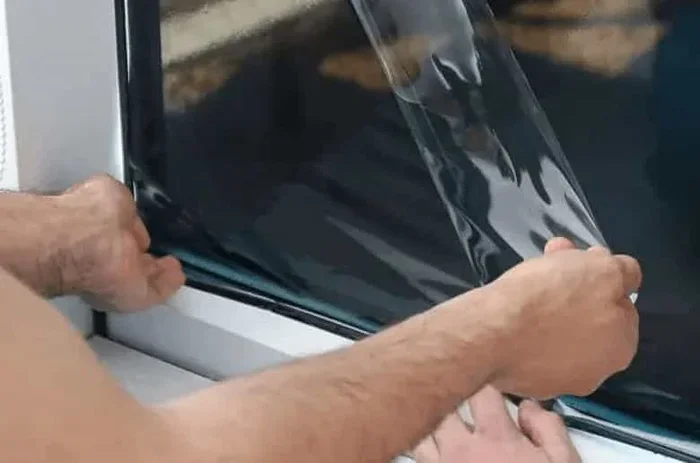
Professional installation typically delivers the best results. Trained technicians have the tools, experience, and clean environments needed for a bubble-free, perfect application. However, DIY kits are available for those who want to save money or enjoy a hands-on project. If you go the DIY route, take your time, follow the instructions carefully, and work in a dust-free environment. Window film installation is a skill that gets easier with practice.
Common Mistakes to Avoid When Using UV Film
Even the best UV film for car windows can cause problems if you make mistakes during installation or maintenance. Here are some common pitfalls to watch out for.
One of the biggest mistakes is choosing the wrong type of film for your needs. Do not just grab the cheapest option without considering your climate, budget, and priorities. Another mistake is ignoring local tint laws. Getting a ticket for illegal tint costs more than any film you would save by going cheap.
Skipping professional installation when you are not experienced is also a common error. Bubbles, creases, and peeling edges ruin the look and performance of your car window protection film. Finally, using harsh cleaners on freshly tinted windows can damage the film. Stick to ammonia-free cleaners and soft cloths to keep your automotive window film looking great for years.
Expert Tips for Getting the Most Out of Your UV Film
Want to maximize the benefits of your UV film for car windows? Here are some expert tips that make a real difference.
First, let your film cure fully before rolling down your windows. Most films need at least 48 to 72 hours to cure completely. During this time, you may notice some haze or small bubbles. This is normal and usually clears up on its own. Second, clean your windows with a microfiber cloth and a gentle, ammonia-free cleaner. Harsh chemicals break down the film over time and reduce its effectiveness.
Third, consider applying film to all windows, not just the windshield. Many people only tint their front windshield and forget about the side and rear windows. Your passengers and your back seat cargo benefit just as much from UV ray protection. Fourth, reapply or replace your film if you notice significant fading, bubbling, or peeling. Even the best heat rejection film has a lifespan, and replacing it when needed ensures you always get optimal protection.
Finally, pair your UV film with other sun protection habits. Use a windshield sunshade when parked for long periods. Park in the shade whenever possible. Together, these practices create a comprehensive approach to protecting your car and yourself from sun damage.
Conclusion
UV film for car windows is one of the simplest and most effective upgrades you can make to your vehicle. It blocks harmful ultraviolet rays, reduces interior heat, protects your car’s interior from fading and cracking, and even offers health benefits for you and your passengers. With options ranging from budget-friendly dyed film to premium ceramic film, there is a solution for every car owner and every budget.
Whether you are dealing with a brutally hot summer or just want to preserve your car’s interior for the long haul, investing in car window protection film pays dividends every single day you drive. Take the time to research your options, choose the right type of film, and either hire a professional or take your time with a careful DIY installation. Your car and your body will thank you for years to come.
Do not wait until your dashboard is cracked and your seats are faded. Make the smart choice today and protect your ride with UV film for car windows. It is a small investment that delivers big results.
Frequently Asked Questions
How long does UV film for car windows last?
Most quality UV film for car windows lasts between 5 and 10 years, depending on the type and quality of the film. Ceramic and carbon films tend to last longer, while dyed films may need replacement sooner. Proper care and maintenance also play a big role in extending the lifespan of your film.
Does UV film affect visibility while driving?
Most UV blocking film options are nearly clear and do not significantly reduce visibility. You can still see through your windows easily, even at night. The film works invisibly to block harmful rays while maintaining a clear view of the road ahead.
Can I install UV film on my car windows myself?
Yes, DIY car window tint film kits are widely available and affordable. However, professional installation usually delivers better results with fewer bubbles and imperfections. If you are new to window film, consider watching tutorials and practicing on a spare piece of glass first.
Is UV film the same as regular window tint?
Not exactly. While both are applied to car windows, UV film for car windows is specifically designed to block ultraviolet radiation. Regular tint may or may not offer strong UV protection depending on the material and darkness level. Many modern films combine UV blocking with heat rejection and privacy features.
Does UV film really reduce heat inside the car?
Yes, high-quality heat rejection film can reduce interior temperatures by 10 to 15 degrees Fahrenheit. The amount of heat reduction depends on the type of film, with ceramic and carbon films offering the best performance. This makes a noticeable difference in comfort, especially during hot summer months.
Are there any legal restrictions on UV film for car windows?
Yes, window tinting for vehicles is regulated by law in most states and countries. These laws typically specify how dark the tint can be on different windows. Always check your local regulations before purchasing or installing any car window protection film to avoid fines or citations.