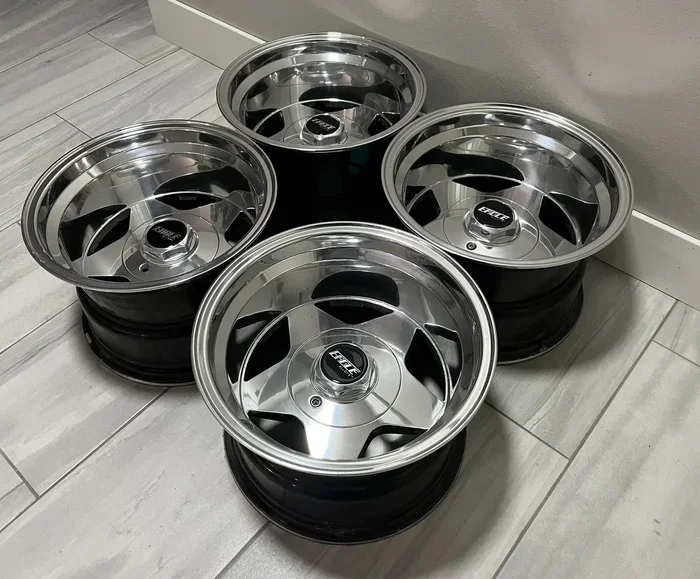
Used Car Alloy Wheels The Complete Buying Guide For 2024
Used car alloy wheels offer a smart way to upgrade your vehicle’s look and performance without breaking the bank. Whether you want refurbished alloy rims or second-hand alloy wheels, buying pre-owned saves you money and still delivers style. This guide covers everything from inspection tips to maintenance advice so you can buy used alloy wheels with confidence.
Used car alloy wheels are one of the simplest and most effective ways to transform how your vehicle looks and drives. Whether you drive a sedan, SUV, or truck, swapping in a fresh set of used car alloy wheels can completely change the feel of your ride.
But here is the thing. Not all used wheels are created equal. Some are barely scratched and ready to mount. Others hide serious damage that could compromise safety. That is exactly why this guide exists. We will walk you through everything you need to know about buying used alloy wheels in 2024.
From understanding the different types of alloy rims to learning how to spot a quality piece, you will have all the knowledge you need. We will cover inspection tips, where to find the best deals, how to match wheels to your vehicle, and how to keep them looking great for years to come. By the end, you will feel confident walking into any purchase.
The car aftermarket is booming right now. More drivers than ever are choosing aftermarket wheels over stock options. And used alloy wheels sit at the sweet spot between style and savings. Let us dive in.
Key Takeaways
- Used alloy wheels save significant money: You can save 40-60% compared to buying new alloy rims from dealers.
- Inspection is critical before purchase: Always check for cracks, curb rash, and proper wheel fitment before buying.
- Multiple buying options exist: Online marketplaces, salvage yards, and specialty shops all offer quality second-hand alloy wheels.
- Matching specs matters: Ensure the bolt pattern, offset, and diameter match your vehicle for safe installation.
- Refurbishment restores like-new appearance: Alloy wheel repair and powder coating wheels can make used wheels look brand new.
- Regular maintenance extends lifespan: Proper cleaning and protection keep your used alloy rims looking great for years.
📑 Table of Contents
- What Are Used Car Alloy Wheels and Why Buy Them?
- Benefits of Choosing Used Alloy Wheels Over New
- How to Inspect Used Alloy Wheels Before Buying
- Where to Find the Best Deals on Used Alloy Wheels
- How to Choose the Right Alloy Wheels for Your Vehicle
- Maintaining and Caring for Your Used Alloy Wheels
- Common Mistakes People Make When Buying Used Alloy Wheels
- How Much Should You Expect to Pay for Used Alloy Wheels?
- Final Thoughts on Buying Used Car Alloy Wheels
What Are Used Car Alloy Wheels and Why Buy Them?
Alloy wheels are made from a blend of aluminum or magnesium alloys. They are lighter, stronger, and more attractive than traditional steel wheels. When you buy used car alloy wheels, you are getting wheels that someone else has already paid the full retail price for. That alone makes them a smart financial choice.
Second-hand alloy wheels come from many sources. Trade-ins, accident write-offs, vehicle resprays, and simply outdated styles all contribute to the used wheel market. The good news is that many of these wheels are in excellent condition. They just need a new home.
Types of Alloy Wheels You Will Find Used
Not all used alloy wheels are the same. Different manufacturing processes create different styles and performance characteristics. Here are the most common types you will encounter when shopping for used rims for sale:
- Cast alloy wheels: These are the most common type found in the used market. Molten aluminum is poured into a mold. They are affordable, widely available, and work well for daily driving.
- Forged alloy wheels: These are made under extreme pressure. They are lighter, stronger, and more durable. You will find them in the used market but they cost more than cast wheels.
- Flow-formed alloy wheels: Also called forged-flow or spin-forged. They combine strength with lighter weight. These are popular among enthusiasts who want performance without the premium price tag.
- Chrome-plated alloy wheels: These have a shiny chrome finish. They look stunning but require more care. You will often find these used because chrome can chip or peel over time.
Why More Drivers Are Choosing Pre-Owned Alloy Rims
The trend toward buying refurbished wheels and pre-owned alloy rims has grown significantly in recent years. Here is why so many car owners are making the switch:
- Cost savings are substantial. New alloy wheels from a dealer can cost several hundred dollars per wheel. Used wheels often sell for 40 to 60 percent less.
- You can access premium brands. Want BBS alloy wheels or OZ Racing rims? Buying used makes premium brands affordable for everyday drivers.
- Environmental benefits. Reusing wheels reduces waste. It is a more sustainable choice than manufacturing new wheels from raw materials.
- Faster availability. Used alloy wheels are available right now. You do not need to wait for shipping or backorders.
Benefits of Choosing Used Alloy Wheels Over New
There are real, tangible benefits to going with used car alloy wheels instead of buying new. Let us break them down so you understand exactly what you are getting.
Significant Cost Savings
This is the biggest advantage by far. A set of four new alloy wheels can easily cost over a thousand dollars. The same set in used condition might cost you four hundred to six hundred dollars. That is real money back in your pocket. And here is the thing. Used does not mean low quality. Many used wheels have plenty of life left in them and can outperform cheaper new alternatives.
Wider Selection and Style Options
When you buy used alloy wheels, you open up a much wider world of styles. New wheels are limited to what manufacturers are currently producing. The used market gives you access to vintage designs, rare finishes, and limited-edition styles that are no longer in production.
Want 18-inch alloy wheels with a specific spoke design? The used market probably has them. Need 17-inch rims for a classic car? You will find them easily. The variety is one of the best parts of shopping pre-owned. You can also find alloy wheel brands that have gone out of production, giving your car a unique look.
Better Value for Performance Upgrades
If you want to upgrade your car’s performance, used car alloy wheels give you more bang for your buck. Lighter wheels improve acceleration, braking, and fuel economy. By buying used, you can invest in higher-quality aftermarket wheels for less money. That means you get better alloy wheel value at a lower price point. It is a win-win for your wallet and your driving experience.
How to Inspect Used Alloy Wheels Before Buying
This is the most important section in this entire guide. Knowing what to look for when inspecting used car alloy wheels can save you from buying damaged or unsafe wheels. Take your time with this process. Do not rush it.
Check for Cracks and Structural Damage
The first thing you should do is examine every inch of the wheel closely. Run your fingers along the surface. Feel for any cracks or seams that should not be there. Even small cracks can grow over time and cause a wheel to fail. If you find any cracks, walk away from that wheel. No amount of alloy wheel repair makes a cracked wheel safe.
Pay special attention to the wheel barrel and the area around the lug nut holes. These are the most common places where stress fractures appear. Also check the wheel hub area for any signs of impact damage. If the wheel has been in a serious accident, it may not be safe even if the damage is not visible on the surface.
Look for Curb Rash and Surface Damage
Curb rash is one of the most common issues with used alloy rims. It happens when a wheel scrapes against a curb. The result is cosmetic damage to the outer edge of the wheel. Here is how to assess curb rash properly:
- Minor curb rash: Small scuffs and shallow scrapes. These are purely cosmetic and can be fixed with wheel refurbishment or basic alloy wheel repair.
- Moderate curb rash: Deeper scrapes that may have exposed the base metal. These still can be repaired but will cost more.
- Severe curb rash: Deep gouges or bent edges. These wheels may not be worth the repair cost. Be cautious and factor repair costs into your budget.
Verify the Wheel Specifications
Every wheel has specific measurements stamped on it. You need to verify these match your vehicle. Here are the key specs to check before you commit to buying used car alloy wheels:
- Diameter: The overall size of the wheel in inches. Common sizes are 15, 16, 17, 18, and 19 inches.
- Width: How wide the wheel is from edge to edge.
- Bolt pattern: The arrangement of the lug holes. This must match your car exactly.
- Offset: How far the wheel sits in or out from the wheel well. Wrong offset can cause rubbing or handling issues.
- Center bore: The size of the hole in the center of the wheel. It must match your vehicle’s hub.
Test for Air Leaks
Before you buy, ask if you can check the tire pressure. Even if the wheel does not have a tire mounted, you can sometimes detect leaks by submerging the wheel in water. Bubbles will form at any point where there is a leak. This is a quick and easy way to identify alloy wheel cracking or porosity issues before you commit to a purchase.
Where to Find the Best Deals on Used Alloy Wheels
Finding quality used car alloy wheels at a fair price is easier than ever. There are many places to look, and each has its own advantages. Let us explore your options so you know exactly where to search.
Online Marketplaces
Websites like eBay, Craigslist, Facebook Marketplace, and dedicated automotive forums are goldmines for used alloy wheels. You can search by location, size, brand, and price range. The advantage here is variety. You can compare dozens of options from the comfort of your home.
When buying online, always ask for detailed photos from multiple angles. Request the bolt pattern, offset, and any known damage. A reputable seller will provide this information willingly. Read reviews and check the seller’s rating before making any purchase. Trust your instincts if something feels off.
Local Salvage Yards and Junkyards
Salvage yards are often overlooked when people search for second-hand alloy wheels. But they can be fantastic sources. Wheels from totaled vehicles often have low mileage and are in great shape. Best of all, prices at salvage yards are usually the lowest you will find.
Call ahead to your local yards and ask if they have wheels in stock. Some yards also allow you to pull parts yourself, which can save even more money. You might find hidden gems that nobody else has looked at yet. Bring a flashlight and a tape measure so you can check the wheels on the spot.
Specialty Wheel Shops and Refurbishers
Many shops specialize in selling refurbished wheels and used alloy rims. These businesses inspect, repair, and refinish wheels before selling them. The advantage is that you get a tested product with a warranty. You might pay slightly more than buying from an individual, but you gain peace of mind.
Look for shops that offer wheel refurbishment services including powder coating wheels, wheel polishing, and structural repair. These are the shops that stand behind their products. Ask about their warranty policy and what kind of alloy wheel repair they offer on-site.
Car Swap Meets and Garage Sales
Do not underestimate the power of local car events. Swap meets and garage sales often have used rims for sale at bargain prices. You can sometimes find alloy wheel brands like Enkei, Rota, and Konig for a fraction of their original cost.
The downside is that you cannot inspect wheels as thoroughly before buying. Bring a flashlight and a pressure gauge if possible. And always have a plan for transporting the wheels. Wear gloves and bring a bag to protect the wheels during transport.
How to Choose the Right Alloy Wheels for Your Vehicle
Buying used car alloy wheels is only half the battle. You also need to make sure the wheels you choose are right for your specific vehicle. The wrong wheels can affect safety, handling, and even legality on the road.
Match the Bolt Pattern Exactly
The bolt pattern is the arrangement of lug holes on the wheel. Every vehicle has a specific pattern. For example, a common pattern is 5×114.3, which means five bolts arranged in a circle with a 114.3mm diameter. If your wheel does not match your car’s bolt pattern, it simply will not fit. You can find your vehicle’s bolt pattern in the owner manual or by measuring it yourself with a ruler or caliper. Always double-check before making a purchase.
Understand Wheel Offset and Its Importance
Wheel offset determines how the wheel sits relative to the suspension and fender. Getting this wrong can cause the wheels to rub against the fender or suspension components. This is dangerous and can also damage both the wheel and the car. There are three types of offset:
- Positive offset: The wheel sits closer to the inside of the wheel well. Common in modern front-wheel-drive cars.
- Negative offset: The wheel sticks out further from the car. Popular in off-road and lifted truck applications.
- Zero offset: The mounting surface is even with the center line of the wheel.
Consider Tire Compatibility
Your new used alloy wheels need to work with your tires. The wheel diameter and width must match the tire size you plan to use. If you are keeping your current tires, make sure the new wheels are compatible. If you are also upgrading tires, consult a tire professional for guidance on the right combination. Tire compatibility is essential for safe driving and accurate speedometer readings.
Think About Your Driving Conditions
Where and how you drive matters when choosing alloy wheel types. If you live in an area with rough roads or winter conditions, you might want sturdier wheels. If you mostly drive on highways and city streets, lighter wheels can improve fuel economy and handling. Consider your daily driving environment carefully before making a final decision.
| Driving Condition | Recommended Wheel Type | Why It Works |
|---|---|---|
| Daily commuting | Cast alloy wheels | Lightweight, affordable, durable for regular use |
| Off-road / rugged terrain | Forged alloy wheels | Stronger construction handles impacts better |
| Winter / snowy conditions | Steel or coated alloy wheels | Easier to repair if damaged by road salt and debris |
| Performance driving | Flow-formed alloy wheels | Lightweight and strong for better handling and braking |
| Show / cosmetic use | Chrome or polished alloy wheels | Best visual appeal for car shows and displays |
Maintaining and Caring for Your Used Alloy Wheels
You have found the perfect set of used car alloy wheels. Congratulations! Now the work is not done. Proper maintenance keeps your wheels looking great and performing safely for many years. Here is how to take care of them so your investment lasts.
Regular Cleaning Routine
Dirt, brake dust, and road grime build up on alloy rims quickly. If left unchecked, they can cause corrosion and damage the finish. Clean your wheels at least once every two weeks with a mild soap and water solution. Avoid harsh chemicals or abrasive cleaners. These can strip the protective coating from your alloy wheels. Instead, use a dedicated alloy wheel cleaner that is formulated for the material.
Protect Against Curb Rash and Corrosion
Even with careful driving, curb contact can happen. To protect your used alloy wheels from curb rash, consider installing wheel guards or rim protectors. These simple accessories attach to the wheel and absorb impact before it reaches the rim. For wheels that already have minor curb damage, wheel polishing and touch-up paint can restore the appearance. More serious damage may require professional alloy wheel repair or wheel refurbishment.
When to Consider Powder Coating or Refinishing
If your used car alloy wheels have significant cosmetic damage, consider powder coating wheels or wheel refurbishment. Powder coating applies a durable, protective finish that looks great and resists chips and scratches. The cost of powder coating is usually between 50 and 150 dollars per wheel. That is a small price to pay for wheels that look brand new and are protected against future damage.
Inspect Your Wheels Regularly
Make it a habit to inspect your car alloy wheels every few months. Look for cracks, bends, or signs of corrosion. Check that all lug nuts are tight. If you notice any issues, address them immediately. A small problem left unattended can become a serious safety concern. Regular alloy wheel cleaning also helps you spot potential issues early.
Store Wheels Properly During Off-Seasons
If you switch between summer tires and winter tires, store your used alloy wheels properly during the off-season. Clean them thoroughly before storing. Wrap them in protective bags or covers. Store them in a cool, dry place away from direct sunlight. Proper storage prevents oxidation and keeps your alloy rims in top condition for the next season.
- Clean your wheels regularly with mild soap and water.
- Use dedicated alloy wheel cleaner for best results.
- Install rim protectors to prevent curb damage.
- Consider powder coating wheels for wheels with cosmetic damage.
- Inspect wheels every few months for safety issues.
- Store wheels properly during off-seasons to prevent corrosion.
Common Mistakes People Make When Buying Used Alloy Wheels
Even with the best intentions, many buyers make avoidable mistakes when purchasing used car alloy wheels. Learning from these errors can save you time, money, and frustration. Here are the pitfalls to watch out for.
Skipping the Fitment Check
The most common mistake is buying wheels without verifying the fitment. You might love the way a set of wheels looks, but if they do not fit your car, they are useless. Always confirm the bolt pattern, diameter, width, and offset before you buy. A simple phone call to a tire shop can confirm compatibility in minutes.
Ignoring Structural Damage
Some sellers will try to sell wheels with hairline cracks or bent barrels. These wheels are unsafe and should never be used on the road. Always inspect carefully and do not be afraid to walk away from a deal that seems too good to be true. Remember, your safety and the safety of your passengers depend on the integrity of your wheels.
Overlooking Tire Condition
If the wheels come with tires, check the tire condition carefully. Uneven wear, bulges, or low tread depth can indicate underlying problems. Sometimes the wheel damage caused the tire issue, not the other way around. Even if the used car alloy wheels are in perfect condition, bad tires will need to be replaced soon. Factor that cost into your overall budget.
Buying from Unverified Sellers
Always buy from reputable sources. If you are purchasing from an individual online, meet in a public place and inspect the wheels thoroughly before handing over any money. For the safest experience, buy from established dealers or specialty shops that offer warranties and return policies. A good seller will welcome your questions and provide detailed information about the alloy wheel value of their product.
How Much Should You Expect to Pay for Used Alloy Wheels?
Price is always a factor when buying used car alloy wheels. The cost varies widely based on several factors. Understanding what drives pricing helps you make a fair deal and avoid overpaying.
For a basic set of used alloy rims in good condition, expect to pay between 100 and 300 dollars per wheel. Premium brands like BBS, OZ Racing, or Enkei can cost between 200 and 500 dollars per wheel used. Rare or limited-edition styles can command even higher prices in the second-hand alloy wheels market.
Remember that wheel refurbishment costs should also factor into your budget. If the wheels need powder coating or alloy wheel repair, add 50 to 150 dollars per wheel for professional services. Even with these costs, buying used alloy wheels is almost always cheaper than buying new. You can often get a premium set of wheels for less than the price of a single new wheel from a dealership.
Final Thoughts on Buying Used Car Alloy Wheels
Buying used car alloy wheels is one of the best upgrades you can make to your vehicle. You get better looks, improved performance, and significant savings compared to buying new. The key is to go into the process informed and prepared. Do your research, inspect carefully, and buy from trusted sources.
Inspect every wheel thoroughly. Verify the fitment specs match your vehicle. Buy from reputable sellers. And once you have your new wheels, maintain them properly with regular alloy wheel cleaning and timely repairs. Follow these steps and your used alloy wheels will look amazing and keep you safe on the road for years to come.
The world of used alloy wheels is vast and full of opportunity. Whether you are a casual driver looking for a simple upgrade or a car enthusiast searching for that perfect set of alloy rims, there is something out there for you. Use this guide, trust your instincts, and enjoy the ride. Your car deserves great wheels, and your budget deserves great savings.
Now you have all the knowledge you need. Go out there and find the perfect set of used car alloy wheels for your ride. Your car and your wallet will thank you. Happy shopping!
Frequently Asked Questions
Are used alloy wheels safe to drive on?
Yes, used alloy wheels are safe as long as they are in good condition. Always inspect for cracks, bends, and structural damage before purchasing. If a wheel has been properly maintained and shows no signs of serious damage, it is perfectly safe for daily driving.
How much money can I save by buying used alloy wheels?
Most buyers save between 40 and 60 percent compared to the retail price of new alloy wheels. A set that might cost 1,200 dollars new could be found for 500 to 700 dollars used. The exact savings depend on the brand, size, and condition of the wheels.
Can I refurbish used alloy wheels myself?
Yes, you can do basic alloy wheel repair at home. Minor curb rash can be buffed out and touched up with paint. However, for deeper damage, structural repairs, or a full powder coating finish, it is best to visit a professional wheel refurbishment shop. They have the equipment and expertise to do the job safely.
What should I look for when inspecting used alloy wheels?
Check for cracks, especially around the lug nut holes and the wheel barrel. Look for curb rash and assess its severity. Verify the bolt pattern, offset, and diameter match your vehicle. Also check for air leaks by submerging the wheel in water if possible. These steps will help you identify any hidden issues before you buy.
Do used alloy wheels come with tires?
Some do, but many do not. It depends on the seller and the listing. If tires are included, inspect them carefully for tread wear, bulges, and uneven wear patterns. Even if the used car alloy wheels are in perfect condition, bad tires will need to be replaced. Always ask the seller about the tire condition before purchasing.
How long do used alloy wheels last?
With proper care, used alloy wheels can last for many years. The lifespan depends on driving conditions, maintenance habits, and the quality of the wheels. Regular cleaning, timely alloy wheel repair, and proper storage during off-seasons all contribute to a longer life. Many drivers get 5 to 10 years of use out of a quality set of used alloy rims.