Why Wont My Car Unlock with the Remote or Key Again
Your car won’t unlock with the remote or key? This frustrating problem usually comes down to a few common culprits, including a dead key fob battery, a faulty door lock actuator, or a broken central locking system. In this guide, we walk you through every possible reason your car door lock isn’t responding, and we give you simple, step-by-step fixes you can try right now. Whether it’s a dead remote key fob or a deeper electrical issue, we’ve got you covered.
There’s nothing worse than standing outside your car, pressing the button on your key fob, and hearing nothing. You try the physical key. Still nothing. Your car door lock just won’t budge. You’re stuck, frustrated, and probably wondering what went wrong.
This happens to almost every car owner at some point. Sometimes it’s a simple fix you can handle in minutes. Other times, it points to a deeper problem that needs a mechanic’s touch. Either way, knowing the reasons your car won’t unlock helps you act fast and avoid panic.
In this article, we break down every common cause behind car remote not working issues. We also share practical fixes, expert tips, and advice to prevent the problem from happening again. Let’s get your car door locks back in working order.
Key Takeaways
- Dead Key Fob Battery: The most common reason your remote won’t unlock the car. A quick battery swap often fixes it.
- Faulty Door Lock Actuator: A failed actuator can stop one or all doors from locking or unlocking.
- Signal Interference: Nearby electronics or physical barriers can block your key fob’s signal.
- Corroded or Damaged Lock Mechanism: Rust and debris inside the lock can prevent the key from turning.
- Central Locking System Failure: A blown fuse or bad relay can knock out your entire car lock system.
- Frozen Lock in Winter: Cold weather can freeze the lock mechanism, making it impossible to open.
- Water Damage: Moisture inside the door can corrode wiring and ruin the lock actuator over time.
📑 Table of Contents
Why Your Car Won’t Unlock with the Remote or Key
When your car lock stops responding, the cause usually falls into one of several categories. Some are electrical. Some are mechanical. And some are just bad luck with weather or age. Let’s explore each one so you know exactly what to look for.
Dead Key Fob Battery
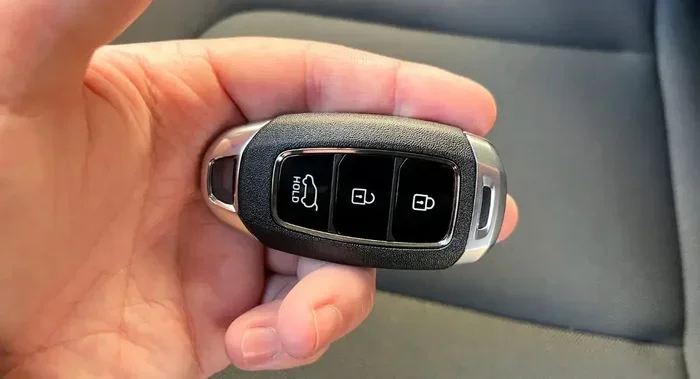
The number one reason your remote key fob stops working is a dead battery. Key fobs run on small coin-cell batteries that last anywhere from one to three years. When the battery dies, the signal weakens or disappears completely.
You’ll notice the warning signs before it dies completely. The car unlock range gets shorter. You have to press the button harder or stand closer to the door. Eventually, nothing happens at all.
Fixing this is easy. Pop open the fob casing, swap in a new CR2025 or CR2032 battery (check your owner’s manual), and you’re good to go. This simple remote key fob replacement takes less than two minutes and costs under five dollars.
Faulty Door Lock Actuator
The door lock actuator is the small motor inside your car door that actually does the locking and unlocking. When you press the button, the actuator receives a signal and moves the lock mechanism. If it fails, your central locking system goes silent.
Actuators can wear out over time. They also fail from water damage, electrical shorts, or general wear and tear. A bad actuator often affects just one door, which is a telltale sign.
Replacing an actuator costs between $100 and $300 at a repair shop, depending on your car model. Some handy car owners replace it themselves with basic tools. You’ll need to remove the door panel, disconnect the old unit, and install the new one.
Signal Interference
Did you know that key fob signal interference is a real thing? Your remote sends a radio signal to the car. If something blocks or disrupts that signal, the lock won’t respond.
Common sources of interference include:
- Other electronic devices in your pocket or bag
- Nearby cell phone towers or radio towers
- Large buildings or concrete structures nearby
- Other cars with similar key fob frequencies
Try moving away from buildings or tall structures. Step out of parking garages. Take the fob out of your bag and hold it directly against the door button. If the car unlocks, interference was your problem.
Corroded or Damaged Lock Mechanism
Your car lock mechanism is a series of metal parts that can rust or wear down over time. Road salt, moisture, dirt, and grime build up inside the lock cylinder. This gunk prevents the key from turning smoothly.
If you notice the key sticking or feeling rough when you insert it, corrosion is likely the cause. Left untreated, a corroded lock can seize up entirely.
Use a penetrating lubricant like WD-40 to clean the lock cylinder. Spray it in, work the key back and forth, and wipe away any residue. For severe corrosion, a locksmith can replace the lock cylinder for you.
Frozen Lock in Winter Weather
Winter is brutal on car door locks. Ice and frost can build up inside the lock cylinder, freezing the mechanism in place. No amount of pressing or turning will work when ice is blocking the way.
Never force the key. You risk breaking it inside the lock. Instead, use a de-icer spray or warm water to melt the ice. You can also use a hairdryer on a low setting to gently warm the lock.
Prevention is the best approach. Spray lock de-icer into each door lock before winter sets in. You can also apply a silicone-based lubricant to keep moisture out.
Water Damage Inside the Door
Water gets into car doors through worn seals, drainage holes, or damaged weather stripping. Once inside, it corrodes wiring, damages the door lock actuator, and causes short circuits in the central locking system.
Signs of water damage include:
- Damp or musty smell inside the door panel
- Windows that fog up from the inside
- Electrical issues beyond just the locks
- Rust forming on metal parts inside the door
If water has damaged your lock system, you’ll need to dry out the door, inspect the wiring, and possibly replace affected components. A mechanic can help with a thorough diagnosis.
Blown Fuse or Bad Relay
Your car’s central locking system runs on electricity. A blown fuse or faulty relay can cut power to the entire system, leaving you unable to lock or unlock any door.
Check your owner’s manual to find the fuse box location. Look for the fuse labeled “door locks” or “central locking.” If the metal strip inside the fuse is broken, replace it with an identical amperage fuse.
Relays are slightly more complex. A bad relay may need to be tested with a multimeter and replaced. If you’re not comfortable with electrical work, let a professional handle it.
Broken Key in the Lock
A key can snap inside the lock cylinder, especially if it’s old or worn. This leaves part of the key stuck inside, blocking the lock from turning.
Do not try to pull the broken piece out with tweezers unless you can clearly see it. You might push it deeper. Instead, call a locksmith who has specialized tools to extract broken keys safely.
To prevent this, replace worn keys before they become fragile. Also, avoid using excessive force when turning the key. If it feels stiff, lubricate the lock cylinder first.
Immobilizer or Security System Glitch
Modern cars have sophisticated immobilizer systems that prevent theft. Sometimes, these systems glitch and refuse to recognize your key or key fob. When this happens, the car may not unlock even if you press the button.
A security system glitch can be triggered by:
- A weak key fob battery
- Static electricity discharge
- A recent battery change in the car
- Electrical system updates or resets
Try resetting the system by disconnecting the car battery for 15 minutes and reconnecting it. If that doesn’t work, consult your owner’s manual or a dealership for reprogramming steps.
Worn-Out Door Lock Cable
Inside each car door, a thin cable connects the lock button to the lock mechanism. Over time, this cable can stretch, fray, or snap. When the cable fails, pressing the button does nothing, even though the lock mechanism itself is fine.
Replacing a door lock cable is a moderately tricky repair. It requires removing the door panel and accessing the cable routing. If you’re handy, you can find replacement cables online for $15 to $40. Otherwise, a shop can do it for around $100 to $200.
Software or Programming Issue
Some keyless entry systems rely on software to communicate between the fob and the car. A software glitch can disrupt this communication, making your remote control car lock unresponsive.
This is more common in newer vehicles with advanced electronics. A software update from the dealership usually resolves the issue. You can also try reprogramming the key fob by following the steps in your owner’s manual.
Reprogramming typically involves cycling the ignition on and off a specific number of times while pressing buttons on the fob. Each car model has a different procedure, so check your manual carefully.
How to Diagnose Your Car Unlock Problem
Before you start replacing parts, you need to figure out what’s actually wrong. A little diagnostic work saves you time and money.
Start by testing each door individually. Press the button on the fob and listen carefully. Do you hear a faint click or hum? That means the signal is reaching the car, but the lock mechanism isn’t responding. No sound at all? The problem is likely the fob itself or the signal path.
Next, try the physical key in each door. If the key works on some doors but not others, the problem is isolated to the specific lock or actuator. If the key doesn’t work on any door, the issue is probably electrical or related to the central locking system.
Also, check if your other features work. Do the windows go up and down? Do the interior lights turn on? If other electrical systems are also failing, you might be dealing with a broader electrical problem, not just a lock issue.
Here’s a quick diagnostic checklist:
- Test the fob on another car if possible
- Replace the fob battery and try again
- Check all door locks manually with the key
- Listen for clicks or sounds when pressing the fob
- Inspect the fuse box for blown fuses
- Look for water damage or corrosion inside the doors
- Try resetting the car battery
Quick Tips to Prevent Car Lock Problems
Prevention is always easier than repair. A few simple habits can keep your car door lock system working smoothly for years.
Replace the fob battery every two years. Don’t wait for it to die completely. Set a calendar reminder so you always have a fresh battery on hand.
Keep your locks lubricated. Use a silicone-based spray or lock-specific lubricant every six months. This prevents rust and keeps the mechanism moving freely.
Protect your car from water damage. Check the door seals regularly for cracks or gaps. Replace worn seals promptly to keep moisture out.
Avoid forcing the key. If the key feels stiff, stop and lubricate the lock cylinder first. Forcing it is the fastest way to break a key inside the lock.
Store the fob properly. Keep it away from other electronic devices that might cause signal interference. A small pouch or compartment in your bag works great.
Address small problems early. If your lock starts acting sluggish or inconsistent, don’t ignore it. A small issue today can become a big repair tomorrow.
When to Call a Professional Mechanic
Some car lock problems are simple enough to fix yourself. Others need a trained professional. Here’s when it’s time to call for help.
Call a mechanic if you’ve tried replacing the fob battery and the lock still doesn’t work. If you hear a grinding or clicking noise but the lock doesn’t move, the door lock actuator likely needs replacement. If multiple doors are affected and you’ve checked the fuses, the central locking system has a deeper electrical issue.
Also call a professional if you have a broken key stuck in the lock. Attempting DIY extraction can make the situation worse and lead to expensive repairs.
Finally, if your car is still under warranty, check with the dealership before visiting an independent shop. Some warranty plans cover lock replacement and key fob repairs at no cost to you.
Cost Breakdown for Common Car Lock Repairs
Wondering what you’ll pay to fix your car lock problem? Here’s a rough cost guide for common repairs.
Replacing a key fob battery costs $3 to $10 if you do it yourself, or $15 to $25 at a shop. A door lock actuator replacement runs $100 to $300 per door, depending on your vehicle. Lock cylinder replacement typically costs $150 to $350, including labor. Central locking system repairs can range from $200 to $600, depending on the complexity.
These are average costs and can vary by location, car model, and severity of the problem. Always get a quote before authorizing any repair work.
Final Thoughts
A car that won’t unlock with the remote or key is stressful, but it’s almost always a solvable problem. Start with the simplest fix, like replacing the fob battery. Work your way up to more complex checks like the actuator, fuses, and wiring. Most of the time, the culprit is something minor and inexpensive.
Keep your locks maintained, your fob battery fresh, and your car protected from moisture. These small steps go a long way in preventing car lock problems before they start. And if you ever feel stuck, don’t hesitate to call a trusted mechanic. They’ve seen it all and can get you back on the road quickly.
Now that you know the common causes and fixes, you’re better equipped to handle car unlock issues when they come up. Stay calm, diagnose the problem step by step, and you’ll be opening your doors again in no time.
Frequently Asked Questions
Why does my car remote work sometimes but not others?
This usually points to a weak key fob battery or signal interference. When the battery is low, the signal becomes inconsistent. Try replacing the battery first. If the problem persists, move away from potential sources of interference like other electronics or tall buildings.
Can I unlock my car manually if the remote stops working?
Yes, you can always use the physical key to unlock your door. Most modern cars have a small key slot hidden under a door handle cover. Pop off the cover, insert the key, and turn it to unlock. Keep a spare key in a safe place for emergencies.
How much does it cost to replace a car door lock actuator?
The cost typically ranges from $100 to $300 per door, including parts and labor. The price varies based on your car’s make and model. Luxury vehicles and newer models tend to cost more due to complex electronics integrated into the actuator.
What kind of battery does a car key fob use?
Most car key fobs use a CR2025 or CR2032 coin-cell battery. Check your owner’s manual to confirm the correct type for your specific fob model. These batteries are widely available at grocery stores, pharmacies, and auto parts shops for just a few dollars.
Can cold weather really freeze my car lock?
Absolutely. Moisture inside the lock cylinder freezes in cold temperatures, blocking the mechanism from moving. This is especially common in regions with harsh winters. Using lock de-icer spray or a silicone lubricant before winter can prevent this problem entirely.
How do I know if my car door lock actuator is bad?
Listen for unusual sounds when you press the lock or unlock button. A failing actuator often makes grinding, clicking, or whirring noises. You may also notice that only one door doesn’t respond while the others work fine. These are strong signs the actuator needs replacement.
=== CONCLUSION ===
Dealing with a car that won’t unlock with the remote or key is frustrating, but you now have the knowledge to tackle it head-on. From a simple dead key fob battery to a more complex central locking system failure, we’ve covered every major cause and fix. The key is to start simple, work through the possibilities, and know when to call in a professional.
Take care of your car lock mechanism with regular maintenance, fresh batteries, and prompt attention to small issues. Your car will reward you with reliable performance every time you approach the door. Stay proactive, stay informed, and never let a car unlock issue ruin your day.