Why Wont My Car Start Because of the Key Fob Battery
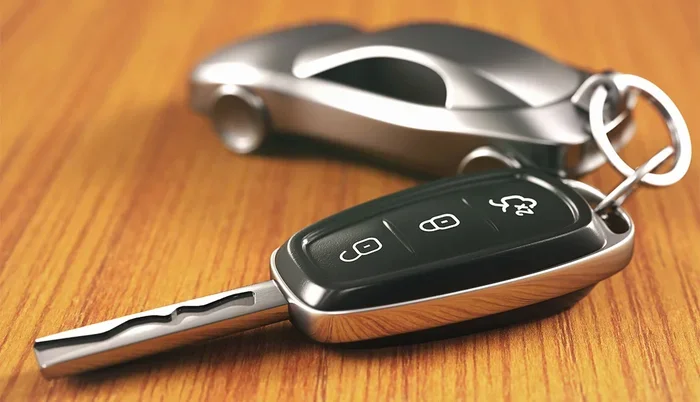
A dead key fob battery is one of the most common reasons your car won’t start. When the fob key battery dies, your vehicle cannot detect the signal needed to turn on the ignition. Replacing the key fob battery is a simple fix you can do at home in minutes.
There is nothing more frustrating than standing by your car, ready to head out, and realizing it won’t start. You turn the key or press the start button, and nothing happens. Before you panic, take a deep breath. In many cases, the culprit is simpler than you think. The key fob battery might just be dead.
Modern vehicles rely heavily on remote key fob technology. These little devices send a signal to your car to unlock the doors and start the engine. When the fob key battery dies, that communication breaks down. Your car simply cannot recognize the key is nearby.
The good news? Fixing this problem is usually quick and inexpensive. You do not need a mechanic or a tow truck. Most of the time, swapping out the key fob battery takes less than five minutes. In this article, we will walk you through everything you need to know. We will cover the warning signs, the replacement process, and what to do when the fix does not work right away.
Key Takeaways
- A dead key fob battery prevents your car from starting, even if the car battery is fully charged.
- Common signs of a weak fob key battery include reduced remote range and warning lights on the dashboard.
- Replacing a key fob battery is easy and affordable, usually under $10 for the battery alone.
- The CR2032 battery is the most common type used in most key fobs.
- Try the backup mechanical key if your push button start won’t respond.
- Avoid storing your key fob near electronics to prevent signal drain and battery wear.
📑 Table of Contents
- Why Your Key Fob Battery Matters for Starting Your Car
- Signs Your Key Fob Battery Is About to Die
- How to Replace Your Key Fob Battery
- What to Do When Your Car Won’t Start Even After a Battery Change
- Common Mistakes That Drain Your Key Fob Battery
- Key Fob Battery Replacement Costs and Prevention Tips
- Conclusion
Why Your Key Fob Battery Matters for Starting Your Car
Many drivers do not think about their key fob battery until it dies. Then suddenly, the car won’t start, and everything comes to a halt. Understanding how your remote key fob works helps you appreciate why this tiny battery matters so much.
How the Key Fob Communicates with Your Car
Your push button start system uses a transponder key or a smart key fob to verify your identity. When you press the start button, the car sends out a low-frequency signal. The key fob picks up that signal and sends one back. If the car receives the correct response, the immobilizer system releases and the engine turns on.
This entire exchange happens in milliseconds. But it needs a working key fob battery to power the signal. Think of the battery as the fuel for that tiny radio inside your fob. Once the fuel runs out, the radio goes silent. Your car never hears the response it needs.
Different car brands use different key fob battery types. The most common is the CR2032 battery. You can find this battery at almost any grocery store or pharmacy. Some newer models use CR2025 batteries instead. Check your owner’s manual to be sure.
The keyless entry system also depends on this battery. So even if you can still unlock your doors from a distance, the starting function may already be struggling. That is why it is smart to replace the battery at the first sign of weakness.
Key Fob Battery Types Compared
Not all fob key battery units are the same. Here is a quick comparison of the most common types found in cars today:
| Battery Type | Common Uses | Average Lifespan | Typical Cost |
|---|---|---|---|
| CR2032 | Most Toyota, Honda, Ford, and Chevy models | 2 to 4 years | $3 to $7 |
| CR2025 | Some BMW, Hyundai, and Kia models | 2 to 3 years | $4 to $8 |
| CR2016 | Compact fobs for older models | 1.5 to 3 years | $3 to $6 |
| CR1632 | Certain European luxury brands | 2 to 4 years | $4 to $9 |
As you can see, the CR2032 battery is the most widely used option. It is also the easiest to find. Keeping a spare in your glove box is a smart habit that saves you time and stress.
Signs Your Key Fob Battery Is About to Die
Catching a weak key fob battery early saves you from an unexpected roadside headache. Your car usually gives you several warning signs before the battery dies completely. Learning to recognize these signals is the first step in key fob troubleshooting.
Warning Signals You Should Never Ignore
Reduced remote range. This is the earliest and most obvious sign. If you used to unlock your car from 30 feet away and now you need to stand right next to it, the battery is fading. The key fob signal weakens as the battery loses power.
Dashboard warning lights. Many modern cars display a warning icon when the key fob not detected issue occurs. You might see a key symbol or a “key not found” message on the dashboard. This means your car cannot read the fob.
Intermittent starting problems. Sometimes the car starts fine in the morning but refuses to cooperate later in the day. This inconsistency often points to a dead key fob battery that has not fully died yet but is struggling to maintain a strong signal.
Lock and unlock issues. If the power locks stop responding to the remote, the fob key battery is likely low. You might still be able to use the physical key slot as a backup, which is a good clue that the remote function is failing.
Delayed response. When you press a button on the fob, does the car take a second or two to react? That delay means the battery is losing its punch. Do not ignore this sign. It is your car telling you to replace the battery soon.
Multiple fob failures. If you carry more than one key fob and both start showing the same symptoms, the batteries are probably reaching the end of their life. Key fob battery replacement should happen before both fobs fail at the same time.
Quick Tips for Early Detection
- Test your fob range every few months by standing farther away when you unlock the car.
- Keep a spare fob in your bag or pocket so you always have a backup.
- Check the battery voltage with a multimeter if you suspect weakness. A reading below 2.8 volts means it is time for a replace key fob battery.
- Listen for the beep when you lock or unlock. A quiet or absent beep often signals a low battery.
How to Replace Your Key Fob Battery
Replacing a key fob battery is one of the easiest car maintenance tasks you can do. You do not need special tools or technical skills. Most people complete the job in under five minutes. Let us walk you through it step by step.
Tools You Need for the Job
You need very little to replace a key fob battery. Here is what to gather before you start:
- A replacement battery (CR2032 for most models, or check your manual)
- A small flathead screwdriver or a coin to pry open the fob
- A clean, dry workspace with good lighting
- Your owner’s manual for fob-specific instructions
That is it. No need to visit a dealer or pay for a service. The replace key fob battery process is designed to be simple for car owners. Keep a spare CR2032 battery in your glove box so you are always prepared.
Step-by-Step Key Fob Battery Replacement
Step 1: Find the seam on your key fob. Most remote key fob units have a visible split line along the middle. Look closely at the edges. Some fobs have a small latch or tab that you need to press first.
Step 2: Open the fob carefully. Insert your flathead screwdriver or a coin into the seam. Gently twist to pop the two halves apart. Do not force it. If the fob is stubborn, try a different edge. Key fob troubleshooting sometimes reveals that the clip is just stuck.
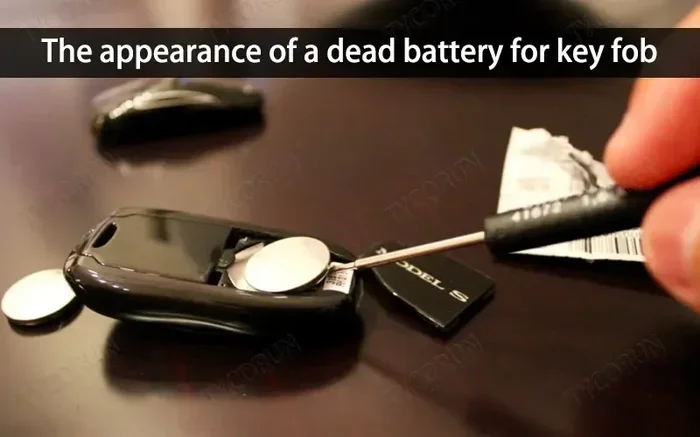
Step 3: Remove the old battery. Look inside the fob. The fob key battery sits in a small compartment. Note which side faces up. Take a photo if you need to remember the orientation. Use the screwdriver to gently pry the battery out.
Step 4: Insert the new battery. Place the new CR2032 battery in the same orientation as the old one. The positive side (smooth side) usually faces up. Push it firmly into place until it clicks.
Step 5: Snap the fob back together. Align the two halves and press them firmly until they click shut. Make sure the seam is even all the way around.
Step 6: Test your key fob. Stand near your car and try to unlock the doors. Then try pressing the start button. If everything works, you are all set. If not, double-check the battery orientation and make sure the fob is fully closed.
Quick Tip: Wash your hands before handling the new battery. Oils and moisture from your skin can shorten the battery life. Also, avoid touching the battery contacts inside the fob with metal tools to prevent damage.
What to Do When Your Car Won’t Start Even After a Battery Change
You replaced the key fob battery but your car still will not start. This is more common than you might think. Several issues can mimic a dead key fob battery problem, even after you swap in a fresh one.
First, check the battery orientation. It sounds simple, but putting the battery in backward is a surprisingly common mistake. The CR2032 battery has a positive and negative side. If you flipped it, the fob will not send a signal. Remove the battery and confirm the orientation matches the diagram inside the fob.
Second, try the mechanical key. Most push button start vehicles have a hidden mechanical key slot somewhere on the car or the fob itself. Insert the physical key and try starting the car that way. This bypasses the immobilizer system and lets you know if the problem is with the car or the fob.
Third, check the car battery. Sometimes the real issue is not the fob at all. A weak car battery can prevent the engine from turning over, even if the fob is working perfectly. If you hear a clicking sound when you press the start button, the car battery might be the problem, not the fob.
Fourth, look for signal interference. Standing near a cell tower, a large building, or even another electronic device can block the key fob signal. Move to a clear area away from tall structures and try again. Sometimes the key fob not detected issue is just a temporary signal problem.
Fifth, consider reprogramming the fob. In some cases, the key fob programming gets disrupted after a battery change. The car may need to re-sync with the fob. Check your owner’s manual for the reprogramming steps. It usually involves a simple sequence of button presses.
Sixth, inspect the fob for physical damage. If you dropped your fob or it got wet, internal damage could prevent it from working even with a new battery. Look for cracks, loose buttons, or corrosion on the circuit board. If the fob is damaged, you may need a key fob replacement rather than just a battery swap.
Common Causes Beyond the Battery
It is easy to assume the key fob battery is the problem, but other factors can cause your car not to start. A worn-out transponder key chip, a faulty ignition switch, or a damaged antenna ring around the steering column can all produce the same symptoms. If you have replaced the battery and the car still will not start, these possibilities are worth investigating.
Expert Insights on Persistent Starting Issues
Automotive technicians recommend a systematic approach when your car won’t start. Start with the simplest explanation, which is usually the key fob battery. Then work through the other possible causes one by one. This method saves time and money. Many drivers skip straight to expensive repairs when a simple battery swap would have solved the problem.
Pro Tip: Keep a small notebook in your glove box. Write down when you replaced your fob key battery and any symptoms you noticed beforehand. This log helps you spot patterns and makes key fob troubleshooting much easier over time.
Common Mistakes That Drain Your Key Fob Battery
Some habits quietly shorten the life of your fob key battery. Avoiding these common mistakes can help your battery last longer and prevent unexpected starting problems.
Storing the fob near electronics. Laptops, tablets, and even other key fobs can interfere with the key fob signal and drain the battery faster. Store your fob in a designated spot away from electronic devices. A small pouch or drawer works well.
Pressing buttons unnecessarily. Every time you press a button on the fob, it uses a small amount of power. Some people press the unlock or lock button out of habit, even when they do not need to. Be intentional with your button presses to conserve battery life.
Ignoring the backup mechanical key. If you always rely on the remote function and never use the physical key, you might not notice when the fob battery dies. The mechanical key is your backup plan. Know where it is and how to use it.
Using the wrong battery type. Not all key fob battery replacements use the same size. Putting in the wrong battery can damage the fob or cause it to malfunction. Always check your owner’s manual or the old battery label before purchasing a replacement.
Leaving the fob near the ignition. Some drivers place the fob right next to the start button or ignition slot when the car is off. This constant proximity can cause the fob and the car to “talk” to each other continuously, slowly draining the fob key battery. Keep the fob at least a few feet away from the ignition when the engine is off.
Exposing the fob to extreme temperatures. Heat and cold both degrade battery performance. Leaving your fob in a hot car in summer or outside in freezing winter weather shortens the battery’s lifespan. Keep your fob in a temperature-controlled environment when possible.
Key Fob Battery Replacement Costs and Prevention Tips
Replacing a key fob battery is one of the most affordable car maintenance tasks you will ever do. Understanding the costs and how to prevent future problems keeps your car running smoothly.
How Much Does It Cost to Replace a Key Fob Battery?
The key fob battery replacement cost is incredibly low. A single CR2032 battery costs between $3 and $7 at most stores. That is it. You do not need to pay for labor because you can do it yourself. Even if you visit a dealership or locksmith, the cost rarely exceeds $20 including the battery and service.
Compare this to replacing an entire key fob unit. A new remote key fob can cost anywhere from $50 to $300 or more, depending on your car model. That is why keeping the battery fresh is so important. A few dollars every year or two saves you hundreds in potential replacement costs.
How Long Does a Key Fob Battery Last?
Most key fob batteries last between two and four years. The exact lifespan depends on how often you use the fob, your driving habits, and the quality of the battery. Heavy users who press buttons frequently may need to replace the battery more often.
Pro Tip: Mark your calendar or set a phone reminder every two years to check your fob key battery. Proactive replacement prevents the surprise of a dead battery when you are already running late.
Prevention Tips to Extend Key Fob Battery Life
- Use the mechanical key when you are close to your car instead of always relying on the remote.
- Keep spare batteries in your glove box so you are never caught off guard.
- Avoid dropping or impacting the fob, which can damage the internal battery connection.
- Store the fob properly when not in use, away from other electronics and extreme temperatures.
- Replace the battery at the first sign of weakness rather than waiting for it to die completely.
- Clean the battery contacts inside the fob occasionally with a dry cloth to ensure good connection.
Conclusion
A dead key fob battery is one of the simplest car problems to solve, yet it catches so many drivers off guard. Now you know the warning signs, the replacement process, and what to do when the fix does not work immediately. Replacing your key fob battery takes minutes and costs almost nothing.
Do not let a dead fob key battery ruin your morning routine. Keep a spare battery on hand, watch for the early warning signs, and act quickly when you notice reduced range or delayed response. Your future self will thank you when you are standing by your car, ready to go, and everything works perfectly.
Take a few minutes today to check your key fob battery status. If it is weak, grab a CR2032 battery and do the swap. It is one of the best small investments you can make in keeping your car reliable and ready to go whenever you are.
Frequently Asked Questions
How do I know if my key fob battery is dead?
The most obvious sign is that your car will not start or respond to the remote. You may also notice reduced range when unlocking the car, a weak or absent beep when locking, or a “key not detected” warning on the dashboard. These are all strong indicators that the key fob battery needs replacing.
Can I use any battery to replace my key fob battery?
No, you should always use the battery type specified for your fob. The CR2032 is the most common, but some models use CR2025 or CR1632 batteries. Check your owner’s manual or look at the old battery label before purchasing a replacement to ensure you get the right size.
How long does a key fob battery typically last?
Most key fob batteries last between two and four years. The lifespan depends on how frequently you use the remote, the quality of the battery, and environmental factors like temperature exposure. Replacing the battery proactively every two to three years helps you avoid unexpected failures.
What should I do if my car still won’t start after replacing the key fob battery?
First, double-check that the battery is inserted correctly with the right orientation. Then try using the mechanical backup key to start the car. If neither works, the issue may be with the car battery, the immobilizer system, or the fob itself. In that case, it is best to consult a professional mechanic or dealership.
Is it expensive to replace a key fob battery?
Not at all. A key fob battery replacement costs between $3 and $10 if you do it yourself. Even at a dealership or locksmith, the total cost rarely exceeds $20. This makes it one of the most affordable car maintenance tasks you can perform.
Can a low key fob battery damage my car’s electrical system?
No, a low or dead fob key battery will not damage your car’s electrical system. It simply prevents the car from recognizing the key fob signal needed to start the engine. However, repeatedly trying to start the car with a weak fob can drain the car battery over time, so it is best to replace the fob battery promptly.