How to Choose the Right Window Tint Percentage for Your Home
Choosing the right window tint percentage can transform your home comfort, cut cooling costs, and boost privacy. This guide walks you through visible light transmission ratings, film types, and room-by-room recommendations. You will learn how to match tint darkness to your goals, budget, and local laws with ease.
Choosing the right window tint percentage is one of the smartest home upgrades you can make this year. Whether you want to beat the summer heat, protect your furniture from sun damage, or simply add more privacy, the correct tint level makes all the difference. But with so many options on the market, it can feel overwhelming to know where to start.
This guide breaks down everything you need to know about window tint percentage in simple, practical terms. You will learn what the numbers mean, which film types work best, and how to pick the perfect shade for every room. By the end, you will feel confident making the right choice for your home and your budget.
Key Takeaways
- Know Your VLT: Visible Light Transmission is the key number that determines how dark your tint will be.
- Match Tint to Room: Different rooms need different tint levels for comfort and function.
- Film Type Matters: Ceramic, dyed, metalized, and carbon films each offer unique benefits.
- Check Local Laws: Legal tint limits vary by state and municipality for residential homes.
- Energy Savings Add Up: The right tint percentage can reduce cooling bills by up to 30 percent.
- Professional vs DIY: Both options have pros and cons depending on your skill level and budget.
- UV Protection Is Key: Quality window film blocks up to 99 percent of harmful UV rays.
📑 Table of Contents
- What Is Window Tint Percentage and Why Does It Matter?
- Understanding Visible Light Transmission and Heat Rejection
- Different Types of Window Tint Films
- How to Pick the Right Tint Percentage by Room
- Legal Limits and Local Regulations for Residential Tint
- Benefits of Choosing the Right Window Tint Percentage
- Professional Installation vs. DIY Window Tinting
- Common Mistakes to Avoid When Choosing Window Tint
- Conclusion
What Is Window Tint Percentage and Why Does It Matter?
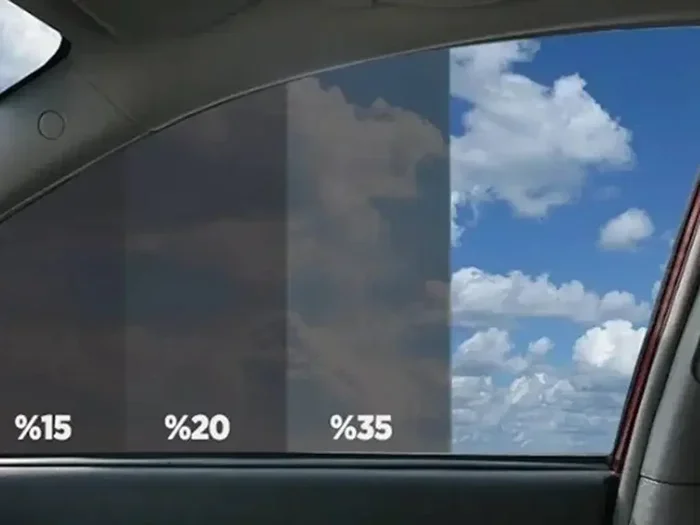
The window tint percentage refers to how much light the film allows to pass through your glass. This number is officially called Visible Light Transmission, or VLT. A higher VLT means more light comes through, while a lower VLT means the tint is darker. For example, a 70 percent tint lets in 70 percent of visible light and looks nearly clear. A 5 percent tint, on the other hand, is very dark and barely lets any light through.
Understanding this number is essential because it directly affects comfort, privacy, and energy use in your home. Picking the wrong tint percentage can leave you with too much glare or a room that feels like a cave. Getting it right means balancing style, function, and local rules all at once.
How Tint Percentage Is Measured
Every window film comes with a VLT rating printed on the package or spec sheet. This rating is measured as a percentage. The scale runs from 1 percent to 99 percent. Most residential homeowners choose something in the middle range, between 15 and 50 percent, depending on the room and the goal.
Here is a quick breakdown of common VLT ranges and what they mean:
- 90-100% VLT: Nearly clear film. Great for UV protection without changing the look of your windows.
- 50-70% VLT: Light tint. Reduces glare slightly while keeping rooms bright and airy.
- 30-50% VLT: Medium tint. Offers solid heat rejection and a nice level of privacy.
- 15-30% VLT: Dark tint. Provides strong privacy and significant heat reduction.
- 5-15% VLT: Very dark tint. Maximum privacy and heat rejection, but limits natural light.
- 1-5% VLT: Limo dark. Rarely used in homes. Mostly for specialty or decorative purposes.
Why Getting the Right Percentage Is So Important
The right tint percentage affects more than just how your windows look. It changes how much heat enters your home, how much glare you deal with on sunny days, and how much UV radiation reaches your floors and furniture. A well-chosen window tint percentage can lower indoor temperatures, reduce fading on carpets and curtains, and even cut your monthly energy bill.
On the flip side, picking a tint that is too dark for the wrong room can make spaces feel cramped and dim. Too light, and you may not get the heat rejection or privacy you were hoping for. This is why taking the time to understand your options pays off in the long run.
Understanding Visible Light Transmission and Heat Rejection
Visible Light Transmission and heat rejection go hand in hand when you are choosing window film. VLT tells you how much visible light passes through, while heat rejection measures how much solar energy the film blocks. These two factors work together to determine how comfortable your home feels during hot months.
Here is the key thing many people do not realize. A darker tint does not always mean better heat rejection. The technology inside the film matters just as much as the darkness level. Advanced films like ceramic and carbon can block a huge amount of heat even at higher VLT percentages. This means you can enjoy a clear view and plenty of natural light while still keeping your rooms cool.
Solar Heat Gain Coefficient Explained
You will often see another number on window film spec sheets called the Solar Heat Gain Coefficient, or SHGC. This number tells you how much total solar radiation passes through the window. It includes visible light, infrared heat, and ultraviolet rays. The lower the SHGC, the better the film blocks heat from entering your home.
When comparing films, look at both VLT and SHGC together. A film with a moderate VLT and a low SHGC gives you the best of both worlds. You get natural light, good visibility, and serious heat reduction. This combination is ideal for south-facing windows that get the most direct sun exposure.
Infrared Rejection Rates
Infrared rays are the invisible heat waves that make your home feel hot on a sunny day. Good window film blocks a large portion of these rays before they enter your living space. Infrared rejection rates are usually listed as a percentage on the film packaging. Look for films that block at least 80 percent of infrared energy for meaningful cooling benefits.
Some premium films boast infrared rejection rates above 90 percent. These high-performance options are worth considering if you live in a hot climate or if your home gets hours of direct sunlight every day. The right infrared rejection can make a real difference in your indoor comfort.
Different Types of Window Tint Films
Not all window tint films are created equal. The type of film you choose affects performance, appearance, durability, and price. Understanding the main categories helps you narrow down your options and find the best fit for your home.
Dyed Window Film
Dyed film is the most affordable option on the market. It uses layers of dye to absorb solar heat and reduce glare. Dyed tints are available in a range of tint darkness levels and work well for basic privacy and heat reduction. However, dyed films tend to fade over time and may bubble or peel after several years of sun exposure.
If you are on a tight budget and want a quick, simple solution, dyed film gets the job done. Just know that it may need replacement sooner than more advanced options.
Metalized Window Film
Metalized film contains tiny metallic particles that reflect heat away from your windows. This type of film is durable and provides excellent heat rejection. It also strengthens the glass, making windows more resistant to cracking or shattering. The downside is that metalized film can interfere with cell phone signals, Wi-Fi, and GPS signals inside your home.
Metalized films also tend to have a shiny, reflective look. Some homeowners love this modern appearance, while others prefer a more natural, non-reflective finish. Consider your style preferences when choosing this type of window film.
Carbon Window Film
Carbon film offers a matte, non-reflective finish that many homeowners find attractive. It blocks a high percentage of infrared heat and provides excellent fade protection for your furniture and flooring. Carbon films do not contain metal, so they will not interfere with electronic signals in your home.
This type of film sits in the mid-to-high price range but offers a great balance of performance and aesthetics. If you want a clean, modern look with strong heat rejection, carbon film is a top contender.
Ceramic Window Film
Ceramic film is the premium option in the world of residential window tinting. It uses nano-ceramic particles to block heat, UV rays, and glare without reducing visibility or changing the color of your windows. Ceramic films offer the highest heat rejection rates available and do not interfere with electronics.
The trade-off is price. Ceramic window film costs more than other types, but it also lasts longer and performs better. For homeowners who want the absolute best in comfort, energy savings, and clarity, ceramic film is worth the investment.
Decorative and Frosted Window Film
Not every window tint needs to focus on heat rejection. Decorative and frosted films are designed primarily for privacy and aesthetics. They come in patterns, textures, and frosted finishes that obscure the view while still allowing light to pass through. These films are popular for bathrooms, glass doors, and home offices where privacy matters most.
Decorative films are easy to install and replace. They are also much more affordable than performance-oriented tints. If your priority is style and privacy rather than heat control, a decorative film might be exactly what you need.
How to Pick the Right Tint Percentage by Room
Every room in your home has different needs when it comes to light, heat, and privacy. Choosing the right window tint percentage for each space ensures you get the best results without compromising comfort. Here is a room-by-room guide to help you decide.
Living Room and Family Room
The living room is usually the room with the most windows and the most sun exposure. A medium tint between 30 and 50 percent VLT works well here. It reduces glare on your TV or projector screen, blocks harmful UV rays, and keeps the room cool during peak afternoon sun. You still get plenty of natural light, which keeps the space feeling warm and inviting.
If your living room faces west and gets harsh evening sun, consider a slightly darker tint around 20 to 30 percent. Pair it with a ceramic or carbon film for maximum heat rejection and fade protection on your furniture and rugs.
Bedroom
Bedrooms benefit from darker tints that promote better sleep and deeper privacy. A tint between 15 and 30 percent VLT is ideal for most bedrooms. It blocks early morning light, keeps the room cooler at night, and prevents neighbors from looking in. If you work night shifts or sleep during the day, a darker tint can make a big difference in your rest quality.
For extra privacy, consider combining a medium-dark tint with a one-way mirror film. This setup allows you to see out while preventing people outside from seeing in during daylight hours.
Kitchen
Kitchens often have smaller windows but still deal with significant sun exposure, especially if they face south or west. A lighter tint between 50 and 70 percent VLT keeps the kitchen bright and cheerful while reducing glare on countertops and screens. You do not want a dark tint in a kitchen because it can make the space feel small and closed off.
Focus on UV protection and glare reduction rather than darkness. A high-quality clear or near-clear film with strong UV protection works beautifully in this space.
Bathroom and Glass Doors
Bathrooms and glass doors are all about privacy. Frosted films or decorative patterns in the 10 to 30 percent VLT range provide excellent obscuration while still letting in light. You can also use frosted window decals or textured films for a stylish look that serves a functional purpose.
For glass doors leading to patios or bathrooms, consider security film. This type of film holds the glass together if it breaks, adding an extra layer of safety for your family. It also provides privacy and can be combined with any tint darkness you prefer.
Home Office and Study
If you work from home, your office needs a tint that reduces screen glare without making the room too dark. A tint between 40 and 50 percent VLT strikes the right balance. It cuts down on distracting reflections on your monitor while keeping the space bright enough to stay productive and focused.
Look for films with high glare reduction ratings. Anti-glare coatings on quality films make a noticeable difference in screen clarity and eye comfort throughout the workday.
Legal Limits and Local Regulations for Residential Tint
Before you buy and install any window film, it is important to know the rules in your area. While residential window tint laws are generally more relaxed than automotive tint laws, there are still regulations you need to follow.
Common Residential Tint Laws
Most states allow homeowners to tint their windows to any darkness they want. However, some areas have restrictions, especially for front-facing windows. In certain states, front side windows must allow at least 70 percent VLT. Other states have no restrictions at all for residential properties.
Local municipalities and homeowner associations may also have their own rules. Before you install tint, check with your city or county building office and review your HOA guidelines. Fines for non-compliant tint can be costly, and you may be required to remove the film entirely.
How to Check Your Local Rules
The easiest way to find your local tint laws is to search online for your state or city building codes. Many government websites list the legal VLT limits for residential windows. You can also ask your window tint installation professional. A reputable installer will know the local regulations and help you choose a compliant film.
Keep in mind that laws can change, so always verify current regulations before purchasing your film. When in doubt, go with a lighter tint percentage. A lighter film is less likely to violate any codes and still delivers strong performance in heat rejection and UV protection.
Benefits of Choosing the Right Window Tint Percentage
Once you find the perfect tint level for your home, the benefits are hard to ignore. The right window tint percentage delivers real, measurable results across several areas of your daily life.
Energy Savings and Cooling Efficiency
Quality window film can block up to 80 percent of solar heat from entering your home. This means your air conditioning system does not have to work as hard to keep your rooms cool. Over time, this translates to lower energy bills and a smaller carbon footprint.
Many homeowners report a 20 to 30 percent reduction in cooling costs after installing window tint. The savings add up year after year, making tinting one of the most cost-effective home improvements you can invest in.
UV Protection for Your Home and Health
Ultraviolet rays fade furniture, carpets, artwork, and wooden floors over time. They can also cause skin damage and increase your risk of skin cancer. A good window film blocks up to 99 percent of UV rays, protecting both your belongings and your family’s health.
This is especially important in rooms with large windows or south- and west-facing exposure. The sun’s UV rays are strongest during afternoon hours, and without proper protection, your interior furnishings can deteriorate quickly.
Improved Privacy and Security
The right tint level gives you privacy without sacrificing natural light. You can enjoy your view while keeping prying eyes out. This is especially valuable for ground-floor windows, homes on busy streets, and rooms with large glass panels.
Some window films also add an extra layer of security. They hold shattered glass together in the event of breakage, reducing the risk of injury from flying glass shards. This makes window tint a smart safety upgrade for any home.
Enhanced Comfort and Reduced Glare
Glare from sunlight can make it hard to watch TV, work on a computer, or simply relax by the window. The right tint significantly reduces glare, making your living spaces more comfortable and enjoyable throughout the day.
By controlling the amount of light and heat that enters your home, window tint helps maintain a more consistent indoor temperature. No more hot spots near windows or cold drafts from overactive air conditioning.
Professional Installation vs. DIY Window Tinting
Once you have chosen your window tint percentage, the next decision is whether to hire a professional or tackle the project yourself. Both options have advantages and drawbacks, and the right choice depends on your budget, skill level, and the number of windows you plan to tint.
When to Hire a Professional
Professional installers have the experience, tools, and environment to apply window film cleanly and bubble-free. They work in controlled conditions and know how to handle large windows, curved glass, and tricky installations. If you are tinting large picture windows, skylights, or multiple rooms, hiring a pro saves time and reduces the risk of mistakes.
Professional installation typically costs between $5 and $15 per square foot, depending on the film type and your location. While this adds to the upfront cost, it ensures a polished, long-lasting result that maximizes the performance of your chosen film.
When to Go the DIY Route
DIY window tinting kits are widely available and much more affordable than professional installation. A basic kit for a standard-sized window can cost as little as $10 to $30. If you are handy, patient, and willing to follow instructions carefully, DIY installation can produce great results.
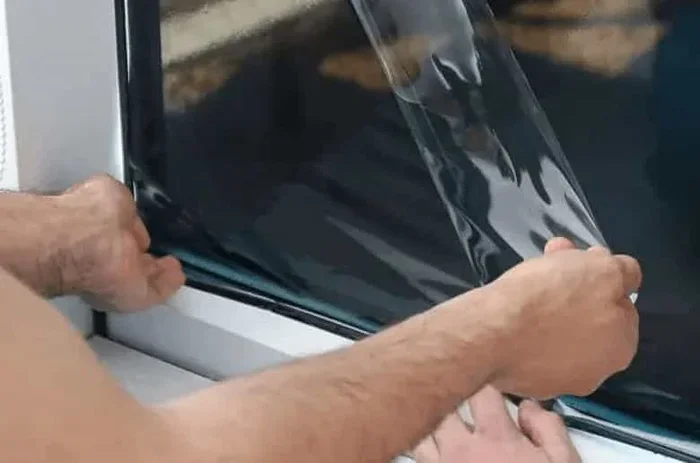
The key to a successful DIY install is preparation. Clean the glass thoroughly, work in a dust-free environment, and use a squeegee to remove air bubbles as you apply the film. Take your time, and do not rush the process. A messy install can lead to peeling, bubbling, and an uneven appearance that ruins the look of your film.
Quick Tips for a Flawless Install
- Use a soapy water solution to position the film before squeezing out the liquid.
- Work on a cool, cloudy day to avoid the film drying too quickly.
- Use a hair dryer or heat gun to conform the film to curved or angled glass.
- Trim excess film with a sharp utility knife for clean edges.
- Let the film cure for at least 48 hours before touching or cleaning the windows.
Common Mistakes to Avoid When Choosing Window Tint
Even with the best intentions, many homeowners make avoidable mistakes when selecting and installing window tint. Knowing what to watch out for helps you get the best results the first time around.
One of the biggest mistakes is choosing a tint based solely on appearance without considering performance. A dark film does not necessarily block more heat than a lighter film with advanced ceramic or carbon technology. Always check the heat rejection and UV blocking ratings before making a decision.
Another common error is ignoring local regulations. Installing a tint that is too dark for your area can result in fines and mandatory removal. Always verify your local rules first.
Skipping quality is a mistake that costs more in the long run. Cheap films fade, bubble, and peel within a year or two. Investing in a higher-quality film from a reputable brand pays off through better performance and longer lifespan.
Neglecting window preparation during DIY installs leads to air bubbles, dust trapped under the film, and an unprofessional appearance. Take the time to clean and prep each window thoroughly before applying the film.
Finally, some homeowners tint every window to the same darkness without considering how each room is actually used. A one-size-fits-all approach rarely delivers the best results. Customize your tint percentage for each space based on its unique needs and sun exposure.
Conclusion
Choosing the right window tint percentage is a decision that impacts your home comfort, energy bills, privacy, and style for years to come. By understanding VLT ratings, comparing film types, and matching tint levels to each room, you can make a choice that delivers real value every single day.
Take the time to research your options, check local regulations, and invest in quality film and proper installation. Whether you go with a light, nearly clear film for UV protection or a darker tint for maximum heat rejection and privacy, the right choice makes your home a better place to live. Start with the room that bothers you the most and build from there. Your windows are an investment, and the right tint percentage protects that investment for the long haul.
Frequently Asked Questions
What is the best window tint percentage for a home?
There is no single best percentage because it depends on the room and your goals. For living rooms and kitchens, a 40 to 50 percent VLT works well. For bedrooms and home offices, 15 to 30 percent offers better privacy and heat control. Start by identifying what you need most and choose accordingly.
Does a darker tint percentage block more heat?
Not always. The technology inside the film matters as much as the darkness level. Ceramic and carbon films can block significant heat even at higher VLT percentages. Always check the heat rejection rating rather than relying on tint darkness alone.
Is residential window tinting legal everywhere?
Most states allow residential window tinting with few restrictions, but some have rules about front window VLT levels. Local municipalities and HOAs may also have guidelines. Always check your local building codes before purchasing and installing window film.
How long does window tint last on home windows?
High-quality films can last 10 to 20 years with proper care. Dyed films tend to fade or bubble after 3 to 5 years. Ceramic and carbon films hold up much longer and maintain their appearance and performance over time.
Can I tint my windows myself or should I hire a professional?
Both options work well depending on your experience and budget. DIY kits are affordable and suitable for small jobs. Professional installation is recommended for large windows, multiple rooms, or curved glass. A pro ensures a bubble-free, long-lasting finish.
Does window tint help reduce fading on furniture and floors?
Yes, it does. Quality window film blocks up to 99 percent of UV rays, which are the primary cause of fading in fabrics, wood floors, and furniture. Pairing UV-blocking film with a good tint percentage gives your interiors long-lasting protection.