Why Cant I Release My Parking Brake Try These Fixes
A stuck parking brake is one of the most common car problems drivers face, and it can happen for several reasons, from rusted cables to a broken release mechanism. In this guide, you will learn the main causes behind a parking brake that refuses to let go, along with step-by-step fixes you can try at home. We will also cover when it is time to visit a mechanic and how to prevent this frustrating issue from happening again.
Key Takeaways
- Rusted or corroded brake cables are the most common reason a parking brake gets stuck and will not release.
- A broken or stretched parking brake cable can prevent the system from engaging or disengaging properly.
- Frozen calipers or seized brake components can lock up the rear brakes and hold the parking brake in place.
- Low brake fluid or a faulty sensor can trigger warning lights and make the parking brake seem stuck even when it is not fully engaged.
- Regular maintenance and inspection of your brake system can prevent most parking brake problems before they start.
- Trying to force the release can cause serious damage, so always diagnose the issue first before attempting repairs.
- Simple fixes like cable lubrication and adjustment can often solve the problem without a trip to the shop.
📑 Table of Contents
Why Cant I Release My Parking Brake
You hop in the car, press the parking brake release button, and nothing happens. The lever stays put. The pedal wont budge. You feel a knot in your stomach because you need to drive somewhere right now. This situation happens more often than most people think, and it can strike any car owner at the worst possible moment.
The good news is that a parking brake that will not release is usually fixable. You do not need to be a professional mechanic to handle most of the common causes. In this article, we will walk you through every reason your parking brake might be stuck and show you exactly how to fix it. We will also tell you when the problem is serious enough to call a pro.
Whether you drive a sedan, SUV, or truck, the parking brake system works the same basic way. A cable connects the release lever or pedal to the rear brakes. When you pull the lever or press the pedal, the cable tightens and holds the car in place. When you release it, the cable loosens and the brakes let go. Simple, right? But several things can go wrong inside that system.
Let us dive into the most common reasons your parking brake will not release and what you can do about each one.
Common Reasons Your Parking Brake Wont Release
Rusted or Corroded Brake Cables
The number one culprit behind a stuck parking brake is rust. Brake cables sit underneath your car, exposed to road salt, water, dirt, and grime. Over time, this exposure causes the cable to corrode. The rust builds up inside the cable housing, making the cable stiff or completely seized.
When the cable rusts, it cannot slide freely through the housing. So even when you press the release button or push the lever down, the cable stays tight. The rear brakes remain engaged, and your car stays put. This is especially common in cold climates where road salt is used frequently during winter months.
If you suspect rust is the problem, look under your car near the rear wheels. You might see visible rust on the cable or around the anchor points. Sometimes the cable housing itself has small holes where water gets in and causes internal corrosion. A little rust does not always mean the cable needs replacement, though. Often, lubrication can bring a stuck cable back to life.
Stretched or Damaged Parking Brake Cable
Over time, the parking brake cable can stretch out. This happens naturally through regular use. Every time you engage and release the brake, the cable moves a little bit. Eventually, the cable wears thin and loses its tension. A stretched cable might not have enough force to fully disengage the brakes, leaving them partially engaged even when you think you have released the parking brake.
In worse cases, the cable can actually break. This usually happens when the cable is already corroded or frayed. A broken cable means the parking brake has no connection to the rear brakes at all. You might notice the brake lever feels loose or goes all the way down with no resistance. If the cable has snapped, you will need to replace it. This is not a difficult fix for most cars, but it does require getting under the vehicle.
Seized or Frozen Brake Calipers
The parking brake often works through the rear brake calipers. On many vehicles, pulling the parking brake lever pushes a piston inside the caliper, which presses the brake pads against the rotor. When you release the parking brake, the piston should retract, and the pads pull away from the rotor.
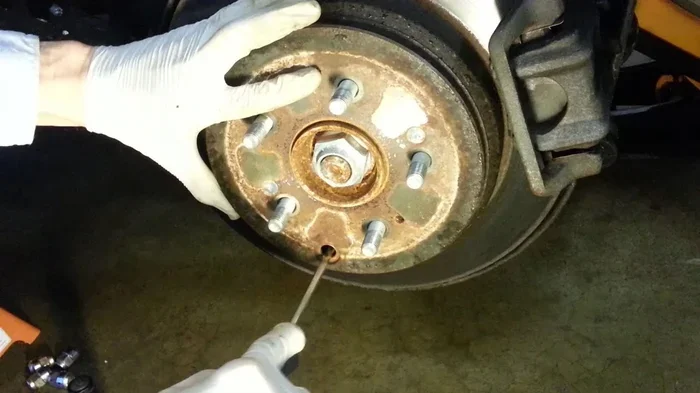
But sometimes the caliper seizes up. This can happen from rust, lack of use, or worn caliper slides. When the caliper is frozen, the brake pads stay pressed against the rotor no matter what you do with the parking brake lever. Your wheels stay locked, and the car will not roll. This is a more serious issue than a simple cable problem, and it often requires more hands-on work to fix.
If you have been driving with the parking brake partially engaged for a long time, you can also overheat the rear brakes. This causes the brake pads to glaze over and the calipers to bind. Driving with a partially engaged parking brake is one of the fastest ways to damage your rear brake components.
Broken or Stuck Release Lever or Pedal
Sometimes the problem is not in the cable or the calipers but in the release mechanism itself. The lever or pedal that you use to engage and release the parking brake can break or get stuck. This happens less often, but it does occur, especially in older vehicles or cars that have been in accidents.
A broken release lever might snap off entirely, or the linkage that connects the lever to the cable can become bent or jammed. If you push the pedal or pull the lever and hear a clicking sound but nothing else happens, the internal mechanism might be damaged. In this case, the parking brake system is working fine, but the connection between you and the system has failed.
Low Brake Fluid or Faulty Sensor
Your car has a parking brake warning light on the dashboard. This light comes on when the parking brake is engaged or when the system detects a problem. But sometimes the light stays on even after you release the parking brake. This can mean the sensor is faulty, or it could mean the brake fluid level is low.
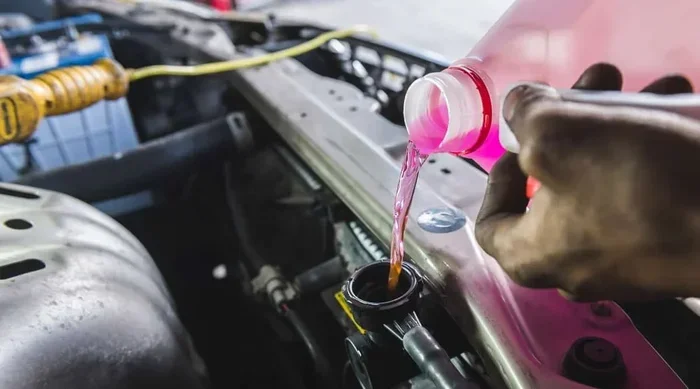
Brake fluid plays a big role in your entire brake system, including the parking brake. If the fluid is low, the system may not build enough pressure to fully release the rear brakes. You can check your brake fluid reservoir under the hood. If the level is below the minimum line, top it off with the correct type of fluid for your vehicle. If the light still stays on after refilling, the sensor itself might need replacement.
Parking Brake Cable Adjustment Issues
The parking brake cable needs to be adjusted properly to work correctly. If the cable is too loose, the parking brake will not hold the car. If it is too tight, the brakes will not release fully. Over time, cables stretch and lose their proper adjustment. This is a common issue that many drivers overlook.
Most vehicles have an adjustment point somewhere along the cable, often near the center of the car or at the lever itself. Adjusting the cable tension can often fix a parking brake that feels stuck or will not release all the way. We will cover how to do this in the fixes section below.
How to Diagnose the Problem
Before you start fixing anything, you need to figure out what is causing the issue. Here is a simple diagnostic process you can follow.
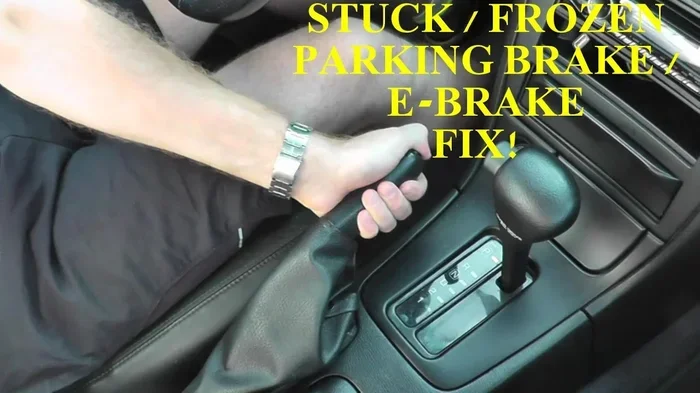
First, check the parking brake lever or pedal. Does it move freely, or does it feel stiff? A stiff lever usually points to a cable problem. A lever that feels normal but will not release points more toward a caliper or brake component issue.
Second, look under the car. Check the cable for visible damage, rust, or stretching. Follow the cable from the lever to the rear brakes. If you see a lot of rust or the cable looks frayed, that is likely your answer.
Third, check the brake fluid level. Low fluid can cause all kinds of brake problems, including a parking brake that will not release. Top off the fluid and see if that solves the problem.
Fourth, try rocking the car gently back and forth while attempting to release the parking brake. Sometimes a seized caliper will loosen up with a little movement. If the car rolls after rocking, the caliper was just temporarily stuck.
Fifth, check your dashboard warning lights. If the parking brake light stays on after you release the brake, the sensor might be the issue. This is an easy fix in most cases, but you should still address it promptly.
For more on how to handle warning lights and other car issues, check out our guide on Can I Clear The Check Engine Light Myself for tips on diagnosing dashboard warnings.
Step-by-Step Fixes for a Stuck Parking Brake
Fix 1: Lubricate the Brake Cable
This is the easiest and most common fix for a parking brake that will not release. You will need a can of cable lubricant or white lithium grease, and a pair of pliers or a wrench.
Here is how to do it:
- Locate the parking brake cable under your car. It runs from the release lever or pedal down to the rear brakes.
- Find the adjustment point on the cable. This is usually a bolt or nut where the cable passes through a bracket.
- Spray the lubricant directly onto the cable at the adjustment point.
- Work the parking brake lever up and down several times to work the lubricant into the cable housing.
- Let it sit for a few minutes, then try releasing the parking brake again.
Repeat this process if needed. Sometimes it takes a few applications to free up a heavily corroded cable. If the cable moves freely after lubrication but the parking brake still will not release, the problem is likely deeper in the system.
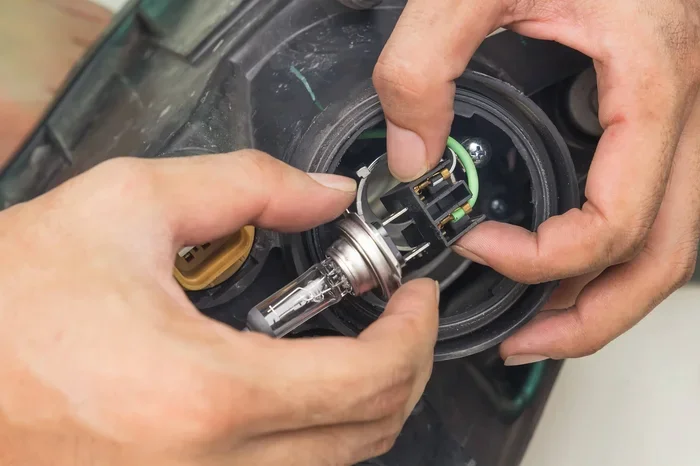
For more DIY car maintenance tips, check out our article on Can I Replace A Headlight By Myself for guidance on handling common under-car repairs safely.
Fix 2: Adjust the Parking Brake Cable
If lubrication does not work, the cable might just need adjustment. A loose or misadjusted cable is one of the most overlooked causes of a stuck parking brake.
Here is how to adjust it:
- Find the cable adjustment nut. On most cars, this is located under the car near the rear axle or at the lever inside the cabin.
- Loosen the lock nut on the adjustment bolt.
- Turn the adjustment bolt to tighten the cable slightly. You want just enough tension so the parking brake holds the car on a slight incline.
- Release the parking brake fully and check that the rear wheels spin freely.
- Tighten the lock nut once the adjustment is correct.
Be careful not to overtighten the cable. An overly tight cable will cause the brakes to drag, which wears out your brake pads and reduces fuel efficiency. If you are not sure about the proper tension, consult your vehicle owner manual for the recommended settings.
Fix 3: Replace the Parking Brake Cable
If the cable is broken, frayed, or severely rusted, lubrication and adjustment will not help. You need to replace the cable entirely. This is a moderately easy repair that most car owners can do at home with basic tools.
Here is what you need to do:
- Purchase the correct replacement cable for your vehicle. You can find the part number in your owner manual or by searching online with your vehicle make, model, and year.
- Lift the car securely on jack stands. Never work under a car supported only by a jack.
- Disconnect the cable from the lever or pedal inside the cabin.
- Disconnect the cable from the rear brake caliper or lever.
- Remove the old cable from its housing and route the new cable the same way.
- Connect the new cable at both ends and adjust the tension.
Replacing a parking brake cable usually takes about 30 to 60 minutes. It is a satisfying DIY job that saves you a trip to the mechanic and a decent amount of money.
Fix 4: Free Up a Seized Caliper
If the caliper is seized, you will need to do more than just adjust the cable. A seized caliper requires cleaning or replacing the caliper components.
Here is how to free up a stuck caliper:
- Remove the wheel to access the caliper.
- Inspect the caliper slides and pins. These are what allow the caliper to float and move freely.
- Clean the slides and pins with brake cleaner spray.
- Apply high-temperature brake grease to the slides and pins.
- Check the caliper piston. If it is stuck, you may need to carefully push it back into the caliper bore using a C-clamp.
- Reassemble and test the parking brake release.
If the caliper piston is damaged or the caliper body is cracked, you will need to replace the entire caliper. This is a more expensive repair, but it is essential for safe driving. A seized caliper can cause uneven brake pad wear, reduced braking power, and overheating.
Fix 5: Replace the Parking Brake Sensor
If your dashboard warning light stays on even though the parking brake is fully released, the sensor is likely faulty. The sensor is a small switch located near the parking brake mechanism. It tells your car whether the brake is engaged or not.
Replacing the sensor is usually straightforward:
- Locate the sensor near the parking brake lever or pedal.
- Disconnect the electrical connector.
- Remove the old sensor by unscrewing it or unclipping it.
- Install the new sensor and reconnect the electrical connector.
- Test the parking brake light to make sure it turns off when the brake is released.
Sensor replacements are inexpensive and often solve the problem in just a few minutes. If you are unsure about locating the sensor, your owner manual will have a diagram of the parking brake system and sensor location.
When to See a Mechanic
Not every parking brake problem should be handled at home. Some situations require professional help. Here are the signs that it is time to visit a mechanic:
- The parking brake cable is completely broken and you cannot replace it yourself.
- The rear calipers are seized and you do not have the tools or experience to repair them.
- The brake fluid is leaking, which indicates a deeper problem in the brake system.
- The parking brake warning light stays on even after you have tried all the fixes above.
- You notice a burning smell or smoke coming from the rear wheels after driving.
- The car pulls to one side when you release the parking brake, indicating a caliper or brake issue.
Your brake system is one of the most important safety features on your car. If you are ever unsure about a repair, it is always better to seek professional help. A mechanic can diagnose the problem quickly and make sure everything is working safely.
While you are at the shop, it is also a good idea to have them check your overall brake health. Regular brake inspections can catch problems early before they become expensive repairs. If you are dealing with brake fluid or other fluid-related issues, you might also want to check our guide on Can I Add Oil To My Car If It S Low for tips on handling your vehicles fluid systems.
How to Prevent Parking Brake Problems
The best way to deal with a stuck parking brake is to prevent the problem from happening in the first place. Here are some simple habits that will keep your parking brake system working smoothly for years:
- Use your parking brake regularly. This might sound counterintuitive, but not using the parking brake allows the cable to rust and seize up. Engage and release it at least once a week to keep the cable moving freely.
- Keep your car clean, especially the undercarriage. Road salt and grime are the biggest enemies of your brake cables. Wash your car regularly, paying special attention to the underside during winter months.
- Do not drive with the parking brake partially engaged. This causes the rear brakes to drag, which leads to overheating, premature pad wear, and caliper damage.
- Check your brake fluid regularly. Low brake fluid can affect the entire brake system, including the parking brake. Make it a habit to check the fluid level at least once a month.
- Have your brake system inspected annually. A professional inspection can catch cable wear, caliper issues, and sensor problems before they turn into major repairs.
- Lubricate the parking brake cable once a year. A little preventive maintenance goes a long way. Spray the cable with lubricant every 12 months to prevent corrosion and keep the system operating smoothly.
These small efforts add up to a lot of saved time, money, and frustration. A well-maintained parking brake system is reliable and will serve you well for the life of the vehicle.
Quick Tips for Emergency Situations
Sometimes you are in a hurry and the parking brake just will not release. Here are a few quick tips to get you moving in an emergency:
- Try rocking the car gently. Shift between drive and reverse while applying light pressure to the gas pedal. The movement can sometimes free up a seized caliper or cable.
- Pump the brake pedal a few times. This can build up enough hydraulic pressure to help release the parking brake mechanism.
- Check if the release button is fully depressed. Sometimes the button does not click all the way in, leaving the parking brake partially engaged.
- Drive slowly and carefully to the nearest safe location. If the parking brake is only partially engaged, you might be able to drive a short distance. But be careful, as driving with a partially engaged parking brake can damage your brakes quickly.
Remember, these are temporary solutions only. You should always properly diagnose and fix the root cause of a stuck parking brake before relying on it again. For more information on car maintenance and troubleshooting, visit our page on Can I Drive My Car With Too Much Oil In It to learn about other common car problems and how to handle them.
Final Thoughts
A parking brake that will not release can be scary, but it is almost always fixable. The most common causes are rusted cables, stretched cables, seized calipers, and faulty sensors. Most of these problems can be diagnosed and repaired at home with basic tools and a little patience.
Start with the simplest fixes, like lubrication and cable adjustment, before moving on to more complex repairs. If the problem persists or you are not comfortable working on your brakes, do not hesitate to visit a qualified mechanic. Your safety and the safety of others on the road always come first.
Taking care of your parking brake system is an important part of vehicle ownership. Regular maintenance, proper use, and prompt attention to warning signs will keep your car running safely and reliably for years to come. Now you know exactly what to do when that parking brake refuses to release. Go out there and fix it with confidence.
Frequently Asked Questions
Why does my parking brake feel stuck even after I release it?
This usually happens because the brake cable has rusted, stretched, or become misadjusted. Corrosion inside the cable housing prevents the cable from sliding freely, keeping the rear brakes engaged even when you release the parking brake. Lubricating or adjusting the cable often solves this problem quickly.
Can I drive my car with the parking brake partially engaged?
You should not drive with a partially engaged parking brake. Doing so causes the rear brake pads to drag against the rotors, leading to overheating, premature wear, and potential brake damage. If you must move the car a short distance, do so slowly and carefully, but get the parking brake fully released as soon as possible.
How much does it cost to fix a stuck parking brake?
The cost depends on the cause. Lubricating or adjusting the cable is inexpensive and can be done at home for just a few dollars. Replacing a parking brake cable typically costs between $50 and $150 for parts and labor. Caliper replacement can range from $200 to $500 or more, depending on the vehicle and the extent of the damage.
What causes a parking brake cable to rust?
Brake cables rust from exposure to moisture, road salt, dirt, and grime. Cars driven in coastal areas or cold climates where road salt is used are especially prone to cable corrosion. Lack of regular use also contributes to rust, since the cable does not move enough to stay lubricated and free of moisture buildup.
Can a low brake fluid level cause the parking brake to stick?
Yes, low brake fluid can affect the entire brake system, including the parking brake. The parking brake relies on hydraulic pressure in some vehicles to fully release the rear brakes. If the fluid level is low, the system may not generate enough pressure to disengage the brakes completely. Always check your brake fluid level if your parking brake is acting up.
How often should I have my parking brake inspected?
It is a good idea to have your parking brake system inspected at least once a year as part of your regular vehicle maintenance. If you live in a cold climate or near the coast, consider having it checked twice a year. Regular inspections help catch cable wear, caliper issues, and sensor problems before they turn into bigger and more expensive repairs.