How Often Should Engine Coolant Be Replaced Regularly
Engine coolant should typically be replaced every 30,000 to 60,000 miles or every 2 to 5 years, depending on your vehicle and coolant type. Regular coolant replacement prevents overheating, corrosion, and costly engine damage. This guide covers everything you need to know about your coolant replacement schedule and keeping your cooling system in top shape.
Your car’s engine generates a tremendous amount of heat while running. Without a proper cooling system, your engine would overheat within minutes. Engine coolant plays a vital role in keeping temperatures under control. But here is the question many drivers overlook: how often should engine coolant be replaced?
The answer is not as simple as a single number. Your coolant replacement schedule depends on several factors, including the type of coolant you use, your driving habits, and your vehicle’s make and model. In this guide, we will walk you through everything you need to know. We will cover replacement intervals, signs your coolant needs changing, and tips to keep your cooling system running smoothly.
Coolant is often called antifreeze because it prevents your engine from freezing in cold weather and boiling over in hot weather. But over time, coolant breaks down. It loses its ability to protect your engine. This is why regular replacement is so important. Skipping this simple maintenance task can lead to engine overheating, corrosion, and even complete engine failure.
Key Takeaways
- Standard Replacement Interval: Most vehicles need coolant changes every 30,000 to 60,000 miles or every 2 to 5 years.
- Coolant Type Matters: Traditional green coolant needs more frequent changes than extended-life OAT and HOAT coolants.
- Ignoring Coolant Changes Risks Overheating: Old coolant loses its ability to regulate engine temperature and can cause serious damage.
- Check Your Owner Manual: Always follow your manufacturer’s specific recommendations for the best results.
- Watch for Warning Signs: Discolored coolant, overheating, and leaks are clear signals it is time for a change.
- Regular Maintenance Saves Money: Staying on top of your coolant replacement schedule prevents expensive repairs down the road.
📑 Table of Contents
- What Is Engine Coolant and Why Does It Matter?
- How Often Should Engine Coolant Be Replaced?
- Signs Your Coolant Needs Replacement
- What Happens If You Never Replace Coolant?
- How to Check and Maintain Your Coolant
- Can You Extend the Coolant Replacement Interval?
- Common Mistakes Drivers Make with Coolant
- How Does Coolant Compare to Other Fluids?
- When to Seek Professional Help
- Final Thoughts on Coolant Replacement
What Is Engine Coolant and Why Does It Matter?
Before we dive into replacement schedules, let us understand what coolant does. Engine coolant is a mixture of water and ethylene glycol or propylene glycol. This mixture flows through your engine block and radiator. It absorbs heat and carries it away from critical engine components.
But coolant does more than just regulate temperature. It also prevents corrosion inside the cooling system. It lubricates the water pump. It helps prevent scale buildup in the radiator and hoses. When coolant degrades, it loses all of these protective properties.
Most drivers think coolant is a “set it and forget it” fluid. That is a dangerous misconception. Old coolant becomes acidic. It loses its ability to prevent rust and scale. It can turn into a thick, sludgy mess that clogs passages. This is exactly why understanding your coolant replacement schedule matters so much.
The Role of Coolant in Your Vehicle
Your cooling system works hard. Here is what coolant does behind the scenes every time you drive:
- Absorbs heat from the engine block
- Transfers heat to the radiator for dissipation
- Prevents freezing in cold climates
- Prevents boiling in hot conditions
- Protects metal and rubber components from corrosion
- Lubricates the water pump bearing
When any of these functions decline, your engine suffers. That is why replacing coolant on time is not optional. It is essential maintenance.
How Often Should Engine Coolant Be Replaced?
The general rule of thumb is every 30,000 miles or every 2 to 5 years. However, this varies widely depending on your vehicle and the type of coolant you use. Let us break this down further.
Traditional Coolant (Inorganic Acid Technology)
Traditional coolant, often green in color, is the oldest type. It typically needs replacement every 24,000 to 36,000 miles or every 2 years. This type uses inorganic additives that provide good protection but deplete faster. If your older vehicle uses green coolant, stick to a strict replacement schedule.
Extended-Life Coolant (OAT and HOAT)
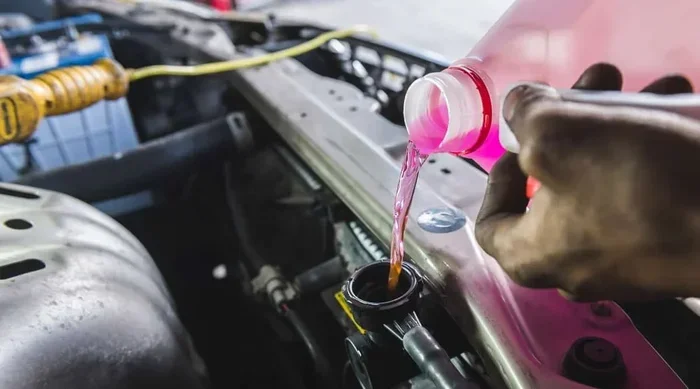
Many modern vehicles use organic acid technology (OAT) or hybrid organic acid technology (HOAT) coolants. These come in bright colors like orange, pink, red, or purple. Extended-life coolants can last up to 60,000 to 150,000 miles or 5 years in some cases. Some manufacturers even claim up to 10 years for certain formulations.
But do not assume your coolant lasts forever. Even extended-life coolants degrade over time. Driving conditions, temperature extremes, and stop-and-go traffic can all shorten the effective lifespan. Always check your owner manual for the specific coolant replacement schedule recommended for your vehicle.
Manufacturer-Specific Recommendations
Every vehicle manufacturer has its own guidelines. Here are some common examples:
- Toyota: Coolant replacement every 100,000 miles or 10 years for newer models
- Honda: Every 60,000 miles or 5 years for standard coolant
- Ford: Every 150,000 miles or 5 years for Motorcraft coolant
- Chevrolet: Every 150,000 miles or 5 years for Dexcool
- BMW: Every 30,000 miles or 2 years for most models
These numbers are guidelines, not absolute rules. Your actual needs may differ based on driving conditions. If you frequently tow heavy loads or drive in extreme heat, you may need to change your coolant more often.
Signs Your Coolant Needs Replacement
You should not wait for a problem to check your coolant. But knowing the warning signs helps you catch issues early. Here are the most common signals that it is time to replace your coolant.
1. Discolored Coolant
Healthy coolant should be bright and clear. If you open your coolant reservoir and see brown, rusty, or muddy fluid, that is a red flag. Discolored coolant means it has broken down and is no longer protecting your system. Old coolant can also contain debris and sediment that clog cooling passages.
2. Engine Overheating
If your temperature gauge climbs into the red zone, your coolant may be the culprit. Degraded coolant cannot absorb and transfer heat effectively. This leads to overheating, which can cause warped heads, blown head gaskets, and cracked engine blocks. If you notice overheating, check your coolant level and condition immediately.
Interestingly, old coolant is one of the most common causes of engine overheating that drivers overlook. Many people assume a thermostat or water pump failure when the real issue is simply neglected coolant.
3. Sweet Smell or Visible Leaks
Coolant has a sweet, syrupy smell. If you notice this odor inside or around your vehicle, you may have a leak. Coolant leaks often appear as green, orange, or pink puddles under your car. Low coolant levels mean your cooling system cannot function properly.
4. Heater Not Working Properly
Your vehicle’s heater relies on hot coolant flowing through the heater core. If your heater blows cold air or takes a long time to warm up, your coolant may be low or degraded. This is often an early sign of a cooling system problem.
5. Coolant Warning Light on the Dashboard
If your check engine light or coolant warning light illuminates, do not ignore it. These lights activate when the system detects a problem. It could be low coolant, a sensor issue, or a more serious cooling system fault. Have your vehicle diagnosed promptly.
What Happens If You Never Replace Coolant?
Some drivers push coolant changes far beyond the recommended interval. They might think it saves money. But the opposite is true. Neglecting coolant replacement leads to expensive repairs that could have been easily prevented.
Corrosion and Scale Buildup
As coolant ages, it becomes acidic. This acidity eats away at metal surfaces inside the cooling system. Rust forms on the radiator, water pump, and engine passages. Scale buildup restricts coolant flow and reduces heat transfer. Over time, this can clog your radiator entirely.
Water Pump Failure
Coolant lubricates the water pump bearing. When coolant degrades, the pump must work harder with less lubrication. This accelerates wear and can lead to premature water pump failure. Replacing a water pump is a costly repair that proper coolant maintenance could have prevented.
Radiator Damage
Your radiator is the heart of the cooling system. Acidic, contaminated coolant corrodes the thin metal fins inside the radiator. This reduces cooling efficiency and can cause permanent damage. In severe cases, the radiator may need to be replaced entirely.
Head Gasket Failure
Prolonged overheating from degraded coolant can cause the head gasket to fail. A blown head gasket is one of the most expensive engine repairs. It allows coolant to leak into cylinders and oil passages. This causes white smoke from the exhaust, milky oil, and potential engine seizure.
To avoid these catastrophic failures, stick to a regular maintenance routine. And remember, if you ever need to top off your coolant, make sure you can add coolant if it is empty with the correct type for your vehicle.
How to Check and Maintain Your Coolant
Routine coolant maintenance is simple and takes just a few minutes. Here is how to do it right.
Step 1: Check the Coolant Level
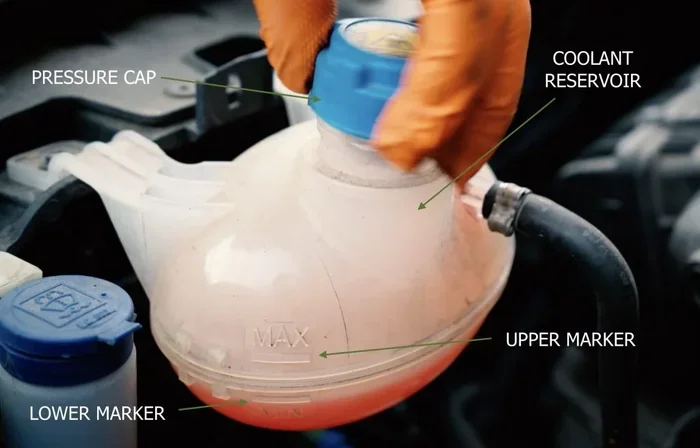
Never open the radiator cap when the engine is hot. Wait at least 30 minutes after driving. Locate the coolant reservoir and check the level against the minimum and maximum marks. If it is low, add a 50/50 mixture of coolant and distilled water. You should also check your coolant level regularly, especially before long trips.
Step 2: Inspect the Coolant Color and Condition
Use a clean rag to wipe the coolant reservoir neck and inspect the fluid. It should be bright and clear. If it looks dark, murky, or has particles floating in it, it is time for a change. Also, check for oil contamination, which appears as a milky brown substance.
Step 3: Test the Coolant with a Hydrometer
A hydrometer measures the freezing and boiling point of your coolant. You can pick one up at any auto parts store for a few dollars. Test the coolant to ensure it still provides adequate protection for your climate. If the protection level is low, a coolant flush and refill is in order.
Step 4: Flush the Cooling System
A proper coolant flush involves draining the old coolant, rinsing the system with distilled water, and refilling with fresh coolant. Many shops offer this service, or you can do it yourself with a coolant flush kit. Flushing removes old fluid, rust, and scale that a simple drain and refill would leave behind.
Quick Tips for Coolant Maintenance
- Always use the coolant type specified by your vehicle manufacturer
- Never mix different coolant types unless specifically approved
- Use distilled water, not tap water, when mixing coolant
- Check for leaks around hoses, the radiator, and the water pump
- Keep a spare jug of the correct coolant in your trunk
- Follow your vehicle’s maintenance schedule religiously
Can You Extend the Coolant Replacement Interval?
Some drivers wonder if they can stretch the recommended interval. The short answer is: not recommended. While extended-life coolants are designed to last longer, real-world conditions often shorten their effective lifespan.
Factors that can reduce coolant life include:
- Frequent short trips in cold weather
- Driving in extreme heat or humidity
- Towing heavy loads or carrying roof cargo
- Stop-and-go city driving
- Older vehicles with higher mileage
If you fall into any of these categories, consider changing your coolant more frequently than the manufacturer suggests. It is a small investment that pays off in engine longevity and reliability.
On the other hand, some modern vehicles with low mileage may go longer between changes. If you only drive 3,000 miles per year, your coolant may still need replacement based on time rather than mileage. Most manufacturers recommend replacing coolant at least every 5 years regardless of mileage.
Common Mistakes Drivers Make with Coolant
Avoid these common mistakes to keep your cooling system healthy:
- Using the wrong coolant type: Mixing incompatible coolants can cause chemical reactions that form gel-like substances. These clog cooling passages and cause serious damage.
- Topping off with water only: Adding plain water dilutes the coolant concentration and reduces its protective properties. Always use a proper coolant mixture.
- Ignoring small leaks: A small drip today becomes a big problem tomorrow. Address leaks promptly to prevent coolant loss and overheating.
- Skipping coolant flushes: A drain and refill removes only about 60% of old coolant. A full flush removes significantly more old fluid and contaminants.
- Waiting for symptoms: By the time you notice overheating or discoloration, damage may already be occurring. Stay proactive with regular checks.
One thing many people ask is whether old coolant can cause problems even without visible symptoms. The answer is yes. Old coolant gradually loses its protective additives, leaving your engine vulnerable to corrosion and overheating over time. This is why sticking to a regular replacement schedule is so important.
How Does Coolant Compare to Other Fluids?
Understanding coolant in the context of your overall vehicle maintenance helps put things in perspective. Here is how coolant replacement compares to other common fluid changes:
| Fluid | Typical Replacement Interval | Importance |
|---|---|---|
| Engine Coolant | 30,000-150,000 miles or 2-10 years | Prevents overheating and corrosion |
| Engine Oil | 5,000-10,000 miles or 6-12 months | Lubricates and protects engine internals |
| Transmission Fluid | 60,000-100,000 miles | Ensures smooth gear shifts |
| Brake Fluid | 2 years or 24,000-36,000 miles | Maintains braking performance |
| Power Steering Fluid | 50,000-100,000 miles | Ensures smooth steering operation |
As you can see, coolant has one of the longest replacement intervals among essential fluids. But that does not mean it should be neglected. Each fluid plays a critical role, and skipping any of them can lead to problems. If you are curious about other maintenance items, check out our article on when to change your oil for another key maintenance task.
When to Seek Professional Help
While basic coolant checks are easy to do yourself, some situations call for a professional. Consider visiting a mechanic if you notice any of the following:
- Your temperature gauge consistently reads higher than normal
- You see white smoke coming from your exhaust
- You find green, orange, or pink fluid pooling under your car
- Your heater blows cold air even after warming up
- Your coolant reservoir needs frequent refilling
- You hear grinding or whining noises from the engine area
A professional mechanic can perform a thorough cooling system inspection. They can pressure test the system for leaks, check the radiator cap operation, and flush the system properly. If you have been putting off a coolant replacement, now is the perfect time to schedule service.
Also, if you are planning a long road trip, have your cooling system inspected beforehand. There is nothing worse than overheating on a highway far from help. A quick inspection can give you peace of mind and keep your trip stress-free.
Final Thoughts on Coolant Replacement
Engine coolant is one of the most overlooked fluids in vehicle maintenance. Yet it is absolutely essential for protecting your engine from heat damage and corrosion. Sticking to a proper coolant replacement schedule is one of the simplest and most cost-effective things you can do for your vehicle.
Remember the basics: replace traditional coolant every 2 years or 30,000 miles, and extended-life coolant every 5 years or up to 150,000 miles, depending on your vehicle. Watch for warning signs like discoloration, overheating, and leaks. And never hesitate to consult your owner manual or a trusted mechanic when in doubt.
Your engine works hard every day. Taking care of it starts with something as simple as keeping your coolant fresh and clean. Make this part of your regular maintenance routine, and your vehicle will reward you with years of reliable, cool-running performance.
For more information on maintaining your vehicle, explore our other articles on topics like upgrading your vehicle and syncing your iPhone to your new car. We have a wealth of guides to help you stay on top of your vehicle care.
Frequently Asked Questions
How do I know what type of coolant my car needs?
Check your vehicle owner manual for the exact coolant specification. Manufacturers specify the type, color, and formulation required. You can also check the coolant reservoir cap for markings. Using the wrong coolant type can cause damage, so always match the specification exactly.
Can I mix old coolant with new coolant?
It is best to fully flush the system before adding new coolant. Mixing old and new coolant dilutes the protective additives in the fresh fluid. However, if you are simply topping off between full changes, make sure the new coolant matches the type already in your system.
Is it safe to drive with low coolant?
No, driving with low coolant is risky. The engine can overheat quickly without enough fluid to absorb and dissipate heat. Even a short drive without adequate coolant can cause warping, cracking, or head gasket failure. Top off your coolant immediately if the level is low.
Can old coolant cause engine overheating?
Yes, old coolant is a common cause of engine overheating. Degraded coolant loses its ability to absorb heat and protect against corrosion. It can also become acidic and form scale that blocks passages. This reduces cooling efficiency and can lead to serious engine damage over time.
How long does coolant last after opening the bottle?
An opened bottle of coolant typically lasts for about 2 to 3 years if stored properly in a sealed container. However, once mixed with water and added to your vehicle, it is subject to the same degradation process as factory-filled coolant and must be replaced on schedule.
Should I flush my cooling system even if my coolant looks fine?
Yes, a coolant flush is recommended even if the fluid appears clean. Over time, invisible contaminants and depleted additives accumulate in the system. A flush removes these deposits and ensures maximum protection. Follow your manufacturer’s recommended flush interval for the best results.