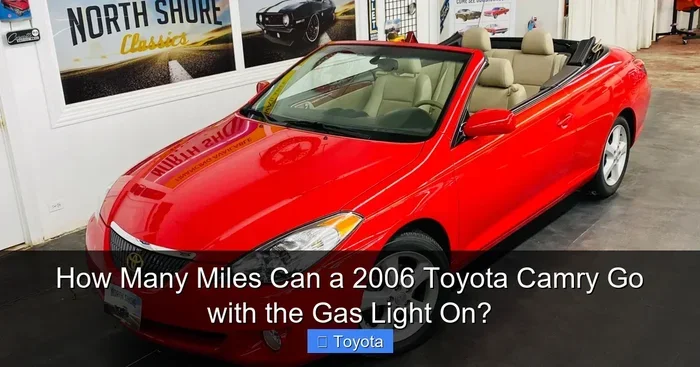
How Many Miles Can a 2013 Toyota Camry Go on Gas Light
Most 2013 Toyota Camry models can travel between 30 and 50 miles after the gas light comes on, depending on driving habits and road conditions. The fuel tank holds about 15.8 gallons, and fuel efficiency varies between city and highway driving. This guide covers everything you need to know about your 2013 Toyota Camry gas light and how far you can safely push it.
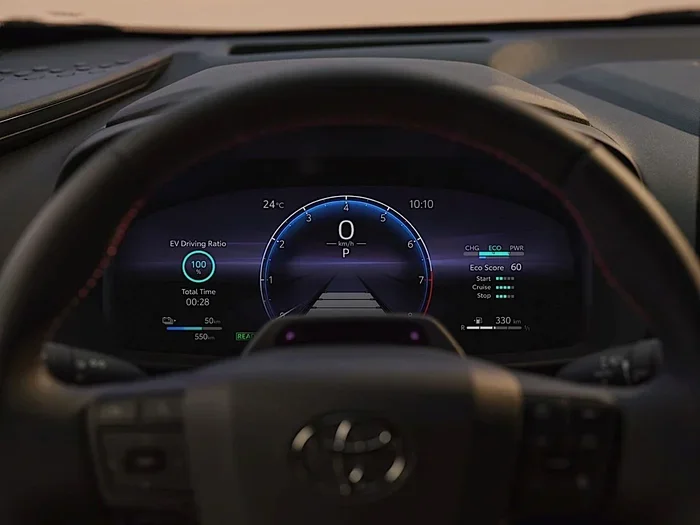
You are cruising down the road, minding your own business, when suddenly that little yellow light pops up on your dashboard. It is the gas light. And right away, your brain starts racing. How many miles do you actually have left? Can you make it to the next exit? This is a moment every driver knows too well, and if you own a 2013 Toyota Camry, you are in luck. This car has a reputation for reliability, and understanding its fuel range can save you a lot of stress.
The 2013 Toyota Camry gas light is designed to warn you that fuel levels are running low. But the warning does not mean you have zero fuel left. In fact, most Camry models still have a reserve in the tank when that light turns on. The real question is how far you can go before you need to find a gas station. In this article, we will break down everything you need to know. From fuel tank capacity to driving habits, we have got you covered.
Knowing your fuel range estimate is not just about convenience. It is also about protecting your car. Running a tank too low too often can cause real damage over time. So let us dive in and explore exactly what happens when that gas light comes on in your 2013 Camry.
Key Takeaways
- Average Range on Empty: A 2013 Toyota Camry can typically go 30 to 50 miles after the gas light activates.
- Tank Capacity Matters: The fuel tank holds approximately 15.8 gallons, which sets the baseline for your remaining range.
- Driving Style Affects Distance: Highway driving gets you farther than city driving when the light is on.
- Safety First: Running on low fuel too often can damage the fuel pump and leave you stranded.
- Refuel Promptly: Always refill as soon as possible when the gas light comes on to protect your engine.
📑 Table of Contents
How Far Can a 2013 Toyota Camry Go on the Gas Light?
The short answer is somewhere between 30 and 50 miles. But the long answer depends on several factors. Let us look at what those factors are and why they matter so much.
When the fuel gauge hits the reserve level, the gas light illuminates. At this point, most 2013 Toyota Camry models still have about 2 to 3 gallons of fuel remaining in the tank. That might not sound like a lot, but it is enough to keep you moving for a decent stretch. The exact distance you can cover depends heavily on how you drive and where you are driving.
Here is a quick look at what you can expect:
- City Driving: Around 30 to 35 miles on the remaining fuel.
- Highway Driving: Around 40 to 50 miles on the remaining fuel.
- Mixed Driving: Somewhere in between, usually around 35 to 45 miles.
These numbers are estimates based on the fuel tank capacity and the fuel economy ratings for the 2013 Camry. Your actual mileage may vary depending on conditions. But these figures give you a solid ballpark to work with.
Why the Numbers Vary
Not every Camry gets the same mileage. Several things influence how far you can go after the light comes on. Let us look at the biggest factors.
Driving Speed: Driving at high speeds on the highway uses more fuel than cruising at moderate speeds. So if you are going 80 mph when that light comes on, your range will be shorter than if you are doing 55 mph.
Traffic Conditions: Stop-and-go city traffic burns fuel faster than steady-flowing traffic. If you are stuck in rush hour, expect your remaining miles to drop faster.
Air Conditioning Use: Running the A/C puts extra load on the engine. This means more fuel consumption, especially in hot weather. So if you are blasting the AC when the gas light comes on, your range will shrink.
Terrain: Hilly or mountainous roads require more fuel than flat highways. If you are driving through rolling hills, keep that in mind.
Vehicle Condition: A well-maintained Camry will get better miles per gallon than one that has not been serviced in a while. Clean air filters, proper tire pressure, and regular oil changes all contribute to better fuel economy.
Understanding the Fuel Tank and Capacity
The 2013 Toyota Camry comes with a fuel tank that holds about 15.8 gallons. This is a standard size for a midsize sedan, and it gives the Camry a solid range even before the gas light ever comes on.
When you fill up completely, you can expect to get around 400 to 450 miles on a single tank, depending on your driving conditions. The city mileage for the 2013 Camry is around 25 mpg, while the highway mileage is closer to 35 mpg. These numbers make the Camry one of the more fuel-efficient sedos in its class.
But here is the thing most people do not think about. The fuel gauge is not perfectly precise. It is an estimate, not an exact measurement. The needle moves based on sensors in the tank, and those sensors can be affected by fuel sloshing around, temperature changes, and even the angle of the road. So when your gauge says you have a quarter of a tank left, you might actually have a little more or a little less.
How the Gas Light Works
The gas light is a warning system, not a fuel meter. It is designed to tell you that it is time to refuel soon. Most manufacturers program the light to come on when there is still a reserve amount of fuel left. For the 2013 Camry, that reserve is roughly 2 to 3 gallons.
This reserve exists for a reason. It gives you enough fuel to reach a gas station safely without running out completely. But it is not meant to be used as a regular fuel source. Relying on the reserve too often can cause problems we will talk about later.
If you are curious about how the fuel system works in more detail, you might want to read about how many gallons to fill up a car for a broader understanding of fuel tank sizes across different vehicles.
What Affects Your Range When the Gas Light Comes On
Now that we know the basics, let us dig deeper into what actually affects your range when that warning light is glowing on your dashboard.
Your Driving Habits
How you drive has a huge impact on fuel consumption. Aggressive driving, such as rapid acceleration and hard braking, burns through fuel much faster. If you tend to drive aggressively, your range after the gas light comes on will be on the lower end of the spectrum.
On the other hand, smooth and steady driving helps you squeeze every last mile out of that remaining fuel. Gentle acceleration, maintaining a consistent speed, and coasting to stops all help conserve fuel. These small habits can add several extra miles to your range when you are running low.
Road Conditions and Route
The type of road you are on matters a lot. A flat interstate highway is much more fuel-efficient than a winding road with lots of stops. If you are on a long highway stretch, you can push your range further. But if you are in a busy urban area with traffic lights, roundabouts, and congestion, your fuel will drain faster.
Also consider the altitude. Driving uphill uses more fuel. If your route includes steep inclines, plan accordingly and try to find a gas station sooner rather than later.
Weather and Temperature
Extreme weather conditions can affect your fuel economy. Cold weather makes the engine take longer to warm up, which means it runs less efficiently. Hot weather can cause fuel to evaporate faster from the tank. Both scenarios can reduce your range when the gas light is on.
Winter driving also means using the heater, which draws energy from the engine. And in summer, the A/C works harder to cool the cabin. Both of these factors play a role in how far you can go on that remaining fuel.
Vehicle Maintenance
A well-maintained Camry will always outperform a neglected one when it comes to fuel economy. Here are some maintenance factors that affect your range:
- Tire Pressure: Underinflated tires create more rolling resistance, which means the engine works harder and uses more fuel.
- Air Filter: A dirty air filter restricts airflow to the engine, reducing efficiency.
- Spark Plugs: Worn spark plugs cause incomplete combustion, wasting fuel.
- Oxygen Sensors: Faulty sensors can cause the engine to burn too much fuel.
Keeping up with regular maintenance ensures your Camry runs at its best. This becomes especially important when you are low on fuel and need every mile you can get.
Tips for Driving on Low Fuel Safely
So the gas light is on and you are not near a gas station yet. What should you do? Here are some practical tips to help you get to the pump safely.
1. Reduce Your Speed
Slowing down is one of the easiest ways to conserve fuel. If you are on the highway, try to maintain a steady speed of around 55 to 60 mph. This is the sweet spot for most Camry models when it comes to fuel efficiency. Avoid sudden bursts of speed and try to keep a smooth flow.
2. Turn Off the A/C
Your air conditioning system uses engine power to run. When fuel is low, every bit of power counts. Turn off the A/C and roll down the windows instead. Yes, it might be uncomfortable, but it will help you stretch your remaining fuel a bit further.
3. Avoid Idling
If you are stuck in traffic or waiting at a long light, turn off the engine if it is safe to do so. Idling wastes fuel without moving you any closer to your destination. Even a few minutes of idling can burn through a significant amount of fuel.
4. Lighten Your Load
Extra weight in your car means the engine has to work harder. If you have heavy items in your trunk or back seat that you do not need, remove them. Every extra pound adds up and can reduce your fuel economy slightly.
5. Plan Your Route
Use your phone or GPS to find the nearest gas station. Choose the most fuel-efficient route, which is usually the one with fewer stops and less traffic. If you are on a highway, take the next exit and find a station rather than pushing your luck on a long stretch with no options.
6. Keep Your Windows Closed at High Speeds
At highway speeds, open windows create drag, which reduces fuel economy. If you are above 40 mph, keep the windows up and use the fan or vents instead of the A/C if possible.
Common Mistakes People Make When the Fuel Light Is On
Running on low fuel is stressful, and stress can lead to bad decisions. Here are some common mistakes drivers make when the gas light comes on, and why you should avoid them.
1. Ignoring the Light for Too Long
Some people treat the gas light as a suggestion rather than a warning. They keep driving for miles, convinced they can make it. While the Camry has a decent reserve, pushing it too far can result in running out of fuel in a dangerous location. Always take the light seriously and refuel as soon as you can.
2. Driving Aggressively to Make Up for Lost Time
When people realize they are low on fuel, they sometimes speed up to reach a gas station faster. But aggressive driving burns more fuel. It is a counterproductive cycle. Stay calm, drive smoothly, and you will get there.
3. Not Knowing Your Tank Size
Many drivers do not know how much fuel their tank actually holds. This makes it hard to estimate how much range you have left. For the 2013 Camry, the tank is 15.8 gallons. Knowing this number helps you make better decisions about when to stop for gas.
4. Running on Empty Too Often
This is perhaps the biggest mistake of all. Frequently driving on low fuel can damage the fuel pump. The fuel pump relies on fuel to stay cool, and running the tank too low can cause it to overheat. Over time, this leads to expensive repairs. If you want your Camry to last a long time, keep the tank at least a quarter full at all times.
For more information on how mileage affects your Camry over time, check out our article on 000 miles a lot for a Toyota Camry.
When to Refuel and Protect Your Camry
The best strategy is simple: do not wait for the gas light to come on. Refuel when your tank hits a quarter full. This gives you a comfortable buffer and protects your fuel pump from potential damage.
If you have already seen the light, do not panic. Find the nearest gas station, and head there as soon as it is safe to do so. Remember, you have a reserve of fuel, but it is meant for emergencies, not regular use.
Also, pay attention to how often the gas light comes on. If you are noticing that the light appears more frequently than usual, it could be a sign of a problem. Possible issues include a fuel leak, a faulty fuel gauge sensor, or a problem with the fuel pump. In these cases, it is best to have your Camry inspected by a qualified mechanic.
Regular maintenance goes a long way in keeping your fuel system healthy. Change your fuel filter on schedule, keep your tires properly inflated, and use the recommended octane rating for your engine. For the 2013 Camry, regular unleaded gasoline is typically sufficient. You can learn more about fuel types and compatibility in our guide on whether you can use 87 octane gas in your Toyota.
Another helpful practice is to track your fuel economy over time. If you notice a sudden drop in miles per gallon, it could indicate an underlying issue that needs attention. Staying on top of these small details keeps your Camry running strong for years to come.
If you ever wonder whether it is safe to keep driving when a warning light is on, you might find our article on driving your Toyota Camry with the check engine light on helpful for understanding dashboard warnings in general.
Conclusion
The 2013 Toyota Camry gas light is a helpful warning system, but it is not a measure of exactly how far you can go. On average, you can expect 30 to 50 miles of range after the light comes on, depending on your driving conditions and habits. The fuel tank holds about 15.8 gallons, and the remaining reserve gives you enough fuel to reach a safe gas station.
The key takeaway is simple: do not ignore the gas light. Refuel as soon as possible to protect your engine and avoid getting stranded. Practice good driving habits, keep up with maintenance, and your Camry will reward you with reliable performance and excellent fuel economy for many miles to come.
Remember, every mile counts when the tank is low. Drive smoothly, plan your route, and always have a refill plan in mind. Your 2013 Toyota Camry is a dependable car, and treating it well will keep it running strong for years.
Frequently Asked Questions
Can I drive 50 miles with the gas light on in my 2013 Toyota Camry?
It is possible but not guaranteed. Under ideal highway conditions with gentle driving, some Camry owners report reaching 50 miles on the reserve. However, city driving, traffic, and other factors can reduce this significantly. Always refuel as soon as possible when the light comes on.
What happens if I run out of gas with the gas light on?
Running out of gas can cause the engine to stall, which may leave you stranded in a dangerous location. It can also damage the fuel pump, which relies on fuel for cooling. Replacing a fuel pump is an expensive repair that can easily be avoided by refueling promptly.
How much fuel is left when the gas light comes on in a 2013 Camry?
Most 2013 Toyota Camry models have about 2 to 3 gallons of fuel remaining when the gas light activates. This reserve is designed to give you enough range to reach a gas station safely, not to serve as a regular fuel source.
Does driving speed affect how far I can go on the gas light?
Yes, driving speed has a major impact on fuel consumption. Higher speeds burn fuel faster, reducing your range. Driving at a steady 55 to 60 mph is the most fuel-efficient speed for the Camry and will maximize your remaining miles when the gas light is on.
Is it bad to drive with the gas light on frequently?
Yes, frequently driving on low fuel can damage the fuel pump over time. The fuel pump needs fuel to stay cool, and running the tank too low causes it to work harder and overheat. This can lead to premature failure and costly repairs. Keep your tank at least a quarter full whenever possible.
How can I improve my fuel economy in my 2013 Toyota Camry?
You can improve fuel economy by maintaining proper tire pressure, keeping up with regular maintenance, driving at steady speeds, avoiding aggressive acceleration, and reducing excess weight in your vehicle. These simple habits can make a noticeable difference in your miles per gallon and overall fuel range.