Which Type of Transmission Really Lasts the Longest
The type of transmission that lasts the longest depends on how you maintain it and how you drive. Manual transmissions generally outlast automatics when cared for properly, but modern CVT and dual-clutch units have improved dramatically. Regular transmission fluid changes and smart driving habits can add years to any gearbox.
Every car owner wants to know one thing: how long will their transmission last? The answer isn’t simple. Different types of gearboxes behave differently. Some last well over 200,000 miles. Others start showing problems at 80,000 miles. The key is understanding what you are working with and how to take care of it.
In this guide, we break down every major transmission type. We compare their lifespans, maintenance needs, and common issues. Whether you drive a manual, automatic, CVT, or dual-clutch, you will find practical advice here. We also share tips that can add years to your gearbox. Let us get into it.
Key Takeaways
- Manual transmissions often last longer than automatics with proper care
- CVT transmissions require specific maintenance to reach their full lifespan
- Dual-clutch transmissions offer durability but need specialized servicing
- Transmission fluid changes are the single most important maintenance task
- Driving habits like avoiding overheating greatly extend gearbox life
- Regular inspections catch small problems before they become expensive repairs
- Warranty coverage varies by transmission type and manufacturer
📑 Table of Contents
- Understanding Transmission Types and Their Lifespans
- Which Transmission Type Really Lasts the Longest?
- How to Make Your Transmission Last Longer
- Common Transmission Mistakes That Shorten Lifespan
- Transmission Maintenance Schedule by Type
- Expert Tips for Maximizing Transmission Life
- When to Consider a Transmission Rebuild or Replacement
- Conclusion
Understanding Transmission Types and Their Lifespans
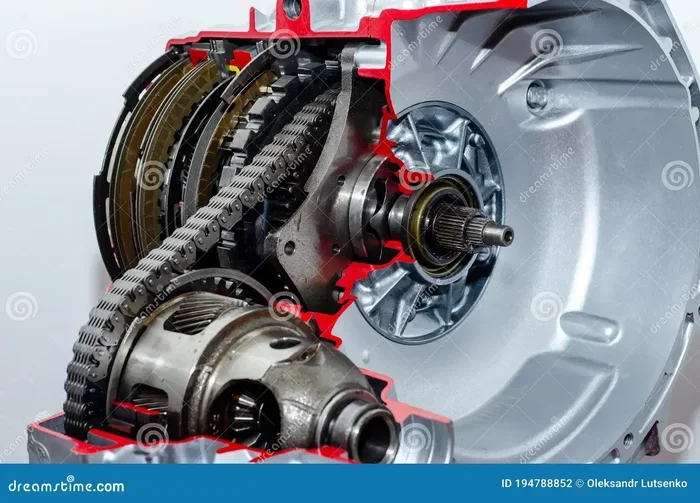
Before we compare longevity, let us understand what each transmission type is. A transmission transfers power from the engine to the wheels. It allows your car to change speeds smoothly. The type of transmission you have affects performance, fuel economy, and durability.
Manual Transmissions
Manual transmissions have been around for over a century. They use a clutch pedal and a gear stick. The driver chooses each gear manually. This design is simple compared to automatics. Fewer parts means fewer things that can break.
A well-maintained manual transmission can last 200,000 miles or more. Some drivers push them past 300,000 miles. The clutch is the main wear item. Replacing a clutch costs less than rebuilding an entire automatic gearbox.
Average lifespan: 150,000 to 300,000 miles with proper care.
Automatic Transmissions
Automatic transmissions use a complex system of gears, bands, and a torque converter. They shift gears on their own. This convenience comes at a cost. Automatics have more moving parts than manuals. More parts means more potential failure points.
A standard automatic transmission typically lasts 150,000 to 200,000 miles. High-quality units from brands like Toyota can go even longer. But neglect will shorten any automatic gearbox quickly. Transmission fluid changes are critical for automatics.
Average lifespan: 150,000 to 250,000 miles depending on maintenance.
CVT Transmissions
Continuously Variable Transmissions, or CVTs, use a belt and pulley system instead of fixed gears. They provide seamless acceleration. Many modern cars use CVTs because they improve fuel economy.
CVTs have a mixed reputation for longevity. Older CVTs often struggled past 100,000 miles. Newer designs are much better. Nissan, Honda, and Toyota have made significant improvements. The key is staying on top of transmission fluid maintenance.
Average lifespan: 100,000 to 200,000 miles with proper care.
Dual-Clutch Transmissions
Dual-clutch transmissions use two separate clutches for odd and even gears. They shift incredibly fast. You will find them in performance cars and some modern sedans. Brands like Volkswagen, Ford, and Hyundai use them.
Dual-clutch units are durable when maintained well. They can last 150,000 to 250,000 miles. However, they are complex and expensive to repair. The software controlling the clutches also matters. Updates from the manufacturer can fix early issues.
Average lifespan: 150,000 to 250,000 miles with proper maintenance.
Which Transmission Type Really Lasts the Longest?
Now for the big question. Which transmission type wins the longevity contest? The answer is not a single type. It depends on several factors. Let us break it down.
Manual transmissions generally last the longest in raw mileage terms. Their simple design means fewer things go wrong. But a neglected manual will fail just like any other gearbox. An automatic with regular fluid changes can easily outlast a manual that gets ignored.
Here is a quick comparison of the four main types:
- Manual: Simple design, fewer parts, longest potential lifespan when maintained
- Automatic: More complex, convenient, lasts long with proper fluid care
- CVT: Fuel-efficient, requires specific fluid types, newer models are much improved
- Dual-Clutch: Performance-oriented, complex, needs specialized servicing
The winner for pure longevity is the manual transmission. But the real winner is whichever type you maintain properly. A well-cared-for automatic can easily surpass a neglected manual. Your driving habits matter just as much as the type.
How to Make Your Transmission Last Longer
Transmission lifespan is not just about the type you choose. How you care for it matters enormously. Follow these tips to get the most miles out of your gearbox.
Change Your Transmission Fluid Regularly
This is the single most important thing you can do. Transmission fluid lubricates all the internal parts. It also cools the gearbox and helps with smooth shifting. Over time, fluid breaks down and loses its effectiveness.
Most manufacturers recommend changing fluid every 30,000 to 60,000 miles. Check your owner manual for the exact interval. Ignoring fluid changes is the number one cause of premature transmission failure. Fresh fluid keeps everything running smoothly inside.
Some people wonder if they should check fluid levels with the engine running. The answer depends on your vehicle. Do You Leave The Car Running When Checking Transmission Fluid is a common question, and the answer varies by car model.
Avoid Overheating Your Transmission
Heat is the enemy of any transmission. Overheating breaks down fluid faster. It causes internal parts to warp and wear prematurely. Towing heavy loads without proper cooling is a common mistake.
Here are simple ways to prevent overheating:
- Never tow beyond your vehicle’s rated capacity
- Use an auxiliary transmission cooler if you tow often
- Avoid aggressive driving in hot weather
- Pull over if you notice slipping or strange smells
- Let your car warm up gently in cold weather
Shift Gears Properly
For manual transmissions, improper shifting causes extra wear. Do not grind gears. Release the clutch smoothly. For automatics, never shift from drive to reverse while the car is still moving. This stresses the internal components significantly.
Also, avoid resting your foot on the clutch pedal while driving. This causes unnecessary friction and wears out the clutch plate faster. Keep your foot completely off the pedal when not actively shifting.
Address Warning Signs Immediately
Do not ignore warning signs. Your transmission will tell you when something is wrong. Common signals include:
- Slipping gears or unexpected gear changes
- Delayed engagement when shifting from park to drive
- Burning smell coming from under the hood
- Strange noises like grinding or whining
- Leaking fluid underneath the car
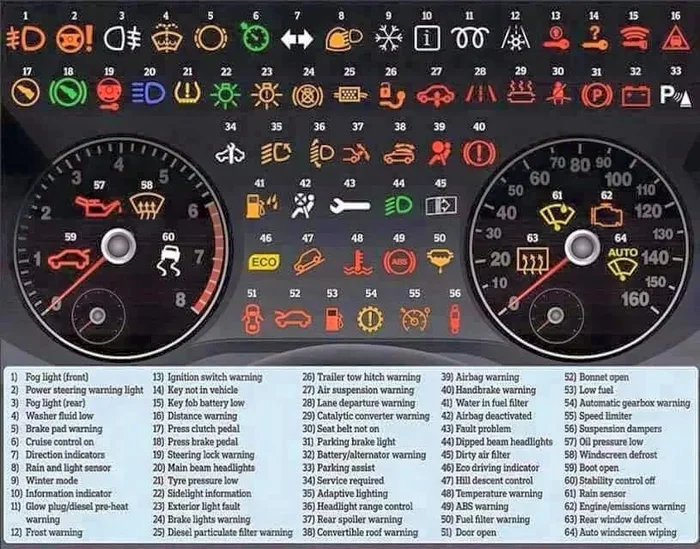
- Check engine light illuminating on the dashboard
If you notice any of these symptoms, get your car inspected right away. Catching a small problem early can save you thousands of dollars. Ignoring it can lead to a full transmission rebuild or replacement.
Keep Your Vehicle Properly Maintained
Transmission health is connected to overall vehicle maintenance. Your engine and drivetrain work together. If your engine runs poorly, it puts extra strain on the transmission. Here are some general maintenance tips:
- Keep your engine tuned and running smoothly
- Replace engine air filters on schedule
- Ensure proper tire alignment and inflation
- Check fluid levels regularly, including coolant and engine oil
- Follow the manufacturer’s recommended service schedule
During routine oil changes, ask your mechanic to check the transmission fluid level. Do Mechanics Check Transmission Fluid During An Oil Change is something you should confirm with your service provider. Many shops will check it for free if you ask.
Common Transmission Mistakes That Shorten Lifespan
Even with the best transmission type, bad habits will shorten its life. Here are the most common mistakes drivers make.
Neglecting Fluid Changes
This deserves its own mention because it is so common. Many drivers never think about transmission fluid until something goes wrong. By then, the damage may already be done. Old, dirty fluid causes increased friction and heat inside the gearbox.
Set a reminder on your phone for your fluid change interval. It is one of the cheapest ways to protect your transmission. A fluid change costs a fraction of what a rebuild or replacement costs.
Overloading Your Vehicle
Every vehicle has a weight limit. Exceeding it puts extra stress on the transmission. The gearbox has to work harder to move a heavier load. This leads to faster wear on clutch packs, bands, and internal bearings.
If you regularly carry heavy loads, consider upgrading to a transmission cooler. This simple addition can make a big difference in long-term durability.
Ignoring Low Fluid Levels
Transmission fluid can leak over time. A small leak might not seem like a big deal. But running low on fluid causes serious internal damage. The gears do not get proper lubrication. Metal-on-metal contact wears components quickly.
Check your transmission fluid level monthly. If you notice a puddle of red or brown fluid under your car, get it checked. Can I Add Transmission Fluid While The Engine Is Running is another question many drivers have. The answer is usually yes, but it depends on your specific vehicle.
Using the Wrong Fluid Type
Not all transmission fluids are the same. Using the wrong type can cause poor shifting and internal damage. CVT transmissions, for example, require a specific fluid formulation. Using standard automatic transmission fluid in a CVT can cause premature failure.
Always check your owner manual for the correct fluid type. When in doubt, ask your dealer or a trusted mechanic. Using the right fluid is a small cost that pays big dividends.
Transmission Maintenance Schedule by Type
Different transmission types have different maintenance needs. Here is a general guide to help you stay on track.
| Transmission Type | Fluid Change Interval | Common Issues | Typical Lifespan |
|---|---|---|---|
| Manual | Every 30,000-60,000 miles | Clutch wear, linkage problems | 150,000-300,000 miles |
| Automatic | Every 30,000-60,000 miles | Torque converter wear, solenoid issues | 150,000-250,000 miles |
| CVT | Every 25,000-50,000 miles | Belt wear, pulley issues, jerking | 100,000-200,000 miles |
| Dual-Clutch | Every 40,000-60,000 miles | Software glitches, clutch wear | 150,000-250,000 miles |
These are general guidelines. Always follow your manufacturer’s specific recommendations. Some vehicles have extended service intervals. Others need more frequent attention. Your driving conditions matter too. Stop-and-go city driving is harder on a transmission than steady highway cruising.
Expert Tips for Maximizing Transmission Life
We asked experienced mechanics what they recommend for extending transmission life. Here are their top tips.
Tip 1: Warm up your car gently. In cold weather, give your transmission a minute or two to warm up before driving hard. Cold fluid is thick and does not lubricate well yet.
Tip 2: Use your parking brake. Many drivers rely only on the gear shift to hold the car on a hill. This puts stress on the transmission parking pawl. Using the parking brake reduces that strain.
Tip 3: Get a second opinion. If a shop recommends a major transmission repair, get a second opinion. Some shops recommend expensive work that may not be necessary. A trusted mechanic can often find a simpler solution.
Tip 4: Keep records of all service. A well-documented service history adds value to your car and helps mechanics diagnose issues faster. It also proves to future buyers that you maintained the transmission properly.
Tip 5: Do not ignore recalls. Some transmission issues are serious enough that manufacturers issue recalls. If you own a Toyota Camry or any other vehicle, check for open recalls regularly. A recall repair is always free and can prevent major problems.
When to Consider a Transmission Rebuild or Replacement
Even with the best care, transmissions eventually wear out. Knowing when to rebuild versus replace can save you money and headaches.
A transmission rebuild is usually the first option. The mechanic disassembles the unit, replaces worn parts, and reassembles it. This costs less than a full replacement. A rebuild can extend your transmission life by another 100,000 miles or more.
A full replacement makes sense when the damage is too extensive for a rebuild. New or remanufactured transmissions come with warranties. This option costs more upfront but gives you a fresh start.
If you are dealing with transmission problems, do not delay. Driving with a failing transmission can cause cascading damage to other parts of your drivetrain. The longer you wait, the more expensive the repair becomes.
Conclusion
So which transmission type lasts the longest? The honest answer is the one you maintain well. Manual transmissions have a slight edge in raw longevity thanks to their simpler design. But any type can last well over 200,000 miles with proper care.
Regular transmission fluid changes are the foundation of long gearbox life. Avoid overheating, shift properly, and address warning signs immediately. These simple habits make a massive difference over the life of your vehicle.
Your transmission is one of the most expensive components to replace. Treat it well, and it will serve you reliably for hundreds of thousands of miles. Start today by checking your fluid level and scheduling your next service. Your future self will thank you.
Frequently Asked Questions
What is the average lifespan of an automatic transmission?
A well-maintained automatic transmission typically lasts between 150,000 and 250,000 miles. Regular fluid changes and gentle driving habits play a big role in reaching the higher end of that range. Neglecting maintenance can cut that lifespan significantly.
How often should I change my transmission fluid?
Most manufacturers recommend changing transmission fluid every 30,000 to 60,000 miles. However, if you drive in stop-and-go traffic or tow heavy loads, you may need to change it more often. Always check your owner manual for the specific interval for your vehicle.
Can a CVT transmission last as long as a manual?
Older CVT designs often struggled to match manual transmission longevity. However, newer CVTs from manufacturers like Toyota and Honda have improved significantly. With proper fluid maintenance, a modern CVT can last 150,000 miles or more, approaching the lifespan of a well-cared-for manual.
Is it expensive to maintain a dual-clutch transmission?
Dual-clutch transmissions are more complex than manuals and standard automatics. Maintenance costs can be higher because of the specialized parts and servicing required. However, regular fluid changes and proper driving habits keep repair costs manageable over the long term.
What causes a transmission to fail early?
The most common causes of early transmission failure are neglected fluid changes, overheating, aggressive driving, and ignoring warning signs like slipping or strange noises. Low fluid levels from leaks also cause serious internal damage if not addressed promptly.
Should I check my transmission fluid myself?
Checking your transmission fluid is a straightforward task for most vehicles. You will need to locate the dipstick, warm up the engine, and check the fluid level and color. Fresh transmission fluid is typically red and transparent. Dark or burnt-smelling fluid signals it is time for a change.