How Do You Get a Key Out of the Ignition If It Breaks
A broken key stuck in the ignition is a frustrating situation, but you have options. Whether the key snapped inside the ignition lock cylinder or the blade broke off while turning, you can often extract it yourself using simple tools and techniques. Knowing how to get a key out of the ignition if it breaks can save you time and money. We will walk you through step-by-step methods, safety tips, and when to seek professional help.
This is a comprehensive guide about How Do You Get a Key Out of the Ignition If It Breaks.
Key Takeaways
- Stay calm and don’t force anything: Forcing the broken key can push it deeper into the ignition cylinder.
- Try the needle-nose pliers method first: If any part of the key is accessible, this is the easiest extraction method.
- Use super glue and a screwdriver for broken-off key shafts: This DIY trick works when the key breaks below the surface.
- Call a locksmith if DIY methods fail: Professional key extraction tools prevent damage to the ignition lock cylinder.
- Prevent future breakage by replacing worn keys: Old, bent, or worn keys are more likely to snap in the ignition.
- Check your spare key immediately: Having a backup plan keeps you from being stranded.
[FEATURED_IMAGE_PLACEHOLDER]
How Do You Get a Key Out of the Ignition If It Breaks
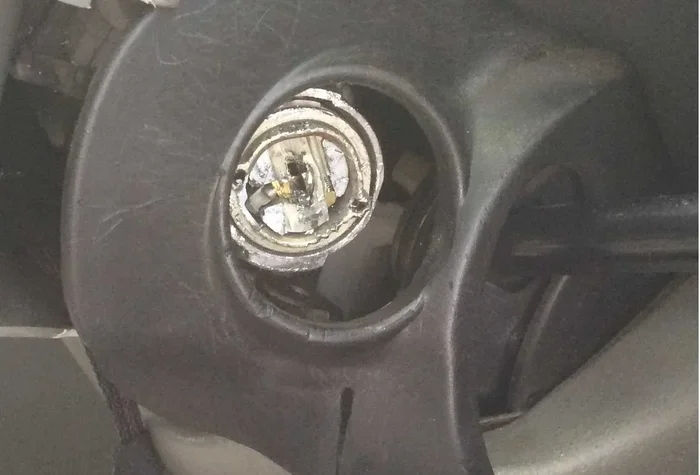
You turn the key, and suddenly there is a snap. The key breaks in half right there in the ignition. Your heart drops. You are standing in the driveway, the garage, or a parking lot with a broken piece of metal still stuck in the lock. It happens to thousands of drivers every year. The good news is that getting a broken key out of the ignition is usually doable, even without a locksmith on call.
Whether the key snapped near the bow (the part you hold) or the blade broke off inside the lock cylinder, the approach is the same: stay calm, work carefully, and avoid forcing anything. How do you get a key out of the ignition if it breaks? There are several proven methods ranging from simple household tools to professional techniques. This guide covers every option so you can choose the best one for your situation.
Before you start, take a deep breath. Panicking will not help, and rushing can make things worse. Let us walk through each method step by step.
Why Keys Break in the Ignition
Understanding why keys break helps you prevent it from happening again. Ignition keys endure a lot of stress over time. They twist, turn, and wear down with every use. Here are the most common reasons a key snaps inside the ignition lock.
Worn Key Metal
Keys are made of metal, but not all metals are equal. Cheap or older keys wear down over thousands of uses. The ridges and grooves that match the lock cylinder become thinner and weaker. Eventually, the key simply cannot handle the pressure of turning anymore.
Applying Too Much Force
Many drivers yank the key when it feels stuck. A stiff steering wheel lock or a cold morning can make the key harder to turn. When you apply too much pressure, the weak point of the key gives way and it snaps.
Lock Cylinder Wear
The ignition lock cylinder itself wears out over time. When the cylinder gets old or dirty, it does not rotate smoothly. This puts extra stress on the key, increasing the chance of breakage.
Key Damage Before Insertion
A key that is already bent, chipped, or cracked is much more likely to break in the ignition. Even a small crack can spread when you turn the key, causing a complete snap.
Immediate Steps to Take When a Key Breaks
Right after the key breaks, your actions matter. Follow these steps to set yourself up for a successful extraction.
- Do not panic. Take a breath and assess the situation.
- Check if any part of the key is visible. If the broken piece is sticking out of the ignition, you have a much easier job ahead.
- Do not force the remaining piece. Pushing it deeper will make extraction harder.
- Try to turn the steering wheel gently. Sometimes releasing the steering lock can free up the cylinder slightly.
- Gather your tools. Needle-nose pliers, super glue, a flat-head screwdriver, and a flashlight are your best friends here.
If the car key not turning in ignition is also a related issue you have experienced, you are not alone. This is one of the most common car problems drivers face.
Method 1: Extract the Key with Needle-Nose Pliers
This is the simplest and most effective method when part of the key is sticking out of the ignition. You will need a pair of needle-nose pliers or fine-tipped tweezers.
Step-by-Step Guide
- Get a good light source. Use your phone flashlight or a headlamp to see inside the ignition cylinder clearly.
- Grip the exposed key piece gently. Position the pliers around the broken part of the key.
- Pull straight out. Do not twist or wiggle side to side. Pull in the same direction the key was inserted.
- Check the cylinder. After removal, shine the light inside to make sure no small pieces remain.
This method works best when the key breaks near the top. The broken key removal process is quick and usually causes no damage to the ignition. If the key snapped flush with the surface or below it, move on to the next method.
Quick Tip
If the key piece is too small to grip with pliers, try using a small hook made from a paperclip. Straighten one end and use it to catch the edge of the broken key.
Method 2: Use Super Glue to Pull Out the Broken Key
When the key breaks below the surface and nothing is sticking out, this clever trick can save the day. You will need super glue (cyanoacrylate) and a flat-head screwdriver or a thin metal rod.
Step-by-Step Guide
- Clean the area around the ignition. Use a cloth or compressed air to remove any debris.
- Apply a small drop of super glue. Place it on the broken end of the key that is inside the cylinder.
- Press the screwdriver against the key. The glue will bond the screwdriver to the broken key piece.
- Wait 60 seconds. Let the glue set completely. Do not rush this step.
- Pull straight up gently. The key should come out attached to the screwdriver.
This method is one of the most popular DIY solutions for broken key extraction. It works because the super glue bonds to both the key and the screwdriver, creating enough grip to pull the piece out.
Important: Use only a tiny amount of super glue. Too much glue can fill the cylinder and make the problem worse. If glue gets inside the lock mechanism, it may require professional cleaning.
Common Mistakes to Avoid
- Using too much glue. Excess glue can harden inside the cylinder and cause additional problems.
- Wiggling the screwdriver while the glue is wet. This breaks the bond before it sets.
- Using a glue stick or craft glue. Only use cyanoacrylate super glue. Other adhesives will not work.
Method 3: Use a Safety Pin or Paperclip
If no part of the key is visible above the ignition surface, a straightened safety pin or paperclip can work as a makeshift extraction tool.
Step-by-Step Guide
- Straighten the paperclip or safety pin. You want a long, thin, rigid wire.
- Bend a small hook at one end. Use pliers to create a tiny J-shaped hook.
- Shine the flashlight into the ignition. Look for the broken key piece inside the cylinder.
- Slide the hooked wire past the key. Carefully maneuver the hook around the key shaft.
- Catch the key and pull gently. Hook the key and draw it out slowly.
This method requires patience and a steady hand. It is one of the most reliable key extraction techniques for keys that are flush with or below the ignition surface. If the key is deeply recessed, a key extraction tool kit from an auto parts store can make this job much easier.
Expert Insight
Locksmiths often carry specialized broken key extraction tools that have a hollow center designed to slide over the broken key shaft. These tools grab the key from the inside and pull it out cleanly. You can buy a basic version at most hardware stores for under $10.
Method 4: When to Call a Professional Locksmith
Not every broken key situation is a DIY project. Sometimes calling a locksmith is the smartest and safest choice. Here are the situations where professional help is the best option.
Signs You Need a Locksmith
- The key is broken deep inside the cylinder and no extraction method works.
- The ignition lock cylinder is damaged or stuck.
- The steering wheel lock is engaged and will not release.
- You have tried multiple methods and the key will not budge.
- The key broke and left sharp fragments inside the lock.
A professional locksmith has specialized tools and years of experience. They can extract the broken key without damaging the ignition cylinder. Most locksmiths offer mobile key replacement services and can come to your location. The cost is usually between $50 and $150 for a simple extraction, depending on your location and the complexity of the job.
What the Locksmith Will Do
The locksmith will first assess the situation. They will likely use a broken key extraction tool, which is a specialized hook designed to grab broken key pieces from deep inside a lock cylinder. If the cylinder is damaged, they can replace it on the spot. In some cases, they may recommend a full ignition repair or key replacement.
After extraction, you will need a new key. If you have a spare, you are all set. If not, the locksmith can cut a new key on the spot using your vehicle’s VIN or key code. For Toyota owners, Toyota can cut a key from the VIN in most cases, making replacement quick and easy.
Preventing Key Breakage in the Future
The best way to deal with a broken key in the ignition is to never have it happen. Here are simple steps to keep your keys strong and functional.
Replace Worn Keys
If your key looks thin, bent, or shows signs of wear, replace it before it breaks. Keys are inexpensive, and a new key is far cheaper than an ignition repair. Many dealerships and locksmiths can cut a replacement key in minutes.
Do Not Force the Key
If the key feels stiff or hard to turn, do not yank it. Spray a small amount of graphite lubricant into the ignition cylinder. This reduces friction and helps the key turn smoothly. Never use WD-40 or oil-based lubricants, as they can attract dust and gum up the cylinder over time.
Check the Steering Wheel
Sometimes the steering wheel lock puts pressure on the ignition lock. Gently wiggle the steering wheel left and right while turning the key. This releases the lock and reduces the force on the key.
Keep Keys Clean
Dirt, debris, and moisture can build up inside the lock cylinder. Periodically clean your keys and the ignition with a soft, dry cloth. This simple habit extends the life of both your keys and the lock mechanism.
Carry a Spare Key
Always keep a spare key in a safe place, like a drawer at home or a spare key pouch in your bag. If your key breaks, having a backup means you are never stranded. You can also sync your iPhone to your new car if you drive a modern vehicle, giving you another way to access and start your car in some models.
Related Issues: What If the Key Fob Battery Dies?
Many modern vehicles use keyless entry and push-button start systems. If your key fob battery dies, you may still be able to start the car using the physical key blade hidden inside the fob. In some cases, the car will not recognize the fob at all, and you may experience issues similar to a car key not turning in ignition.
If your key fob battery dies and you cannot start the car, check your owner’s manual for the backup start procedure. Most manufacturers place a hidden key slot somewhere on the steering column or center console. Placing the dead fob in this slot allows the car to read the chip and start normally.
For more information on driving with a dead key fob battery, check out Can You Drive A Car If The Key Fob Battery Dies. Understanding your vehicle’s backup systems can save you from a lot of stress on the road.
Key Takeaways Recap
- Stay calm: Forcing the broken key will only push it deeper into the cylinder.
- Try needle-nose pliers first: If the key is sticking out, this is the fastest solution.
- Use super glue for flush breaks: A small drop of super glue and a screwdriver can extract the broken piece.
- Paperclips and safety pins work: A hooked wire can reach keys that are below the surface.
- Call a locksmith when needed: Professional extraction tools prevent further damage to the ignition.
- Prevent future breakage: Replace worn keys, lubricate the cylinder, and carry a spare.
Conclusion
Knowing how to get a key out of the ignition if it breaks is an essential skill every driver should have. Whether you use needle-nose pliers, super glue, a paperclip, or call a locksmith, the goal is the same: remove the broken key safely without damaging the ignition lock cylinder. The methods in this guide cover nearly every scenario you might face, from a key sticking out slightly to one that broke completely flush with the surface.
Remember to stay patient and avoid forcing anything. Take your time, work carefully, and you will have that broken key out in no time. If DIY methods do not work, do not hesitate to call a professional. A locksmith can handle even the most stubborn broken key situations with specialized tools and expertise.
Finally, take steps to prevent key breakage in the future. Replace worn keys, lubricate your ignition cylinder regularly, and always keep a spare key handy. These simple habits will save you from the stress and inconvenience of a broken key in the ignition.
With the right approach and a little patience, you can handle this common car problem like a pro. You have got this.
Frequently Asked Questions
Can I use tweezers instead of needle-nose pliers to extract a broken key?
Yes, tweezers can work if the broken key piece is sticking out far enough to grip. However, needle-nose pliers offer better leverage and a more secure grip. If the key is barely visible, tweezers may not reach or hold the piece firmly enough.
Will super glue damage the ignition lock cylinder?
A small amount of super glue used correctly should not damage the cylinder. However, using too much glue or getting it on moving parts inside the lock can cause problems. If glue gets inside the mechanism, you should have a locksmith clean it out professionally.
How much does it cost to have a locksmith extract a broken key from the ignition?
Most locksmiths charge between $50 and $150 for a simple key extraction. The cost varies based on your location, the time of day, and how difficult the extraction is. Calling a mobile locksmith is often the most convenient option.
What should I do if the steering wheel is locked after the key breaks?
Do not force the steering wheel. Gently wiggle it left and right while trying to turn the remaining key piece or use another extraction method. The steering lock can put pressure on the ignition cylinder, making extraction harder. Releasing the lock first can help.
Can I drive my car if the key breaks in the ignition?
No, you cannot drive the car with a broken key inside the ignition. The ignition must be clear and functional for the vehicle to start. Remove the broken key first or call a locksmith to handle the extraction before attempting to drive.
How do I prevent my car key from breaking in the ignition again?
Replace worn or damaged keys promptly, lubricate the ignition cylinder with graphite, avoid forcing the key when it feels stiff, and keep your keys clean. Carrying a spare key also ensures you are never stuck if a key does break unexpectedly.