What Does It Mean When Your Car Says Check AWD System
What Does It Mean When It Says Check AWD System is an essential topic that provides valuable insights.
Key Takeaways
- Understanding What Does It Mean When It Says Check AWD System: Provides essential knowledge
📑 Table of Contents
- What Does Check AWD System Actually Mean?
- Common Causes of the AWD System Warning
- Warning Signs Your AWD System Needs Attention
- Can You Still Drive With the AWD Warning On?
- How Mechanics Diagnose AWD System Problems
- Quick Tips to Keep Your AWD System Healthy
- Comparison: AWD System Repair Costs
- Common Mistakes People Make With AWD Warnings
- Expert Insights on AWD System Maintenance
- Key Takeaways
- Conclusion
What Does Check AWD System Actually Mean?
Your car’s all-wheel drive system sends power to all four wheels instead of just two. This gives you better grip, especially on wet roads, gravel, or snow. The system relies on sensors, computers, and moving parts working together perfectly.
When your car says check AWD system, it means the onboard computer has noticed something is off. A sensor may be failing. Fluid levels might be low. Or a mechanical part could be wearing out. The message is essentially your car saying, “Hey, something in my AWD setup needs a look.”
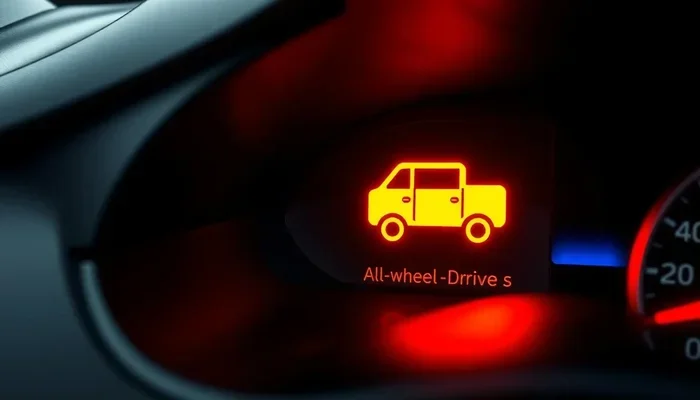
The warning can appear differently depending on your vehicle. Some cars show a text message on the dashboard. Others display a symbol with wheels and an exclamation mark. Either way, the meaning is the same: your AWD system needs inspection.
How the AWD System Works
Understanding the basics helps you understand the warning. Here is a simple breakdown:
- Transfer case: This is the box that splits power between the front and rear axles.
- Front and rear differentials: These let the wheels on each axle spin at different speeds.
- Wheel speed sensors: These monitor how fast each wheel is turning.
- Electronic control module: This is the brain that manages the whole system.
When any of these parts send bad data or fail, the computer triggers the check AWD system message. It is a protective measure to prevent further damage.
Common Causes of the AWD System Warning
Several things can trigger the AWD system check light. Some are simple fixes. Others need a professional mechanic. Here are the most common culprits:
Low AWD Fluid
Your AWD system uses special fluid to keep everything running smoothly. Over time, this fluid can leak or get low. When the fluid drops too much, the system cannot build proper pressure. This causes the warning to come on.
Check your owner’s manual for the right type of fluid. Low fluid is one of the easiest AWD system problems to fix.
Faulty Wheel Speed Sensors
Each wheel has a speed sensor attached to the hub assembly. These sensors tell the computer how fast each wheel spins. If one sensor gets dirty, damaged, or fails, the data becomes incorrect.
The computer then thinks something is wrong with the drivetrain and triggers the warning. Replacing a sensor is usually affordable and straightforward.
Transfer Case Problems
The transfer case is a heavy-duty component that distributes torque distribution between the front and rear wheels. Inside, gears and chains wear over time. When the transfer case fails, you will often see the AWD warning message along with strange noises.
Transfer case repairs can be expensive. That is why catching the warning early matters so much.
Worn Center Differential
The center differential handles the difference in speed between the front and rear axles. When it wears out, the AWD system cannot function properly. This often happens in high-mileage vehicles.
Signs of a failing center differential include vibrations at highway speeds and clunking when turning.
Electrical Issues
Modern AWD systems are heavily electronic. Wiring harnesses, connectors, and the control module all play a role. Corrosion, moisture, or a short circuit can confuse the system and light up the warning.
Sometimes a simple loose connector is the cause. Other times, the electronic control module itself needs replacement.
Warning Signs Your AWD System Needs Attention
The dashboard message is the most obvious sign. But there are other clues your AWD system is struggling. Watch for these warning signs:
- Grinding or humming noises: Especially when turning or driving at speed.
- Vibrations in the dashboard or floor: This often points to drivetrain issues.
- Reduced traction on wet roads: Your car feels like it is slipping more than usual.
- Uneven tire wear: Tires wearing down faster on one side or one axle.
- Fluid leaks under the car: Look for reddish or brownish puddles.
- Burning smell: This could mean overheated AWD fluid.
If you notice any of these along with the check AWD system message, get your vehicle checked soon. The sooner you act, the less damage occurs.
Can You Still Drive With the AWD Warning On?
This is one of the most common questions people ask. The short answer is: it depends on the cause.
In many cases, you can drive a short distance to a safe location or repair shop. The AWD system check light often does not mean your car will stop working immediately. However, driving with the warning on for a long time is risky.
Here is what to keep in mind:
- Low fluid: You can drive carefully, but get it topped off soon.
- Sensor failure: The car may still drive, but traction control could be affected.
- Major mechanical failure: Stop driving and call for a tow. Forcing the drivetrain can cause catastrophic damage.
When in doubt, play it safe. Pull over and call for help if the warning comes with shaking, loud noises, or loss of power.
How Mechanics Diagnose AWD System Problems
When you take your car to a shop, the first thing a mechanic does is hook up an OBD-II scanner. This tool reads the error codes stored in your car’s computer. Each code points to a specific part of the AWD system diagnosis process.
Here is what a typical diagnostic looks like:
- The scanner pulls fault codes from the electronic control module.
- The mechanic checks AWD fluid level and condition.
- Wheel speed sensors are tested with a multimeter.
- The transfer case and differentials are inspected visually.
- Test drives confirm the issue under real driving conditions.
This process helps pinpoint the exact cause. It also prevents unnecessary part replacements, which saves you money.
Quick Tips to Keep Your AWD System Healthy
Prevention is always better than repair. Follow these simple tips to keep your all-wheel drive system running strong:
- Change AWD fluid on schedule: Most manufacturers recommend every 30,000 to 60,000 miles. Check your owner’s manual.
- Check for leaks regularly: Look under your car for any fresh fluid spots.
- Rotate your tires: Even tire wear reduces stress on the drivetrain and improves vehicle stability.
- Address warning lights quickly: Do not wait for the AWD system check message to go away on its own.
- Avoid aggressive driving: Hard acceleration and sharp turns put extra strain on AWD components.
- Keep sensors clean: Mud and debris can clog wheel speed sensors and cause false warnings.
These small habits add up. They extend the life of your AWD system and help you avoid expensive repairs.
Comparison: AWD System Repair Costs
Repair costs vary widely depending on the cause. Here is a general comparison of common fixes:
| Issue | Typical Cost Range | Severity |
|---|---|---|
| Low AWD fluid top-off | $50 – $150 | Low |
| Wheel speed sensor replacement | $100 – $300 | Low to Medium |
| Transfer case repair | $500 – $2,000 | Medium to High |
| Center differential replacement | $800 – $2,500 | High |
| Electronic control module replacement | $400 – $1,200 | Medium |
Costs depend on your vehicle make and model, labor rates in your area, and the severity of the problem. Luxury vehicles and trucks with complex AWD setups tend to cost more to repair.
Common Mistakes People Make With AWD Warnings
Many drivers make avoidable mistakes when the check AWD system light comes on. Here are the ones to watch out for:
- Ignoring the warning: Hoping it will go away is the most common mistake. Small problems become big ones fast.
- Resetting the light without fixing the issue: A scanner can clear the code, but the underlying problem remains. The light will come back.
- Using the wrong fluid: Not all AWD fluids are the same. Using the wrong one can damage internal components.
- Delaying tire rotations: Uneven tire wear puts extra stress on the AWD system and affects traction control performance.
- DIY repairs beyond your skill level: Simple sensor swaps are fine. But messing with the transfer case or differentials without proper tools can make things worse.
Avoid these pitfalls and your AWD system will reward you with years of reliable service.
Expert Insights on AWD System Maintenance
We asked experienced mechanics about the most overlooked aspects of AWD system maintenance. Here is what they had to say:
One mechanic shared: “I see so many customers who ignore the check AWD system message for months. By the time they bring it in, the transfer case is damaged. A simple fluid change could have prevented it.”
Another expert added: “The wheel speed sensors are the number one cause of false AWD warnings. A simple cleaning often fixes the problem. Before replacing expensive parts, always check the sensors first.”
These insights highlight a clear theme: small, proactive steps prevent big, expensive problems.
Key Takeaways
- The AWD system check warning means your car’s computer detected a problem with the all-wheel drive system.
- Common causes include low fluid, faulty sensors, transfer case issues, and electrical faults.
- You can often drive short distances with the warning on, but long-term driving risks further damage.
- Regular fluid changes, tire rotations, and sensor maintenance keep the AWD system healthy.
- Professional diagnosis with an OBD-II scanner is the fastest way to find the root cause.
- Ignoring the warning can lead to costly repairs and unsafe driving conditions.
- Addressing the issue early saves money and keeps your vehicle stable on the road.
Conclusion
Seeing check AWD system on your dashboard can feel alarming, but it does not have to be a panic moment. Now you know what the warning means, what causes it, and how to respond. The key is to take action quickly. Whether it is a simple fluid top-off or a sensor replacement, early attention keeps your car safe and your wallet happy.
Your all-wheel drive system works hard every time you drive. It deserves your attention and care. Follow the maintenance tips in this guide, listen to what your car is telling you, and you will enjoy reliable drivetrain performance for miles to come. Do not wait for the warning to become a breakdown. Check it, fix it, and drive with confidence.
Frequently Asked Questions
What should I do immediately when the check AWD system light comes on?
First, stay calm and find a safe place to pull over. Check your AWD fluid level if you know how. If the fluid looks fine, you can drive carefully to a repair shop. But if you notice strange noises, shaking, or loss of power, call for a tow to avoid further damage to your drivetrain.
How much does it cost to fix a check AWD system warning?
Costs range widely depending on the cause. A fluid top-off might cost under $150, while a transfer case repair can run $500 to $2,000 or more. The best first step is getting a proper diagnosis so you know exactly what needs fixing and can budget accordingly.
Can bad tires cause the AWD system warning?
Yes, they can. Tires with different sizes or uneven wear send incorrect speed data to the wheel speed sensors. This confuses the AWD computer and can trigger the check AWD system message. Keeping all tires the same size and properly inflated helps prevent this issue.
Is it safe to drive long distances with the AWD warning on?
It is not recommended. While short drives to a repair shop are usually okay, long distances can worsen the problem. The AWD system may be operating in a degraded mode, which puts extra stress on other components and reduces vehicle stability on slippery roads.
Can I reset the AWD warning light myself?
You can clear the code with an OBD-II scanner, but this does not fix the underlying problem. The light will come back once the computer detects the issue again. Always address the root cause before resetting any warning light on your dashboard.
How often should I service my AWD system?
Most manufacturers recommend servicing the AWD system every 30,000 to 60,000 miles, which includes fluid changes and inspections. Check your owner’s manual for the specific schedule for your vehicle. Regular maintenance is the best way to avoid unexpected AWD system problems and keep your traction control working properly.