What Does Each Digit of a VIN Mean and Why It Matters
Every digit in a VIN tells a specific story about your vehicle. From the manufacturer and country of origin to the model year and assembly plant, each digit of a VIN unlocks important details about your car’s identity. Understanding what each digit of a VIN means helps you verify vehicle history, find the right parts, and stay safe on the road.
Every car on the road has a secret identity. It is not hidden under a blanket or locked in a vault. It is sitting right on the dashboard, stamped on the door frame, and printed on the registration papers. This identity is the vehicle identification number, and what each digit of a VIN means tells a fascinating story about your car.
Think of a VIN as a vehicle’s DNA. Just like your DNA reveals where you come from and what makes you unique, each digit of a VIN reveals specific details about your car. The manufacturer, the country of origin, the model year, the engine type, and even the assembly plant are all encoded in those 17 characters. Understanding what each digit of a VIN means is a skill that every car owner should have.
Whether you are buying a used car, ordering replacement parts, or just curious about your vehicle’s background, knowing how to read a VIN is incredibly valuable. This guide will walk you through what each digit of a VIN means step by step. By the end, you will be able to decode any VIN like a pro.
Key Takeaways
- The VIN is a 17-character code that acts as your vehicle’s unique fingerprint, containing details about its origin, manufacturer, and specs.
- The first three digits identify the world manufacturer, telling you who made the car and where it was built.
- Digits 4 through 9 describe the vehicle, including the model, body type, engine, and a security check digit.
- Digits 10 through 17 reveal the model year, assembly plant, and serial number, giving each car its unique identity.
- Using a VIN decoder is the fastest way to unlock all this information for free online.
- Knowing your VIN helps with recalls, parts matching, and buying a used car with confidence.
- Always double-check your VIN for accuracy before running a vehicle history report or ordering parts.
📑 Table of Contents
- What Is a VIN and Why Should You Care?
- The First Three Digits: World Manufacturer Identifier
- Digits 4 Through 9: The Vehicle Descriptor Section
- Digits 10 Through 17: The Vehicle Identifier Section
- How to Use a VIN Decoder and Why It Matters
- Why Knowing Your VIN Matters for Every Car Owner
- Final Thoughts on What Each Digit of a VIN Means
What Is a VIN and Why Should You Care?
A VIN is a 17-character alphanumeric code assigned to every vehicle manufactured since 1981. No two vehicles in operation share the same VIN. That makes it the most reliable way to identify a specific car. The vehicle identification number is used by manufacturers, dealerships, insurance companies, and law enforcement agencies every single day.
So why should you care? Knowing what each digit of a VIN means gives you power. You can verify a car’s history before buying it. You can check for open recalls. You can find the exact parts your vehicle needs. You can confirm that the car you are looking at matches its paperwork. In a world where vehicle fraud exists, a little VIN knowledge goes a long way.
The VIN is not just a random string of letters and numbers. Every position has a specific purpose. The VIN number follows a standardized format set by the International Organization for Standardization (ISO). This means that no matter where a car was made, the structure of its VIN follows the same rules. That consistency is what makes decoding possible.
The First Three Digits: World Manufacturer Identifier
The first three digits of a VIN make up the World Manufacturer Identifier, or WMI. This section answers the most basic questions about your vehicle. Who made it? Where was it made? What type of vehicle is it? Each digit of a VIN in this section plays a specific role in answering those questions.
What the First Digit Reveals
The very first character of the VIN tells you the country of origin. This is where the vehicle was manufactured, not where the brand is headquartered. Here are some common examples:
- 1, 4, or 5 — United States
- 2 — Canada
- 3 — Mexico
- J — Japan
- K — South Korea
- W — Germany
- L — China
- S — England
- Z — Italy
For example, if a VIN starts with 1, you know the vehicle was built in the United States. If it starts with J, it came from a Japanese factory. This first digit is your first clue about the vehicle’s vehicle origin.
What the Second and Third Digits Tell You
The second digit identifies the manufacturer. Each automaker has a specific code assigned by the ISO. For instance, G stands for General Motors, F stands for Ford, and T stands for Toyota. The third digit narrows it down further, often indicating the division or vehicle type.
Together, the first three digits create a unique fingerprint for each manufacturer. This manufacturer code is what allows VIN decoder tools to immediately identify who built the vehicle. It is the foundation of the entire VIN system.
Digits 4 Through 9: The Vehicle Descriptor Section
Digits 4 through 9 form what is called the Vehicle Descriptor Section, or VDS. This is where things get detailed. Each digit of a VIN in this section describes the vehicle’s characteristics, including its model, body style, restraint system, and engine type.
The VDS helps you understand the specific vehicle specs of a car. Two vehicles from the same manufacturer might have completely different VDS codes if one is a sedan and the other is a truck. This section ensures that every vehicle type has its own distinct identifier.
Digits 4 Through 8: Vehicle Attributes
Digits 4 through 8 describe various attributes of the vehicle. These can include:
- Model line — the specific series or trim level
- Body type — sedan, SUV, coupe, truck, and so on
- Engine type — the size and configuration of the engine
- Restraint system — the type of airbags and seat belts
The exact meaning of each position within the VDS varies by manufacturer. This is why a VIN decoder is so useful. The decoder has a database that maps these positions to the correct descriptions for each brand.
The Check Digit: Digit 9
Digit 9 is perhaps the most interesting of all the VIN positions. It is called the check digit, and its sole purpose is to verify that the VIN is legitimate. The check digit is calculated using a complex mathematical formula that weighs each of the other 16 characters.
This check digit helps detect fake or altered VINs. If even a single character in the VIN is wrong, the check digit calculation will not match. This is a built-in security feature that protects against VIN fraud and cloning. It is one of the reasons why the VIN system is so reliable.
Digits 10 Through 17: The Vehicle Identifier Section
The last eight digits of the VIN make up the Vehicle Identifier Section, or VIS. This section gives the vehicle its unique identity. While the first nine digits describe what the vehicle is, digits 10 through 17 tell you which specific unit it is in the production line.
Digit 10: The Model Year
Digit 10 tells you the model year of the vehicle. This is not necessarily the year the car was sold or registered. It is the year the model was designated by the manufacturer. The system uses a rolling alphabet to avoid repeating codes.
Here is how the model year coding works:
- B = 1981, C = 1982, D = 1983, and so on through Y = 2000
- 1 = 2001, 2 = 2002, up through 9 = 2009
- A = 2010, B = 2011, and the cycle continues
Note that the letters I, O, Q, U, and Z are skipped in the VIN to avoid confusion with numbers and other letters. This keeps the system clean and error-free.
Digit 11: Assembly Plant Code
Digit 11 identifies the assembly plant where the vehicle was built. Every manufacturer has its own set of plant codes. For example, a Ford assembled in Dearborn, Michigan might have a different plant code than one assembled in Cuautitlan, Mexico.
This digit is especially useful when you are researching a car history. It tells you exactly where the vehicle rolled off the production line. Some buyers prefer vehicles built at certain plants based on reputation and quality control standards.
Digits 12 Through 17: The Production Sequence Number
The final six digits are the serial number, also called the production sequence number. This is what makes every VIN truly unique. No two vehicles built on the same day will share these last six digits.
The serial number tells you the order in which the vehicle came off the assembly line. In some cases, lower serial numbers indicate early production runs, which can be relevant for parts matching or recall eligibility. This is the final piece of the puzzle that completes the VIN’s story.
| VIN Section | Digits | What It Reveals |
|---|---|---|
| World Manufacturer Identifier | 1–3 | Country of origin, manufacturer, and vehicle type |
| Vehicle Descriptor Section | 4–9 | Model, body style, engine, restraint system, and check digit |
| Vehicle Identifier Section | 10–17 | Model year, assembly plant, and unique serial number |
How to Use a VIN Decoder and Why It Matters
Manually decoding a VIN is possible, but it takes time and experience. Fortunately, VIN decoder tools make the process instant and effortless. You simply enter the 17-character code, and the tool pulls up all the relevant details about the vehicle.
A good VIN decoder will tell you the engine size, transmission type, trim level, and even the factory options installed on the vehicle. Some decoders also pull car history report data, including accident records, ownership history, and service milestones.
Here is how to get the most out of a VIN lookup:
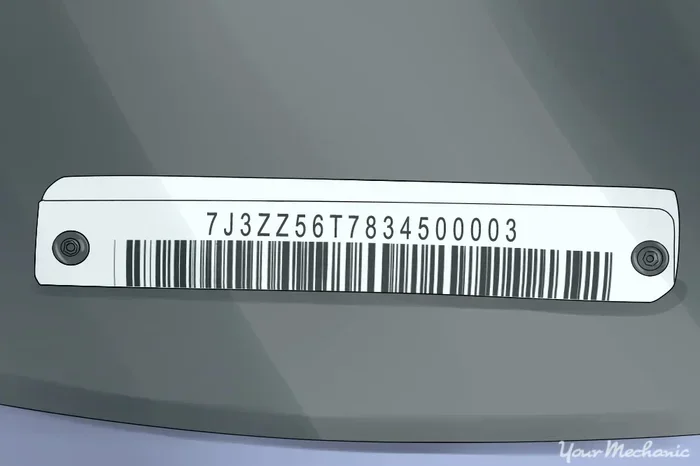
- Find the VIN on the dashboard near the windshield, on the driver’s side door jamb, or on the vehicle title and registration.
- Enter the full 17-character code into a reputable decoder tool. Make sure there are no typos or missing characters.
- Review the results carefully. Check that the manufacturer, model year, and engine type match what you see on the vehicle.
- Cross-reference with a car history report for a complete picture of the vehicle’s past.
Why Knowing Your VIN Matters for Every Car Owner
What does each digit of a VIN mean in practical terms? It means you have the power to access important information about your vehicle at any time. This knowledge is useful in many real-world situations that every car owner will eventually face.
When you are shopping for a used car, decoding the VIN helps you verify the seller’s claims. You can confirm the model year, check the factory options, and pull a car history report to see if the vehicle has been in any accidents. This level of due protection can save you from buying a lemon.
When you need to order parts, the VIN ensures you get the right components for your specific vehicle. Even two cars of the same model year can have different parts if they were built at different plants or with different engine options. The VIN number eliminates the guesswork and helps you find the exact parts matching your car.
Safety is another critical reason to understand your VIN. Manufacturers issue vehicle recall notices regularly, and these recalls are tied to specific VIN ranges. By knowing your VIN and checking it against recall databases, you can find out if your vehicle is affected and get the necessary repairs done for free.
Common VIN Mistakes and How to Avoid Them
Even experienced car enthusiasts make mistakes when working with VINs. Here are the most common errors and how to avoid them:
- Confusing the VIN with the license plate number — these are completely different identifiers. Always use the 17-character VIN for decoding and history checks.
- Missing or transposed characters — a single wrong letter or number can lead to incorrect results. Always double-check the VIN before entering it into a decoder.
- Ignoring the check digit — if the check digit does not validate, do not trust the VIN. It may have been altered or recorded incorrectly.
- Using an unreliable decoder — not all VIN decoder tools are created equal. Stick with reputable sources like government databases, manufacturer portals, or well-known vehicle history services.
- Assuming all VIN positions mean the same thing across brands — while the overall structure is standardized, individual manufacturers may assign specific positions differently. Always use a decoder that accounts for brand-specific variations.
Final Thoughts on What Each Digit of a VIN Means
The vehicle identification number is one of the most underappreciated tools available to car owners. Every digit of a VIN carries meaning, and together they paint a complete picture of your vehicle’s identity, origin, and specifications.
Understanding what each digit of a VIN means empowers you as a consumer and a car owner. You can verify information, avoid fraud, find the right parts, and stay informed about recalls. It is a simple skill that delivers enormous value.
The next time you see a VIN on your dashboard or on a used car you are considering, take a moment to decode it. You might be surprised by how much story those 17 characters tell. Whether you use a VIN decoder online or work through the positions manually, the knowledge you gain will always be worth the effort.
Your vehicle has a unique identity. Now you know how to read it. Start decoding VINs today, and you will never look at a car the same way again.
Frequently Asked Questions
Can I decode a VIN myself without using an online tool?
Yes, you can manually decode a VIN by understanding what each position represents. The first three digits identify the manufacturer, digits 4 through 9 describe the vehicle’s features, and digits 10 through 17 reveal the model year, assembly plant, and serial number. However, using a VIN decoder tool is much faster and more accurate, especially since different manufacturers assign specific positions differently.
Why is the ninth digit of a VIN called the check digit?
The ninth digit is called the check digit because it is calculated using a mathematical formula that validates the entire VIN. If any character in the VIN is incorrect, the check digit will not match the formula. This security feature helps detect VIN fraud, cloning, and transcription errors, making the VIN system more reliable and trustworthy.
Does the VIN tell me the exact date my car was manufactured?
Not exactly. The VIN tells you the model year of the vehicle, which is not always the same as the production date. For example, a 2023 model year vehicle might have been built in late 2022. The last six digits (serial number) can sometimes help narrow down the production sequence, but for the exact build date, you may need to check the manufacturer’s records or a detailed car history report.
Can two cars have the same VIN?
No. Every vehicle manufactured since 1981 is assigned a unique 17-character VIN. No two vehicles in operation share the same VIN. This uniqueness is what makes the VIN so valuable for identification, history tracking, parts matching, and recall verification. If you ever see two vehicles with the same VIN, that is a serious red flag for fraud.
Where can I find the VIN on my vehicle?
The most common locations for a VIN include the dashboard on the driver’s side (visible through the windshield), the driver’s side door jamb sticker, the vehicle title and registration, and the insurance card. On some vehicles, the VIN is also stamped on the engine block, the frame, or the rear wheel well. The dashboard VIN is the most commonly referenced for decoding and VIN lookup purposes.
Is a VIN the same as a chassis number or engine number?
A VIN serves as the overall identity of the vehicle and is often the same as the chassis number. However, the engine number is a separate identifier stamped on the engine block itself. While the VIN identifies the vehicle as a whole, the engine number specifically identifies the engine. Both are useful for parts matching and vehicle recall checks, but they serve different purposes in the identification process.