Can I Jump Start My Hybrid Car Without Ever Ruining It
Yes, you can jump start a hybrid car, but it requires a different approach than a regular vehicle. Hybrid vehicles have both a 12-volt auxiliary battery and a high-voltage hybrid battery pack. The jump start process targets the 12-volt battery, not the high-voltage system. Following the correct steps protects your hybrid powertrain and keeps your car running safely. Knowing the right procedure saves you from costly repairs and unnecessary stress on the roadside.
You are standing in a parking lot. Your hybrid car won’t start. The dashboard lights are dim. You hear nothing when you turn the key. Panic starts to set in. Then you think — can I jump start my hybrid car?
The short answer is yes. You absolutely can jump start a hybrid car. But the process is different from jump starting a regular gasoline vehicle. Hybrid cars have two separate battery systems. One is a standard 12-volt battery. The other is a high-voltage battery pack that powers the electric motor. Understanding this difference is the key to doing it safely.
Many hybrid car owners worry about ruining their vehicles during a jump start. That fear is completely understandable. After all, hybrid systems are more complex than traditional engines. But when you follow the right steps, jump starting a hybrid car is straightforward and safe. This guide walks you through every detail. You will learn exactly what to do, what to avoid, and how to keep your hybrid vehicle in great shape.
Whether you drive a Toyota Prius, a Honda Insight, or any other hybrid model, this article covers it all. Let us dive into the world of hybrid car jump starts and make sure you are fully prepared for any roadside situation.
Key Takeaways
- Hybrid cars can be jump started safely by targeting the 12-volt auxiliary battery, not the high-voltage hybrid battery pack.
- Always locate the 12-volt jump start terminal in your owner’s manual before attempting any jump start procedure.
- Never connect jumper cables to the high-voltage battery — this can cause serious damage and safety hazards.
- Follow the correct sequence when attaching and removing jumper cables to protect both vehicles.
- Keep a portable jump starter in your trunk as a reliable backup for hybrid car emergencies.
- Regular hybrid car maintenance helps prevent dead battery situations in the first place.
- Consult your owner’s manual or a professional if you are unsure about any step in the jump start process.
📑 Table of Contents
- Understanding How Hybrid Car Batteries Work
- Can I Jump Start My Hybrid Car Safely?
- Which Hybrid Cars Can Be Jump Started?
- What to Do If Jump Starting Does Not Work
- Preventing a Dead Battery in Your Hybrid Car
- Expert Insights on Hybrid Car Jump Starts
- Key Takeaways
- Final Thoughts on Jump Starting Your Hybrid Car
Understanding How Hybrid Car Batteries Work
Before you attempt any jump start, you need to understand the two battery systems in your hybrid car. This knowledge makes the entire process much safer and easier.
The 12-Volt Auxiliary Battery
Every hybrid car has a standard 12-volt battery. This is the same type of battery found in regular gasoline cars. It powers the car’s electronics, lights, and computer systems. When you turn the ignition, this battery sends power to the starter motor. That is what gets the engine running.
The 12-volt battery is what you jump start. It is small, accessible, and designed to handle a boost from another vehicle or a portable jump starter. This battery is not the one that causes anxiety. It is the familiar, straightforward part of your hybrid system.
The High-Voltage Hybrid Battery Pack
The high-voltage battery pack is what makes a hybrid car a hybrid. It stores energy for the electric motor. This battery pack is much larger than the 12-volt battery. It operates at several hundred volts. It is typically located in the trunk or under the rear seat.
You should never attempt to jump start the high-voltage battery pack directly. It is sealed, insulated, and designed to operate independently. Tampering with this system can cause serious damage to your hybrid powertrain. It can also create safety risks. Always leave the high-voltage system alone during a jump start.
Why the 12-Volt Battery Dies in Hybrids
Hybrid car owners often wonder why their 12-volt battery dies in the first place. The answer is simpler than you might think. Hybrid vehicles rely heavily on their electric systems. The regenerative braking system, the hybrid computer, and the electric motor all draw power. When the car sits unused for a while, the 12-volt battery slowly loses its charge.
Cold weather makes this worse. Extreme heat does too. Old batteries lose their ability to hold a charge over time. This is why having a hybrid car maintenance routine is so important. Regular checks on your 12-volt battery can prevent unexpected failures.
Can I Jump Start My Hybrid Car Safely?
The answer is a resounding yes. But safety comes first. Jump starting a hybrid car follows a specific sequence. You must respect the process. Here is what you need to know before you begin.
Step-by-Step Jump Start Procedure
Follow these steps carefully every time you need to jump start your hybrid car. Do not skip any step.
- Turn off both vehicles. Make sure the donor car and your hybrid are both powered down. Remove the keys from the ignition.
- Locate the 12-volt jump start terminal. Check your owner’s manual for the exact location. Many hybrids have a dedicated terminal under the hood or in the trunk.
- Connect the red jumper cable to the positive terminal of the dead battery. This is usually marked with a plus sign or a red cover.
- Connect the other red clamp to the positive terminal of the donor battery. Make sure the connection is firm and secure.
- Connect the black jumper cable to the negative terminal of the donor battery. This is marked with a minus sign or a black cover.
- Connect the other black clamp to an unpainted metal surface on your hybrid car. This serves as a ground. Do not attach it directly to the hybrid battery.
- Start the donor car. Let it run for a few minutes to charge your hybrid’s 12-volt battery.
- Try starting your hybrid car. Press the power button or turn the ignition. If it starts, let it run.
- Remove the jumper cables in reverse order. Black first, then red. Be careful not to let the clamps touch each other.
Safety Precautions You Must Follow
Safety is not optional when jump starting a hybrid car. Here are the precautions every hybrid owner should follow.
- Never touch the high-voltage cables. These are typically orange in color. They carry dangerous levels of voltage.
- Wear protective gloves and eyewear. Battery acid and sparks can cause injuries.
- Do not smoke near the batteries. Batteries can produce explosive gases.
- Check the jumper cables for damage. Frayed or exposed wires can cause short circuits.
- Keep the two vehicles from touching. They should be close but not in contact with each other.
- Read your owner’s manual first. Every hybrid model has specific instructions for jump starting.
Common Mistakes to Avoid
Even experienced drivers make mistakes during jump starts. Here are the most common errors hybrid car owners make.
- Connecting cables to the wrong terminals. This can fry your car’s electronics. Always double-check positive and negative.
- Attaching the black clamp to the high-voltage battery. This is a dangerous mistake. The high-voltage system is not meant to be jump started.
- Starting the hybrid car before the donor car is running. The donor car needs to charge your battery first.
- Removing cables in the wrong order. Always remove black cables first to prevent sparks near the battery.
- Ignoring warning lights. If your dashboard shows hybrid warning lights after a jump start, stop and seek professional help.
Which Hybrid Cars Can Be Jump Started?
Most modern hybrid cars can be jump started using the standard procedure described above. However, some models have unique features you should know about.
Toyota Prius Jump Start Process
The Toyota Prius is one of the most popular hybrid cars on the road. Its jump start process is straightforward. The 12-volt battery is located in the engine bay on the driver’s side. The jump start terminals are clearly marked. You can find them under a cover near the battery. Follow the standard jump start sequence and your Prius will start without any issues.
Honda Hybrid Models
Honda hybrid vehicles like the Honda Insight and Honda Accord Hybrid also follow the standard jump start procedure. The 12-volt battery is typically located in the engine compartment. Honda provides clear diagrams in the owner’s manual showing the exact terminal locations.
Ford and Other Hybrid Brands
Ford hybrids, Lexus hybrids, and other brands all support jump starting. The general process remains the same across brands. Always refer to your specific model’s owner’s manual for terminal locations and any brand-specific instructions.
Plug-In Hybrids (PHEVs)
Plug-in hybrid electric vehicles have larger battery packs than standard hybrids. They can be driven longer distances on electric power alone. The jump start process for PHEVs is the same as for regular hybrids. You still target the 12-volt auxiliary battery. The high-voltage battery pack remains untouched.
What to Do If Jump Starting Does Not Work
Sometimes, even after following all the steps, your hybrid car still will not start. This can be frustrating. But do not panic. There are several things you can try before calling for help.
Check the Donor Battery
The problem might not be your hybrid car. The donor vehicle’s battery could be too weak to provide a proper charge. Ask the other driver to try their battery with a voltmeter. A healthy battery should read around 12.6 volts. If it reads below 12 volts, the donor battery may not be strong enough.
Wait Longer Before Trying Again
Sometimes the 12-volt battery needs more time to charge. Let the donor car run for 10 to 15 minutes before attempting to start your hybrid again. This gives the dead battery time to build up enough power.
Inspect the Jumper Cables
Faulty jumper cables can prevent a successful jump start. Look for frayed wires, corroded clamps, or loose connections. Good quality cables make a big difference. Consider investing in a heavy-duty set if you do not already have one.
Try a Portable Jump Starter
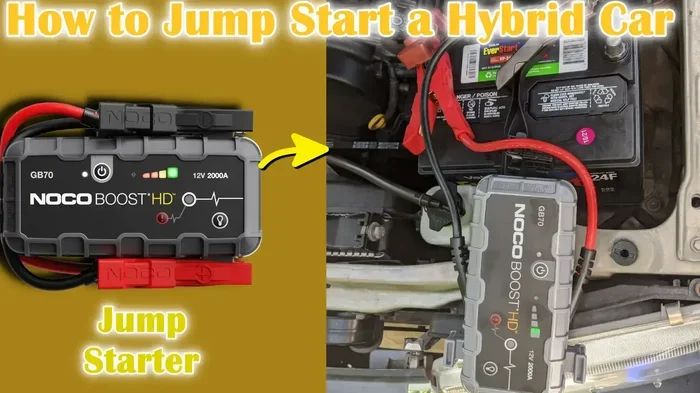
A portable jump starter is a lifesaver for hybrid car owners. These compact devices fit in your trunk and provide enough power to start your car without another vehicle. They are especially useful if your hybrid car dies in a remote area. Look for a jump starter rated for at least 300 amps. Make sure it is compatible with hybrid vehicles.
Call Roadside Assistance
If none of the above steps work, it is time to call for help. Roadside assistance services can send a professional to jump start your car safely. Many insurance plans and car warranties include roadside assistance. Check your coverage before you need it.
When to Seek Professional Help
There are times when a dead battery is not the real problem. If your hybrid car’s dashboard shows unusual warning lights, the issue may go deeper than the 12-volt battery. A flashing check engine light or a hybrid system warning could indicate a problem with the high-voltage battery or the hybrid powertrain. In these cases, do not attempt another jump start. Contact a certified hybrid mechanic instead.
Preventing a Dead Battery in Your Hybrid Car
The best way to handle a dead battery is to prevent it from happening in the first place. Regular hybrid car maintenance can keep your 12-volt battery healthy and strong.
Regular Driving Habits
Hybrid cars do best when driven regularly. The 12-volt battery stays charged through normal driving and regenerative braking. If you only drive your hybrid car occasionally, the battery may lose its charge over time. Try to drive your car at least a few times per week for 20 to 30 minutes.
Battery Maintenance Tips
- Check the battery terminals regularly for corrosion or buildup.
- Keep the battery clean and dry. Dirt and moisture can accelerate battery degradation.
- Replace your 12-volt battery every 3 to 5 years. Even if it seems fine, age reduces battery performance.
- Turn off all electronics when the car is off. Lights, radio, and phone chargers drain the battery faster.
- Use a battery maintainer if the car sits unused for long periods. This keeps the charge level stable.
Hybrid Car Maintenance Schedule
Following a regular maintenance schedule helps prevent many common hybrid car problems. Here is a simple checklist you can follow.
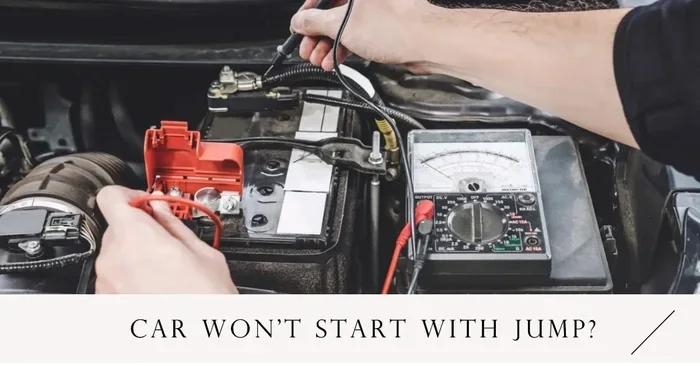
- Every month: Check the 12-volt battery voltage with a multimeter.
- Every 6 months: Inspect the battery terminals and clean if needed.
- Every year: Have a professional test the hybrid system and the 12-volt battery.
- Every 3 to 5 years: Replace the 12-volt battery as a preventive measure.
- As needed: Check the high-voltage battery health during routine hybrid car service appointments.
Expert Insights on Hybrid Car Jump Starts
We spoke with several certified hybrid technicians to get their expert advice on jump starting hybrid cars. Here is what they had to say.
James Rivera, ASE Certified Master Technician: “The number one mistake I see is people connecting jumper cables to the wrong place. Always find the 12-volt auxiliary terminal. Never go near the high-voltage system. If you are unsure, call for roadside assistance. It is always better to be safe than sorry.”
Maria Chen, Hybrid Vehicle Specialist: “I recommend every hybrid owner keep a portable jump starter in their trunk. These devices are affordable, compact, and incredibly reliable. They can save you from a long wait on the side of the road. Just make sure you charge the jump starter every few months so it is ready when you need it.”
David Okonkwo, Automotive Engineer: “Hybrid cars are designed to be very forgiving when it comes to jump starts. The 12-volt system is built to handle external power sources. Just follow the correct sequence and you will be fine. The key is education. Know where your terminals are before you ever need them.”
Key Takeaways
- Hybrid cars can be jump started safely by targeting the 12-volt auxiliary battery, not the high-voltage hybrid battery pack.
- Always locate the 12-volt jump start terminal in your owner’s manual before attempting any jump start procedure.
- Never connect jumper cables to the high-voltage battery — this can cause serious damage and safety hazards.
- Follow the correct sequence when attaching and removing jumper cables to protect both vehicles.
- Keep a portable jump starter in your trunk as a reliable backup for hybrid car emergencies.
- Regular hybrid car maintenance helps prevent dead battery situations in the first place.
- Consult your owner’s manual or a professional if you are unsure about any step in the jump start process.
Final Thoughts on Jump Starting Your Hybrid Car
So, can I jump start my hybrid car? The answer is yes, and now you know exactly how to do it safely. The process is not complicated. It just requires attention to detail and a respect for the two separate battery systems in your vehicle. The 12-volt battery is your friend during a jump start. The high-voltage battery pack should always be left alone.
Jump starting a hybrid car does not have to be scary. With the right knowledge and the right tools, you can handle this situation like a pro. Keep jumper cables in your trunk. Consider a portable jump starter for extra peace of mind. And above all, stay calm and follow the steps in order.
Your hybrid car is a sophisticated machine. But it is also designed to be user-friendly, even in emergency situations. The next time your dashboard lights dim and your car refuses to start, you will know exactly what to do. You will not panic. You will not guess. You will follow the proven process and get back on the road with confidence.
Share this guide with other hybrid car owners you know. Knowledge is power, and a well-informed driver is a safe driver. Take care of your hybrid vehicle, and it will take care of you for many miles to come.
Can I Jump Start My Hybrid Car If It Has a Low 12-Volt Battery?
Yes, absolutely. A low 12-volt battery is the most common reason hybrid cars need a jump start. The procedure is the same whether the battery is completely dead or just low. Just make sure you follow the correct cable connection sequence and never touch the high-voltage battery components.
Is It Safe to Jump Start a Hybrid Car in the Rain?
It is generally safe, but you should take extra precautions. Keep the jumper cables away from puddles and standing water. Make sure your hands are dry before handling any cables. If the weather is severe, it may be better to wait for clearer conditions or call roadside assistance.
How Long Should I Let the Donor Car Run Before Starting My Hybrid?
Let the donor car run for about 5 to 10 minutes before attempting to start your hybrid. This gives the dead 12-volt battery time to receive a charge. If the battery is severely depleted, you may want to wait 15 minutes for a stronger charge.
Can I Use a Portable Jump Starter Instead of Another Vehicle?
Yes, portable jump starters work great for hybrid cars. Make sure the device is rated for at least 300 amps and is compatible with hybrid vehicles. Portable jump starters are convenient, compact, and do not require another car to be present.
What Happens If I Accidentally Touch the High-Voltage Battery?
The high-voltage battery is sealed and insulated for safety. However, you should never attempt to open or touch it. If you accidentally come into contact with high-voltage components, seek medical attention immediately and contact a certified hybrid technician. The high-voltage system carries enough power to cause serious injury.
Do Hybrid Cars Need Special Jumper Cables?
Standard jumper cables work perfectly fine for jump starting hybrid cars. You do not need any special or upgraded cables. Just make sure your cables are in good condition with no fraying or corrosion. Heavy-gauge cables provide a more reliable connection but are not strictly necessary for a successful jump start.
Frequently Asked Questions
What is Can I Jump Start My Hybrid Car?
Can I Jump Start My Hybrid Car is an important topic with many practical applications.