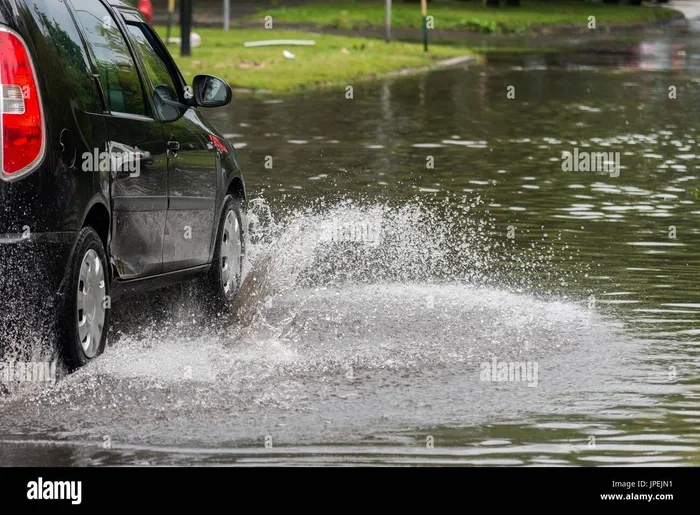
Does Your Car Insurance Cover Water Damage From Rain
Does car insurance cover water damage from rain? The answer depends on your policy type. Comprehensive coverage typically pays for rain and water damage, while basic liability plans usually do not. Understanding your auto insurance policy can save you thousands in repair costs.
Rain happens. It falls on your car, pools on the street, and sometimes finds its way inside your vehicle. When that happens, you might wonder, does car insurance cover water damage from rain? The short answer is: it depends on your policy. But the full picture is more nuanced than a simple yes or no.
Many car owners assume their insurance covers everything. That is not always true. A basic liability plan will not pay for rain damage to your own car. You need the right type of coverage, and you need to understand how claims work. This guide breaks it all down in plain language.
Whether your car sits in a heavy downpour, gets flooded in a parking lot, or suffers water intrusion through a cracked window, knowing what your policy covers can make a huge difference. Let us walk through everything you need to know about water damage from rain and your car insurance.
Key Takeaways
- Comprehensive coverage is key: It is the only standard policy type that covers water damage from rain.
- Liability insurance does not help here: It only covers damage you cause to others, not your own vehicle.
- Act fast after water damage: Filing a claim quickly and documenting everything improves your chances of approval.
- Your deductible still applies: You will pay a set amount before your insurance kicks in.
- Maintenance matters: Pre-existing damage or poor car upkeep can lead to claim denials.
- Flood damage is different: Severe flooding may require additional coverage or disaster assistance.
- Rates may be affected: Filing a comprehensive claim can influence your insurance premium going forward.
📑 Table of Contents
- Understanding Car Insurance Coverage Types
- Does Car Insurance Cover Water Damage From Rain?
- How to File a Claim for Rain Water Damage
- How Much Does Water Damage Repair Cost?
- Does Filing a Rain Damage Claim Affect Your Rates?
- How to Protect Your Car From Rain Damage
- Common Mistakes People Make After Rain Damage
- What If You Do Not Have Comprehensive Coverage?
- When Rain Damage Becomes a Total Loss
Understanding Car Insurance Coverage Types
Before diving into rain damage specifically, you need to know the basic types of car insurance. Not all policies are the same. Each one covers different situations.
Liability Coverage
Liability coverage is the most basic type of car insurance. It is usually required by law in most states. This coverage pays for damage you cause to other people or their property. It does not cover damage to your own vehicle.
If rain water ruins your paint job or floods your interior, liability coverage will not help. This is a common misunderstanding among car owners. Many people think their insurance covers everything, but that is simply not the case with a basic liability-only policy.
Collision Coverage
Collision coverage pays for damage to your car from accidents. This includes crashes with other vehicles or objects like guardrails and poles. However, collision coverage does not cover weather-related damage. Rain damage falls outside the scope of collision insurance.
So if you drive through a flooded road and your car stalls, collision coverage typically will not pay for the repairs. You need a different type of policy for that kind of situation.
Comprehensive Coverage
Comprehensive coverage is the policy type that covers water damage from rain. This is sometimes called “other than collision” coverage. It covers damage from events that are not crashes. That includes:
- Rain and flooding
- Hail storms
- Theft and vandalism
- Fire
- Animal damage
Comprehensive coverage is what you need if you want protection against rain damage to your car. It is an optional add-on on most policies, but it is highly recommended. Without it, you are paying out of pocket for weather-related repairs.
Does Car Insurance Cover Water Damage From Rain?
Now let us answer the big question directly. Does your car insurance cover water damage from rain? The answer is yes, but only if you have comprehensive coverage. Here is how it works.
When rain causes damage to your vehicle, your comprehensive policy steps in. This could include water that seeps into the interior, damage to the electrical system, rust formation, or even a flooded engine. As long as the damage comes from rain or storm water, comprehensive coverage applies.
However, there are important conditions. Your policy must be active at the time of the damage. You must have paid your premiums on time. And you must file your claim properly. Missing any of these steps could result in a denial.
What Types of Rain Damage Are Covered?
Not all rain damage is the same. Here are the common types of rain-related damage and whether they are typically covered under comprehensive insurance:
- Interior water damage: Rain enters through a broken window or sunroof. Seats, carpet, and electronics get soaked. Covered.
- Electrical system damage: Water shorts out wiring or damages sensors. Covered.
- Rust and corrosion: Long-term exposure to rain causes rust on the body or undercarriage. This can be tricky. Some policies cover it, others do not. It often depends on the cause and timing.
- Engine hydro-lock: You drive through standing water and the engine stalls. This is usually covered under comprehensive.
- Paint damage: Acid rain or heavy rainfall damages the clear coat and paint. Often covered.
What Is NOT Covered?
Understanding what is not covered is just as important. Here are common exclusions:
- Wear and tear: Normal aging or gradual damage is not covered. If your car already had weak seals and rain slowly leaked in over time, the insurer may deny the claim.
- Negligence: If you left your car windows open during a storm, the insurer might argue you were negligent.
- Pre-existing damage: Damage that existed before the rain event will not be covered.
- Mechanical failure: If the rain did not directly cause the failure, it may not be covered.
How to File a Claim for Rain Water Damage
If your car has suffered rain damage, you need to act quickly. Filing a claim the right way increases your chances of getting paid. Here is the step-by-step process.
Step 1: Document Everything
Before you do anything else, take photos and videos. Capture every angle of the damage. Show the water lines, the soaked interior, and any visible issues. The more evidence you have, the stronger your claim will be.
Step 2: Contact Your Insurance Company
Call your insurance provider as soon as possible. Report the damage and let them know it was caused by rain. Have your policy number ready. Ask about the specific claims process for your company.
Step 3: Get an Estimate
Take your car to a trusted repair shop or dealership. Get a written estimate of the repair costs. Your insurance company may also send an insurance adjuster to assess the damage. Both estimates help support your claim.
Step 4: Pay Your Deductible
Every comprehensive policy has a deductible. This is the amount you pay out of pocket before insurance kicks in. Deductibles typically range from $250 to $1,000. Choose a deductible you can afford in an emergency.
Step 5: Wait for Approval
After you submit everything, your insurer reviews the claim. This can take a few days to a few weeks. If approved, you will receive payment minus your deductible. If denied, you can appeal or seek legal advice.
How Much Does Water Damage Repair Cost?
The cost of repairing rain water damage varies widely. It depends on the severity and the type of damage. Here is a rough breakdown:
| Type of Damage | Estimated Cost Range |
|---|---|
| Minor interior water stain | $150 – $500 |
| Soaked carpet and seat replacement | $500 – $2,000 |
| Electrical system repair | $500 – $3,000 |
| Engine hydro-lock repair | $1,000 – $5,000 |
| Full interior restoration | $2,000 – $8,000 |
| Rust removal and body repair | $500 – $4,000+ |
These numbers can vary based on your car model, location, and the repair shop you choose. Luxury vehicles and newer models often cost more to repair. The key takeaway is that rain damage can get expensive fast, which is exactly why having the right coverage matters.
Does Filing a Rain Damage Claim Affect Your Rates?
This is one of the most common questions car owners ask. The honest answer is: it depends.
Filing a comprehensive claim for rain damage may or may not raise your insurance premium. Many insurers understand that weather events are out of your control. They treat comprehensive claims differently than at-fault accident claims.
That said, multiple claims within a short period can trigger a rate increase. If you file two or three comprehensive claims in one year, your insurer may view you as a higher risk. This could lead to higher rates at renewal time.
If the damage is minor and the repair cost is close to your deductible, you might consider paying out of pocket. Filing a small claim is not always worth the potential rate increase.
How to Protect Your Car From Rain Damage
Prevention is always better than cure. Here are practical steps to keep your car safe from rain and water damage:
1. Park in a Garage or Covered Area
This is the simplest and most effective step. A garage or carport shields your vehicle from direct rain exposure. If you do not have a garage, consider investing in a car cover.
2. Check Your Seals and Weatherstripping
Over time, the rubber seals around your windows and doors can crack and degrade. Inspect them regularly. Replace worn seals before rain season arrives. This prevents water from seeping into the interior.
3. Keep Your Drainage Holes Clear
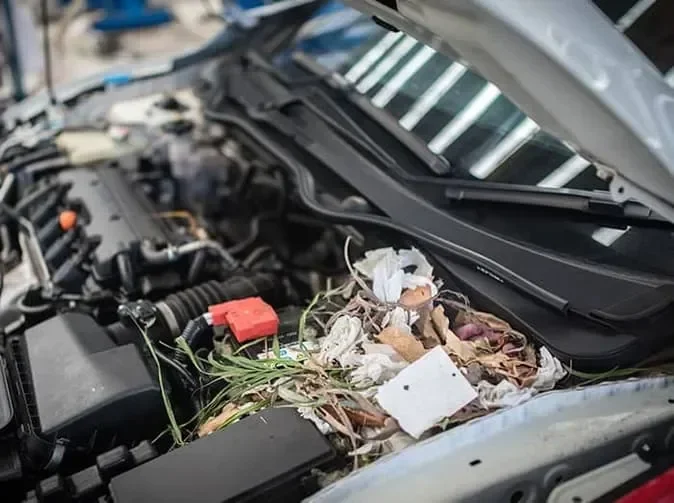
Cars have drainage channels in the doors and rocker panels. If these get clogged with leaves and debris, water can back up and leak inside. Clean them out regularly, especially in the fall.
4. Address Cracks and Chips Promptly
A small crack in your windshield or window can let rainwater pour into your car during a storm. Fix chips and cracks as soon as you notice them. A small repair now can prevent expensive water damage later.
5. Avoid Driving Through Flooded Areas
It might seem obvious, but many drivers underestimate how dangerous standing water can be. Even a few inches of water can cause serious damage to your engine and electrical systems. When in doubt, turn around.
Common Mistakes People Make After Rain Damage
Avoid these common mistakes if your car gets damaged by rain:
- Waiting too long to file: Delays can weaken your claim. Report damage as soon as possible.
- Not documenting the damage: Without photos and evidence, your claim may be denied.
- Starting repairs before the claim is approved: Let the adjuster assess the damage first. Premature repairs can complicate the process.
- Assuming all water damage is covered: If the damage was caused by poor maintenance rather than the rain itself, the claim may be denied.
- Not reading your policy carefully: Every policy is different. Know exactly what your coverage includes before you need it.
What If You Do Not Have Comprehensive Coverage?
If your current policy does not include comprehensive coverage, rain damage is not covered. You will need to pay for all repairs yourself. This can be a painful lesson for car owners who assumed they were fully protected.
If you do not have comprehensive coverage now, you can add it to your policy. Contact your insurance provider and ask about adding comprehensive auto insurance to your plan. The cost varies based on your car, location, and driving history, but it is generally affordable. For most people, the peace of mind is well worth the extra monthly premium.
Some drivers also ask whether they can get temporary car insurance that includes comprehensive coverage. The answer is yes, in many cases. Temporary or short-term policies can include comprehensive protection. This is useful if you are between cars or need coverage for a specific period.
When Rain Damage Becomes a Total Loss
In severe cases, rain or flood damage can total your car. This happens when the repair cost exceeds the car’s actual cash value. If this occurs, your comprehensive insurance will pay you the fair market value of the vehicle, minus your deductible.
To find out what your car is worth, you can use online tools to check the fair market value. This helps you understand what to expect if your car is declared a total loss.
Being proactive about your coverage and understanding the claims process puts you in a much stronger position. Rain happens, but being prepared means the financial impact does not have to be devastating.
Frequently Asked Questions
Does basic car insurance cover water damage from rain?
No, basic liability insurance does not cover water damage to your own vehicle. You need comprehensive coverage for rain and water damage protection. Liability insurance only pays for damage you cause to others, not your own car.
How long do I have to file a claim for rain water damage?
You should file your claim as soon as possible after the damage occurs. Most insurance companies require prompt reporting. While there is no universal deadline, delaying too long can weaken your claim or lead to a denial. Contact your insurer right away.
Will my insurance rates go up if I file a rain damage claim?
Comprehensive claims for weather damage are less likely to raise your rates than at-fault accident claims. However, multiple claims in a short period can still trigger an increase. If the damage is minor, paying out of pocket might be the smarter choice.
Does car insurance cover rust caused by rain?
It depends on the cause and your policy. If the rust was caused by a sudden rain event and is not due to long-term neglect, it may be covered. Gradual rust from ongoing exposure is typically considered wear and tear, which is not covered. Check your specific policy details.
What should I do immediately after my car gets rained on and damaged?
First, document everything with photos and videos. Then contact your insurance company to report the damage. Do not start repairs until the claim is reviewed. Get a professional estimate and submit all documentation to support your claim.
Can I add comprehensive coverage to my existing policy?
Yes, you can add comprehensive coverage to most existing policies. Contact your insurance provider and request the addition. The cost depends on factors like your car value, location, and driving history. It is generally an affordable way to protect your vehicle from weather-related damage.
=== CONCLUSION ===
Does car insurance cover water damage from rain? Yes, but only if you have comprehensive coverage. Basic liability and collision policies do not include weather-related damage. Understanding your policy type is the first step in protecting yourself financially.
Rain damage can range from minor stains to costly engine repairs. The key is to have the right coverage in place before the storm hits. Take photos, file claims promptly, and work with your insurer to get the best outcome.
Protect your car from rain today by reviewing your policy. Make sure comprehensive coverage is included. Your future self will thank you when the next storm rolls in.