Do Toyota 4Runners Hold Their Value Better Than Other Trucks
The Toyota 4Runner consistently ranks among the best trucks for resale value. Its Toyota reliability and strong 4Runner demand keep the Toyota 4Runner price trend steady over time. Compared to other SUVs and trucks, the 4Runner offers superior vehicle retention rate and lower Toyota 4Runner ownership cost over the long haul.
If you have been shopping for a used SUV, you have probably noticed something interesting. The Toyota 4Runner keeps showing up at similar price points year after year. Meanwhile, other trucks and SUVs in the same segment drop in value much faster. This is not a coincidence. The Toyota 4Runner holds its value better than almost any other vehicle in its class.
Why does this matter? Vehicle depreciation is one of the biggest costs of car ownership. A truck that loses value slowly saves you thousands of dollars over time. That means lower Toyota 4Runner ownership cost and more money back when you decide to sell. In this article, we will break down exactly how the 4Runner stacks up against the competition. We will look at resale value trends, compare model years, and share tips to help you get the most out of your investment.
Whether you are buying your first 4Runner or thinking about trading in your current one, this guide has you covered. We will walk through the numbers, compare the Toyota 4Runner vs competitors, and give you practical advice you can use right away.
Key Takeaways
- The Toyota 4Runner holds its value remarkably well, often losing less than 30% of its value over five years.
- Toyota reliability and off-road capability drive strong 4Runner demand in the used market.
- Certain model years hold value better than others, making year selection critical for buyers.
- Regular maintenance and proper care significantly boost your Toyota 4Runner resale value.
- Compared to competitors like the Honda CR-V and Ford Explorer, the 4Runner outperforms in long-term value retention.
- Modifications can hurt resale value if they are too niche or poorly installed.
- The truck depreciation rate for the 4Runner is among the lowest in its class.
📑 Table of Contents
Why the Toyota 4Runner Is a Value Champion
The Toyota 4Runner resale value story starts with a simple fact: people trust this truck. For decades, the 4Runner has built a reputation for being tough, reliable, and capable. That reputation translates directly into strong used market demand.
The 4Runner’s Reputation for Reliability
Toyota reliability is not just a marketing slogan. It is backed by decades of data. Consumer Reports, J.D. Power, and other rating agencies consistently give the 4Runner high marks for long-term dependability. When a vehicle has a strong 4Runner reliability rating, buyers are willing to pay closer to the original price when buying used.
Think about it this way. Would you rather buy a five-year-old truck with a known repair history, or a five-year-old truck from a brand with a sketchy track record? Most buyers choose the Toyota. That preference keeps used Toyota 4Runner cost higher than comparable models from other manufacturers.
How the 4Runner Compares to Other Trucks
The truck market is crowded. There are SUVs, pickup trucks, and crossovers all fighting for buyer attention. But very few vehicles match the 4Runner’s combination of off-road capability and street-friendly daily driving. This unique blend creates a loyal customer base that keeps 4Runner demand strong even during economic downturns.
When you compare the Toyota 4Runner vs Honda CR-V or the 4Runner against the Ford Explorer, the gap becomes clear. The 4Runner holds its value at a much higher rate. This is especially true when you look at the truck depreciation rate over a five-year ownership period.
Here are some reasons the 4Runner stands out:
- Proven body-on-frame construction that feels built to last
- Strong off-road capability that attracts a dedicated buyer pool
- Simple, durable mechanical design with fewer electronics to fail
- Limited competition in the rugged SUV segment
- Strong brand loyalty among Toyota owners
Toyota 4Runner Resale Value by Year
Not all 4Runner model years are created equal. Some years hold value significantly better than others. Understanding which years to target can save you a lot of money and help you make a smarter purchase decision.
Best Years to Buy a Used 4Runner
If you want the best Toyota 4Runner price trend for your dollar, certain years stand out. The 2010 through 2014 model years are widely considered the sweet spot. These trucks offer modern features, proven reliability, and strong resale potential.
The 2015 and 2016 model years also hold value well. They came with updated styling and improved safety features. Buyers in the used market see these years as a good balance between modern technology and proven durability.
Here is a general breakdown of how the vehicle retention rate looks across recent generations:
- 2010-2014: Excellent value retention. These are the most sought-after years on the used market.
- 2015-2016: Strong value retention. Updated styling adds appeal.
- 2017-2019: Good value retention. Slightly higher initial depreciation but still strong.
- 2020+: Newer models are still depreciating, but the 4Runner holds value better than most competitors.
Years to Avoid
Every vehicle has its weak spots. For the 4Runner, some earlier generations had known issues that can hurt both reliability and resale. The 2003 through 2007 model years had some electrical gremlins and transmission concerns. While they can still be great trucks, they tend to depreciate faster and may require more 4Runner maintenance cost down the road.
What Affects the Toyota 4Runner Price Over Time
Understanding what drives vehicle depreciation helps you make smarter buying and selling decisions. Several factors influence how quickly a 4Runner loses value over time.
Depreciation Rate Compared to Other Trucks
The average truck depreciation rate for most SUVs is around 15% to 20% per year. The 4Runner, however, depreciates at a much slower pace. Studies show that the 4Runner loses roughly 30% to 35% of its value over five years. Compare that to many competitors, which can lose 45% to 55% in the same timeframe.
When you look at the fair market value of a car over time, the 4Runner consistently outperforms. This means that a used 4Runner from 2018 will still command a premium price compared to a 2018 Honda Pilot or Ford Explorer with similar mileage.
Several factors contribute to this slower depreciation:
- Strong brand reputation for durability and off-road prowess
- Limited production runs that create scarcity in the used market
- Loyal fan base that keeps demand high
- Body-on-frame design that appeals to work and recreation users alike
How Maintenance Affects Value
Regular maintenance plays a huge role in preserving your Toyota 4Runner resale value. A well-documented service history gives buyers confidence and justifies a higher asking price. On the flip side, a truck with no maintenance records or visible wear will sell for much less.
Here is what you should keep up with:
- Oil changes every 5,000 to 7,500 miles
- Tire rotations and alignment checks
- Brake pad replacements as needed
- Transmission fluid changes at recommended intervals
- Coolant flushes and belt inspections
When it comes to repairs, the 4Runner maintenance cost is generally reasonable. Mechanics charge per hour varies by region, but Toyota parts are widely available and affordable. This keeps overall Toyota 4Runner ownership cost lower than many competitors over the long term.
Toyota 4Runner vs Competitors: Value Comparison
Let us put numbers to the comparison. How does the 4Runner stack up against the trucks and SUVs that compete in the same price range?
Side-by-Side Depreciation Comparison
The following table compares estimated five-year depreciation for popular SUVs and trucks in the 4Runner’s class. These numbers are based on average market trends and can vary depending on condition, mileage, and location.
- Toyota 4Runner: Loses approximately 30-35% of its value over five years
- Honda CR-V: Loses approximately 40-45% of its value over five years
- Ford Explorer: Loses approximately 45-50% of its value over five years
- Chevy Tahoe: Loses approximately 40-50% of its value over five years
- Jeep Grand Cherokee: Loses approximately 45-55% of its value over five years
As you can see, the 4Runner wins this comparison by a wide margin. The gap is even more pronounced when you factor in the truck market value of well-maintained examples. A clean, low-mileage 4Runner from 2015 can still sell for $25,000 to $30,000, while comparable trucks from other brands may only fetch $15,000 to $20,000.
The 4Runner also benefits from strong off-road capability. This is a niche that not many competitors fill as well. Buyers who want a truck that can handle trails, adventures, and daily commutes all in one package are willing to pay a premium for the 4Runner. That premium translates directly into better SUV value retention compared to more family-oriented SUVs.
How to Maximize Your 4Runner’s Resale Value
Whether you plan to keep your 4Runner for a decade or sell it in a few years, there are steps you can take to protect your investment. These simple strategies can make a real difference when it comes time to trade in or sell.
Keep Up with Regular Maintenance
This cannot be overstated. A complete service history is one of the most powerful tools for maintaining your Toyota 4Runner resale value. Keep all receipts, record every oil change, and document any repairs. When a buyer sees a well-maintained truck, they feel confident paying top dollar.
Also, consider staying on top of scheduled services at a Toyota dealership or a trusted independent shop. If you ever need warranty work, Toyota dealers service Lexus models and Toyotas with the same high standards, so you can feel confident about where you take your truck.
Modifications That Help (or Hurt) Value
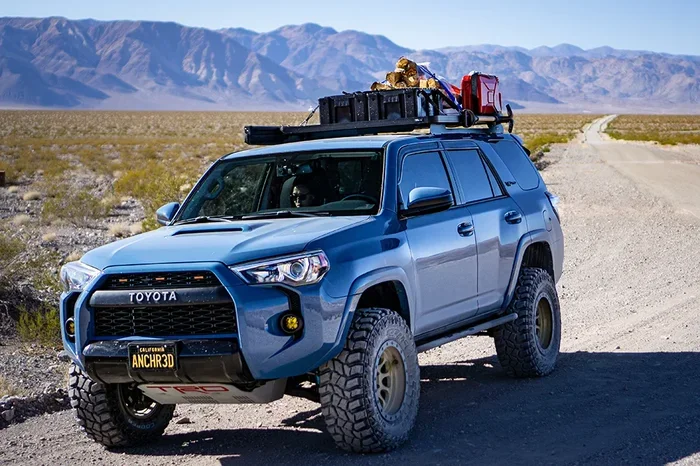
The 4Runner community loves to modify their trucks. Aftermarket lifts, all-terrain tires, and roof racks are popular upgrades. But not all modifications are created equal when it comes to resale value.
Here is a quick guide:
- Help value: All-terrain tires, roof rack, bed liner, and factory-style accessories
- Neutral: Basic lift kits and skid plates (as long as they are well-installed)
- Hurt value: Aggressive lifts, custom interiors, neon lighting, and overly niche modifications
If you love modifying your truck, try to stick with accessories that appeal to a broad audience. When you are ready to sell, a truck that looks and feels close to stock will attract more buyers and command a better truck market value.
Keep It Clean and Well-Maintained
This sounds obvious, but it is worth repeating. A clean, well-cared-for truck always sells faster and for more money. Wash the exterior regularly, vacuum the interior, and address small issues before they become big problems. A used Toyota 4Runner cost goes up significantly when the truck looks and runs like it just rolled off the lot.
Also, consider getting a pre-purchase inspection if you are buying used. This gives you peace of mind and helps you avoid surprises that could tank your Toyota 4Runner price trend later on.
The Bottom Line on Toyota 4Runner Value
The Toyota 4Runner is one of the smartest purchases you can make if you care about long-term value. Its combination of Toyota reliability, strong off-road capability, and loyal fan base creates a vehicle that holds its value like few others in the segment.
When you compare the Toyota 4Runner resale value to competitors, the advantage is clear. Lower depreciation, lower Toyota 4Runner ownership cost, and stronger 4Runner demand all work in the owner’s favor. Whether you buy new or used, the 4Runner is a truck that rewards you for your patience and smart decision-making.
If you are in the market for a rugged SUV that will serve you well for years and still hold its worth when it is time to move on, the 4Runner should be at the top of your list. It is not just a truck. It is a long-term investment that keeps giving back.
Frequently Asked Questions
Why does the Toyota 4Runner hold its value so well?
The 4Runner benefits from Toyota reliability, strong off-road capability, and a loyal fan base that drives consistent 4Runner demand. Its body-on-frame design and simple mechanical setup also contribute to long-term durability and strong Toyota 4Runner resale value.
What is the average depreciation rate for a Toyota 4Runner?
Most 4Runners lose about 30% to 35% of their value over five years. This is significantly lower than the average truck depreciation rate for most SUVs and trucks in the same class, making the 4Runner one of the best vehicles for SUV value retention.
Which model year 4Runner holds the most value?
The 2010 through 2014 model years are widely considered the best for value retention. These trucks offer a proven balance of modern features, reliability, and strong demand in the used market, keeping the Toyota 4Runner price trend steady.
Do modifications hurt a 4Runner’s resale value?
It depends on the type of modification. Factory-style accessories like all-terrain tires and roof racks generally help. But aggressive lifts, custom interiors, and niche upgrades can limit your buyer pool and reduce your truck market value when selling.
How does the 4Runner compare to the Honda CR-V in terms of value?
The 4Runner holds its value significantly better than the Honda CR-V. While the CR-V is an excellent SUV, the 4Runner’s rugged capability and Toyota reliability give it an edge in long-term SUV value retention and lower overall Toyota 4Runner ownership cost.
Is it better to buy a new or used 4Runner for value?
Buying used is generally the better move for value. A 3- to 5-year-old 4Runner has already absorbed the steepest part of depreciation, and you can still enjoy strong Toyota 4Runner resale value when it is time to sell again.
=== CONCLUSION ===
The Toyota 4Runner proves that not all trucks are created equal when it comes to holding value. From its legendary Toyota reliability to its unmatched off-road capability, the 4Runner delivers something most vehicles cannot. A strong Toyota 4Runner resale value means less money lost over time and more value in your pocket when you are ready for a change.
By choosing the right model year, staying on top of maintenance, and making smart modification choices, you can maximize every dollar you invest. The 4Runner is not just a vehicle. It is a smart, long-term investment that rewards careful ownership with enduring value.
Whether you are a first-time buyer or a longtime Toyota fan, the message is clear. If you want a truck that holds its value better than the competition, the Toyota 4Runner should be your first choice.
Before you make your next purchase, take a moment to research the fair market value of a car in your area. Use tools and resources to understand what your truck is truly worth, and negotiate from a position of knowledge. The more informed you are, the better your decisions will be.
Keep your truck maintained, drive it with confidence, and enjoy the road ahead. The Toyota 4Runner is built to go the distance, and so is the value it brings to your life.