Where Is the TPMS Reset Button Located on Your Car
The TPMS reset button location varies by vehicle, but it is typically found under the steering column, on the dashboard, or inside the glove box. Knowing where to look saves time and money when your tire pressure warning light stays on after you fix the pressure. This guide walks you through every common location and reset method for all car brands.
This is a comprehensive guide about Where Is the TPMS Reset Button Located?.
Key Takeaways
- Common Locations: The TPMS reset button is usually found under the steering wheel, on the dashboard, or inside the glove box.
- Brand-Specific Spots: Different car brands hide the reset button in unique places, so always check your owner’s manual first.
- Reset Procedures Vary: Some vehicles use a simple button press, while others require a menu-based reset through the infotainment system.
- Check Your Tire Pressure First: Always verify and set the correct tire pressure before attempting any reset.
- Warning Light Persists? A TPMS light that stays on could signal a sensor problem, not just low pressure.
- Related Maintenance: Resetting after an oil change or clearing the check engine light may also involve similar reset procedures.
[FEATURED_IMAGE_PLACEHOLDER]
Where Is the TPMS Reset Button Located?
If you have ever driven down the road and spotted a yellow horseshoe-shaped warning light on your dashboard, you are not alone. That light is your TPMS warning light, and it means your tire pressure monitoring system has detected something is off. The first question most drivers ask is simple: where is the TPMS reset button?
The truth is there is no single universal spot for this button. Car manufacturers place it in different locations depending on the make, model, and year of your vehicle. Some cars have a dedicated physical button you can press in seconds. Others require you to navigate through a digital menu on your infotainment screen. And a few models do not even have a traditional reset button at all.
In this guide, we will walk you through every common TPMS reset button location you might encounter. We will also cover how to reset the system step by step, what to do if the light stays on, and when to seek professional help. Whether you drive a sedan, SUV, or truck, this article has you covered.
Always check your owner’s manual before starting any reset procedure. The manual will tell you the exact location and method for your specific vehicle. With that said, let us dive into the most common places you will find the TPMS reset button.
Common TPMS Reset Button Locations
Most vehicles fall into a few categories when it comes to where the TPMS reset button is hidden. Below are the most common spots you should check first.
Under the Steering Wheel
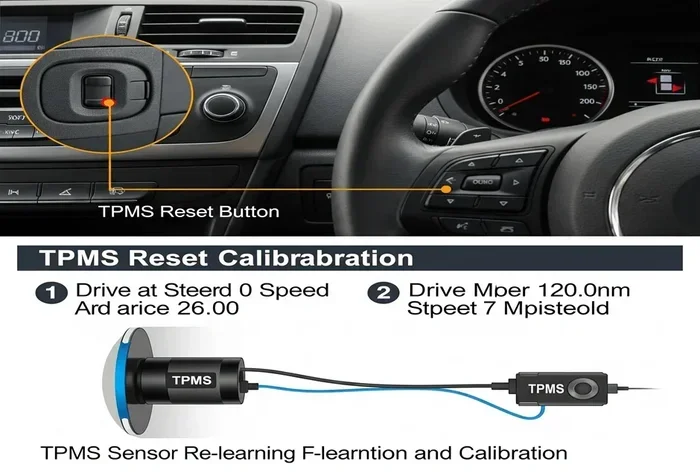
The most frequent location for a TPMS reset button is beneath the steering column. On many cars, you will find it tucked just below the left side of the steering wheel, near the area where your knees rest. It is usually a small, round button that may be labeled “TPMS,” “SET,” or have a tire icon on it.
To find it, simply crouch down and look under the dash on the driver’s side. You may need to feel around with your fingers because the button can be flush with the panel. In some vehicles, you might need to remove a small plastic cover to access it.
On the Dashboard Console
Some cars place the TPMS reset button on the center console or the dash area near the steering column. This is common in older models and certain economy vehicles. The button is often grouped with other small controls like the fog light switch or the trip meter reset button.
Take a close look at the area between the steering wheel and the center stack. If you see a cluster of small buttons, one of them might be your TPMS reset. The labeling can be tiny, so use a flashlight if needed.
Inside the Glove Box
A few vehicle models hide the TPMS reset button inside the glove compartment. This is less common but definitely worth checking. Open your glove box and look along the sides or the top edge for a small button or a pinhole.
Some cars use a pinhole-style reset button in the glove box, which means you need a paperclip or a small pin to press it. This design keeps the button hidden and prevents accidental resets.
Through the Infotainment System
Modern vehicles are moving away from physical buttons altogether. Many newer cars let you reset the TPMS through the infotainment touchscreen. The exact path varies by brand, but it is usually found under Settings, then Vehicle, then Tire Pressure or TPMS.
For example, some Ford models let you reset the TPMS through the steering wheel controls and the instrument cluster menu. Toyota and Honda vehicles often use a combination of the steering wheel buttons and the dashboard display. Check your manual for the exact menu path.
Near the Fuse Box or Under the Hood
In rare cases, some vehicles have a TPMS reset option accessible through the engine bay. This might be a fuse you remove, a relay you swap, or a connector you unplug for a few seconds. This method is uncommon and usually reserved for older or specialty vehicles.
If you cannot find a reset button anywhere inside the cabin, check your owner’s manual for under-hood reset procedures. However, most drivers will find the button inside the car itself.
How to Reset Your TPMS: Step-by-Step
Now that you know where the button might be, let us walk through the actual reset process. The steps below cover the most common method, but remember that your vehicle may differ slightly.
Step 1: Check Your Tire Pressure
Before you reset anything, make sure your tires are at the correct pressure. The recommended PSI is listed on a sticker inside the driver’s door jamb or in your owner’s manual. Use a reliable tire pressure gauge to check each tire, including the spare if applicable.
Inflate any tires that are low to the recommended pressure. Driving on underinflated tires is dangerous and can cause uneven wear, poor fuel economy, and blowouts. Never reset the TPMS without first fixing the actual pressure problem.
Step 2: Turn the Ignition to the “On” Position
Insert your key or press the start button to turn the ignition to the “On” position without starting the engine. The dashboard lights should illuminate, but the engine should not crank. This puts the vehicle in accessory mode.
Step 3: Locate and Press the Reset Button
Find the TPMS reset button using the locations we discussed above. Press and hold the button until you see the TPMS warning light on the dashboard blink three times. Release the button and wait a few seconds.
Some vehicles require you to hold the button for 5 to 10 seconds. Others respond almost immediately. If you are unsure, refer to your owner’s manual for the exact hold time.
Step 4: Start the Engine and Drive
Start the engine and drive the vehicle for about 10 to 20 minutes at speeds above 20 mph. The system needs time to relearn the tire pressure readings. After a short drive, the TPMS light should turn off and stay off.
If the light comes back on after a few days, one of your tires may have lost pressure again, or a sensor may be failing. In that case, you should check your tire pressure again and inspect the sensors.
Step 5: Verify the Reset Was Successful
After driving for a while, glance at your dashboard to confirm the TPMS light is off. If it stays off, your reset was successful. If it returns or never went away, there may be a deeper issue we will cover in the next section.
Why Your TPMS Light Might Stay On After Reset
Resetting the TPMS is not always a one-time fix. Sometimes the light comes right back, and that can be frustrating. Here are the most common reasons why your tire pressure warning light stays on even after a reset.
One or More Tires Are Still Underinflated
This is the number one reason the TPMS light returns. Even a small loss of a few PSI can trigger the system. Temperature changes also affect tire pressure. Cold weather can cause tires to lose 1 to 2 PSI for every 10-degree drop in temperature.
Go back and recheck all four tires with a tire pressure gauge. Make sure each tire matches the recommended PSI on the door jamb sticker. Do not forget to check the spare tire as well.
Faulty TPMS Sensor
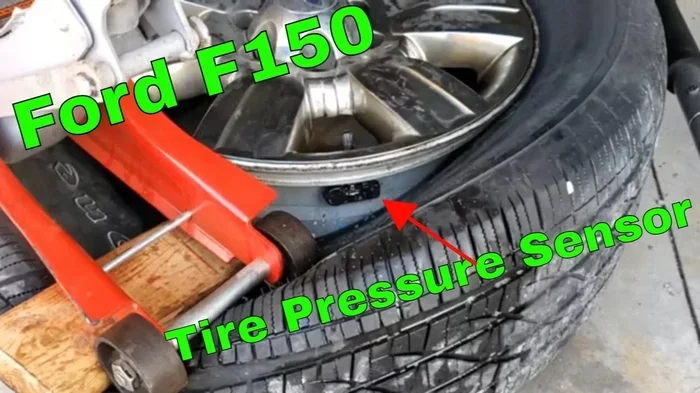
Each tire has a small sensor inside the valve stem that sends pressure data to your car’s computer. These sensors have batteries that eventually die, usually after 5 to 10 years. A dead sensor cannot send data, which triggers the warning light.
If you have checked your tire pressure and everything looks fine, a faulty sensor is likely the culprit. Replacing a TPMS sensor costs between $50 and $250 per sensor depending on your vehicle. Some tire shops can replace the sensors for you during a routine tire service.
TPMS System Malfunction
Sometimes the entire TPMS system has a glitch. This can happen after a battery disconnect, a new battery installation, or a recent tire rotation. A system malfunction may require a diagnostic scan tool to identify and clear the error code.
Many auto parts stores offer free diagnostic scanning. You can also visit a dealership or tire shop to have the system checked. If you are comfortable with basic car maintenance, you might also try clearing the check engine light yourself using an OBD-II scanner, though this does not always fix TPMS issues.
Recent Tire or Wheel Replacement
If you recently replaced tires or wheels, the TPMS sensors may not be properly seated or relearned. Some vehicles need a relearn procedure after tire changes. This is especially common with direct TPMS systems that use individual sensors inside each wheel.
Ask your tire shop if they performed the TPMS relearn procedure after your tire service. If not, you may need to do it yourself using the reset method described earlier.
TPMS Reset by Vehicle Brand
Different car brands have different reset procedures and button locations. Here is a quick overview of how some popular brands handle TPMS resets.
| Brand | Button Location | Reset Method |
|---|---|---|
| Toyota | Under steering wheel or in the glove box | Press and hold until the TPMS light blinks |
| Honda | Left side of the dashboard below the steering wheel | Press and hold the “TPMS” or “SET” button |
| Ford | Below the steering column or through the infotainment menu | Use steering wheel controls to navigate to TPMS reset |
| Chevrolet | Under the steering column or in the driver information center | Press and hold the set button, then drive for 10 minutes |
| Nissan | On the dashboard console near the steering column | Press the TPMS button and hold for 3 seconds |
These are general guidelines. Always refer to your specific vehicle’s owner manual for the exact procedure. If you do not have the manual, you can usually find a digital copy on the manufacturer’s website.
Quick Tips for TPMS Maintenance
Taking care of your TPMS system can save you time, money, and headaches. Here are some practical tips to keep your tire pressure monitoring system working properly.
- Check your tire pressure monthly. Do not wait for the warning light to tell you something is wrong. A simple monthly check with a tire pressure gauge keeps your tires in great shape.
- Reset after every tire service. Whether you rotated your tires, replaced a flat, or just added air, performing a TPMS reset afterward helps the system recalibrate correctly.
- Replace TPMS sensor batteries on schedule. Most sensor batteries last about 5 to 10 years. If your vehicle is older, consider having the sensors checked proactively.
- Do not ignore the warning light. A flashing TPMS light is different from a steady one. A flashing light often indicates a malfunction rather than low pressure. Take it seriously and get it checked.
- Keep your valve stems capped. Missing valve stem caps let moisture and debris enter the sensor, which can cause damage over time. These small caps cost almost nothing but protect expensive sensors.
- Reset after an oil change too. Some vehicles require multiple system resets after maintenance services. If you recently had an oil change and see new warning lights, try a general system reset.
When to See a Professional
Most TPMS resets are simple and take just a few minutes. However, there are times when you should leave it to the professionals. If you have tried resetting the system multiple times and the light keeps coming back, something deeper is going on.
Similarly, if your TPMS light is flashing rather than solid, this usually signals a sensor malfunction or a communication error between the sensors and the car’s computer. A professional mechanic or dealership can run a diagnostic scan and pinpoint the exact problem.
It is also worth noting that some advanced vehicles have indirect TPMS systems that use wheel speed sensors instead of individual pressure sensors. These systems do not have a physical reset button at all. Instead, the reset is done through the vehicle’s computer menu. If you own one of these vehicles, do not waste time looking for a physical button.
Finally, if you are unsure about any part of the process, there is no shame in visiting a tire shop or dealership. Many places will reset your TPMS for free or for a small fee. Can you negotiate the price of an oil change? The same principle applies to many service items, including TPMS resets. Always ask if there is a fee before letting them proceed.
Common Mistakes People Make When Resetting TPMS
Avoid these common errors to save yourself frustration and potential safety risks.
- Resetting without checking tire pressure first. This is the biggest mistake. If your tires are actually low, resetting the light just hides the problem and puts you at risk.
- Not driving long enough after the reset. The system needs time to relearn the tire readings. Driving for at least 10 minutes at moderate speed is essential.
- Confusing the TPMS reset with the oil change reset. These are two different systems. The oil change reset procedure is not the same as the TPMS reset, even though some vehicles use similar button locations.
- Assuming the light is always about tire pressure. The TPMS light can also come on due to temperature changes, sensor battery failure, or system errors. Always investigate before assuming it is just low air.
- Ignoring the owner’s manual. Every vehicle is different. What works for a Honda may not work for a Ford. Your manual is the best resource for the exact reset procedure.
TPMS and Overall Vehicle Safety
The TPMS is more than just a dashboard nuisance. It is a safety feature designed to keep you and your passengers safe. Underinflated tires can lead to reduced traction, longer stopping distances, and increased risk of blowouts, especially at highway speeds.
According to the National Highway Traffic Safety Administration, tire-related crashes account for thousands of accidents every year. Many of these incidents involve underinflated tires that the driver did not know were unsafe. The TPMS exists specifically to prevent these situations by alerting you early.
Beyond safety, properly inflated tires also improve your fuel economy and extend tire life. A well-maintained TPMS system ensures your tires perform at their best. So even if the warning light annoys you, remember that it is ultimately there to protect you.
Also, keep in mind that checking tire pressure is just one part of overall vehicle maintenance. Regular oil changes, brake inspections, and fluid checks all contribute to a safe and reliable car. If you are new to car ownership, learning how to check your oil level and tell if your car is low on oil are equally important skills to develop alongside understanding your TPMS system.
Conclusion
Finding the TPMS reset button does not have to be a guessing game. As we have covered, the button is most commonly located under the steering wheel, on the dashboard console, inside the glove box, or accessible through the infotainment system. Each vehicle is different, so always start by consulting your owner’s manual.
Remember to check your tire pressure first, reset the system using the correct method for your car, and drive for at least 10 minutes to let the system relearn. If the light comes back, do not ignore it. A persistent TPMS warning can indicate low tire pressure, a dead sensor battery, or a system malfunction that needs professional attention.
Taking a few minutes to understand your TPMS system pays off in safety, fuel savings, and tire longevity. Keep this guide bookmarked for the next time your tire pressure light comes on, and you will know exactly what to do.
Frequently Asked Questions
Can I drive my car with the TPMS light on?
You can drive short distances with the TPMS light on, but it is not recommended. The light means your tire pressure is likely too low or too high, which affects handling, braking, and fuel economy. Check your tire pressure as soon as possible and inflate to the recommended level before driving long distances.
How long does a TPMS reset take?
A TPMS reset usually takes about 5 to 10 minutes. The actual button press takes only a few seconds, but you need to drive the vehicle for 10 to 20 minutes afterward for the system to relearn the tire pressure readings. If the light returns after driving, there may be an underlying issue that needs attention.
Can I reset the TPMS without a button?
Yes, many newer vehicles do not have a physical TPMS reset button. Instead, you can reset the system through the infotainment or dashboard menu. Navigate to the vehicle settings, find the TPMS or tire pressure option, and follow the on-screen prompts to complete the reset.
Why does my TPMS light come on in cold weather?
Cold weather causes tire pressure to drop because air contracts in lower temperatures. A temperature drop of 10 degrees Fahrenheit can reduce tire pressure by about 1 PSI. This can trigger the TPMS light even if your tires were properly inflated before the cold snap. Simply inflate your tires to the recommended PSI, and the light should go away after a reset.
How much does it cost to replace a TPMS sensor?
TPMS sensor replacement typically costs between $50 and $250 per sensor, depending on your vehicle make and model. Labor costs are usually included in this price range. Some tire shops offer free sensor replacement if you purchase new tires from them. If you are getting a tire rotation or other service, ask if the TPMS sensor check is included.
Is the TPMS reset the same as the oil change reset?
No, they are two different systems. The TPMS reset clears the tire pressure warning light, while the oil change reset reminds you that it is time for your next oil service. They may share a physical button in some vehicles, but the procedures and purposes are completely different. Always confirm which system you are resetting before proceeding.