Is It Worth Replacing All 4 Tires on Your Car Today
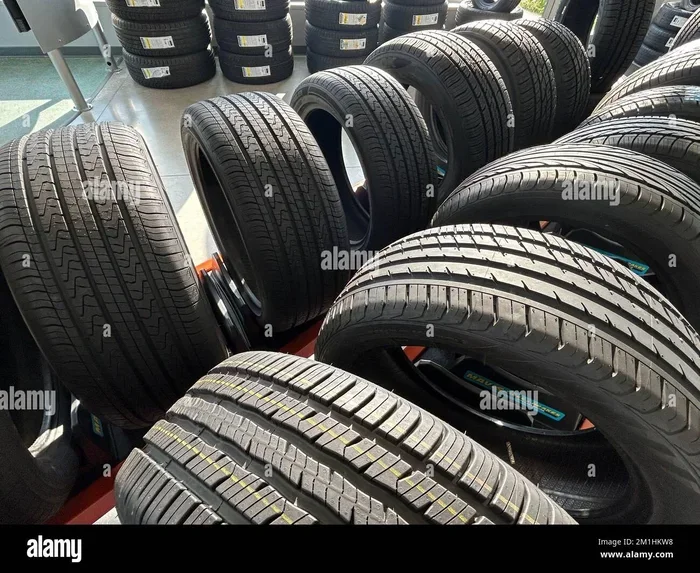
Replacing all 4 tires at once is often the safest choice for your vehicle. It ensures balanced traction, better handling, and longer tire life. However, the cost can be significant, so understanding when it is truly necessary helps you make a smart decision. This guide covers everything you need to know about replacing all 4 tires safely and affordably.
Your tires are the only part of your car that touches the road. That means they affect everything from braking to cornering to fuel efficiency. So when it is time to replace them, the big question is whether you should swap out all four or just a couple.
The answer is not always straightforward. It depends on your vehicle type, driving habits, budget, and the condition of your current tires. Replacing all 4 tires is often the safest route, but it is not always required. In this guide, we will walk you through every factor so you can make the best decision for your car and your wallet.
Key Takeaways
- Safety First: Matching all four tires improves traction, braking, and overall vehicle stability.
- Cost Matters: Full replacement can range from $400 to $1,200+ depending on tire type and vehicle.
- Two vs. Four: Replacing just two tires works in some cases but requires careful matching.
- AWD Systems: All-wheel drive vehicles almost always need all four tires replaced together.
- Tire Age Matters: Even with good tread, old tires can be dangerous and should be replaced.
- Maintenance Extends Life: Regular rotations and alignments help your tires last longer.
- Warranty Benefits: New tires often come with warranties that protect your investment.
📑 Table of Contents
- Why Replacing All 4 Tires Matters
- When Can You Replace Just Two Tires?
- How Much Does It Cost to Replace All 4 Tires?
- How to Know When Your Tires Need Replacing
- Choosing the Right Tires for Your Vehicle
- Common Mistakes People Make When Replacing Tires
- Expert Insights on Tire Replacement
- Final Thoughts
Why Replacing All 4 Tires Matters
Most drivers do not think about their tires until something goes wrong. A flat, a vibration, or a visual check showing low tread. By then, the question becomes urgent. Should you replace one, two, or all four tires?
The truth is that your tires work as a team. When one tire is significantly different from the others, it throws off the balance. This affects how your car handles, brakes, and even how much fuel it uses. Let us break down why replacing all four tires is usually the better choice.
Balanced Traction and Handling
When all four tires have the same tread depth and pattern, your car grips the road evenly. This is especially important in wet or snowy conditions. Mismatched tires can cause one corner of the car to lose traction before the others. That can lead to sliding or hydroplaning.
New tires also have deeper grooves. These grooves channel water away from the road surface. Old tires with worn tread cannot do this as effectively. So replacing all four ensures every corner of your car has the same level of grip.
Protecting Your Drivetrain
This is a point many car owners overlook. If you drive an all-wheel drive or four-wheel drive vehicle, the system relies on all tires spinning at the same rate. When one tire is a different size or has different tread wear, it forces the drivetrain to work harder.
Over time, this extra stress can damage expensive components. We are talking about transfer cases, differentials, and axle assemblies. Repairing these parts can cost thousands of dollars. Replacing all 4 tires at once prevents this costly problem.
Even if you drive a front-wheel drive or rear-wheel drive car, mismatched tires can cause uneven wear on your suspension and steering parts. So the benefits of a full set go beyond just the tires themselves.
Consistent Braking Performance
Your brakes depend on all four tires gripping the road equally. If one tire has significantly less tread, it will take longer to stop on that corner. In an emergency stop, this difference can be the gap between a safe halt and a collision.
New tires on all four corners give you the shortest stopping distance. This is not just a numbers game. It is about real-world safety every time you hit the road.
When Can You Replace Just Two Tires?
Replacing all four tires is ideal, but it is not always practical. Sometimes your budget does not allow it. Or maybe only two tires are truly worn out. In these situations, replacing just two tires can work. But there are important rules to follow.
The Matching Rule
The most important rule is that the two new tires must match the two remaining tires as closely as possible. This means the same brand, model, size, and tread pattern. Ideally, the new tires should have a tread depth within 2/32 of an inch of the old ones.
Installing two new tires on the rear axle is generally the safest approach for most cars. The rear tires provide stability, and having better tread on the back helps prevent oversteer and fishtailing. This is especially true for front-wheel drive vehicles.
However, if your rear tires are the ones that are worn, you may need to put the new tires on the back and move the partially worn tires to the front. A tire professional can help you decide the best placement.
When Two New Tires Are Not Enough
There are situations where replacing only two tires is a bad idea. If your remaining tires have less than 4/32 of an inch of tread, putting new tires on just one axle creates a dangerous imbalance. The new tires will grip much better than the old ones, which can cause handling problems.
Also, if you drive an AWD vehicle, most manufacturers strongly recommend replacing all four tires at the same time. The difference in tire diameter, even if small, can damage the transfer case. If you are unsure, check your vehicle owner manual or consult a trusted mechanic.
It is also worth noting that some drivers look into whether they can clean or refurbish parts instead of replacing them for cost savings. Unfortunately, tires are not like air filters. Once the tread is worn, there is no safe way to restore it.
How Much Does It Cost to Replace All 4 Tires?
The cost of replacing all four tires can vary a lot. Your vehicle type, the tire brand you choose, and where you live all play a role. Let us look at the typical price ranges so you can plan your budget.
| Tire Category | Price Per Tire | Total for 4 Tires | Best For |
|---|---|---|---|
| Budget All-Season | $80 – $130 | $320 – $520 | Daily driving, mild weather |
| Mid-Range All-Season | $130 – $200 | $520 – $800 | All-weather reliability |
| Premium All-Season | $200 – $300 | $800 – $1,200 | Performance and comfort |
| Winter/Snow Tires | $150 – $300 | $600 – $1,200 | Snow and ice driving |
| Performance Tires | $200 – $400 | $800 – $1,600 | Sports cars, high handling |
These prices include the tire only. Add installation, balancing, and disposal fees, and you might pay another $100 to $200 on top. Some shops offer package deals that include mounting, balancing, and a lifetime rotation for a flat fee.
Keep in mind that the cost of replacing all four tires is an investment in your safety. Worn tires are a leading cause of accidents, especially in bad weather. Think of it this way: a full set of tires might cost a few hundred dollars, but a collision repair can cost thousands.
Also, some vehicles need larger or more specialized tires, which increases the cost. For example, trucks and SUVs often require bigger tires that cost more per unit. Luxury vehicles may need performance-rated tires that carry a premium price tag.
Saving Money on Tire Replacement
If the full cost feels steep, there are ways to reduce the expense. Many tire retailers run seasonal promotions, especially in spring and fall. You can also look for manufacturer rebates on specific tire brands. Some credit cards offer cash back or points for automotive purchases, including tires.
Another option is to buy tires online and have them installed at a local shop. Online prices are often lower because online retailers have lower overhead costs. Just make sure the tires you order are the correct size and specifications for your vehicle.
How to Know When Your Tires Need Replacing
Tires do not always give obvious signs that they need replacing. Many drivers assume they will feel a difference, but modern tires can lose a lot of grip before you notice anything. Here are the key warning signs to watch for.
The Penny Test
The penny test is the simplest way to check your tire tread. Take a penny and insert it into the tread groove with Lincoln’s head upside down. If you can see the top of his head, your tread is too worn and the tire needs replacing.
If Lincoln’s head is partially covered by the tread, you still have some life left. But if the tread barely reaches his hairline, it is time to start shopping for new tires. This test works well for all four tires, so you can check them all at once.
Tire Age and Cracking
Tire tread is not the only thing that wears out. Rubber degrades over time, even if the tread looks fine. Most tire manufacturers recommend replacing tires that are six years old or older, regardless of tread depth. After ten years, all tires should be replaced no matter what.
Check the sidewall for a four-digit DOT code. The first two digits represent the week of manufacture, and the last two represent the year. For example, a code of 1523 means the tire was made in the 15th week of 2023.
Also look for cracking or dry rot on the sidewalls. These small cracks in the rubber mean the tire is aging and could fail. Driving on cracked tires is dangerous, especially at highway speeds.
Vibrations and Pulling
If your car vibrates at highway speeds or pulls to one side, your tires might be the culprit. Uneven wear patterns can indicate alignment problems, worn suspension parts, or tires that are no longer safe.
A tire professional can inspect your tires and tell you whether the wear is normal or a sign of a deeper problem. Sometimes a simple alignment fix can save your remaining tires from premature wear.
Visible Damage
Bulges, cuts, and punctures are obvious signs that a tire needs replacing. A bulge on the sidewall means the internal structure is compromised. Driving on a bulging tire risks a sudden blowout, which is extremely dangerous at any speed.
If you notice any of these signs on even one tire, get it inspected right away. Sometimes a small problem on one tire can be a warning that all your tires are aging together.
Choosing the Right Tires for Your Vehicle
Once you decide to replace all four tires, the next step is picking the right ones. The tire aisle at a store can be overwhelming. There are so many brands, sizes, and types. Here is how to narrow down your choices.
Consider Your Driving Conditions
Think about the weather and roads you drive on most often. If you live in a place with mild winters, all-season tires are a solid choice. They handle dry roads, wet roads, and light snow reasonably well.
If you live in an area with heavy snow and ice, dedicated winter tires are worth the investment. They use a different rubber compound that stays flexible in cold temperatures. The tread pattern is designed to bite into snow and channel slush away from the contact patch.
For drivers in hot, dry climates, touring tires or performance tires might be a better fit. They are built for comfort and handling on paved roads. Some all-weather tires are designed to handle both summer and winter conditions, giving you year-round capability.
Match the Tire to Your Vehicle
Your vehicle manual lists the recommended tire size, load rating, and speed rating. Always follow these specifications. Using the wrong size tire can affect your speedometer accuracy, fuel economy, and safety.
If you drive an SUV or truck, you might be tempted to upgrade to larger tires. While this can look great, it can also affect your gearing, handling, and even your warranty. Check with your dealer or a tire specialist before making a size change.
For example, if you drive a Toyota RAV4, you might want to check whether all RAV4 models use the same tire size before making a purchase. Different trim levels and model years can use different tire sizes, so confirming this detail saves time and money.
Brand Reputation and Reviews
Stick with well-known tire brands that have a track record of quality and safety. Brands like Michelin, Goodyear, Bridgestone, Continental, and Pirelli are trusted by mechanics and drivers alike. Read online reviews from other owners who drive the same vehicle model as you.
Pay attention to ratings for traction, treadwear, and noise. Traction ratings tell you how well the tire stops on wet roads. Treadwear ratings give you an idea of how long the tire will last. Noise ratings measure how much road noise the tire produces inside the cabin.
Warranty and Roadside Assistance
A good tire warranty protects you against premature wear and defects. Many premium tires come with a treadwear warranty that covers a certain number of miles. Some also include roadside assistance or a satisfaction guarantee that lets you return the tires within a set period.
Read the warranty details carefully. Some warranties require regular tire rotations to remain valid. Others have prorated coverage, meaning you get partial credit if you need to replace a tire before the warranty period ends.
Common Mistakes People Make When Replacing Tires
Even well-meaning car owners sometimes make mistakes when replacing tires. Avoiding these common errors can save you money, time, and most importantly, keep you safe on the road.
Mixing Tire Brands and Models
One of the biggest mistakes is putting different tire brands or models on the same axle. Each tire brand uses a different rubber compound and tread design. When you mix them, the handling becomes unpredictable. The car might pull to one side or behave differently in wet conditions.
Always install matching pairs on the same axle. And if you are replacing all four, try to get the exact same tire. This gives you the most consistent performance across all four corners.
Ignoring Tire Rotation
Tires wear unevenly depending on their position on the car. Front tires typically wear faster on front-wheel drive vehicles because they handle steering and braking. Regular tire rotation moves the tires to different positions so they wear evenly.
Most experts recommend rotating your tires every 5,000 to 7,500 miles. This simple habit can add thousands of miles to your tire life. It also helps you spot alignment or suspension problems early, before they cause uneven wear.
Interestingly, some drivers wonder if cleaning parts instead of replacing them can save money. While this works for items like engine air filters, it does not apply to tires. Once the tread is worn, replacement is the only safe option.
Skipping the Alignment
If your car pulls to one side or your tires wear unevenly, you need an alignment. New tires on a misaligned car will wear out fast on one side. You could lose thousands of miles of tire life in just a few months.
An alignment is not expensive, especially compared to the cost of replacing tires early. Most alignments cost between $75 and $150. It is one of the best investments you can make after installing new tires.
Overlooking Tire Pressure
Underinflated tires wear out faster on the outer edges of the tread. Overinflated tires wear out faster in the center. Both conditions reduce your fuel economy and compromise your safety.
Check your tire pressure at least once a month. The recommended pressure is listed on a sticker inside the driver door frame or in your owner manual. Do not rely on the number printed on the tire itself, as that is the maximum pressure, not the recommended pressure.
Expert Insights on Tire Replacement
We spoke with several certified tire technicians to get their top recommendations for drivers facing the decision of replacing all four tires.
Tip 1: Replace tires in pairs or all four. Most technicians agree that replacing all four at once is the gold standard. If that is not possible, replace at least two tires on the same axle and make sure they match the existing tires as closely as possible.
Tip 2: Do not skip the valve stems. When you buy new tires, the valve stems are often included. Old valve stems can crack and leak air. Replacing them along with the tires is a small cost that prevents slow leaks.
Tip 3: Keep your receipt and warranty documentation. If a tire fails prematurely, you will need proof of purchase and installation date. Many tire shops keep digital records, but it does not hurt to keep your own copy as well.
Tip 4: Consider road hazard coverage. Some tire retailers offer road hazard protection for an additional fee. This covers flats, punctures, and road damage for a set period. It can be worth it if you drive frequently or on rough roads.
Final Thoughts
So, is it worth replacing all 4 tires? The short answer is yes, in most cases. New tires on all four corners give you the best safety, handling, and longevity. They keep your car balanced and protect your drivetrain from unnecessary wear.
That said, replacing just two tires can work when done correctly. The key is matching the new tires to the existing ones and putting them on the correct axle. Always check your vehicle manual and consult a trusted tire professional if you are unsure.
Your tires are the foundation of every drive you take. They affect how you start, how you stop, and how you navigate turns. Treating them with care and replacing them when needed is one of the simplest things you can do to stay safe on the road. Replacing all 4 tires might feel like a big expense, but the peace of mind it brings is truly invaluable.
Take the time to research your options, compare prices, and choose tires that fit your driving needs. A little effort upfront saves you money and headaches down the road. Your car, your passengers, and your wallet will all thank you.
Frequently Asked Questions
Can I replace just one tire instead of all four?
Replacing only one tire is generally not recommended. The new tire will have deeper tread and a slightly different diameter than the worn ones. This creates an imbalance that can damage your drivetrain, especially in AWD vehicles. If you must replace only one, match the brand, model, size, and tread depth as closely as possible.
How often should I replace all four tires?
Most tires last between 40,000 and 60,000 miles depending on the brand, driving habits, and road conditions. Regular tire rotations and alignments can help them reach the upper end of that range. Check your tire tread every few months and watch for signs of aging like cracking or bulging.
Is it safe to drive with mismatched tires?
Driving with mismatched tires is not ideal and can be unsafe. Different tire sizes, tread depths, or brands can affect handling, braking, and stability. For short distances or emergency situations, it might be okay, but you should replace the mismatched tire as soon as possible.
Do I need to replace all four tires on a front-wheel drive car?
For front-wheel drive cars, replacing all four tires is recommended but not always strictly required. If the rear tires still have plenty of tread and match the new front tires closely, replacing just the front two can work. However, mismatched tires will cause uneven wear over time.
What happens if I put new tires on the front only?
Putting new tires on the front only can cause the rear tires to lose grip in wet conditions. This is especially dangerous because the rear tires are responsible for keeping the car stable. The car is more likely to spin or hydroplane from the rear, which is harder for drivers to control.
Are expensive tires worth the extra cost?
Premium tires often offer better tread life, wet traction, and ride comfort compared to budget options. They may also include longer warranties and better road hazard protection. While the upfront cost is higher, premium tires can save you money over their lifespan by lasting longer and performing better.