How Long Do Toyota 4Runner Engines Last on Average
The Toyota 4Runner engine is built to last, with many models reaching 250,000 to 300,000 miles with proper care. The 4Runner’s reputation for reliability comes from its rugged design, simple engineering, and strong build quality. Regular maintenance, smart driving habits, and timely repairs play a huge role in how long your specific engine will run.
The Toyota 4Runner has earned a reputation as one of the most durable SUVs on the road. When people buy a 4Runner, they often do so because they want a vehicle that will keep running for decades. And that’s exactly what you get. But how long do Toyota 4Runner engines last on average? The answer depends on several factors, including maintenance habits, driving conditions, and the specific generation of the 4Runner.
If you’re considering buying a used 4Runner or already own one, understanding engine longevity is essential. This guide breaks down everything you need to know about the lifespan of a Toyota 4Runner engine. We’ll cover average mileage expectations, common problems, maintenance tips, and more. By the end, you’ll have a clear picture of what to expect from your 4Runner’s engine.
## Why the Toyota 4Runner Engine Is So Reliable
The Toyota 4Runner has been around since 1984. Over the decades, Toyota has refined the design of the 4Runner to make it incredibly tough. The engine is at the heart of that reliability. Toyota uses simple, proven engineering in the 4Runner. There aren’t a lot of fancy electronics or complex systems that can break down.
### Simple Design Means Fewer Breakdowns
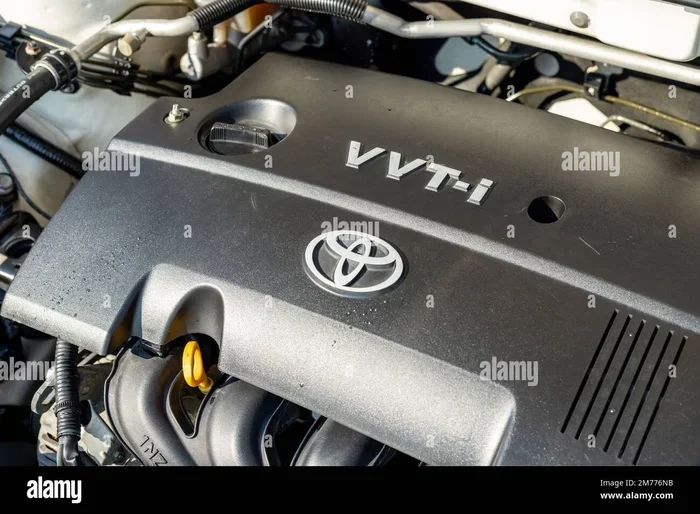
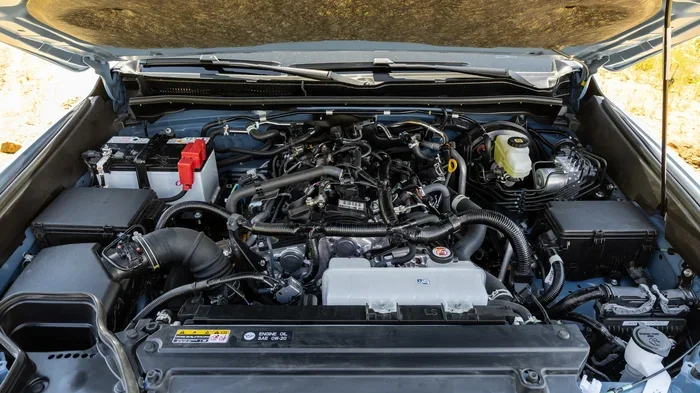
The 4Runner engine uses a straightforward design. Fewer moving parts means fewer things that can go wrong. The engines in most 4Runner models are naturally aspirated V6 units. These engines have been around for a long time and Toyota has perfected them. The simplicity of the design is a big reason why these engines last so long.
### Strong Build Quality
Toyota builds the 4Runner with durability in mind. The engine block is made from high-quality materials that can handle a lot of stress. The internal components are designed to withstand high temperatures and heavy loads. This is why the 4Runner has been a favorite among off-road enthusiasts and daily drivers alike.
## How Long Do Toyota 4Runner Engines Last on Average
The average lifespan of a Toyota 4Runner engine is impressive. Most well-maintained 4Runner engines last between 250,000 and 300,000 miles. Some owners have even pushed their engines past 350,000 miles. But these are not the norm. Most 4Runners will reach the 250,000 to 300,000 mile range with consistent care.
### Average Mileage by Generation
Different generations of the 4Runner have different engine specs. Here is a general breakdown of what to expect from each era.
– 1984-1995 (First Generation): These early 4Runners came with 2.4L and 3.0L engines. With proper care, they can reach 200,000 to 250,000 miles.
– 1996-2002 (Second Generation): The 3.4L V6 engine in these models is a legend. Many last 250,000 to 300,000 miles easily.
– 2003-2009 (Third Generation): Still using the 3.4L V6, these models share the same strong reliability. Expect 250,000 to 300,000 miles.
– 2010-2024 (Fourth Generation): The 4.0L V6 is more powerful. With proper maintenance, these engines commonly reach 250,000 to 300,000 miles.
### Factors That Affect Engine Lifespan
Not every 4Runner engine will hit 300,000 miles. Several factors determine how long your engine will actually last. Let’s look at the biggest ones.
#### Maintenance Schedule
This is the most important factor. A 4Runner that gets regular oil changes, fluid flushes, and timing belt replacements will last far longer than one that doesn’t. Skipping maintenance is the fastest way to shorten your engine’s life.
#### Driving Conditions
If you drive your 4Runner in extreme heat, extreme cold, or dusty conditions, your engine will wear faster. Stop-and-go city driving is harder on the engine than steady highway cruising. Off-roading can also put extra stress on the engine, though the 4Runner is built to handle it.
#### Driving Habits
How you drive matters a lot. Revving the engine hard, towing beyond capacity, and ignoring warning signs all shorten engine life. Gentle acceleration and smooth driving help the engine last longer.
## Common Toyota 4Runner Engine Problems
Even though the 4Runner is reliable, it is not immune to problems. Knowing what can go wrong helps you prevent major damage. Here are the most common engine issues found in 4Runners.
### Oil Consumption Issues
Some 4Runner models, particularly the second and third generations, are known to consume oil. This is not unusual for older Toyota engines, but it should be monitored. Check your oil level regularly and top it off as needed. Ignoring low oil levels can lead to serious engine damage.
### Timing Chain Wear
The timing chain in older 4Runner engines can stretch over time. A stretched timing chain can cause rough idling and reduced performance. Replacing the timing chain is a repair that should not be ignored. If you hear a rattling noise when you start the engine, get it checked right away.
### Overheating Problems
Some 4Runner models have experienced overheating issues. This can be caused by a faulty thermostat, a failing water pump, or a leaking radiator. Overheating can destroy an engine quickly if not addressed. Keep an eye on your temperature gauge at all times.
### Exhaust Manifold Cracks
Cracked exhaust manifolds are a known issue in certain 4Runner years. This can cause a ticking noise from the engine bay. While not always catastrophic, it should be repaired to prevent further damage.
## How to Extend Your 4Runner Engine Life
You can take steps to make sure your 4Runner engine lasts as long as possible. Following these tips will help you get the most miles out of your engine.
### Stick to the Maintenance Schedule
Toyota provides a detailed maintenance schedule for every 4Runner model. Follow it closely. Oil changes every 5,000 to 7,500 miles are essential. Replace the coolant, transmission fluid, and brake fluid on schedule. Each of these services protects your engine in different ways.
### Use Quality Parts and Fluids
Never cheap out on oil or replacement parts. Use synthetic or conventional oil that meets Toyota’s specifications. Cheap parts can fail prematurely and cause cascading damage.
### Address Problems Early
If you notice anything unusual, get it checked. A small noise or a slight drop in performance could signal a bigger problem. Catching issues early saves you from expensive repairs later.
### Warm Up Your Engine
In cold weather, let your 4Runner warm up for a minute or two before driving hard. This allows the oil to circulate and lubricate all the internal components. It’s a simple habit that adds years to your engine.
## When to Consider an Engine Rebuild or Replacement
Sometimes, even with the best care, an engine will need major work. Knowing when to rebuild versus replace is important.
### Signs You Need Engine Work
– Blue or white smoke from the exhaust
– Loss of power or acceleration
– Knocking or ticking sounds from the engine
– Oil pressure warning lights
– Coolant mixing with oil
– Excessive oil consumption
### Engine Rebuild vs. Replacement
An engine rebuild involves taking the engine apart and replacing worn parts. This can cost between $3,000 and $5,000 depending on the damage. A full engine replacement costs more, typically between $5,000 and $8,000 for a 4Runner.
Before spending that kind of money, it is worth checking how much the 4Runner is worth overall. If the vehicle has a high resale value, investing in engine work makes sense. You can use resources to determine the actual cash value of your vehicle before making a decision.
### Cost Considerations
Engine repairs are not cheap. The cost depends on the problem, your location, and the mechanic you choose. According to industry data, the average hourly rate for auto mechanics varies widely. Understanding how much mechanics charge per hour helps you budget for unexpected engine repairs.
## The Role of Diagnostics in Engine Longevity
Modern Toyota 4Runners come with onboard diagnostics that can alert you to engine problems early. When a warning light comes on, don’t ignore it. A full car diagnostic can reveal issues before they become major problems.
The diagnostic process checks your engine’s computer systems for error codes. These codes point to specific problems, from sensor failures to combustion issues. Getting a diagnostic done regularly, especially for older models, can catch small issues before they turn into expensive repairs.
## Eco Mode and Engine Health
Many newer 4Runner models come with an eco mode feature. This mode adjusts engine performance to improve fuel efficiency. But does eco mode affect engine longevity?
Eco mode reduces engine strain by limiting throttle response and shifting earlier. This can reduce wear on internal components over time. However, the fuel savings are modest. If you want to maximize engine life, using eco mode during daily driving is a smart choice. It reduces the overall stress on your engine without sacrificing performance when you need it.
## Parts Availability for Older 4Runners
One challenge of owning an older 4Runner is finding replacement parts. Toyota is known for supporting its vehicles for a long time, but eventually, some parts become harder to find. For older models, parts may be on backorder for weeks or even months.
This is an important consideration if you are buying a high-mileage older 4Runner. Before purchasing, check the availability of key engine parts for that specific model year. Having a relationship with a trusted mechanic or parts supplier can make a big difference.
## Expert Tips for 4Runner Engine Care
Here are some expert-level tips that serious 4Runner owners swear by.
– Check oil every two weeks: Don’t rely solely on the dashboard reminder. Manual checks catch problems early.
– Flush the cooling system every 60,000 miles: Old coolant loses its effectiveness and can cause overheating.
– Replace the timing belt on schedule: A broken timing belt can destroy the engine. Do not skip this service.
– Use a quality oil filter: Cheap filters do not trap contaminants as effectively.
– Keep the engine clean: Dirt and grime can trap heat and accelerate wear.
– Monitor your exhaust: Changes in exhaust color or smell are early warning signs.
## Is a High-Mileage 4Runner Worth Buying?
If you are shopping for a used 4Runner, a high-mileage example can still be a great buy. The 4Runner’s engine is designed to last well beyond 200,000 miles. The key is to get a vehicle with a documented maintenance history.
Look for a 4Runner that has had regular oil changes and fluid services. Avoid vehicles with a history of neglect. A well-maintained high-mileage 4Runner will often outlast a low-mileage vehicle that was not properly cared for.
## Final Thoughts on 4Runner Engine Longevity
The Toyota 4Runner engine is one of the most reliable powertrains in the automotive world. With an average lifespan of 250,000 to 300,000 miles, it can easily serve you for 15 to 20 years or more. The key to unlocking that kind of longevity is consistent maintenance, smart driving habits, and prompt attention to any warning signs.
Whether you are a first-time 4Runner owner or a longtime fan, taking care of your engine pays off in the long run. A well-maintained 4Runner engine will reward you with years of dependable service.
If you are planning to keep your 4Runner for a long time, consider the bigger picture. How long does your 4Runner have left? How much is it worth investing in? These are important questions that every 4Runner owner should ask. The answer often comes down to how well you have cared for the engine over the years.
Take pride in your vehicle. Follow the maintenance schedule, drive responsibly, and your Toyota 4Runner engine will keep running strong for a very long time.
Key Takeaways
- Average Lifespan: Most Toyota 4Runner engines last between 250,000 and 300,000 miles with proper care.
- Key Factor: Regular maintenance is the single biggest factor in extending engine life.
- Common Issues: Some 4Runner generations have known engine problems to watch for.
- Cost Matters: Engine repairs can be pricey, so knowing when to repair vs. replace saves money.
- Driving Style: How you drive directly impacts how long your engine lasts.
- Parts Availability: Older 4Runner models may face parts delays, which affects repair timelines.
Frequently Asked Questions
How many miles can a Toyota 4Runner engine last?
Most Toyota 4Runner engines last between 250,000 and 300,000 miles with proper maintenance. Some well-cared-for models have been known to exceed 350,000 miles. Regular oil changes and timely repairs are the biggest factors in reaching high mileage.
What is the most reliable Toyota 4Runner generation for engine longevity?
The second and third generation 4Runners (1996-2009) are widely considered the most reliable. They use the tried-and-true 3.4L V6 engine, which has a proven track record of lasting hundreds of thousands of miles with basic care.
How much does it cost to replace a Toyota 4Runner engine?
A full engine replacement for a 4Runner typically costs between $5,000 and $8,000, depending on the model year and labor rates in your area. An engine rebuild is usually less expensive, ranging from $3,000 to $5,000. Always get multiple quotes before committing to a repair.
Does towing shorten the life of a 4Runner engine?
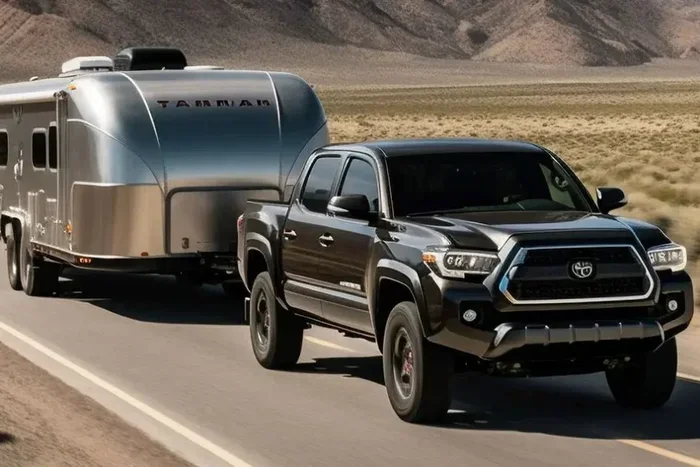
Yes, towing beyond the recommended capacity puts extra stress on the engine. Over time, this can lead to increased wear and earlier engine failure. Always stay within the 4Runner’s towing limits and use the proper transmission fluid and engine oil for towing.
How often should I change the oil in my 4Runner to maximize engine life?
Toyota recommends oil changes every 5,000 to 7,500 miles for most 4Runner models. If you drive in severe conditions, such as extreme heat or dusty environments, you should change the oil more frequently, around every 3,000 to 5,000 miles.
Are 4Runner engines expensive to maintain compared to other SUVs?
No, 4Runner engines are actually quite affordable to maintain. The simple, proven design means fewer complex repairs. While some parts can be pricey for older models, routine maintenance costs are comparable to or lower than many competitors in the SUV class.