Your Guide to the Best Body Work Shops for Cars Today
Finding the right body work shops for cars can make all the difference after an accident or daily wear. This guide covers everything you need to know about choosing a trusted shop, understanding repair costs, and getting your vehicle back in top shape. You will learn what to look for, what to avoid, and how to save money on auto body repair.
Your car takes a beating every day. From minor dings to serious collisions, body work shops for cars are there to restore your vehicle to its former glory. Whether you just got in a fender bender or your car has been slowly deteriorating from rust, finding the right shop matters more than you think. This guide will walk you through everything you need to know about auto body repair, from choosing the right shop to understanding the repair process. By the end, you will feel confident making the best decision for your car and your wallet.
Nobody wants to think about their car getting damaged. But accidents happen, and so does everyday wear and tear. When your vehicle needs repairs, the shop you choose can affect everything from safety to resale value. Not all body work shops for cars are created equal, and picking the wrong one can lead to headaches down the road. Understanding what to look for in a quality shop saves you time, money, and stress. In this article, we will break down the key factors that set the best shops apart from the rest. You will also learn about common repair types, the repair process, and how to avoid costly mistakes.
Key Takeaways
- Choose a certified shop: Look for I-CAR or ASE certifications to ensure quality body work shops for cars deliver real results.
- Get multiple estimates: Always compare at least three body shop estimates before committing to any repair.
- Understand your insurance: Know what your policy covers to avoid surprise costs during collision repair.
- Ask about OEM parts: Original manufacturer parts often last longer than aftermarket alternatives for car body repair.
- Watch for red flags: Pushy sales tactics and vague estimates are warning signs of a bad auto body shop.
- Check warranties: A reputable body work shop for cars stands behind its work with a solid guarantee.
📑 Table of Contents
What to Look for in a Quality Body Work Shop
Not every automotive body shop is worth your trust. Some shops do excellent work, while others cut corners and leave you with a car that looks worse than before. Knowing what to look for helps you narrow down your options and find a shop you can rely on.
Certifications and Credentials
Start by checking the certifications a shop holds. Reputable body work shops for cars often carry I-CAR or ASE certifications. These credentials show that the technicians have undergone proper training and stay updated on the latest repair techniques. A shop without certifications may still do good work, but certifications give you peace of mind. Ask the shop directly about their credentials. A trustworthy auto body repair shop will be happy to share this information.
Customer Reviews and Reputation
Online reviews tell you a lot about a body shop. Look for patterns in the feedback. Are customers consistently happy with the paint matching and final results? Or do complaints about delays and poor quality keep popping up? Check platforms like Google, Yelp, and the Better Business Bureau. Pay attention to how the shop responds to negative reviews. A shop that addresses complaints professionally shows it cares about customer satisfaction. Word of mouth from friends and family also carries weight. Ask around before you commit.
Warranty and Guarantees
A solid warranty is a hallmark of a quality automotive body shop. Good shops stand behind their work and offer warranties on both parts and labor. This means if something goes wrong after the repair, they will fix it at no extra cost. Ask about the warranty details before you sign anything. Find out how long it lasts and what it covers. A shop that offers no warranty at all should raise a red flag. You want a shop that believes in its own craftsmanship.
Common Types of Auto Body Repairs
Cars get damaged in many different ways. Understanding the common types of repairs helps you communicate better with your chosen body work shops for cars. It also helps you set realistic expectations for the repair process.
Dent and Scratch Repair
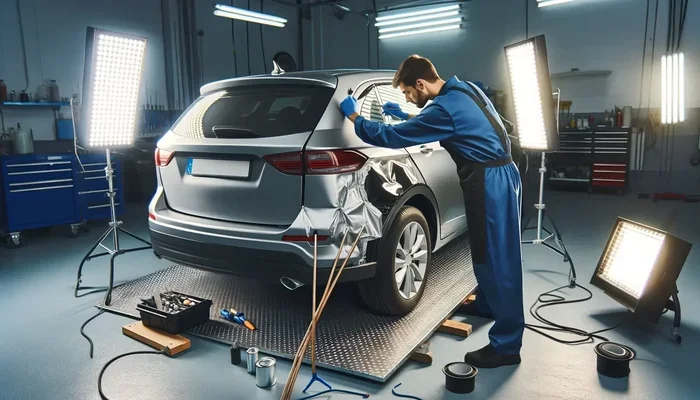
Dents and scratches are among the most common reasons drivers visit a car body shop. Small dents from hail or parking lot dings can often be fixed through paintless dent repair. This technique preserves the original paint and saves you money. Deeper dents may need traditional repair, which involves filling, sanding, and repainting. Scratches range from surface-level clear coat scratches to deep gouges that expose bare metal. A skilled technician will assess the damage and recommend the best approach for car scratch repair and dent removal.
Frame and Structural Repair
After a serious accident, your car may need structural repair or frame alignment. The frame is the skeleton of your vehicle. If it is bent or misaligned, it affects safety and handling. Modern body shops use computer-guided measuring systems to ensure precise frame alignment. This type of repair is complex and should only be done by experienced professionals. Never skip frame repair after a major collision. A crooked frame can lead to dangerous driving conditions and uneven tire wear over time.
Paint and Refinishing Work
Paint damage is more than a cosmetic issue. Exposed metal can rust quickly, leading to bigger problems down the road. Automotive refinishing involves matching your car’s original paint color and applying it evenly. Modern paint matching technology uses spectrophotometers to analyze your car’s exact color code. This ensures a seamless finish. Whether you need a full paint job or touch-up work after hail damage repair, the quality of the paint job makes a big difference in the final look.
How to Choose the Right Body Shop for Your Car
Choosing the right shop is one of the most important decisions you will make after a car accident. Take your time and do your research. A rushed decision often leads to regret.
Get Multiple Estimates
Always get at least three body shop estimates before you commit. Each shop will assess the damage differently and provide a different price. Comparing estimates gives you a better sense of fair pricing. It also helps you spot estimates that seem too low or too high. A very low estimate might mean the shop plans to use cheap parts or skip important steps. A very high estimate does not always mean better quality either. Look for a balance between price and value.
Check Insurance Compatibility
Most insurance claims involve a collision repair shop. Before you choose a shop, check whether it works with your insurance company. Many body shops for cars have direct billing relationships with major insurers. This makes the claims process smoother for you. Ask the shop if they offer direct repair programs (DRP). These programs streamline communication between the shop and your insurance adjuster. It saves you from playing messenger and speeds up the whole process.
Visit the Shop in Person
Do not choose a shop based on a website alone. Visit the location in person. Look at the overall cleanliness and organization. A well-maintained shop usually reflects the quality of work inside. Talk to the staff. Are they knowledgeable and friendly? Do they answer your questions clearly? Trust your instincts. If something feels off, keep looking. There are plenty of body work shops for cars out there, and you deserve a shop that treats you with respect.
The Body Shop Repair Process Explained
Understanding the repair process helps you know what to expect. It also helps you spot any shortcuts a shop might take. Here is a step-by-step look at how professional auto body repair typically works.
Step-by-Step Breakdown
- Initial Assessment: The shop inspects your vehicle and documents all damage. Photos are taken and measurements are recorded.
- Estimate and Approval: You receive a detailed body shop estimate outlining the work needed and the cost. You approve the estimate before work begins.
- Teardown and Hidden Damage: Technicians remove panels to check for hidden damage. This step often reveals issues not visible at first glance.
- Structural Repair: If the frame or chassis is damaged, it gets straightened and aligned using professional equipment.
- Parts Installation: New or refurbished parts are installed. This includes panels, bumpers, and any components that need replacement.
- Body Work and Filling: Dents are pulled, gaps are filled, and surfaces are smoothed for painting.
- Paint and Refinishing: The damaged areas are primed, painted, and clear-coated to match the rest of the vehicle.
- Final Inspection and Quality Check: The completed repair is inspected carefully. The car is test-driven to ensure everything works properly.
Timeline Expectations
Repair timelines vary depending on the severity of the damage. A minor dent repair might take one to two days. A full collision repair involving frame work and repainting can take one to three weeks. Weather conditions, parts availability, and insurance approval all affect the timeline. Ask the shop for a realistic estimate upfront. Good body work shops for cars keep you updated throughout the process and communicate any delays promptly.
How to Save Money on Body Work
Car repairs can be expensive. But there are smart ways to manage costs without sacrificing quality. Knowing your options helps you make the most of your budget.
Understanding Your Insurance Coverage
Before you authorize any repairs, review your insurance policy carefully. Know your deductible and what is covered under your plan. If you have comprehensive coverage, hail damage and vandalism repairs are usually included. Collision coverage handles accident-related damage. Some policies also cover rental car costs while your vehicle is in the shop. Understanding your coverage prevents unexpected bills and helps you budget accordingly.
OEM vs Aftermarket Parts
The type of parts used in your repair affects both cost and quality. OEM parts (Original Equipment Manufacturer) are made by the same company that built your car. They fit perfectly and match the original specifications. Aftermarket parts are made by third-party manufacturers. They are usually cheaper but may vary in quality and fit.
Here is a quick comparison to help you decide:
- OEM Parts: Perfect fit, highest quality, more expensive, often required by luxury or newer vehicles.
- Aftermarket Parts: Lower cost, varies in quality, may require adjustments, often acceptable for older vehicles.
- Recycled Parts: Salvaged from other vehicles, lowest cost, may have wear or damage, best for budget repairs.
Ask your body work shops for cars which parts they plan to use. A good shop will explain the pros and cons of each option and let you decide. If your insurance company insists on aftermarket parts, you have the right to request OEM parts and pay the difference out of pocket if you choose.
Get Multiple Estimates and Negotiate
Do not accept the first estimate you receive. Shop around and compare. Sometimes shops offer discounts for cash payments or military members. Ask about any available promotions or financing options. Being an informed consumer gives you leverage in negotiations.
Red Flags That Warn You Away from a Bad Shop
Not every shop has your best interests at heart. Some shops cut corners to save time and money. Learning to spot these red flags protects you from a terrible repair experience.
- No physical location: A shop that operates only out of a home garage or a temporary setup is risky.
- Vague estimates: If an estimate lacks detail or seems suspiciously low, walk away. Quality auto body repair requires transparent pricing.
- Pressure to sign quickly: A reputable shop gives you time to think. High-pressure tactics are a warning sign.
- No written contract: Always get a written agreement that outlines the scope of work, parts used, and timeline.
- Poor communication: If the shop is hard to reach or evasive about your questions, that is a bad sign.
- Unmarked or dirty facility: A cluttered, dirty shop often reflects sloppy work habits.
Trust your gut. If something does not feel right, keep looking. There are many excellent body work shops for cars that will treat you fairly and do quality work.
Expert Tips for a Smooth Repair Experience
Going through a car repair can be stressful. These expert tips help make the process smoother and less overwhelming.
- Document everything: Take photos of all damage before the repair begins. Keep records of all estimates and communications.
- Ask questions: Do not be afraid to ask your technician about the process. A good shop welcomes your questions.
- Follow up: Check in on the progress of your repair. This keeps the shop accountable and ensures nothing gets overlooked.
- Inspect the work carefully: Before you pay, inspect the finished repair in good lighting. Check for paint mismatches, uneven gaps, and alignment issues.
- Keep all paperwork: Save your repair invoice, warranty documents, and any receipts. These records are valuable for future resale or insurance claims.
Following these tips ensures you get the best possible outcome from your car body shop experience. A little preparation goes a long way toward a successful repair.
Conclusion
Finding the right body work shops for cars does not have to be overwhelming. You now know what certifications to look for, what questions to ask, and what red flags to avoid. Whether your car needs a simple dent removal or a full collision repair, the information in this guide puts you in a strong position. Take your time, compare your options, and trust your instincts. A good shop will treat your car with care and respect, and you will drive away feeling confident in the repair quality. Your car deserves the best, and now you know exactly how to find it.
Frequently Asked Questions
How much does it cost to repair a car at a body work shop?
Costs vary widely depending on the damage and the type of repair needed. A simple dent repair might cost a few hundred dollars, while a full collision repair can run into thousands. Always get a detailed estimate before authorizing work. Ask the body work shops for cars you visit for a written breakdown of all costs.
Does insurance cover body work on cars?
Most insurance policies cover body work if you have collision or comprehensive coverage. The extent of coverage depends on your specific policy and deductible. Contact your insurance provider to understand your benefits before visiting a car body shop. Many body shops also help handle the insurance claim process directly.
How long does a typical auto body repair take?
Minor repairs like dent removal or scratch repair often take one to three days. More extensive collision repair involving frame work and repainting can take one to three weeks. The timeline depends on the severity of the damage, parts availability, and the shop’s workload. A reliable automotive body shop will give you a realistic timeline upfront.
Should I choose OEM or aftermarket parts for my repair?
OEM parts offer the best fit and quality but cost more. Aftermarket parts are cheaper but vary in quality. For newer or luxury vehicles, OEM parts are usually the better choice. For older vehicles, aftermarket parts can be a cost-effective option. Discuss your preferences with the auto body repair shop and make an informed decision together.
Can I choose any body work shop for my car repair?
Yes, you have the legal right to choose any repair shop, regardless of what your insurance company recommends. Insurance companies often suggest specific shops, but you are not obligated to use them. Choose a body work shop for cars that has good reviews, proper certifications, and a solid warranty. Your satisfaction matters more than a referral from an insurer.
What is paintless dent repair and is it worth it?
Paintless dent repair is a technique that removes dents without damaging the original paint. Technicians use specialized tools to gently massage the dent from behind the panel. It is faster, cheaper, and preserves your car’s factory finish. It works best for small to medium dents where the paint is still intact. Ask your body work shops for cars if they offer this service for your type of damage.