How Do I Know If My Spark Plugs Need Changing Today
Your car gives clear warnings when spark plugs need changing. Look for rough idling, engine misfires, poor fuel economy, and difficulty starting. Catching these signs early can save you from costly repairs and keep your vehicle running strong.
Your engine relies on a small but mighty component to ignite the air-fuel mixture in each cylinder. That component is the spark plug. When spark plugs wear out, your car tells you in several unmistakable ways. Ignoring those signals can lead to bigger problems, from damaged ignition coils to a stalled engine on the highway.
This guide walks you through every sign that your spark plugs need changing. You will learn how to spot the symptoms early, understand the replacement timeline, and decide if a DIY job is right for you. We will also cover common mistakes and when to call a professional. By the end, you will feel confident tackling this essential vehicle maintenance task.
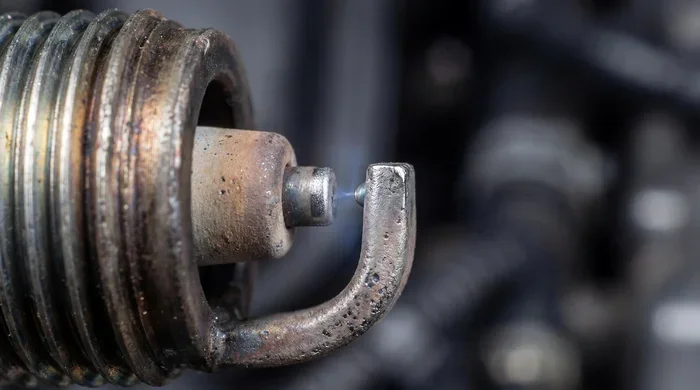
Spark plugs are not a glamorous car part, but they are critical. They fire thousands of times per minute to keep your engine running. Over time, the electrode wears down, and the gap between the center and side electrode widens. This reduces the spark energy, leading to incomplete combustion. The result? Loss of power, wasted fuel, and increased emissions. Regular engine performance checks can catch these issues before they escalate.
Key Takeaways
- Rough idling or misfires are the #1 sign that your spark plugs are worn and need attention.
- Poor fuel economy and sluggish acceleration often point to failing spark plugs.
- A flashing check engine light can indicate spark plug issues that require immediate diagnosis.
- You can change spark plugs yourself with basic tools and about 30 minutes of time.
- Follow manufacturer intervals but adjust for your driving habits and fuel quality.
- Never ignore a maintenance required light if it stays on after a simple code check.
- Copper, iridium, and platinum plugs have different lifespans and performance benefits.
📑 Table of Contents
5 Clear Signs Your Spark Plugs Need Changing
Your car does not stay quiet when spark plugs fail. It speaks through sounds, smells, and warning lights. Here are the five most common signs that your spark plugs need changing right away.
Engine Misfires or Rough Idling
A misfire feels like a sudden hiccup in your engine’s rhythm. You might notice the car shaking at a stoplight or a rhythmic popping sound under the hood. This happens because a worn spark plug fails to ignite the fuel in one or more cylinders consistently. Rough idling is often the first noticeable symptom.
If you feel the vibration increase when the car is in drive but stationary, do not ignore it. A persistent misfire can damage your catalytic converter over time. That repair costs hundreds of dollars. Replacing spark plugs early is a fraction of that cost.
Difficulty Starting the Car
When you turn the key and the engine cranks slowly or refuses to start, old spark plugs could be the culprit. Worn electrodes cannot create a strong enough spark to ignite the compressed air-fuel mixture. You might need multiple attempts to fire up the engine, especially in cold weather.
Difficulty starting is often mistaken for a dead battery. Before you replace the battery, check the spark plugs. A simple visual inspection can reveal heavy carbon buildup or a widened gap. If the plugs look dark and corroded, it is time for a change.
Poor Fuel Economy
Have you noticed you are visiting the gas station more often? Worn spark plugs cause incomplete combustion, meaning more fuel goes unburned out the exhaust. This directly hurts your fuel efficiency. Some drivers report a 10 to 15 percent drop in miles per gallon when spark plugs are past their prime.
Keep track of your fuel consumption. If you fill up more frequently without changing your driving habits, your engine performance may be suffering. New spark plugs restore the precise air-fuel burn that maximizes every drop of gasoline.
Sluggish Acceleration
A healthy engine responds immediately when you press the accelerator. If your car feels slow to react or lacks its usual punch, the spark plugs may be to blame. Degraded spark energy means the combustion event is weaker, reducing the power delivered to the wheels.
This is especially noticeable when you are merging onto a highway or climbing a hill. You might feel the engine strain or hesitate. Replacing the plugs often brings back the snappy response you expect from your vehicle.
Check Engine Light or Error Codes
The check engine light is your car’s universal cry for help. A flashing light is even more urgent. When a spark plug fails completely, the engine control unit detects a misfire and stores a diagnostic trouble code. This often triggers the check engine light on your dashboard.
If you see the light, do not panic, but do not ignore it either. You can use an OBD-II scanner to read the code. Common codes related to spark plugs include P0300 (random misfire) and P0301 through P0304 (cylinder-specific misfires). For more guidance on what the check engine light means and whether it is safe to drive, read our article Can I Drive My Toyota Camry With The Check Engine Light On.
Sometimes the light comes on because of a loose gas cap, but a persistent glow points to ignition issues. Addressing the spark plugs promptly can clear the code and turn off the light.
How Often Should You Change Spark Plugs?
The replacement interval varies widely depending on the type of spark plug and how you drive. There is no single answer that fits every vehicle.
Manufacturer Recommendations
Your owner’s manual is the best starting point. Most manufacturers recommend replacing spark plugs every 30,000 to 100,000 miles. Copper core plugs typically need replacement at the lower end of that range, around 30,000 miles. Platinum and iridium plugs can last much longer, often up to 100,000 miles.
Always check the specific recommendation for your engine. A tune-up schedule that follows factory guidelines ensures optimal engine performance and warranty coverage. Skipping the recommended interval risks the very problems we discussed above.
Driving Habits That Shorten Plug Life
Your driving style can significantly affect how quickly spark plugs wear out. Frequent short trips, stop-and-go city driving, and towing heavy loads all stress the ignition system. These conditions cause carbon buildup and electrode erosion faster than steady highway cruising.
If you drive in extreme heat or dusty environments, inspect your plugs more often. Contaminants in the air can accelerate degradation. Adjusting your maintenance schedule to match your real-world driving habits keeps the engine healthy.
Can You Change Spark Plugs Yourself?
For many car owners, replacing spark plugs is a satisfying DIY project. It requires basic tools and a little patience. Here is what you need to know before you start.
Tools You Will Need
Gather these items before you begin the job:
- A spark plug socket (usually 5/8 inch or 13/16 inch)
- A ratchet and extension
- A torque wrench (critical for proper tightness)
- Anti-seize compound
- A gap tool or feeler gauge
- Compressed air or a blow brush
You will also want a clean workspace and a flashlight. Having everything ready prevents frustration and ensures the job goes smoothly.
Step-by-Step DIY Guide
Follow these steps to replace your spark plugs safely and effectively.
- Let the engine cool completely. Never remove plugs from a hot engine to avoid burns and warped threads.
- Locate the ignition coil packs or spark plug wires. Label each one with tape so you can reconnect them in the correct order.
- Remove the coil or wire carefully. Twist gently and pull straight up. Do not yank on the wire itself.
- Clean the spark plug well. Use compressed air to blow out any debris. Dirt falling into the cylinder can cause serious damage.
- Remove the old spark plug. Turn it counterclockwise with the socket. If it is stuck, apply penetrating oil and wait a few minutes.
- Check the gap on the new plug. Use a feeler gauge to match the manufacturer’s specification. Adjust gently if needed.
- Hand-thread the new plug. This prevents cross-threading. Then tighten it with the torque wrench to the exact foot-pound rating.
- Reinstall the coil or wire. Push firmly until it clicks. Apply a small amount of dielectric grease to the boot for easier removal later.
- Repeat for each cylinder. Work one plug at a time to avoid mixing up the order.
- Start the engine and test drive. Listen for smooth operation and check for any warning lights.
After the job, clear any stored codes with a scanner. If you are unsure about clearing codes, our article How Do I Manually Clear My Car Codes provides a simple walkthrough.
When to See a Mechanic Instead
DIY spark plug replacement is rewarding, but some situations call for a professional. If you notice the plugs are severely fouled or the electrodes are melted, the underlying issue may be deeper. A mechanic can diagnose whether a rich fuel mixture or oil leakage is causing the premature failure.
You should also visit a shop if the spark plugs are located in a hard-to-reach spot, such as on some V6 or V8 engines where the coils are buried under intake manifolds. Forcing removal in tight spaces risks breaking the plug or damaging the thread in the cylinder head. A professional has the right tools and experience to handle these challenges safely.
Additionally, if you have already replaced the plugs and the rough idle or misfire persists, the problem could be a faulty ignition coil or a fuel injector issue. A mechanic can run a full diagnostic test to pinpoint the root cause. Do not hesitate to seek help when the symptoms continue after a plug change.
Quick Tips for Extending Spark Plug Life
Once you have fresh plugs installed, you can take steps to make them last longer and keep your engine performance at its best.
- Use the correct spark plug type for your engine. Check the owner’s manual for the recommended heat range and electrode material.
- Apply anti-seize compound sparingly to the threads. This prevents galling and makes future removal easier.
- Do not overtighten. Excessive torque can strip the threads in the aluminum head, leading to an expensive repair.
- Inspect the ignition coils when you change the plugs. A failing coil can damage a new plug quickly.
- Use quality fuel from reputable stations. Cleaner fuel reduces carbon deposits that foul the electrodes.
- Address oil leaks promptly. Oil contaminates the spark plug well and causes premature wear.
These simple habits keep your ignition system in top shape between replacements.
Common Mistakes to Avoid
Even experienced DIYers can make errors when changing spark plugs. Avoid these common pitfalls.
- Guessing the torque specification. Always use a torque wrench. Overtightening is a leading cause of thread damage.
- Forgetting to gap the new plugs. Even plugs sold as pre-gapped can vary slightly. Verify the gap with a feeler gauge.
- Mixing up the spark plug wires or coil order. Label every component as you remove it. A wrong connection causes a misfire.
- Ignoring the check engine light after replacement. If the light stays on, there may be a separate issue or a pending code that needs clearing.
- Assuming all plugs wear at the same rate. One bad plug can drag down the whole engine. Replace all plugs at once for balanced engine performance.
Steering clear of these mistakes saves time and money, and it keeps your car running reliably.
Understanding Spark Plug Types
Not all spark plugs are created equal. The material of the electrode affects longevity and performance. Knowing the differences helps you choose the right plug for your vehicle.
Copper core plugs are the most common and affordable. They offer good conductivity but wear faster, typically lasting around 30,000 miles. They are often found in older vehicles or high-performance engines that run hotter.
Platinum plugs feature a platinum disc on the center electrode. Platinum resists corrosion and erosion much better than copper, extending the life to about 60,000 miles. They also maintain a consistent gap over time.
Iridium plugs are the premium option. Iridium is harder and more durable than platinum, allowing for a finer electrode that improves spark efficiency. These plugs can last up to 100,000 miles and are ideal for modern engines with tight tolerances. While they cost more upfront, the extended maintenance interval often makes them the best long-term value.
When in doubt, stick with the manufacturer’s recommendation. Using an incompatible plug type can reduce fuel efficiency and potentially cause engine damage.
Conclusion
Knowing the signs that your spark plugs need changing empowers you to keep your car running at its best. From rough idling and poor fuel economy to a stubborn check engine light, your vehicle gives you plenty of warning. Catching these symptoms early prevents costly repairs and maintains your engine performance for years to come.
Whether you choose a DIY replacement or visit a trusted mechanic, the key is to act quickly. Use the right plugs for your engine, follow the torque specifications, and never ignore a persistent misfire. With proper care, your spark plugs will deliver reliable ignition and smooth acceleration on every drive.
Take a moment to check your plugs today. A little attention now saves you from bigger headaches tomorrow. Your car will thank you with better fuel economy, smoother starts, and a longer life on the road.
Frequently Asked Questions
How do I know if my spark plugs need changing?
You will notice symptoms like a rough idle, engine misfires, difficulty starting, poor fuel economy, or a flashing check engine light. A visual inspection may also reveal heavy carbon buildup or a widened electrode gap. These are clear indicators that it is time to replace them.
Can I drive with bad spark plugs?
You can drive short distances with worn spark plugs, but it is not recommended. Bad plugs can cause the engine to stall, reduce power, and increase emissions. They may also damage the catalytic converter or ignition coils over time, leading to much more expensive repairs.
How long do spark plugs last?
Lifespan depends on the plug material. Copper plugs typically last around 30,000 miles, platinum plugs around 60,000 miles, and iridium plugs up to 100,000 miles. Always refer to your owner’s manual for the specific interval recommended for your vehicle.
Is it hard to change spark plugs yourself?
It is a manageable DIY job for most people with basic tools. You need a spark plug socket, ratchet, torque wrench, and about 30 minutes. The hardest part is accessing plugs in tight engine bays. If you feel confident, follow a step-by-step guide and label everything carefully.
What happens if you never change your spark plugs?
Neglecting spark plug replacement leads to progressively worse engine performance. You will experience misfires, poor fuel economy, difficulty starting, and eventually a dead engine. In severe cases, unburned fuel can damage the catalytic converter, resulting in a very costly repair.
Should I replace all spark plugs at once?
Yes, always replace all plugs at the same time. Even if only one plug is visibly worn, the others are close behind. Replacing them together ensures consistent ignition across all cylinders and balanced engine performance. Mixing old and new plugs can cause rough running and uneven wear.