Harley 6-Speed Transmission Oil Capacity Explained
The Harley 6-Speed Transmission Oil Capacity is a critical detail every rider should know. Understanding the right fluid amount and type keeps your bike running smoothly and prevents costly repairs. This guide covers capacity specs, fluid types, step-by-step change procedures, and common mistakes to avoid.
Riding a Harley is more than a hobby. It is a lifestyle. And like any lifestyle commitment, it demands attention and care. One of the most overlooked aspects of Harley maintenance is transmission oil capacity. Many riders focus on engine oil and forget about the transmission entirely. That is a mistake. Your Harley’s 6-speed transmission needs the right amount of fluid to shift smoothly, last long, and perform at its best.
In this guide, we break down everything you need to know about Harley 6-Speed Transmission Oil Capacity. We cover the exact fluid amounts, the best fluid types, how to check your levels, and how to change the fluid yourself. Whether you are a seasoned rider or a beginner, this article will give you the knowledge to keep your bike in top shape.
Let us dive in. Your transmission will thank you.
Key Takeaways
- Correct Capacity Matters: The Harley 6-speed transmission typically holds around 24 ounces of fluid, but always verify with your specific model.
- Fluid Type Is Crucial: Using the wrong transmission fluid can cause shifting problems and internal damage.
- Regular Checks Prevent Problems: Checking your transmission fluid level regularly helps catch leaks and contamination early.
- DIY Changes Save Money: You can change your Harley transmission fluid at home with basic tools and about 30 minutes.
- Watch for Warning Signs: Strange noises, rough shifting, and leaking fluid all signal potential transmission issues.
- Follow the Manual: Always refer to your Harley’s owner manual for model-specific capacity and fluid recommendations.
📑 Table of Contents
- What Is the Harley 6-Speed Transmission Oil Capacity?
- Why Transmission Fluid Matters for Your Harley
- How to Check Your Harley 6-Speed Transmission Fluid Level
- Step-by-Step: Changing Transmission Fluid on a Harley 6-Speed
- Common Transmission Fluid Problems and Warning Signs
- Expert Tips for Harley 6-Speed Transmission Maintenance
- Conclusion
What Is the Harley 6-Speed Transmission Oil Capacity?
Every motorcycle has a specific amount of fluid it needs to operate correctly. For the Harley 6-speed transmission, the oil capacity depends on the model and year. Most Harley Davidson 6-speed models require approximately 24 ounces (about 710 milliliters) of transmission fluid. However, this number can vary slightly based on the specific bike you own.
Why Capacity Numbers Differ Between Models
Here is something many riders do not realize. The transmission oil capacity is not a one-size-fits-all number. Different Harley models have different transmission designs. A Harley Sportster with a 6-speed may hold a slightly different amount than a Harley Touring bike with a 6-speed. The engine case design, the type of primary cover, and the transmission housing all play a role.
Always check your owner’s manual for the exact number. If you have lost your manual, you can find the specifications online or at your local Harley dealer. Knowing the correct transmission fluid capacity prevents overfilling or underfilling, both of which cause problems.
Quick Reference: Common Harley 6-Speed Models and Their Capacities
Here is a quick look at some popular Harley 6-speed models and their approximate transmission fluid capacities:
- Harley Sportster 883/1200 (6-speed): Around 24 ounces
- Harley Dyna 6-speed models: Around 24 ounces
- Harley Softail 6-speed models: Around 24 ounces
- Harley Touring models with 6-speed: Around 24 ounces
These numbers are general estimates. Always double-check with your specific model year. Overfilling by even a small amount can cause issues with shifting and seal pressure.
Why Transmission Fluid Matters for Your Harley
Transmission fluid does more than just lubricate. It cools the internal gears, reduces friction, and helps your bike shift cleanly from one gear to the next. Without the right fluid level, your transmission works harder than it should. Over time, this leads to wear, overheating, and expensive repairs.
The Role of Transmission Fluid in a 6-Speed System
Your Harley’s 6-speed transmission contains multiple gears, bearings, and synchronizers. All of these parts move at high speeds and generate heat. Transmission fluid absorbs that heat and carries it away from the critical components. It also creates a thin film between moving parts to prevent metal-on-metal contact.
When the fluid level is too low, the transmission does not get proper lubrication. When the level is too high, fluid can foam and lose its effectiveness. Both situations lead to poor performance.
What Happens When You Ignore Fluid Levels
Ignoring your transmission fluid level is like ignoring a check engine light. At first, nothing seems wrong. But over time, the damage builds. Here are some common consequences of low or degraded transmission fluid:
- Rough or delayed shifting: Gears grind or hesitate when you try to change.
- Overheating: The transmission runs hotter than normal, which breaks down the fluid faster.
- Gear slippage: Gents slip out of gear or fail to engage fully.
- Increased wear: Internal components wear out faster without proper lubrication.
- Complete transmission failure: In severe cases, the transmission seizes up entirely.
These problems are avoidable. A simple check and fluid change go a long way. And if you are wondering whether mechanics check transmission fluid during an oil change, the answer is often no. Many shops skip this step unless you ask. That makes it even more important for you to stay on top of it yourself.
How to Check Your Harley 6-Speed Transmission Fluid Level
Checking your Harley’s transmission fluid level is straightforward. You do not need any special tools or mechanical experience. With a few basic steps, you can make sure your fluid level is right where it should be.
Step-by-Step: Checking the Fluid Level
- Park your bike on a level surface. This ensures an accurate reading. If the bike is tilted, the fluid will settle unevenly and give you a false level.
- Warm up the engine. Let the bike idle for a few minutes. Warm fluid is thinner and flows more evenly, giving you a more accurate reading.
- Locate the transmission dipstick or fill plug. Most Harley 6-speed models have a dipstick on the left side of the transmission case. Some models use a fill plug on the side or top of the transmission housing.
- Remove the dipstick or fill plug. Wipe it clean with a rag, then reinsert it fully.
- Remove it again and check the level. The fluid should reach the full mark on the dipstick or sit just at the bottom of the fill hole.
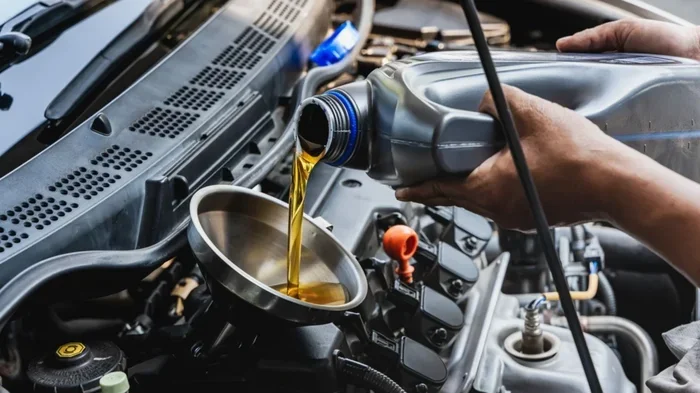
- Add fluid if needed. Use a funnel to add the recommended fluid slowly. Do not overfill.
If you are wondering about the process for checking fluid while the engine is running, checking transmission fluid with the engine running is sometimes recommended for Harley models. Always follow your specific owner’s manual guidance.
How Often Should You Check the Fluid?
Make it a habit to check your transmission fluid level at least once a month. If you ride frequently or in tough conditions like stop-and-go traffic or hot weather, check it more often. Regular checks help you spot leaks or fluid degradation before they become serious problems.
Also, if you notice any warning signs like rough shifting or a burning smell, check the fluid immediately. These symptoms often point to low fluid or contaminated fluid that needs to be changed.
Step-by-Step: Changing Transmission Fluid on a Harley 6-Speed
Changing your Harley’s transmission fluid is one of the most impactful maintenance tasks you can do. It takes about 30 minutes and costs very little. Here is a complete walkthrough.
What You Will Need
- Recommended transmission fluid (check your manual for the correct type)
- A drain pan
- A socket wrench and the appropriate socket
- A new crush washer or O-ring for the drain plug
- A funnel
- Rags or paper towels
- A motorcycle stand or lift (optional but helpful)
The Change Process
Follow these steps carefully to ensure a clean and proper fluid change:
- Position the bike on a stand. Make sure it is stable and level. You want the fluid to drain completely.
- Locate the transmission drain plug. It is usually on the bottom or side of the transmission housing.
- Place the drain pan underneath. Transmission fluid can be messy, so position the pan directly under the plug.
- Remove the drain plug. Use your socket wrench to loosen and remove the plug. Let the old fluid drain completely into the pan.
- Replace the crush washer or O-ring. This small piece prevents leaks. Do not reuse it. Install a new one before reinserting the plug.
- Reinstall the drain plug. Tighten it snugly but do not overtighten. Stripping the threads is a common mistake.
- Locate the fill hole or dipstick tube. This is where you add new fluid.
- Add the new fluid slowly. Use a funnel to avoid spills. Add the recommended amount based on your model’s capacity.
- Check the level with the dipstick. After adding fluid, wait a minute for it to settle, then recheck the level.
- Clean up and dispose of the old fluid properly. Take the old fluid to a recycling center. Do not pour it down the drain.
If you have ever wondered whether you can add transmission fluid with the engine running, the answer depends on your specific model. For most Harley 6-speed models, it is best to add fluid with the engine off and the bike on a level surface. This gives you the most accurate reading.
Best Transmission Fluids for Harley 6-Speed Models
Not all transmission fluids are created equal. Harley Davidson recommends specific fluid types for their 6-speed transmissions. Using the wrong fluid can void your warranty and cause shifting problems. Here are some commonly recommended options:
- Harley Davidson Genuine Transmission Fluid: The OEM choice, designed specifically for Harley transmissions.
- Motul Gear 300 75W-90: A popular aftermarket choice with excellent lubrication properties.
- Valvoline Synthetic Gear Oil: A reliable synthetic option that performs well under heat.
- Amsoil Synthetic Motorcycle Gear Lube: Another high-quality synthetic choice favored by many riders.
Always check your owner’s manual before purchasing fluid. The manual will specify the correct viscosity grade and fluid type for your model.
Common Transmission Fluid Problems and Warning Signs
Even with regular maintenance, transmission fluid problems can occur. Knowing the warning signs helps you catch issues early before they turn into expensive repairs.
Signs Your Harley Transmission Fluid Is Low
Low transmission fluid is one of the most common problems Harley riders face. Here are the telltale signs:
- Difficulty shifting gears: If the shifter feels stiff or the gears do not engage smoothly, low fluid could be the cause.
- Grinding noises: Grinding when shifting indicates metal-on-metal contact due to insufficient lubrication.
- Leaking fluid: Look for reddish or brownish fluid pooling under your bike. Transmission fluid leaks often come from the drain plug or shift shaft seal.
- Burning smell: A burnt odor means the fluid is overheating and breaking down.
- Delayed gear engagement: There is a noticeable pause between shifting and the gear engaging.
If you notice any of these signs, check your fluid level right away. If the fluid looks dark, gritty, or smells burnt, it is time for a change. And if you are ever unsure about your fluid levels, learning to tell if your car is low on oil shares similar principles that apply to motorcycle fluid checks as well.
When to Change the Fluid, Not Just Check It
Checking the fluid tells you the current level. But changing the fluid removes contaminants and restores performance. Most Harley experts recommend changing transmission fluid every 10,000 to 15,000 miles. However, if you ride in harsh conditions, you may want to change it more frequently.
Harsh conditions include stop-and-go city riding, towing, extreme heat, and dusty or wet environments. In these situations, the fluid breaks down faster and loses its protective properties.
Expert Tips for Harley 6-Speed Transmission Maintenance
Proper transmission maintenance goes beyond just fluid changes. Here are some expert tips that will help you get the most life out of your Harley’s 6-speed gearbox.
1. Do Not Overfill
Overfilling the transmission causes fluid to foam. Foamed fluid loses its lubricating ability and can lead to increased wear. Always add fluid slowly and check the level multiple times during the filling process.
2. Use the Right Fluid
This cannot be stressed enough. Using the wrong fluid type can cause compatibility issues with seals and internal components. Stick with the manufacturer’s recommendation or a high-quality aftermarket fluid that meets the specs.
3. Inspect Seals and Gaskets Regularly
Transmission fluid leaks often start at seals and gaskets. During your regular fluid checks, visually inspect the area around the drain plug and shift shaft. If you see any residue or wet spots, address the leak promptly.
4. Keep Records
Track your fluid changes and mileage. This helps you stay on schedule and gives you a history of your bike’s maintenance. If you ever sell the bike, a well-documented maintenance record adds value.
5. Address Problems Early
Small transmission issues become big problems fast. A slight delay in shifting today can become a stuck gear tomorrow. Do not ignore warning signs. Address them immediately to avoid costly repairs.
6. Consider Professional Help for Major Work
Changing transmission fluid is a great DIY task. But if you notice persistent problems after a fluid change, it may be time to see a professional. A qualified Harley mechanic can diagnose deeper issues like worn synchronizers or damaged gear teeth.
Conclusion
Understanding your Harley 6-Speed Transmission Oil Capacity is one of the simplest and most valuable things you can do as a rider. It protects your investment, keeps your bike running smoothly, and helps you avoid expensive repairs down the road.
Remember the key points: check your fluid regularly, use the right type, change it on schedule, and never ignore warning signs. Your Harley’s 6-speed transmission is built to last, but only if you take care of it properly.
Grab your tools, check that fluid level, and give your bike the maintenance it deserves. A well-maintained transmission means smoother rides, better performance, and more miles on the road. Happy riding!
Frequently Asked Questions
How much transmission fluid does a Harley 6-speed hold?
Most Harley 6-speed models hold approximately 24 ounces of transmission fluid. However, the exact capacity can vary slightly depending on the specific model and year. Always check your owner’s manual for the precise number.
What type of transmission fluid does a Harley 6-speed use?
Harley Davidson recommends using their Genuine Transmission Fluid or a high-quality synthetic gear oil that meets the specifications in your owner’s manual. Common aftermarket options include Motul Gear 300 and Amsoil Synthetic Motorcycle Gear Lube.
How often should I change the transmission fluid in my Harley 6-speed?
Most experts recommend changing the transmission fluid every 10,000 to 15,000 miles. If you ride in harsh conditions like extreme heat, stop-and-go traffic, or dusty environments, consider changing it more frequently to protect your transmission.
Can I check my Harley transmission fluid with the engine running?
It depends on your specific model. Some Harley models require the engine to be running and warm for an accurate reading, while others should be checked with the engine off. Always follow the instructions in your owner’s manual for the correct procedure.
What are the signs of low transmission fluid in a Harley?
Common signs include rough or delayed shifting, grinding noises when changing gears, a burning smell, visible fluid leaks under the bike, and difficulty engaging gears. If you notice any of these symptoms, check your fluid level immediately.
Is it hard to change the transmission fluid on a Harley 6-speed myself?
No, it is a straightforward DIY task that most riders can complete in about 30 minutes. You will need basic tools like a socket wrench, a drain pan, a funnel, and the correct transmission fluid. Just make sure to replace the crush washer or O-ring when reinstalling the drain plug.