Does Running the Heater Help Cool the Engine Quickly
Yes, running the heater can help cool your engine by pulling excess heat from the cooling system into the cabin. This simple trick works because the heater core acts as a secondary heat exchanger, similar to how a radiator functions. However, it is not a long-term fix for a seriously overheating engine.
Have you ever been driving on a hot summer day and noticed the temperature gauge creeping up? It is a scary moment for any driver. Your mind starts racing with questions. What do you do? Should you pull over? Can you just turn on the heater?
The idea of using the heater to cool the engine is not new. In fact, many experienced drivers swear by it. But does it really work? And more importantly, does running the heater help cool the engine quickly? Let us dive deep into this topic and find out exactly what happens under the hood when you flip that switch.
Understanding how your car’s cooling system works is the first step. Your engine generates a tremendous amount of heat during normal operation. The coolant circulates through the engine block, absorbs that heat, and carries it to the radiator where it gets cooled by airflow. A thermostat regulates this process by opening and closing to maintain the right engine temperature. When any part of this system fails, the engine can overheat quickly.
So where does the heater fit into all of this? The heater core is essentially a small radiator located inside your dashboard. It uses hot coolant from the engine to produce warm air for the cabin. When you turn on the heater, you are basically tapping into the hot side of the cooling system. This means the heater core pulls heat from the coolant before it returns to the engine. That is the basic science behind using the heater to cool the engine.
Now let us get into the details. This article will cover everything you need to know. We will look at how the heater helps, when it works best, and what the limitations are. By the end, you will have a clear picture of whether this trick is worth trying the next time your engine runs hot.
Key Takeaways
- Running the heater redirects engine heat into the car cabin, which can lower engine temperature in a pinch.
- The heater core works like a small radiator, using airflow and coolant circulation to transfer heat away from the engine.
- This method is a temporary solution and should not replace proper cooling system maintenance.
- Turning on the heater at full blast and opening the windows gives the best results when your engine is running hot.
- Regular cooling system checks including coolant levels and radiator health are essential for preventing overheating.
- Driving with the heater on may reduce A/C performance but can save your engine in an emergency.
- Understanding your car’s cooling system helps you respond quickly and effectively when temperatures spike.
📑 Table of Contents
How Does the Car Heater Cool the Engine?
The heating system in your car is directly connected to the cooling system. This connection is the key to understanding why the heater can help cool the engine. When you turn the heater on, several things happen at once. Hot coolant flows from the engine into the heater core. A small fan blows air across the heater core. That air picks up heat and flows into the cabin. The coolant then returns to the engine cooler than it was before.
The Role of the Heater Core
The heater core is often overlooked, but it plays a big role in engine temperature management. It is basically a tiny radiator. It has tubes and fins that allow heat to escape from the coolant. When air passes through it, the heat transfers from the coolant to the air inside your car. This process removes thermal energy from the cooling system. The result is cooler coolant returning to the engine.
Think of it this way. Your radiator sits at the front of the car and uses forward motion to push air through it. The heater core does the same thing but inside the cabin. It is a secondary heat exchange point. The more heat it can pull out, the cooler your engine stays. This is why turning the heater to full blast can make a real difference when the engine is running hot.
How the Thermostat and Coolant Work Together
The thermostat controls the flow of coolant through the engine. When the engine is cold, the thermostat stays closed. This lets the engine warm up quickly. Once the engine reaches operating temperature, the thermostat opens. Coolant then flows freely through the engine and into the radiator. When you turn on the heater, you are adding another path for the coolant to flow through. The heater core becomes part of the circuit. This extra pathway means more heat can be dissipated at any given time.
However, there is a catch. The heater core does not cool as efficiently as a radiator. It has a smaller surface area. It relies on the blower fan rather than forward motion for airflow. So while it helps, it is not as powerful as the main radiator. This is why the heater trick works best as a temporary measure rather than a permanent solution.
When Should You Use the Heater to Cool the Engine?
Not every overheating situation is the same. Knowing when to use the heater can make a big difference. There are specific scenarios where this trick shines. Understanding these situations will help you respond quickly and confidently.
Emergency Situations on the Road
The most common time to use the heater is during an emergency. Imagine you are driving on a highway. The temperature gauge suddenly spikes into the red zone. You do not have a place to pull over right away. What do you do? Turn on the heater immediately. Set it to the highest temperature. Turn the fan speed up all the way. This will pull as much heat as possible from the engine.
This technique can buy you valuable time. It may prevent the engine from reaching a critical temperature. It gives you a few extra minutes to find a safe place to stop. Some drivers have used this method to make it to a gas station or a repair shop without major damage.
Hot Weather Driving and Traffic Jams
Driving in hot weather can push your engine to its limits. This is especially true in stop-and-go traffic. When you are not moving fast, there is less airflow through the radiator. The cooling system becomes less efficient. The engine temperature starts to rise. In these situations, turning on the heater can help compensate for the reduced airflow. It gives the cooling system an extra way to dump heat.
Traffic jams on a hot day are the worst for engines. The radiator fan has to work overtime. But even the fan has limits. Adding the heater to the mix gives you an additional cooling pathway. It is not a perfect solution, but it can help keep temperatures in a safer range.
After Towing or Heavy Loads
Towing a trailer or carrying a heavy load puts extra stress on the engine. The engine works harder and generates more heat. If your cooling system is already marginal, this extra demand can cause overheating. Using the heater during these situations can help manage the additional heat load. It is a smart precaution that many experienced towers use regularly.
Limitations of Using the Heater to Cool the Engine
While the heater can help, it is important to understand its limits. It is not a magic fix. There are situations where turning on the heater will not solve the problem. Knowing these limitations will help you make better decisions when your engine is running hot.
It Is Not a Replacement for Proper Cooling System Maintenance
The heater is a temporary tool, not a substitute for proper maintenance. If your coolant level is low, the heater will not do much good. If your radiator is clogged, the heater cannot compensate for that. If the water pump is failing, turning on the heater will not fix the underlying problem. You need to address the root cause of any overheating issue.
Regular maintenance is the best way to prevent overheating. Check your coolant level often. Look for leaks under the car. Make sure the radiator fans are working properly. If you notice any warning signs, get the car inspected right away. A well-maintained cooling system rarely needs the heater trick in the first place.
Reduced A/C Performance When the Heater Is On
One downside of using the heater to cool the engine is that it affects your air conditioning. When the heater is on, it takes heat from the engine and puts it into the cabin. If you also want A/C, the system has to work against itself. The A/C compressor removes heat from the cabin air. But the heater is adding heat at the same time. This creates a conflict that reduces cooling efficiency inside the car.
In an emergency, you have to choose between cooling the engine and cooling the cabin. Most drivers choose the engine. A hot cabin is uncomfortable, but an overheated engine can cause serious damage. However, if you are stuck in traffic for a long time, you may need to balance both. Try alternating between heater and A/C to manage both engine and cabin temperature.
It Will Not Fix a Serious Mechanical Problem
If your engine is overheating due to a blown head gasket, a failed water pump, or a cracked radiator, the heater will not save you. These are serious mechanical issues that require professional repair. The heater might slow the temperature rise for a short time. But it will not stop the underlying problem from getting worse.
Ignoring a serious overheating problem can lead to engine warping, cracked heads, and blown gaskets. These repairs are expensive. The best approach is to pull over safely, turn off the engine, and let it cool down. Then get professional help. Do not rely on the heater to fix a major cooling system failure.
Step-by-Step: How to Use the Heater to Cool a Hot Engine
If you find yourself in a situation where the engine is running hot, here is exactly what to do. Follow these steps carefully to get the most cooling benefit from the heater.
- Turn on the heater immediately. Set it to the highest temperature. This directs maximum hot coolant flow through the heater core.
- Set the fan to maximum speed. This pushes more air across the heater core. More airflow means more heat transfer from the coolant.
- Open the windows. This lets the hot air escape from the cabin. It also helps the heater core dump heat more effectively.
- Turn off the A/C. The A/C adds heat to the engine through the condenser. Disabling it reduces the overall heat load on the cooling system.
- Find a safe place to pull over. The heater trick buys you time. Do not push the engine too far. Pull over as soon as it is safe to do so.
- Let the engine idle for a few minutes. This allows the coolant to circulate and cool down gradually. Do not shut the engine off immediately if it is extremely hot. Let it idle to avoid thermal shock.
Following these steps can help you manage an overheating situation effectively. The heater is a useful tool in your emergency toolkit. Just remember that it is a short-term fix, not a permanent solution.
Common Causes of Engine Overheating
Understanding why engines overheat in the first place can help you prevent it from happening. The heater trick works best when the overheating is caused by temporary conditions. But if your car has a chronic overheating problem, you need to address the root cause.
Low Coolant Level
The most common reason for engine overheating is low coolant. Coolant is the lifeblood of the cooling system. Without enough of it, the engine cannot properly regulate its temperature. Check the coolant reservoir regularly. Top it off with the correct type of coolant for your vehicle. If you keep losing coolant, there is likely a leak somewhere in the system.
Faulty Thermostat
The thermostat controls coolant flow through the engine. If it gets stuck in the closed position, coolant cannot reach the radiator. The engine overheats quickly. A stuck thermostat is a relatively inexpensive fix. But if you ignore it, it can lead to serious engine damage. Watch for signs of thermostat failure, such as the temperature gauge fluctuating erratically.
Radiator Fan Failure
The radiator fan pulls air through the radiator when the car is moving slowly or idling. If the fan stops working, the cooling system loses a lot of its effectiveness. This is especially problematic in traffic or on hot days. A failed fan motor or a blown fuse can cause the fan to stop. Getting this fixed quickly can prevent overheating episodes.
Clogged Radiator or Heater Core
Over time, rust and debris can build up inside the radiator and heater core. This buildup restricts coolant flow and reduces heat transfer. A clogged radiator cannot cool the coolant efficiently. A clogged heater core cannot dump heat into the cabin. Flushing the cooling system regularly helps prevent these blockages.
Water Pump Failure
The water pump circulates coolant through the engine and radiator. If it fails, coolant stops moving. The engine heats up rapidly. Water pump failure is a serious issue that requires immediate attention. Signs include coolant leaks near the front of the engine and unusual whining noises.
Expert Tips for Keeping Your Engine Cool
Prevention is always better than cure. Here are some expert tips to keep your engine running at the right temperature and avoid overheating situations altogether.
- Check coolant levels monthly. Low coolant is the number one cause of overheating. Make it a habit to check the reservoir regularly.
- Flush the cooling system every two years. Old coolant loses its effectiveness over time. Fresh coolant has better heat transfer properties and anti-corrosion additives.
- Monitor the temperature gauge while driving. Do not wait until the gauge hits red. If you notice it climbing, take action early by turning on the heater or pulling over.
- Keep the radiator clean. Bugs, dirt, and debris can block airflow through the radiator. Rinse the front of the radiator with water during car washes.
- Inspect hoses and clamps regularly. Cracked hoses and loose clamps can cause coolant leaks. Replace worn hoses before they fail.
- Use the correct coolant type for your vehicle. Different cars require different coolant formulations. Check your owner’s manual to be sure.
- Never ignore warning signs. A slight temperature rise today can become a major problem tomorrow. Address cooling issues promptly.
These simple maintenance habits can save you from costly repairs and stressful breakdowns. A well-maintained cooling system keeps your engine running smoothly in all conditions. And when the heater trick is needed, it works much better on a healthy cooling system.
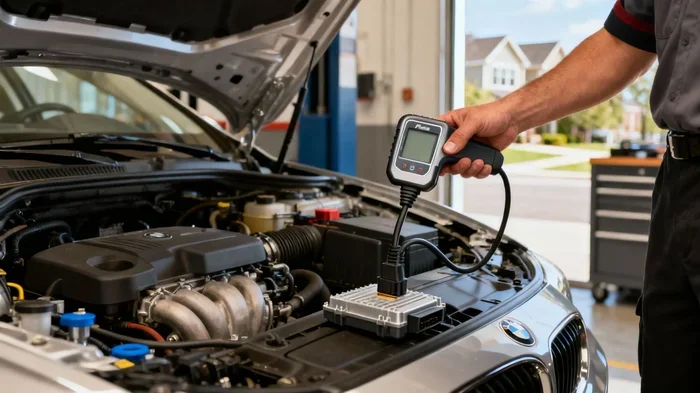
One thing worth noting is that some people wonder about the connection between the heater and other engine systems. For example, if you are dealing with a check engine light that comes on alongside overheating, there could be a deeper issue at play. The heater itself is unlikely to trigger a check engine light, but the root cause of overheating might. If you are unsure, it is always a good idea to run a diagnostic scan. You can learn more about whether a check engine light can turn off on its own and what that means for your vehicle.
Another related topic is understanding how different engine components interact. For instance, the coolant system relies on proper flow and pressure to function. If you are curious about other engine fluids, you might wonder about adding transmission fluid while the engine is running. While that is a different system, it shows how interconnected your car’s maintenance needs really are.
Finally, if you live in an area with extreme temperatures, your cooling system works even harder. Cold weather can cause coolant to thicken and reduce flow. Hot weather increases the heat load on the engine. Understanding these seasonal challenges helps you prepare and prevent overheating before it happens.
Conclusion
So, does running the heater help cool the engine quickly? The answer is yes, it can. The heater core acts as a secondary heat exchanger that pulls thermal energy from the coolant and dumps it into the cabin. This can lower engine temperature in emergency situations and hot weather driving. It is a simple, effective trick that every driver should know.
However, the heater is not a long-term solution. It works best as a temporary measure to buy you time. It is not a replacement for proper cooling system maintenance. Regular checks of coolant levels, hoses, the radiator, and the thermostat are essential for keeping your engine healthy.
The next time your temperature gauge starts climbing, remember these tips. Turn on the heater, set the fan to max, and find a safe place to stop. Your engine will thank you. And more importantly, you will have the knowledge and confidence to handle the situation safely.
Stay proactive about your car’s cooling system. A little maintenance goes a long way. And when in doubt, consult a professional mechanic. Your engine is the heart of your vehicle. Keep it cool, and it will keep you on the road for years to come.
Frequently Asked Questions
Can running the heater damage the engine?
No, running the heater will not damage the engine. It is a safe and built-in feature designed to work alongside the cooling system. The heater core is essentially a small radiator that helps dissipate heat. Using it to cool the engine is a normal and harmless practice in emergency situations.
How long should I run the heater to cool a hot engine?
Turn the heater on immediately when you notice the temperature gauge rising. Keep it on full blast until the temperature starts to drop. Usually, this takes a few minutes. Once the temperature stabilizes, find a safe place to pull over and let the engine idle. Do not turn the heater off until the temperature is back in the normal range.
Will the heater cool the engine faster than the radiator fan?
The radiator fan is generally more effective at cooling the engine than the heater. The fan pulls air directly through the radiator, which has a much larger surface area than the heater core. However, the heater can still help, especially in situations where airflow through the radiator is limited, such as in slow traffic or when idling.
Should I turn off the A/C when using the heater to cool the engine?
Yes, you should turn off the A/C when using the heater to cool the engine. The A/C compressor adds heat to the engine through the condenser. Turning it off reduces the overall heat load on the cooling system. This allows the heater to work more effectively at pulling heat away from the engine.
What should I do if the heater does not cool the engine?
If the heater does not bring the temperature down, pull over safely and turn off the engine immediately. Let the engine cool for at least 15 to 20 minutes before opening the hood. Do not attempt to drive the car any further. Check the coolant level and look for visible leaks. Call for roadside assistance or a tow truck if needed.
Can a clogged heater core prevent the heater from cooling the engine?
Yes, a clogged heater core can significantly reduce its ability to transfer heat. If the heater core is blocked by rust or debris, coolant cannot flow through it properly. This means less heat is pulled from the engine. Regular cooling system flushes help prevent heater core clogs and keep the system working efficiently.