Can You Replace Just One Headlight And What Happens Next
Yes, you can replace just one headlight, but it comes with trade-offs. This guide explains what happens when you replace just one headlight, including safety risks, brightness mismatches, and wiring concerns. Learn the step-by-step process and when it’s better to swap both bulbs.
If your headlight burns out, you might wonder, can you replace just one headlight? The short answer is yes, but the full story is more complex. Replacing a single headlight bulb seems simple, yet it can create an uneven light pattern on the road. You may end up with one bright new bulb and one dim old bulb, which can strain your eyes and confuse other drivers. This article dives deep into the headlight replacement process, safety implications, and what actually happens next. By the end, you’ll know exactly when to replace one bulb and when to replace both.
Your headlights are your first line of defense on dark roads. They help you see obstacles, signs, and pedestrians. When one goes dark, it’s tempting to just swap the dead bulb and move on. But is that the smartest move? Replacing just one headlight can seem like a quick fix, yet it often leads to bigger problems down the road. Many drivers don’t realize that a mismatched pair can affect your night vision and even your vehicle’s electrical system. This guide walks you through every angle, from bulb types to wiring concerns. You’ll learn how to make the right choice for your safety and your wallet.
Key Takeaways
- You can replace just one headlight: It’s possible and often necessary when a single bulb burns out.
- Brightness mismatch is a real concern: New and old bulbs may differ in color temperature and lumen output.
- Safety first: Driving with one headlight out can reduce visibility and increase accident risk.
- Check your wiring: A single failure might indicate an underlying electrical issue.
- Paired replacement is often recommended: Replacing both headlights ensures even lighting and prevents future failures.
- DIY is doable: Most vehicles allow easy bulb access with basic tools.
📑 Table of Contents
- Why You Might Need to Replace Just One Headlight
- Can You Replace Just One Headlight? The Short Answer
- What Happens When You Replace Only One Headlight?
- Step-by-Step: How to Replace a Single Headlight Bulb
- When to Replace Both Headlights Instead
- Expert Tips for Long-Lasting Headlight Performance
- Conclusion
Why You Might Need to Replace Just One Headlight
Headlights don’t always fail at the same time. One bulb can burn out while the other keeps working perfectly. This leaves you with a single dark spot on the road. Understanding why this happens can help you decide the best next step.
Common Causes of Single Headlight Failure
Several things can cause a single headlight to go dark. The most common reason is a blown bulb. Every bulb has a filament that eventually breaks from age or vibration. A headlight fuse might also blow, cutting power to just one side. Wiring issues are another culprit. A damaged wiring harness or a loose headlight connector can stop electricity from reaching the bulb. In some cases, a faulty headlight relay is to blame. These relays switch power to the lights, and they can fail on just one circuit. Road debris and moisture can also damage the headlight housing or the headlight lens. A cracked lens lets water in, which shorts the bulb. Regular headlight maintenance helps catch these issues early.
Is It Safe to Drive with One Headlight Out?
Driving with a single working headlight is risky. Other drivers may not see you clearly, especially at night. Your visibility at night drops significantly. Police officers often pull over vehicles with one headlight out because it violates safety laws. A dim headlight or a completely dead bulb creates an uneven light pattern. This can blind oncoming drivers or make it hard for you to judge distances. Always fix a burned-out bulb as soon as possible. Ignoring it can lead to tickets or accidents.
Can You Replace Just One Headlight? The Short Answer
The direct answer is yes, you can replace just one headlight. No law forces you to change both bulbs at once. Most vehicle models allow you to swap a single headlight bulb without touching the other side. However, the real question is whether you should. Many mechanics recommend replacing both bulbs together. They explain that matching the headlight type and bulb wattage ensures consistent performance. A single replacement can work fine in a pinch, but it’s not always the best long-term solution.
How Headlight Bulbs Are Designed
Headlight bulbs come in different shapes and sizes. The most common types are halogen bulb, LED headlight, and HID bulb. Each type has its own lifespan and brightness level. A halogen bulb uses a tungsten filament inside a gas-filled capsule. An LED bulb uses tiny diodes that produce light with very little heat. An HID bulb creates light through an electric arc in gas. Your vehicle’s headlight assembly is designed for a specific bulb type. You can usually find this information on the old bulb or in the owner’s manual. Swapping in a different aftermarket bulb might seem like a good idea, but it can cause compatibility issues. Always check the OEM part number before buying a replacement.
The Role of Your Vehicle’s Wiring System
Your car’s electrical system plays a big role in headlight performance. The wiring harness carries power from the battery to each bulb. A headlight relay controls the flow of electricity. When you replace just one bulb, you’re tapping into an existing circuit. The new bulb must match the original bulb wattage to avoid overloading the wiring. Using a higher wattage bulb can blow a fuse or damage the headlight connector. On the other hand, a lower wattage bulb might not provide enough headlight brightness. The headlight fuse protects the circuit, but it can’t fix a mismatch. Always stick to the recommended specifications for your vehicle model.
What Happens When You Replace Only One Headlight?
Replacing a single headlight bulb changes the lighting balance on your vehicle. The effects can be subtle or quite noticeable. Understanding these changes helps you make an informed decision.
Matching Brightness and Color Temperature
A new bulb almost always looks brighter than an old one. The color temperature of a fresh bulb is usually whiter and more intense. Over time, headlights yellow and dim. This means the new bulb will stand out against the old one. On the road, this creates an uneven headlight alignment. The light pattern from the new bulb will be sharper and whiter, while the old bulb casts a dimmer, yellower glow. This mismatch can confuse other drivers. They might not know if they’re looking at your high beams or your low beams. It can also make it harder for you to judge distances at night. Road safety depends on consistent lighting from both sides.
Impact on Visibility and Safety
Uneven headlights reduce your overall visibility. Your brain adjusts to the brighter side, which can leave a blind spot on the dim side. This is especially dangerous on unlit roads or in bad weather. A flickering headlight on one side can also distract you and other drivers. If the old bulb is about to fail, you’re just delaying the inevitable. You might end up stranded with both lights out. Replacing the bulb now is a small cost compared to a roadside emergency. Always prioritize visibility at night when making headlight decisions.
Potential Electrical and Wiring Concerns
A single bulb failure can sometimes signal a deeper electrical problem. If one headlight blows out, check the headlight fuse and wiring harness on that side. Corrosion on the headlight connector can cause intermittent failures. A failing headlight relay might also affect just one circuit. Ignoring these signs can lead to repeated bulb burnouts. Replacing the bulb without inspecting the wiring is a missed opportunity. A quick check can save you from future headaches and costly repairs.
Quick Tips for a Single Bulb Replacement
- Always wear gloves when handling a new halogen bulb. Oils from your skin can shorten its lifespan.
- Let the old bulb cool completely before removing it. A hot bulb can cause burns or crack the headlight housing.
- Take a photo of the old bulb before removing it. This helps you confirm the correct headlight type and orientation.
- Clean the headlight lens with a mild glass cleaner. A dirty lens can reduce brightness by up to 20 percent.
- Test the new bulb before closing the housing. Turn on the lights to make sure it works properly.
Step-by-Step: How to Replace a Single Headlight Bulb
Replacing a single headlight bulb is a task most drivers can handle. You don’t need a mechanic or a fancy garage. With the right tools and a little patience, you can do it in under 30 minutes. Here’s a simple walkthrough that works for most vehicle models.
Tools You’ll Need
- A replacement bulb that matches your OEM part number.
- A clean, dry cloth or gloves.
- A small screwdriver or trim removal tool.
- A flashlight or headlamp to see inside the engine bay.
- Your vehicle’s owner manual for bulb location details.
Removing the Old Bulb
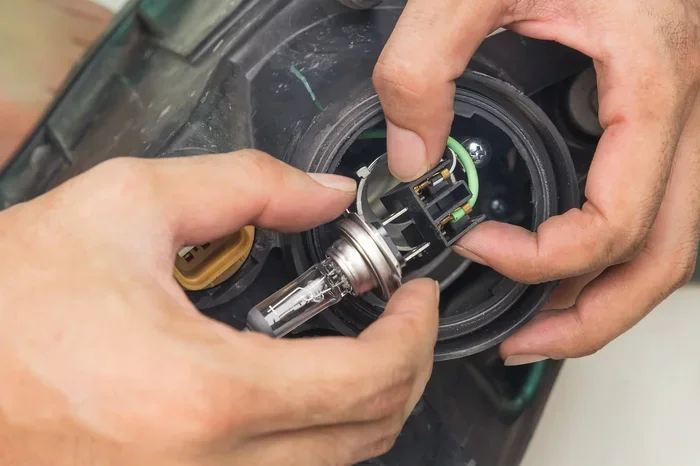
Open the hood and locate the back of the headlight assembly. You’ll see a plastic cover or a rubber gasket behind the bulb. Carefully remove any clips or screws holding the cover in place. Unplug the headlight connector by pressing the tab and pulling it straight out. Next, release the spring clip or retaining bracket that holds the bulb in place. Gently twist the old bulb counterclockwise and pull it straight out. Avoid touching the glass part of the new bulb. The oils from your fingers can create hot spots that shorten the bulb’s life. If you accidentally touch it, wipe the glass with a clean cloth and a little rubbing alcohol.
Installing the New Bulb
Take the new headlight bulb out of its packaging. Hold it by the plastic base or the rubber gasket. Insert the bulb into the socket and twist it clockwise until it locks in place. Reconnect the spring clip or retaining bracket to secure it. Plug the headlight connector back in until you hear a click. Replace the plastic cover or rubber gasket. Make sure it sits flush and seals properly. Turn on the headlights to test the new bulb. Check both low beam and high beam if applicable. If the bulb doesn’t light up, double-check the connector and the fuse.
Common Mistakes to Avoid
- Forgetting to check the headlight fuse after replacement. A blown fuse can prevent the new bulb from working.
- Using the wrong bulb wattage. This can overload the wiring or cause the bulb to burn out quickly.
- Touching the glass of a halogen or HID bulb with bare hands. This creates a weak spot that leads to early failure.
- Not seating the headlight connector properly. A loose connection can cause a flickering headlight.
- Ignoring moisture inside the headlight housing. Water can short out the new bulb and cause corrosion.
When to Replace Both Headlights Instead
Sometimes replacing just one headlight is not the best choice. Knowing when to swap both bulbs can save you time, money, and frustration in the long run. Here are the key situations that call for a paired replacement.
Signs Both Lights Are Failing
If one headlight has already burned out, the other one is likely close behind. Bulbs of the same age and type tend to fail around the same time. A dim headlight on the working side is a clear warning sign. You might notice that the light appears yellowish or less intense than it used to be. Frequent headlight alignment issues can also indicate that both bulbs are wearing out. If you’ve had to replace one bulb recently, inspect the other side closely. A headlight restoration can help if the lens is foggy, but the bulb itself may still need swapping.
Benefits of a Paired Replacement
Changing both headlights at once ensures a perfect match. The new bulbs will have the same color temperature and lumen output. This creates a balanced, symmetrical light pattern on the road. Even headlight brightness improves your visibility at night and makes your vehicle more visible to others. A paired replacement also means you won’t have to repeat the job in a few months. It’s a one-time effort that pays off in safety and convenience. Plus, many aftermarket bulb kits are sold in pairs, which often saves you a few dollars.
| Factor | Replacing One Headlight | Replacing Both Headlights |
|---|---|---|
| Cost | Lower upfront cost | Higher upfront cost |
| Brightness Match | Mismatched; one bright, one dim | Perfectly matched and consistent |
| Safety | Reduced visibility on one side | Even lighting and better road coverage |
| Longevity | Old bulb may fail soon after | Both bulbs last the same lifespan |
| Effort | Quick single job | Slightly more work, but done once |
Expert Tips for Long-Lasting Headlight Performance
A new headlight bulb can last for years if you take care of it. Simple habits can extend the life of your lights and keep you safe on the road. Follow these expert recommendations to get the most out of your headlight replacement.
Maintenance Habits That Help
Clean your headlight lens regularly. Dirt and road grime build up over time and block light output. A mild glass cleaner and a soft cloth work wonders. Check the headlight alignment every few months. A bulb that’s pointed too high can blind other drivers, while one pointed too low won’t illuminate the road properly. Inspect the wiring harness for frayed wires or corrosion. A clean headlight connector ensures a solid electrical connection. Replace headlight fuses with the correct amperage. Using the wrong fuse can cause repeated failures. Finally, always use the recommended headlight type for your vehicle model. Sticking with the OEM specification keeps your electrical system balanced.
Upgrading Your Headlights
If your car came with basic halogen bulbs, you might consider an upgrade. LED headlight bulbs offer brighter, whiter light and use less energy. HID bulb kits provide a strong, focused beam that improves road safety. However, upgrades aren’t always plug-and-play. Some vehicles need a decoder or a CANBUS adapter to prevent error messages. Always check compatibility before buying an aftermarket bulb. A professional headlight restoration can also refresh old lenses. A clear lens lets more light pass through, making even an older bulb perform better. Upgrading both sides at once ensures a uniform look and performance.
Expert Insight
Many drivers ask, can you replace just one headlight and expect no consequences? The truth is, a single replacement works in an emergency, but it’s not ideal for long-term use. The best practice is to replace bulbs in pairs and inspect the entire headlight assembly at the same time. This approach maximizes safety, consistency, and value.
Conclusion
So, can you replace just one headlight? Absolutely. It’s a quick fix that gets you back on the road safely. But this choice comes with trade-offs. A single replacement can create brightness mismatches, safety risks, and potential electrical issues. If the other bulb is old, you’re just delaying the next repair. For most drivers, replacing both headlights together is the smarter investment. It ensures even headlight brightness, balanced headlight alignment, and long-lasting performance. Take a moment to check your wiring harness, headlight connector, and headlight fuse while you’re at it. A little extra care goes a long way in keeping your night driving safe and stress-free. Make the choice that protects your visibility and your wallet.
Frequently Asked Questions
Is it illegal to drive with one headlight out?
In most places, yes. Driving with a single headlight can violate vehicle safety laws. Police may pull you over and issue a citation. Always replace a burned-out bulb promptly to stay legal and safe.
What happens if I put a higher wattage bulb in one headlight?
Using a higher wattage bulb can overload the wiring and blow a fuse. It may also cause the headlight connector to melt or the headlight relay to fail. Stick to the recommended bulb wattage for your vehicle.
Can I mix halogen and LED bulbs on the same car?
It’s not recommended. Mixing different headlight types creates an uneven light pattern and color temperature. The electrical systems may also not be compatible. Replace both bulbs with the same headlight type for best results.
How long does a single headlight bulb last?
Halogen bulbs typically last 450 to 1,000 hours. LED bulbs can last 30,000 hours or more. HID bulbs usually last around 2,000 hours. Your driving habits and voltage levels also affect lifespan.
Do I need to reset anything after replacing a headlight bulb?
Most vehicles don’t require a reset. Some newer cars with automatic light systems may need a calibration. Check your owner’s manual or consult a dealer for specific instructions.
Will replacing one headlight affect the other one?
Not directly, but an old bulb on one side can fail soon after the new one. The electrical load is the same on both circuits. Replacing both bulbs together prevents future failures and ensures balanced performance.