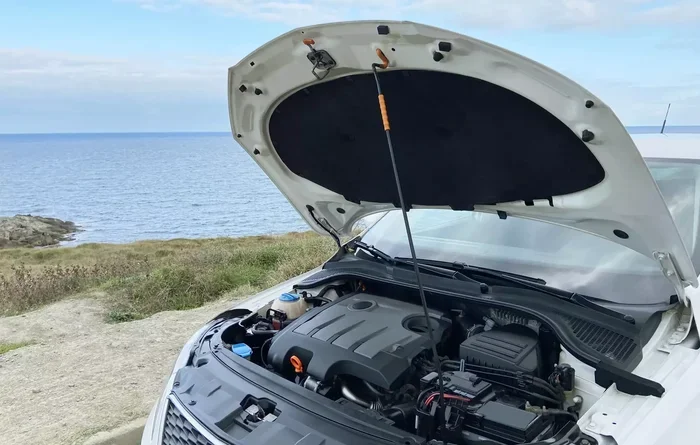
Why Cant I Open My Bonnet And What To Do About It
Why can’t I open my bonnet? A stuck bonnet is usually caused by a frozen latch, a broken release cable, or a worn-out safety catch. This guide walks you through simple fixes you can try at home, plus expert tips to prevent the problem from happening again. Whether your bonnet is stuck closed or won’t latch properly, you will find clear, actionable steps to get back on the road.
Key Takeaways
- Frozen latches and broken cables are the top culprits when your bonnet wont open, especially in cold weather.
- Try the interior release lever and emergency bonnet release before calling a mechanic.
- Regular lubrication and monthly checks can prevent most bonnet latch problems.
- A damaged hood latch spring or worn cable often needs professional replacement.
- Never force your bonnet open — it can damage the bonnet hinge or latch mechanism.
- Repair costs are generally affordable if you address the issue early.
- Knowing your bonnet release system saves time and money in emergencies.
📑 Table of Contents
Why Does Your Bonnet Get Stuck in the First Place
There is nothing more frustrating than standing in a parking lot, pulling the bonnet release handle, and hearing nothing. You try again. Nothing. Your bonnet is stuck, and you have no idea why. This happens to drivers every single day, and it is almost always fixable.
When you ask yourself, why can’t I open my bonnet, the answer usually comes down to one of a few common causes. Cold weather can freeze the latch mechanism. A broken release cable can disconnect from the lever. Or the safety catch might just be worn out from years of use. Understanding what is going on inside your bonnet latch system is the first step toward a solution.
The good news is that most of these problems have simple fixes. You do not need to be a mechanic to get your hood open again. In this guide, we will walk you through every possible reason your bonnet wont open, and give you clear steps to fix each one. Let us get into it.
Frozen Latch Mechanisms in Cold Weather
Cold temperatures are the number one enemy of your bonnet latch. When moisture gets into the latch assembly and freezes, the whole mechanism seizes up. You pull the release, but the hood latch simply will not budge. This is especially common in winter months or in colder climates.
The metal parts inside the latch contract when it is cold. Any small bit of moisture turns to ice, and suddenly your bonnet release lever has no power to pop the latch open. A light coating of ice can stop the entire system. This is why so many drivers ask, why can’t I open my bonnet, on a freezing morning.
Worn Out Bonnet Release Cables
Your bonnet cable connects the interior release handle to the latch mechanism under the bonnet. Over time, this cable can stretch, fray, or even snap completely. When the cable breaks, pulling the handle inside the car does nothing at all.
A worn cable is one of the most common reasons for a bonnet stuck closed. The cable might still look okay on the outside, but inside the sheath, the wire is damaged. This is a gradual problem that gets worse over months or years. If you notice your release handle feels loose or pulls without resistance, the cable might be next.
Damaged Safety Catch or Hood Prop Rod
Most cars have a secondary safety catch that keeps the bonnet from flying open while driving. This catch can get stuck, bent, or corroded over time. If the safety catch is jammed, the bonnet will not release even when the primary latch opens.
Older vehicles use a manual hood prop rod to hold the bonnet up. If this rod is stuck or missing, you might not be able to open the bonnet fully. On newer cars, gas strut systems do the same job. A failed strut can make the bonnet feel heavy or stuck. Either way, a problem with the safety catch or prop system can leave you wondering, why can’t I open my bonnet.
How the Bonnet Latch Mechanism Works
To fix a problem, you need to understand how the system works. Your bonnet latch mechanism is a simple but clever setup. It has three main parts: the release lever inside the car, the cable that connects them, and the actual latch under the bonnet.
When you pull the release handle, it pulls the cable. The cable pulls the latch open. The safety catch releases, and the bonnet pops up. It sounds simple, and it is — until one part fails. Knowing each piece helps you figure out exactly where the problem is.
Understanding the Release Lever and Cable System
The hood release handle is usually on the driver’s side, near the floor or below the steering column. When you pull it, you should feel a slight click. That click means the cable is pulling the latch. If you feel nothing, the cable might be disconnected or broken.
The bonnet release cable runs from the handle to the latch assembly. This cable is protected by a rubber sheath, but moisture and dirt can still get in. Over time, the cable corrodes or stretches. A stretched cable loses tension and cannot pull the latch hard enough to release it. This is a very common reason your bonnet latch stops working properly.
Common Parts That Can Fail
Several parts in the bonnet latch system can wear out or break. Here are the most common ones:
- Hood latch spring — This small spring helps the latch return to its closed position. If it breaks, the latch can jam.
- Bonnet cable — Stretching, fraying, or snapping prevents the release signal from reaching the latch.
- Safety catch — A stuck or corroded safety catch blocks the bonnet from opening even when the main latch releases.
- Hood prop rod or strut — A failed prop rod or gas strut makes the bonnet hard to hold open or open at all.
- Bonnet hinge — Rust or corrosion on the hinges can make the entire bonnet stiff and hard to lift.
When any of these parts fail, your bonnet wont open. The key is figuring out which one is the problem. The next section will help you do exactly that.
Step-by-Step Fixes to Open a Stuck Bonnet
Now that you know the common causes, let us get into the fixes. These steps work for most vehicles, whether you drive a compact car or a large SUV. Always start with the simplest fix and work your way up.
Try the Interior Release Lever First
Before you do anything else, pull the hood release handle inside your car. Do it slowly and firmly. You should hear a click or feel a slight give. If you hear nothing, the cable might be broken. If you hear a click but the bonnet still will not open, the latch itself might be frozen or jammed.
Here is a quick tip: try pulling the release handle a few times. Sometimes a stuck cable needs a few attempts to loosen up. Do not yank on it. Gentle, steady pressure works best. This simple step solves the problem more often than you might think.
Use the Emergency Bonnet Release
Many cars have a hidden emergency bonnet release built into the front grille or bumper. This is a small cable or lever that you can access from outside the car. It bypasses the interior handle and cable system entirely.
To find it, look at the front of your car, just behind the bumper. You might need a flashlight. The emergency release is often a small plastic cap or a metal loop. Push, pull, or twist it, and the latch should pop open. Check your vehicle manual if you are not sure where yours is located. This is a very useful trick when you ask yourself, why can’t I open my bonnet, and the interior handle does nothing.
Apply Lubricant to the Latch
If the latch is frozen, a good lubricant can work wonders. Spray a small amount of WD-40 or silicone-based lubricant directly into the latch mechanism. Let it sit for a few minutes to penetrate the frozen parts.
Do not use too much lubricant. A little goes a long way. After spraying, try pulling the release handle again. You might need to wiggle the bonnet gently while pulling the handle. The combination of lubricant and gentle movement often breaks the ice or corrosion that was blocking the latch.
Quick tip: keep a can of lubricant in your garage or trunk. A few sprays every few months can prevent your bonnet latch from freezing in the first place. This is one of the easiest hood latch repairs you can do yourself.
Manually Pop the Latch from Under the Bonnet
If the cable is broken, you can still open the bonnet manually. First, try to create a small gap between the bonnet and the front of the car. Use a flat tool like a screwdriver or a trim removal tool to gently pry open a gap near the front edge.
Once you have a small gap, reach inside and feel for the latch mechanism. You should see a lever or arm connected to the latch. Push or pull this lever in the direction that releases it. The bonnet should pop up enough for you to lift it fully.
This method takes a little patience, but it works on most vehicles. Be careful not to scratch the paint or damage the bonnet hinge while reaching inside. If you feel unsure, it is okay to stop and call for help.
Comparison: Common Bonnet Problems and Solutions
Not all bonnet problems are the same. Here is a quick comparison of the most common issues and the best way to fix each one:
| Problem | Likely Cause | Fix | Difficulty |
|---|---|---|---|
| Bonnet stuck closed, no click from handle | Broken or disconnected release cable | Use emergency release or replace cable | Medium |
| Bonnet stuck in cold weather | Frozen latch mechanism | Apply lubricant and gently wiggle | Easy |
| Bonnet opens but will not stay up | Failed prop rod or gas strut | Replace prop rod or strut | Easy |
| Bonnet latch feels loose or sloppy | Worn latch spring or cable stretch | Lubricate or replace parts | Medium |
| Bonnet will not latch closed | Misaligned latch or damaged safety catch | Adjust latch or replace safety catch | Hard |
| Bonnet stuck and handle feels rigid | Corroded cable or seized latch | Lubricate, or manually pop latch | Medium |
This table should help you quickly identify what is going on with your bonnet. Use the difficulty rating to decide whether you can handle the fix yourself or need professional help.
When to Call a Professional Mechanic
Most bonnet problems can be fixed at home with basic tools. But some situations call for a trained mechanic. Knowing when to stop DIY-ing and call for help can save you time, money, and further damage to your car.
Signs Your Bonnet Latch Needs Replacement
There are clear signs that your bonnet latch has gone beyond a simple fix. If you notice any of these, it is time to see a professional:
- The latch is visibly cracked, bent, or broken.
- The hood latch spring is snapped and cannot be replaced easily.
- The bonnet cable has frayed all the way through and needs full replacement.
- The safety catch is severely corroded and will not move at all.
- You have tried all the DIY fixes and the bonnet still wont open.
If any of these sound familiar, do not keep trying to force the bonnet open. Forcing it can damage the bonnet hinge, scratch the paint, or even warp the bonnet frame. A mechanic can assess the damage and recommend the right repair.
Average Bonnet Latch Repair Cost
The good news is that bonnet latch repair cost is usually quite affordable. A simple cable replacement might cost between $50 and $150, depending on your vehicle. A full latch assembly replacement typically runs between $100 and $300, including parts and labour.
These costs are much lower than what you might pay for other car repairs. And if you catch the problem early, you might only need a cheap lubricant or a simple cable adjustment. The longer you ignore a stuck bonnet latch, the more expensive the repair can become.
Expert insight: Many mechanics offer free or low-cost diagnostics for bonnet issues. It is worth calling a local shop to get a quick estimate before committing to any repair. This way, you know exactly what you are dealing with and can budget accordingly.
Preventing Bonnet Latch Problems in the Future
The best way to deal with a stuck bonnet is to prevent it from happening in the first place. A little regular maintenance goes a long way toward keeping your bonnet latch mechanism working smoothly for years.
Regular Maintenance Tips
Here are simple habits that can prevent most bonnet problems:
- Lubricate the latch every 3 to 6 months. A quick spray of silicone lubricant keeps the mechanism moving freely and prevents rust and ice buildup.
- Check the bonnet cable for wear. Look for fraying, rust, or slack in the cable. Replace it early if you notice any damage.
- Test the safety catch regularly. Make sure the secondary catch releases smoothly every time you open the bonnet.
- Keep the bonnet hinge clean and free of debris. Wipe down the hinges and check for rust or corrosion.
- Close the bonnet gently but firmly. Slamming it can misalign the latch and damage the safety catch over time.
Quick Checks You Should Do Monthly
Set a reminder to do a quick bonnet check once a month. It only takes a couple of minutes:
- Pull the release handle and confirm it clicks.
- Open and close the bonnet to make sure the latch engages properly.
- Check that the prop rod or gas strut holds the bonnet securely.
- Look for any visible rust, cracks, or damage around the latch area.
These small checks take almost no time, but they can save you from a frustrating morning when your bonnet is stuck. Prevention is always easier and cheaper than repair.
Common Mistakes People Make With Stuck Bonnets
When drivers cannot open their bonnet, they often make mistakes that make the problem worse. Here is what to avoid:
- Forcing the bonnet open with brute strength. This can bend the latch, crack the safety catch, or damage the bonnet hinge.
- Pouring boiling water on a frozen latch. The sudden temperature change can crack plastic parts and warp metal.
- Ignoring the problem. A small cable issue can turn into a full latch failure if left alone.
- Using the wrong lubricant. Avoid grease-heavy products. They attract dirt and can make the latch worse over time.
- Trying to drive with the bonnet open or unsecured. This is extremely dangerous and can block your vision.
Avoiding these mistakes will keep your bonnet latch in good shape and prevent unnecessary trips to the mechanic.
Key Takeaways
- Cold weather and frozen latches are the most common reasons your bonnet will not open.
- Always try the interior release handle and emergency release before attempting manual fixes.
- Lubrication is your best friend for preventing and fixing a stuck bonnet latch.
- Knowing the basic parts of your bonnet mechanism helps you diagnose problems quickly.
- Call a mechanic if the latch is visibly damaged or if DIY fixes do not work.
- Regular maintenance checks can prevent most bonnet problems from ever happening.
- Never force a stuck bonnet open — it risks costly damage to hinges and the latch assembly.
Conclusion
Dealing with a stuck bonnet is never fun, but it is almost always solvable. Now that you know the answer to why can’t I open my bonnet, you have the tools and knowledge to handle it yourself in most cases. Whether the culprit is a frozen latch, a broken cable, or a stuck safety catch, the fixes we covered should get you back on track.
Remember to start with the simplest solutions. Pull the release handle, try the emergency release, and apply lubricant before moving on to more involved repairs. And if the problem is beyond a DIY fix, do not hesitate to call a professional. A bonnet latch repair is usually quick and affordable when you address it early.
Prevention is the real game-changer. A little regular maintenance — lubrication, cable checks, and gentle closing — can save you from the headache of a stuck bonnet altogether. Keep these tips in mind, and your bonnet latch mechanism will keep working smoothly for years to come.
The next time your bonnet wont open, stay calm and work through the steps in this guide. You have got this. And if all else fails, a mechanic is always just a phone call away.
Frequently Asked Questions
Why won’t my bonnet open even when I pull the release handle?
The most likely reason is a broken or stretched bonnet release cable. When the cable fails, pulling the handle inside the car does not transmit the signal to the latch. Try the emergency release from outside the car, or check the cable for damage. If the cable is broken, it will need to be replaced.
Can cold weather really freeze my bonnet shut?
Yes, absolutely. Moisture inside the bonnet latch mechanism can freeze in cold temperatures, causing the latch to seize up. This is one of the most common reasons drivers ask, why can’t I open my bonnet, during winter. Applying a silicone lubricant before the cold season can help prevent this.
How much does it cost to fix a bonnet latch?
The bonnet latch repair cost depends on the problem. A simple cable replacement usually costs between $50 and $150. A full latch assembly replacement can range from $100 to $300. These costs are generally affordable, especially if you address the issue early before it causes further damage.
Is it safe to drive with the bonnet slightly open?
No, it is extremely dangerous. An open or partially open bonnet can block your view of the road and may fly shut while driving, causing serious damage or injury. If your bonnet opens while driving, slow down safely, pull over, and secure the bonnet before continuing.
What lubricant should I use on my bonnet latch?
A silicone-based lubricant or a light spray like WD-40 works well for bonnet latch maintenance. Avoid heavy grease or oil-based products, as they attract dirt and dust. Clean the latch area first, apply a small amount of lubricant, and work the mechanism a few times to spread it evenly.
How often should I check my bonnet latch and cable?
A monthly check is ideal. Simply pull the release handle to confirm it clicks, open and close the bonnet to test the latch, and inspect the cable for any signs of fraying or rust. A few minutes of regular maintenance can prevent most bonnet latch problems before they start.