How Much Does It Typically Cost to Fix Steering Assist
Steering assist repair costs typically range from $200 to $1,500, depending on the root cause and your vehicle type. Common issues like low power steering fluid, a faulty steering assist module, or electrical problems can all trigger steering assist warnings. Understanding the steering assist repair cost breakdown helps you budget wisely and avoid unnecessary expenses.
Steering assist is one of those features you probably do not think about until something goes wrong. Suddenly, your steering feels heavy, or a warning light pops up on your dashboard. At that point, one question dominates your mind: how much is this going to cost?
The good news is that steering assist repair costs are often manageable, especially when you catch the problem early. Whether you drive a compact sedan or a full-size truck, understanding what goes into steering assist repair costs can save you time, money, and a lot of stress. In this guide, we break down everything you need to know about steering assist problems and what it takes to fix them.
Steering assist is a feature found in most modern vehicles. It helps you turn the steering wheel with less effort. This system goes by different names depending on the manufacturer. Some call it electric power steering (EPS). Others refer to it as power steering assist or simply steering assist.
The system uses an electric motor or hydraulic pump to reduce the force needed to turn your wheels. When you grip the steering wheel and turn it, sensors detect your input. The system then adds power to make the turn smoother and easier. This is especially helpful at low speeds, like when parking or maneuvering in tight spaces.
There are two main types of steering assist systems. Hydraulic power steering uses fluid pressure to help you steer. Electric power steering uses an electric motor. Both systems serve the same purpose but work very differently. Hydraulic systems tend to be found in older vehicles and trucks. Electric systems are more common in newer cars and SUVs.
Each type has its own set of potential problems. Hydraulic systems can leak fluid or have pump failures. Electric systems can have sensor issues, motor failures, or wiring problems. Understanding which type your vehicle has is the first step toward figuring out your steering assist repair cost.
Steering assist problems rarely appear out of nowhere. Your car usually gives you warning signs long before a full failure occurs. Catching these signs early can significantly reduce your steering assist repair cost.
One of the most common warning signs is a stiff or heavy steering wheel. If you notice that turning the wheel requires more effort than usual, do not ignore it. Another sign is a warning light on your dashboard. Many vehicles display a steering assist warning light when the system detects a problem. This light often looks like a steering wheel with an exclamation point.
Unusual noises are also a red flag. You might hear a whining sound when you turn the wheel. Or you may notice a grinding noise that was not there before. These sounds often point to a failing pump or motor.
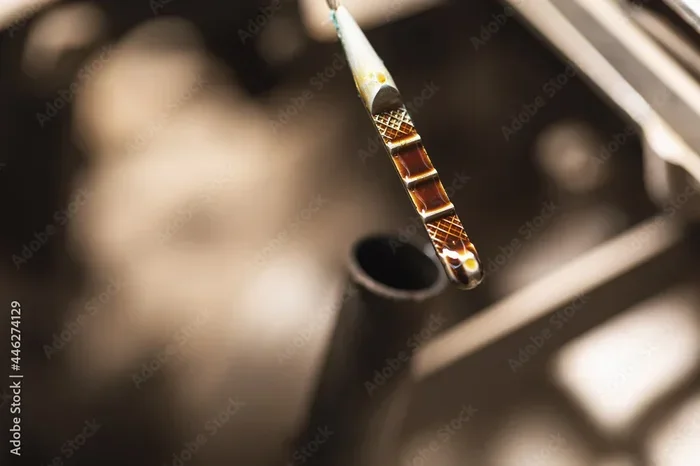
Fluid leaks are another clear indicator. If you see a puddle of fluid under your car, check what color it is. Power steering fluid is usually clear, amber, or reddish. A leak means your system is losing the pressure it needs to assist you.
Finally, pay attention to how your steering feels during different driving conditions. If steering feels different at low speeds compared to highway driving, something is off. These warning signs should always prompt you to investigate further.
The steering assist repair cost varies widely based on what is causing the problem. Let us break down the most common causes and their associated costs.
Low power steering fluid is the most common and least expensive issue. Topping off or changing the fluid typically costs between $50 and $100. If you catch a small leak early, the repair might only involve a minor seal replacement. This keeps the steering assist repair cost on the lower end.
A faulty steering assist module is a more serious problem. The module controls the electric motor in EPS systems. When it fails, you lose steering assist entirely. Replacing a steering assist module costs between $500 and $1,500. The wide range depends on your vehicle make and model. Luxury vehicles and trucks tend to be on the higher end.
Wiring and electrical issues can also trigger steering assist problems. Damaged wires, corroded connectors, or blown fuses can disrupt the system. Repairing electrical issues typically costs between $100 and $400. The cost depends on how difficult it is to access the damaged wiring.
A failing electric motor is another expensive repair. The motor that provides steering assist can wear out over time. Replacing an electric steering motor costs between $400 and $1,200. Labor charges make up a significant portion of this cost.
In some cases, the steering rack itself may need replacement. This is one of the most expensive steering repairs. A steering rack replacement can cost anywhere from $800 to $2,000 or more. The price varies based on the vehicle and the extent of the damage.
Several factors influence the final steering assist repair cost. Understanding these factors helps you set realistic expectations.
Your vehicle type plays a big role. A basic sedan usually has simpler steering systems. Repairing a Honda Civic steering assist system will cost less than fixing a luxury SUV. Trucks and heavy-duty vehicles often have more complex steering setups, which drives up costs.
The location of the repair also matters. Dealerships typically charge more than independent mechanics. However, dealerships often provide specialized expertise for specific brands. If you own a Ford, taking it to a Ford dealership might cost more but could come with warranty coverage.
Labor rates vary significantly by region. Mechanics in major cities often charge higher hourly rates. Rural areas may have lower labor costs but fewer specialized shops. Always get multiple quotes before committing to a repair.
The age and mileage of your vehicle also factor in. Older vehicles may need additional repairs beyond the steering assist issue. High-mileage vehicles might have worn components that need replacing alongside the primary fix.
The severity of the problem matters too. A simple fluid top-off is cheap. A complete system failure with multiple damaged components will be much more expensive. Early detection always saves money.
Let us look at a few real-world examples to understand steering assist repair costs better. These examples cover different vehicles and different problems.
A 2015 Toyota Camry with low power steering fluid might need a fluid change and a minor leak repair. The total steering assist repair cost for this scenario would be around $100 to $200. This is the best-case scenario and one of the cheapest fixes possible.
A 2018 Ford F-150 with a faulty steering assist module could face a repair bill of $800 to $1,200. The module itself costs $400 to $700, and labor adds another $400 to $500. This is a mid-range repair that many truck owners encounter.
A luxury vehicle like a BMW 5 Series with an electric steering motor failure might cost $1,000 to $1,800 to repair. BMW parts are expensive, and specialized labor adds to the cost. Luxury vehicles almost always have higher steering assist repair costs than economy cars.
An older vehicle with a completely failed steering rack could require a replacement costing $1,500 to $2,500. In some cases, it might make more sense to sell the vehicle rather than invest in such an expensive repair.
These examples show why getting an accurate diagnosis is so important. A mechanic needs to identify the exact cause before giving you a firm estimate.
You have some options when it comes to steering assist repairs. Each option has pros and cons. Let us compare them.
Independent Mechanic vs. Dealership
Independent mechanics usually charge lower labor rates. They can handle most steering assist repairs effectively. Dealerships have brand-specific training and diagnostic tools. They are especially helpful for complex electrical issues. For a simple fluid change or module replacement, an independent mechanic is often the better choice financially.
DIY Repair vs. Professional Repair
Some steering repairs are suitable for DIY. Topping off power steering fluid is straightforward. You can do it at home with basic tools. However, replacing a steering assist module or motor requires specialized knowledge. These repairs should be left to professionals. Attempting complex repairs without proper skills can lead to safety hazards and higher costs.
Repair vs. Replacement
Sometimes a full system replacement makes more sense than individual repairs. If multiple components are failing, a complete overhaul might be more cost-effective. Your mechanic can help you decide which approach makes the most sense for your situation and budget.
Steering assist problems can sometimes be prevented with regular maintenance. A little prevention goes a long way toward avoiding expensive repairs.
Check your power steering fluid regularly. Most manufacturers recommend checking the fluid level every few months. Low fluid is the leading cause of steering assist issues. Keeping the fluid at the proper level reduces wear on the entire system.
Address small leaks immediately. A small drip today can become a major problem tomorrow. Even a slow leak drains the system over time. When fluid levels drop too low, the pump can overheat and fail.
Have your steering system inspected during routine maintenance. When you get an oil change or tire rotation, ask the mechanic to check the steering components. Early detection of worn parts saves money.
Avoid turning the steering wheel to its maximum position for extended periods. This puts extra strain on the pump and motor. If you need to hold the wheel at full lock, do so only briefly.
Keep your tires properly inflated. Underinflated tires make steering harder and put additional stress on the steering system. Proper tire pressure supports the overall health of your steering assist system.
These simple habits can extend the life of your steering system and keep repair costs down.
One of the most common questions we get is about resetting the steering assist system. After some repairs, the system needs to be recalibrated. This process varies by vehicle and manufacturer.
For many electric power steering systems, a reset involves turning the ignition on and off several times. Some vehicles require a specific sequence of steering wheel movements. Others need a diagnostic tool to clear error codes and recalibrate the system.
After a steering assist module replacement, the new module must be programmed to your vehicle. This programming step is essential for proper operation. Skipping it can result in continued steering problems or warning lights.
If you notice steering assist issues after a repair, do not assume the repair failed immediately. Sometimes the system just needs a reset or recalibration. However, if the problem persists, return to your mechanic for further diagnosis.
Steering assist is a critical safety feature. Driving with a malfunctioning system is dangerous. A steering assist failure can make your vehicle hard to control, especially at low speeds or in emergencies.
If your steering assist warning light comes on, get your vehicle inspected as soon as possible. Continuing to drive with a known steering problem increases the risk of accidents. It can also cause additional damage to other components.
Some drivers wonder if they can still drive with steering assist problems. In some cases, the vehicle remains drivable without power assist. However, the steering becomes very heavy. This is especially true at low speeds and during parking maneuvers. Heavy steering requires more physical effort and can be exhausting on long drives.
The bottom line is clear. Address steering assist problems promptly. Ignoring them leads to more expensive repairs and safety risks. The cost of a timely repair is almost always less than the cost of a neglected problem.
Steering assist repair costs can feel overwhelming at first glance. But with the right information, you can make confident decisions about your vehicle. Remember that the most common fixes are affordable. Low fluid levels, minor leaks, and simple electrical issues often cost less than $200 to resolve.
More serious repairs like module or motor replacements do carry higher costs. But even these are manageable with proper planning and budgeting. Always get a detailed estimate before authorizing any work. Ask your mechanic to explain the steering assist repair cost breakdown clearly.
Regular maintenance is your best defense against expensive steering repairs. Check your fluid, inspect your components, and address small problems before they grow. These habits keep your steering system healthy and your wallet happy.
If you are dealing with a steering assist issue right now, start by checking your power steering fluid level. This simple step takes minutes and could save you hundreds of dollars. From there, consult a trusted mechanic for a proper diagnosis.
Steering assist is something most drivers take for granted until it stops working. By understanding the costs and causes, you are better prepared to handle any steering problem that comes your way. Stay proactive, stay informed, and keep your vehicle steering smoothly for years to come.
When your steering system acts up, it can be tempting to ignore it. But steering is too important to leave to chance. Whether it is a simple fluid top-off or a complex module replacement, addressing the problem quickly is always the right move. Your safety and your budget will thank you.
Key Takeaways
- Average Steering Assist Repair Cost: Most repairs fall between $200 and $1,500, with minor fixes on the lower end.
- Low Power Steering Fluid: This is the cheapest and most common fix, often costing under $100.
- Steering Assist Module Replacement: Replacing the module can cost $500 to $1,500 depending on your vehicle.
- Electrical Issues: Wiring and sensor problems add complexity and cost to steering assist repairs.
- DIY vs. Professional Repair: Simple fluid top-offs can be DIY, but module replacements need a professional.
- Ignoring Warning Signs: Delaying steering assist repairs can lead to more expensive damage down the road.
- Vehicle Type Matters: Luxury and electric vehicles often have higher steering assist repair costs.
Frequently Asked Questions
What is the most common cause of steering assist failure?
The most common cause is low power steering fluid. When fluid levels drop, the system cannot build enough pressure to assist steering. Other frequent causes include faulty steering assist modules, damaged wiring, and worn electric motors. Regular fluid checks can prevent most of these issues.
Can I drive my car if the steering assist is not working?
Yes, but it is not recommended. Without steering assist, the wheel becomes very heavy to turn. This is especially difficult at low speeds and while parking. Driving with a failed steering assist system is also a safety risk. Have the problem diagnosed and repaired as soon as possible.
How much does it cost to replace a steering assist module?
Replacing a steering assist module typically costs between $500 and $1,500. The module itself ranges from $200 to $800, and labor adds another $300 to $700. The final cost depends on your vehicle make and model. Luxury vehicles generally have higher replacement costs.
Is steering assist repair covered by warranty?
It depends on your warranty terms and the cause of the failure. Manufacturer warranties may cover steering assist repairs if the issue is due to a defect. Regular wear and tear is usually not covered. Check your warranty documentation or speak with your dealer to confirm coverage.
Can low power steering fluid cause steering assist problems?
Absolutely. Low power steering fluid is the number one cause of steering assist issues. When fluid levels drop, the system loses pressure and cannot assist properly. Topping off the fluid often resolves the problem. However, if the fluid is low because of a leak, the leak must also be repaired.
How long does a steering assist repair take?
Simple repairs like fluid changes take less than an hour. More complex repairs like module or motor replacements can take two to four hours. Electrical diagnostics may add extra time. Your mechanic can give you a more accurate time estimate after diagnosing the specific problem.
=== CONCLUSION ===
Steering assist repair costs depend on the cause, your vehicle type, and where you get the repair done. Most repairs range from $200 to $1,500, with simpler fixes costing less and complex replacements costing more. The key takeaway is to address steering assist problems early. Catching issues like low fluid or small leaks quickly keeps repair costs low and keeps you safe on the road. Regular maintenance, prompt attention to warning signs, and choosing a trusted mechanic are the best ways to manage steering assist repair costs. Your steering system works hard for you every day. Give it the care it deserves, and it will keep you driving smoothly for miles to come.