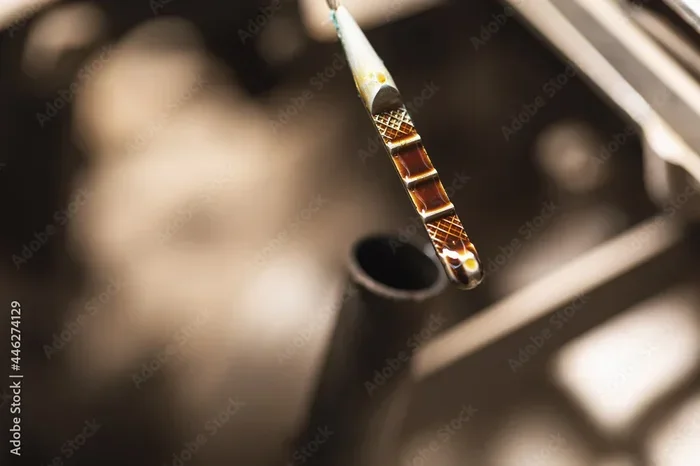
How Do I Check My Engine Oil Status For Better Performance
Checking your engine oil status regularly is one of the simplest yet most important things you can do for your car’s health. This guide walks you through every method — from the traditional dipstick to modern oil life monitoring systems — so you can keep your engine running at its best. You will learn how to read oil levels, identify bad oil, and avoid costly repairs with a few quick checks.
Your engine oil is the lifeblood of your car. It lubricates moving parts, reduces friction, and keeps everything running cool. But here is the thing — many drivers forget to check it until something goes wrong. By that point, the damage might already be done. How do I check my engine oil status for better performance? That is exactly what this guide answers.
Whether you drive a brand-new sedan or a trusty older truck, checking your oil status takes just a few minutes. You do not need to be a mechanic. You just need to know what to look for and when to look for it. In this article, we break down every method, every warning sign, and every tip you need to stay on top of your engine health.
Let us be real for a second. A car is a big investment. And like any investment, it needs regular care. Checking your oil is one of the easiest and cheapest ways to protect that investment. It takes less time than a coffee break, and it can save you hundreds — even thousands — of dollars in repairs. So let us get into it.
Key Takeaways
- Check your oil monthly: Regular checks catch problems early and protect your engine from damage.
- Use the dipstick correctly: Warming up the engine and waiting a few minutes gives you the most accurate reading.
- Watch for warning signs: Dark color, burning smell, and low levels all signal that your oil needs attention.
- Know your oil life monitor: Many modern cars use a system that tracks driving conditions to estimate oil life.
- Change oil on schedule: Following manufacturer recommendations keeps your engine running smoothly for years.
- Don’t ignore low oil warnings: Driving with low oil can cause serious and expensive engine damage.
- Keep records: Tracking your oil changes helps you stay on top of maintenance and resale value.
📑 Table of Contents
- Why Checking Your Engine Oil Status Matters
- How to Check Your Oil Level Using the Dipstick
- Understanding Modern Oil Life Monitoring Systems
- Signs That Your Oil Status Needs Attention
- How Often Should You Check Your Oil?
- What to Do If Your Oil Level Is Low
- Tips for Better Oil Maintenance
- Common Mistakes People Make When Checking Oil
- Final Thoughts on Checking Your Engine Oil Status
Why Checking Your Engine Oil Status Matters
Engine oil does more than just lubricate. It cleans internal components, prevents rust, and helps regulate engine temperature. Over time, oil breaks down and loses its effectiveness. Dirty or low oil means your engine is working harder than it should. That means more wear, more heat, and eventually, more problems.
Here is why checking your engine oil status should be a regular habit:
- Prevents engine wear: Clean oil reduces friction between metal parts. This keeps your engine running smoothly for longer.
- Improves fuel efficiency: Fresh oil lets your engine run more efficiently. That means better gas mileage over time.
- Catches leaks early: Regular checks help you spot oil leaks before they become serious issues.
- Saves money: Catching a small oil problem early is far cheaper than fixing a damaged engine later.
- Extends engine life: Cars with regular oil maintenance last significantly longer than those without.
Think of it this way. You check your phone battery every day. You check your car’s fuel gauge without thinking. Checking your oil should be just as automatic. It is a small habit with big rewards.
The Cost of Ignoring Oil Checks
Skipping oil checks might seem harmless at first. But low or degraded oil causes increased friction. That friction leads to overheating. Overheating leads to warped parts, seized engines, and eventually, total engine failure. Replacing an engine can cost anywhere from $4,000 to $8,000 or more. A simple oil check costs nothing and takes five minutes. The math is clear.
How to Check Your Oil Level Using the Dipstick
The dipstick is the most traditional and reliable way to check your engine oil status. Every car with a combustion engine has one. Even if you drive a newer model with electronic monitoring, the dipstick is still the gold standard for accuracy. Let us walk through the process step by step.
Step-by-Step Dipstick Guide
- Park on a level surface: This ensures the oil settles evenly and gives you an accurate reading.
- Turn off the engine: Wait at least 5 to 10 minutes after turning off the engine. This lets the oil drain back into the oil pan.
- Open the hood: Pull the hood release lever, usually located under the dashboard on the driver’s side.
- Locate the dipstick: It typically has a brightly colored handle — often yellow or orange — and sits near the front of the engine.
- Pull the dipstick out: Wipe it clean with a paper towel or rag.
- Reinsert the dipstick: Push it all the way back in, then pull it out again.
- Read the marks: Look at the tip of the dipstick. You will see two marks — usually lines or holes. The oil should fall between these marks.
If the oil level is below the lower mark, you need to add oil. If it is above the upper mark, you may have too much oil, which can also cause problems. If you are unsure about the right oil type for your vehicle, this guide on vehicle upgrades can help you understand your options.
What to Look for on the Dipstick
The dipstick tells you two things: oil level and oil condition. Here is what to look for:
- Oil level: Should be between the minimum and maximum marks. Ideally, closer to the maximum mark.
- Oil color: Fresh oil is amber or golden. Dark brown or black oil means it is time for a change.
- Oil texture: Rub a drop between your fingers. It should feel smooth. Gritty or rough texture means the oil contains contaminants.
- Milky appearance: If the oil looks milky or frothy, coolant may be mixing with the oil. This is a serious issue that needs immediate attention.
Quick Tip: Check your oil when the engine is cool but has been running for a few minutes. This gives the oil time to circulate and settle, providing the most accurate reading. Many mechanics recommend checking oil in the morning before starting the car for the day.
Understanding Modern Oil Life Monitoring Systems
Many newer vehicles come equipped with an oil life monitoring system. These systems use sensors and algorithms to track driving conditions and estimate when your oil needs changing. They are convenient, but they are not a replacement for physical oil checks.
How Oil Life Monitors Work
Oil life monitors track factors like:
- Engine temperature
- Driving conditions (city vs. highway)
- Number of start-stop cycles
- Time since last oil change
- Engine load and RPM patterns
The system then displays a percentage — usually starting at 100% and counting down to 0%. When it hits around 15%, it is time to schedule an oil change. But here is the catch: these systems estimate based on general driving patterns. They do not tell you your actual oil level or condition. That is why a physical dipstick check still matters.
If your car has an oil life monitor, use it as a reminder system. But do not skip the manual check. Think of the monitor as your backup, not your primary tool.
Common Oil Life Monitor Misconceptions
Some drivers think the oil life monitor tells them everything they need to know. That is not true. Here are a few common myths:
- Myth: The monitor tells me when my oil is dirty. Fact: It estimates change intervals based on driving conditions, not actual oil quality.
- Myth: I can ignore oil checks if the monitor says I am at 100%. Fact: Sensors can malfunction. A physical check is always a good idea.
- Myth: The monitor resets automatically after an oil change. Fact: Many systems require a manual reset. Check your owner’s manual for instructions.
Signs That Your Oil Status Needs Attention
Your car will tell you when something is wrong with the oil. The trick is knowing what to look for. Here are the most common warning signs that your engine oil status needs immediate attention.
Dashboard Warning Lights
Your dashboard is your car’s communication center. Two lights are directly related to oil:
- Oil pressure warning light: This looks like an oil can with a drip. It means oil pressure is too low. Pull over safely and check your oil level immediately.
- Check engine light: While this light can mean many things, low oil is one possible cause. If it comes on, check your oil and other fluids.
If the oil pressure light comes on while driving, do not ignore it. Pull over safely, turn off the engine, and check your oil level. Driving with low oil pressure can destroy your engine within minutes.
Unusual Engine Noises
Oil lubricates the moving parts inside your engine. Without enough oil, metal parts grind against each other. Listen for:
- Ticking or tapping sounds: Especially when starting the car. This often means oil is not reaching the valve train fast enough.
- Knocking sounds: A deeper knocking noise can indicate severe oil starvation. This is an emergency.
- Increased engine noise: If your engine sounds louder than usual, low oil could be the cause.
Oil Smells and Exhaust Smoke
Your senses are powerful diagnostic tools. Pay attention to what you smell and see:
- Burning oil smell: This usually means oil is leaking onto hot engine parts. Get it checked right away.
- Blue or gray exhaust smoke: This can indicate oil is burning inside the combustion chamber. Possible causes include worn piston rings or valve seals.
- Sweet smell: A sweet smell combined with a milky oil appearance could mean coolant is mixing with your oil.
If you notice any of these signs, do not keep driving. Pull over safely and assess the situation. Continuing to drive with low or contaminated oil can cause irreversible engine damage.
How Often Should You Check Your Oil?
The frequency of oil checks depends on your vehicle, driving habits, and the type of oil you use. Here is a general guide to help you stay on track.
Recommended Check Intervals
| Vehicle Type | Check Frequency | Oil Change Interval |
|---|---|---|
| New car (synthetic oil) | Every 2 weeks or 1,000 miles | Every 7,500–10,000 miles |
| Older car (conventional oil) | Monthly | Every 3,000–5,000 miles |
| High-mileage vehicle | Every 2 weeks | Every 3,000–5,000 miles |
| Severe driving conditions | Before each trip | Every 3,000–5,000 miles |
Severe driving conditions include short trips (under 5 miles), extreme temperatures, towing, stop-and-go traffic, and dusty environments. If you drive in any of these conditions, check your oil more frequently.
For most drivers, checking oil once a month is a good baseline. But if you notice any warning signs — like the ones we discussed above — check it immediately. When in doubt, check it out. It costs nothing and takes less than five minutes.
Can You Check Oil Too Often?
No. Checking your oil frequently will not harm your engine. In fact, it is always better to check too often than too little. The only risk is getting false readings if you check immediately after driving without letting the oil settle. Just wait a few minutes and recheck if needed.
What to Do If Your Oil Level Is Low
Finding that your oil is low can be stressful, but it is a fixable problem — as long as you act quickly. Here is exactly what to do.
- Do not panic: A slightly low oil level is common and usually not an emergency. But do not ignore it.
- Add the right oil: Check your owner’s manual for the correct oil type and viscosity. Using the wrong oil can cause more harm than good.
- Add oil slowly: Use a funnel and add small amounts at a time. Recheck the dipstick after each addition.
- Do not overfill: Too much oil can cause foaming, pressure buildup, and engine damage. Stay between the marks.
- Check for leaks: If your oil drops quickly after refilling, you may have a leak. Look under the car for fresh oil spots.
If you are not comfortable adding oil yourself, visit a trusted mechanic or dealership. Many quick-lube shops will top off your oil for free or a minimal charge. This article on adding oil to a low car provides more detailed guidance on handling this common situation safely.
When to See a Professional
Sometimes low oil is a symptom of a bigger problem. See a professional if:
- Your oil drops consistently between checks
- You see blue or white exhaust smoke
- You notice a burning smell that does not go away
- The oil pressure light stays on after adding oil
- Your engine makes unusual noises even after adding oil
These could indicate oil leaks, internal engine damage, or other serious issues that need professional diagnosis. Catching these problems early saves you from expensive repairs down the road.
Tips for Better Oil Maintenance
Checking your oil is just the first step. Here are some expert tips to keep your oil — and your engine — in top shape.
Keep a Maintenance Log
Write down every oil check and oil change. Include the date, mileage, and oil type. This log helps you track patterns and stay consistent with maintenance. It also adds value if you ever sell your car. Resetting your oil change reminder after each service is an important part of this habit.
Use Quality Oil and Filters
Not all oils are created equal. Synthetic oils last longer and perform better in extreme temperatures. They also resist breakdown better than conventional oils. Pair quality oil with a quality oil filter, and your engine will thank you for years.
Do Not Skip Oil Changes
Even the best oil degrades over time. Additives break down, contaminants accumulate, and the oil loses its ability to protect your engine. Stick to the recommended oil change interval for your vehicle. If you are unsure what interval is right for your car, consult your owner’s manual or a trusted mechanic.
Check Oil Before Long Trips
Before any road trip, take five minutes to check your oil level and condition. Long drives put extra stress on your engine, and you do not want to be stranded with an oil problem in the middle of nowhere. It is a simple step that can save you from a major headache.
Understand Your Vehicle’s Specific Needs
Every car is different. A Toyota Camry has different oil requirements than a Ford F-150. A Subaru needs different care than a Honda Civic. Learn what your specific vehicle needs by reading the owner’s manual and staying up to date with recommended maintenance. Changing your Corolla’s oil yourself is a great example of understanding your vehicle’s specific needs and taking control of your maintenance routine.
Common Mistakes People Make When Checking Oil
Even good intentions can lead to mistakes. Here are the most common errors drivers make when checking their oil — and how to avoid them.
- Checking oil right after driving: Hot oil is thin and does not settle properly in the pan. Wait 5–10 minutes for an accurate reading.
- Not checking on a level surface: An uneven surface gives false readings. Always park on flat ground.
- Ignoring the oil color: The level might be fine, but if the oil is black and gritty, it needs changing.
- Using the wrong oil type: Wrong viscosity or wrong specification can reduce engine performance and protection.
- Forgetting to check the oil filter: A clogged oil filter restricts oil flow. Replace the filter with every oil change.
- Assuming the oil life monitor is enough: Electronic systems are helpful but not foolproof. Always do a manual check too.
Avoiding these simple mistakes makes a huge difference in the accuracy of your oil checks and the overall health of your engine.
Final Thoughts on Checking Your Engine Oil Status
Checking your engine oil status is one of the easiest and most impactful things you can do for your vehicle. It takes just a few minutes, costs nothing, and can prevent catastrophic engine damage. Whether you use the traditional dipstick method or rely on a modern oil life monitor, the key is consistency. Make it a habit. Check it monthly, watch for warning signs, and never ignore what your car is telling you.
Your engine works hard every day to get you where you need to go. A little attention goes a long way. Keep that oil clean, keep that oil at the right level, and your engine will reward you with years of reliable performance. Take five minutes today. Check your oil. Your future self — and your wallet — will thank you.
Remember, oil maintenance is not just about avoiding breakdowns. It is about protecting the vehicle you rely on every day. Whether you are commuting to work, hauling gear, or taking a weekend road trip, clean and properly leveled oil keeps everything running smoothly. Start today. Your engine will be healthier for it.
For more information on maintaining your vehicle, explore our other guides on topics like syncing your phone to your new car and pairing your iPhone to your car for a complete ownership experience.
Frequently Asked Questions
How do I check my engine oil status at home?
To check your oil at home, park on a level surface, turn off the engine, and wait 5–10 minutes. Locate the dipstick, pull it out, wipe it clean, reinsert it fully, then pull it out again to read the oil level. The oil should be between the minimum and maximum marks on the dipstick.
What does low engine oil feel like?
Low engine oil often causes ticking or tapping noises from the engine, especially when starting. You may also notice reduced engine performance, a lit oil pressure warning on your dashboard, or in severe cases, the engine running hotter than normal.
Can I check my oil while the engine is running?
No, you should always check your oil with the engine off and cooled down for a few minutes. Hot oil circulates throughout the engine and does not settle in the oil pan, giving you an inaccurate reading. Wait at least 5 minutes after turning off the engine for the best results.
How often should I check my engine oil level?
For most vehicles, checking your oil once a month is sufficient. However, if you drive older cars, tow heavy loads, or drive in severe conditions, checking every two weeks or before long trips is recommended.
What color should my engine oil be?
Fresh engine oil is typically amber or golden in color. As it ages and collects contaminants, it darkens to brown or black. If your oil looks milky or frothy, that could indicate a coolant leak, which requires immediate professional attention.
Is it safe to drive with low oil?
No, driving with low oil is dangerous. Oil lubricates the engine’s moving parts, and without enough oil, metal components grind against each other, causing rapid wear and potentially catastrophic engine failure. If your oil is low, add the correct oil immediately or have your vehicle towed to a mechanic.