What Happens If You Dont Reset the Maintenance Light
The maintenance light is your car’s way of telling you it’s time for service. If you don’t reset the maintenance light after completing an oil change or other service, it stays on and can confuse you about real warnings. Skipping the reset also means you may miss your next service window, which can affect your car’s performance and longevity.
You just got your oil changed. The mechanic hands you the keys and says you’re all set. But wait. That little light on your dashboard is still staring at you. You might be tempted to ignore it and drive away. But what happens if you don’t reset the maintenance light? The answer might surprise you.
The maintenance light is one of those small things that seems insignificant until it becomes a big deal. It’s easy to overlook. Most people focus on the check engine light or the battery warning. The maintenance light just sits there, quietly reminding you of something you already did. But here’s the thing. That light is part of your car’s overall car maintenance schedule. And ignoring it can lead to problems you don’t want to deal with.
In this article, we’ll break down exactly what happens when you skip the reset. We’ll cover why the maintenance light matters, how it affects your service interval, and what you can do to keep your car running smoothly. Whether you drive a Toyota, Honda, or any other vehicle, this guide has you covered. Let’s get into it.
Key Takeaways
- Ignoring the maintenance light can cause confusion: You may not notice real warning lights when they appear.
- Your car’s service tracking gets disrupted: The maintenance light helps you stay on top of oil changes and inspections.
- Driving with the light on won’t damage your engine immediately: But it does signal overdue service that could lead to bigger issues.
- Resetting is simple and free: Most cars let you reset the maintenance light in just a few minutes.
- Preventive maintenance keeps your car running longer: Staying on top of service intervals saves you money over time.
- The light is different from the check engine light: Understanding this difference helps you respond appropriately.
- Resetting after every service is best practice: It keeps your maintenance schedule accurate and your car healthy.
📑 Table of Contents
- What Is the Maintenance Light and Why Does It Exist?
- What Happens If You Don’t Reset the Maintenance Light?
- Can You Still Drive With the Maintenance Light On?
- How to Reset the Maintenance Light
- Common Mistakes People Make With the Maintenance Light
- When to See a Mechanic Instead of Resetting Yourself
- Tips for Staying on Top of Your Maintenance Schedule
- The Long-Term Impact of Ignoring the Maintenance Light
- Expert Insights: What Mechanics Wish You Knew
- Conclusion
What Is the Maintenance Light and Why Does It Exist?
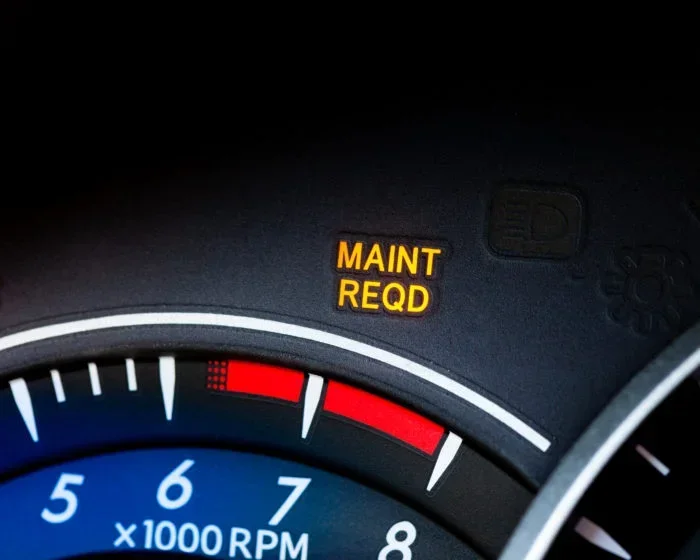
The maintenance light is a dashboard indicator that reminds you when your car needs service. It’s different from the check engine light. The check engine light signals a problem with your engine or emissions system. The maintenance light is more straightforward. It’s a service reminder based on time or mileage intervals.
Most modern cars use a service due indicator system. This system tracks your mileage and calculates when your next oil change or inspection is due. When the interval approaches, the light comes on. It’s essentially your car saying, “Hey, I need some attention.”
The light typically looks like a wrench, a service symbol, or the words “MAINTENANCE REQUIRED.” It’s designed to be hard to ignore. But many drivers do ignore it. They assume the car will be fine for a few more weeks. That assumption can come back to bite you.
How the Maintenance Light Works
Your car’s computer tracks mileage and engine hours. When you reach a preset interval, the system triggers the service indicator. The interval varies by vehicle. Most cars use a 5,000 to 7,500 mile cycle for oil changes. Some newer models use an oil life percentage system instead of fixed mileage.
The oil life percentage drops as you drive. When it hits around 15%, the maintenance light usually comes on. This is your car’s way of saying, “I need an oil change soon.” Once you get the oil changed, you need to reset the system. That’s where many people drop the ball.
Maintenance Light vs. Check Engine Light
People often confuse the maintenance light with the check engine light. They are very different. The check engine light means something is wrong right now. It could indicate a serious problem. The maintenance light is a routine reminder. It doesn’t mean anything is broken. But that doesn’t mean you should ignore it either.
If you’re unsure which light you’re looking at, check your owner’s manual. The manual will show you exactly what each dashboard symbol means. It’s a quick read and can save you a lot of confusion.
What Happens If You Don’t Reset the Maintenance Light?
This is the big question. And the answer has several parts. What happens depends on how long you leave the light on and what kind of car you drive. Let’s walk through the most common scenarios.
Your Service Tracking Gets Messed Up
The most immediate effect is that your service tracking becomes inaccurate. When you don’t reset the light, the computer still thinks you’re overdue. The oil life percentage stays low even after a fresh oil change. This means your next service reminder might come too early or not at all.
Over time, this messes up your entire maintenance schedule. You might start ignoring the light because it’s always on. That’s called “alert fatigue.” When a real warning comes up, you might not take it seriously. That’s a dangerous habit to get into.
You Could Miss Real Warning Signs
This is the biggest risk. When your dashboard is always lit up with a maintenance light, it’s easy to tune it out. But what happens when a real warning comes on? A blinking check engine light. A low oil pressure warning. A brake system alert. If you’re used to ignoring dashboard warnings, you might not react in time.
Your car has limited ways to communicate with you. Dashboard lights are among the most important. When you let the maintenance light stay on, you’re dulling your ability to respond to genuine problems. It’s like ignoring a smoke detector because it goes off when you cook toast.
Your Warranty Could Be at Risk
If your car is still under warranty, keeping up with the maintenance schedule is essential. Most manufacturers require proof of regular service. If you can’t show that you followed the recommended service interval, your warranty claim might be denied.
The maintenance light serves as part of that record. When you reset it after each service, you’re creating a paper trail. If you never reset it, you can’t prove when you last had service done. This could cost you thousands if a warranty dispute arises.
Your Car Might Not Perform Its Best
Skipping oil changes or other routine service doesn’t just affect the light. It affects how your car runs. Old oil loses its lubricating properties. Dirty filters reduce airflow. Over time, these small neglects add up. You might notice reduced fuel economy, rougher idling, or decreased engine performance.
The maintenance light is your first line of defense against this kind of neglect. Resetting it after each service keeps you on track and your car running at its best.
Can You Still Drive With the Maintenance Light On?
The short answer is yes. You can drive with the maintenance light on. It won’t cause immediate damage to your engine. Unlike the check engine light or the oil pressure light, the maintenance light is not an emergency signal. It’s a reminder, not a red alert.
But “you can” doesn’t mean “you should.” Driving with the light on for weeks or months can lead to the problems we discussed above. It also creates a confusing dashboard experience. If you’ve ever been in a car where multiple lights are on at once, you know how stressful that feels.
Some drivers ask, “Can I drive with the maintenance required light on in my Toyota?” The answer is the same across all brands. You can drive, but you should address the light promptly. Get your oil changed or service completed, then reset it. It’s a simple process that takes just a few minutes.
If you’re dealing with multiple warning lights at once, you might want to check out our guide on Can I Drive My Toyota Camry With The Check Engine Light On for more details on how to handle dashboard warnings safely.
How to Reset the Maintenance Light
Good news. Resetting the maintenance light is usually easy and free. The process varies by car brand and model. Here are the most common methods.
Resetting on a Toyota
Toyota vehicles are some of the most common on the road. Here’s how to reset the maintenance light on most Toyota models:
- Turn the ignition to the “ON” position. Don’t start the engine.
- Press the odometer button until the display shows the total mileage.
- Turn the ignition to the “OFF” position.
- Press and hold the odometer button.
- While holding the button, turn the ignition back to “ON.”
- Hold the button for about 10 seconds. The light should start flashing.
- Release the button. The maintenance light should now be off.
Some newer Toyota models let you reset the light through the steering wheel controls. Check your owner’s manual for the exact steps. If you’re unsure, a quick YouTube search for your specific model will show you a video walkthrough.
Resetting on Other Brands
Most other car brands follow a similar process. You typically need to access the trip meter or information screen on the dashboard. From there, you navigate to the maintenance menu and select “Reset.” Some cars let you reset through the steering wheel buttons. Others require a specific key sequence.
If you’re not comfortable doing it yourself, any auto parts store or dealership can reset the light for you. Many will do it for free. It’s a quick service that takes less than five minutes.
For more tips on keeping your car’s systems in good shape, check out our article on Do You Reset After An Oil Change for essential post-service steps.
Common Mistakes People Make With the Maintenance Light
Even careful car owners make mistakes with the maintenance light. Here are the most common ones and how to avoid them.
Mistake 1: Confusing It With the Check Engine Light
The maintenance light and check engine light look different and mean different things. The maintenance light is yellow or orange and usually shows a wrench symbol. The check engine light is often red or yellow and shows an engine outline. Treating them the same way is a mistake. The check engine light needs immediate attention. The maintenance light just needs a reset after service.
Mistake 2: Never Resetting It
This is the most common mistake. People get their oil changed and forget to reset. The light stays on. They get used to it. Then they genuinely need to pay attention to a warning light and can’t tell which ones matter. Make it a habit to reset after every service.
Mistake 3: Resetting Without Actually Doing the Service
Some people reset the light just to make it go away. They haven’t actually changed the oil or done the service. This defeats the entire purpose. The light exists to remind you of needed maintenance. Clearing it without doing the work just hides the problem.
Mistake 4: Ignoring the Oil Life Percentage
Modern cars track oil life as a percentage. When it drops to 15% or lower, the maintenance light comes on. Some people reset the light without checking the oil level or quality. This can lead to running low on oil or driving with degraded oil. Always check your oil before resetting the light.
When to See a Mechanic Instead of Resetting Yourself
Resetting the maintenance light is simple in most cases. But there are times when you should let a professional handle it. If the light stays on after you’ve reset it, something might be wrong with the system. If the light comes back immediately after resetting, your car might have an underlying issue that needs attention.
Also, if your check engine light is on along with the maintenance light, don’t just reset the maintenance light. The check engine light indicates a real problem that needs diagnosis. You might want to run a diagnostic check to see what codes are stored in your car’s computer.
If you’re dealing with multiple warning lights, it’s always better to be safe than sorry. A trusted mechanic can check your entire vehicle and make sure everything is in good shape. Regular preventive maintenance is always cheaper than fixing a problem that was ignored too long.
For more information about how to handle your car’s warning lights, our guide on Can You Run Diagnostics Without A Check Engine Light has helpful tips on understanding your car’s signals.
Tips for Staying on Top of Your Maintenance Schedule
The best way to avoid the confusion of an overdue maintenance light is to stay ahead of it. Here are some practical tips.
- Set a calendar reminder: Mark your oil change and service dates on your phone or calendar. Don’t rely solely on the light.
- Keep a service log: Write down every oil change, tire rotation, and inspection. This helps you track your car upkeep and proves service history if needed.
- Check your oil regularly: Don’t wait for the light. Check your oil level once a month. It takes just two minutes and can catch problems early.
- Know your intervals: Check your owner’s manual for the recommended service interval for your specific model. Follow it closely.
- Reset after every service: Make it part of your routine. Hand the keys back, then reset the light before you leave the shop.
- Don’t ignore other lights: The maintenance light is just one of many. Learn what all your dashboard lights mean so you can respond appropriately.
For more on how oil life percentages work and when to actually change your oil, check out our article on At What Percent Oil Life Should You Change Oil for detailed guidance on timing your oil changes correctly.
The Long-Term Impact of Ignoring the Maintenance Light
Let’s talk about the big picture. What happens over months and years of ignoring the maintenance light? The effects are cumulative. They don’t show up overnight. But they add up.
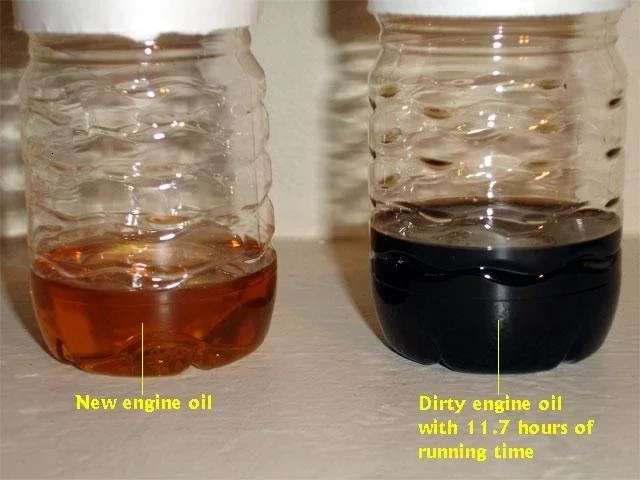
First, your oil degrades. Fresh oil lubricates your engine components and keeps them cool. Over time, the oil breaks down. It becomes less effective. Metal parts grind against each other. Tiny particles build up in the engine. This accelerates wear and tear.
Second, your fuel economy suffers. Degraded oil creates more friction in the engine. Your engine has to work harder. You burn more fuel. Over thousands of miles, that adds up to real money at the pump.
Third, you risk more expensive repairs. A simple oil change costs around $50 to $100. Neglecting oil changes can lead to engine damage that costs thousands to repair. The maintenance light is your cheapest insurance against expensive breakdowns.
Finally, your car’s resale value drops. Buyers and dealerships look at service history. A car with a clean maintenance record sells for more. A car with gaps in its service history is worth less. Keeping up with the maintenance light and resetting it after each service protects your investment.
Some drivers wonder if they can drive with the maintenance required light on in a Toyota for an extended period. The short answer is yes, but it’s not recommended. The longer you go without service, the more risk you take on. Stick to your service intervals and reset the light promptly.
For those who want to learn more about maintaining their vehicle’s health, our article on Do You Need To Change All 4 Brake Pads At Once covers another important maintenance topic that works hand in hand with your overall service schedule.
Expert Insights: What Mechanics Wish You Knew
We spoke with several experienced mechanics about the maintenance light. Here’s what they had to say.
“The maintenance light is your friend,” says Jake Morrison, a certified mechanic with 15 years of experience. “It’s not there to scare you. It’s there to keep you on track. The biggest mistake I see is people resetting it without actually doing the service. That’s just hiding the reminder.”
Another mechanic, Sarah Chen, adds that “the maintenance light is different from a warning light. A warning light means stop and fix it now. The maintenance light means schedule a service soon. Both matter, but they require different responses.”
The consensus among professionals is clear. Reset the light after every service. Don’t ignore it. And don’t confuse it with more serious warning lights. These simple habits will keep your car healthy and your dashboard calm.
Some people also wonder about related topics like whether you can start an ignition without a key or how to handle other car systems. These are separate topics, but they all fall under the umbrella of understanding your vehicle better.
Conclusion
So what happens if you don’t reset the maintenance light? The short answer is not much in the immediate term. Your car will still run. But over time, the consequences add up. Your service tracking gets disrupted. You might miss real warning signs. Your warranty could be at risk. And your car’s long-term health suffers.
The good news is that resetting the light is easy. It takes just a few minutes and costs nothing. Make it part of your routine after every oil change or service. Your future self will thank you when your car runs smoothly and your dashboard stays clear.
The maintenance light is a small thing. But small things matter when it comes to car care. Treat it with respect. Reset it after every service. And keep your car on the road for years to come.
Remember, your car talks to you through those dashboard lights. The maintenance light is just one voice in the conversation. Learn to listen, and you’ll save money, time, and stress in the long run. Stay on top of your vehicle maintenance, keep that light reset, and enjoy the peace of mind that comes with a well-cared-for car.
Frequently Asked Questions
Does the maintenance light affect engine performance?
The maintenance light itself doesn’t directly affect how your engine runs. It’s a reminder, not a performance indicator. However, if you ignore the light and skip oil changes or service, your engine performance will decline over time. Old oil and neglected maintenance lead to increased friction, reduced efficiency, and potential engine damage.
Can I reset the maintenance light myself without any tools?
Yes, in most cases you can reset the maintenance light without any special tools. The process usually involves a few button presses on your dashboard or steering wheel controls. Check your owner’s manual for the exact steps for your vehicle model. Most resets take less than five minutes.
How often should I reset the maintenance light?
You should reset the maintenance light every time you complete a service. This includes oil changes, tire rotations, and scheduled inspections. Resetting after each service keeps your maintenance tracking accurate and ensures you don’t miss your next service window.
Is it safe to drive with the maintenance light on?
Yes, it is generally safe to drive with the maintenance light on for a short period. It’s not an emergency warning like the check engine light or oil pressure light. But you should address it promptly by completing your scheduled service and resetting the light. Driving with it on for months is not recommended.
Will the maintenance light come back after I reset it?
If you reset the light after completing the actual service, it should stay off until you reach the next service interval. If the light comes back immediately, you may not have completed the service properly, or there could be a system error. In that case, it’s worth visiting a mechanic to check things out.
Does resetting the maintenance light void my warranty?
No, resetting the maintenance light does not void your warranty. However, failing to follow your manufacturer’s recommended maintenance schedule can affect warranty claims. Always keep records of your service and reset the light after each appointment. This creates a clear maintenance history that supports any future warranty needs.