Watch for These Signs of a Bad Alternator Before It Fails
Your car’s alternator keeps the battery charged and powers every electrical system while you drive. Ignoring the signs of a bad alternator can leave you stranded with a dead battery or a car that won’t start. Common warning signs include dim headlights, a battery warning light on the dashboard, strange whining noises, and frequent stalling. Catching these symptoms early can save you from costly repairs and unexpected breakdowns on the road.
Your car has a quiet but mighty worker running under the hood every single time you turn the key. It is called the alternator. This small but important part keeps your battery charged and powers all the electrical systems you rely on every day. When it starts to fail, your car gives you plenty of warning. But here is the problem. Most people ignore those warnings until they are stuck on the side of the road.
Understanding the signs of a bad alternator can save you a lot of trouble. It can also save you money. A failing alternator does not just stop working overnight. It gives you clues. Some are subtle. Others are impossible to miss. In this guide, we will walk through every warning sign in detail. You will learn what to look for, why it happens, and what you should do next.
Whether you are dealing with dim headlights at night or a weird noise coming from the engine bay, this article has you covered. Let us dive in and make sure you are never caught off guard.
Key Takeaways
- Dim or flickering lights are often the first visible sign your alternator is failing.
- A dashboard battery warning light should never be ignored, even if the car seems to run fine.
- Strange noises like grinding or whining point to worn alternator bearings or a loose belt.
- A dead or weak battery is frequently caused by a failing alternator, not a bad battery alone.
- Electrical glitches in power windows, radio, or dashboard gauges can signal charging system problems.
- Regular inspections of the serpentine belt and charging system can prevent sudden alternator failure.
📑 Table of Contents
What Does an Alternator Do?
Before we look at the warning signs, it helps to understand what the alternator actually does. Think of it as your car’s electrical generator. When the engine runs, the alternator converts mechanical energy into electrical energy. This electricity does two important jobs.
First, it keeps the battery charged. Second, it powers all the electrical systems in your car. That includes the headlights, the radio, the power windows, and even the fuel injectors. Without a working alternator, your car runs on battery power alone. And that battery will drain fast.
The alternator works thanks to a serpentine belt that spins it while the engine runs. Inside the alternator, a rotor spins inside a stator. This creates an electrical current. A voltage regulator controls the output. It makes sure the right amount of electricity goes to the battery and the rest of the car. When any part of this system breaks down, you start to see problems.
Common Signs of a Bad Alternator
The signs of a bad alternator show up in different ways. Some are easy to spot. Others need a closer look. Here are the most common warning signs you should know about.
Dim or Flickering Headlights
This is one of the most obvious signs. If your headlights look dimmer than usual, especially at idle, your alternator might be struggling. The alternator powers your lights. When it cannot produce enough electricity, the lights get dim. You might also notice the dashboard lights flickering or fading in and out.
Try this simple test. Turn on the headlights, the radio, and the air conditioning. If the lights dim noticeably when you add these electrical loads, your charging system may not be keeping up. This is a clear signal that something is wrong with the alternator.
Battery Warning Light on the Dashboard
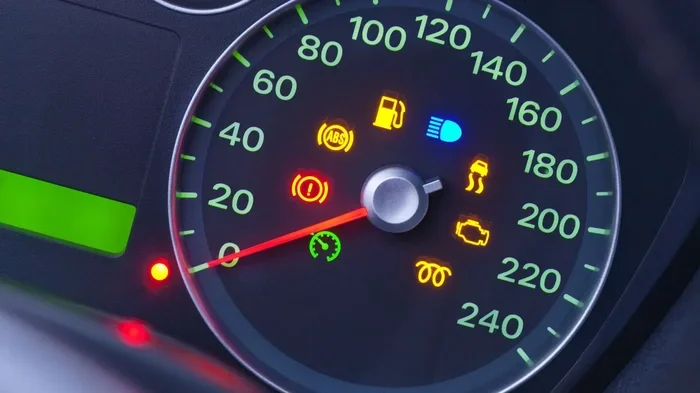
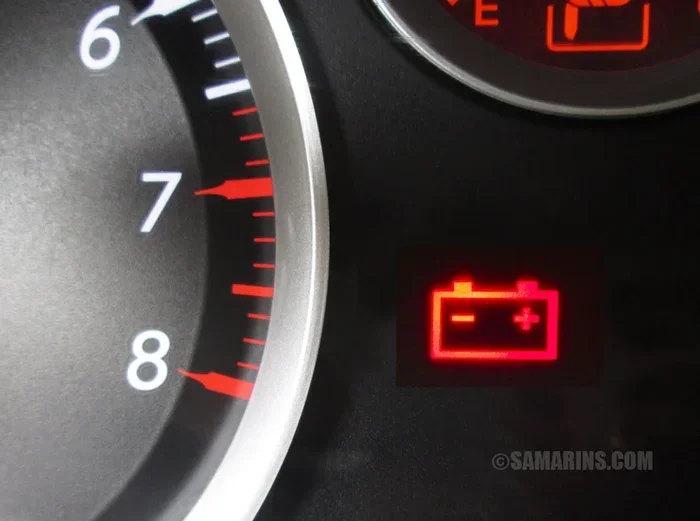
That little battery-shaped icon on your dash is not just there to look pretty. It is a warning light. When it comes on, it means the charging system is not working properly. Many people mistake this for a dead battery. But the real culprit is often the alternator.
The battery warning light usually looks like a rectangle with a plus and minus sign inside. It might also say “ALT” or “GEN.” If this light comes on while you are driving, do not ignore it. Your car is telling you the alternator is not charging the battery. You have a limited amount of time before the battery dies completely.
If you have ever wondered whether you can jump start a car with a bad alternator, the answer is yes, temporarily. But the jump start will only get you going for a short while. The alternator still needs to be fixed.
Strange Noises Under the Hood
Your car should not make strange noises. If you hear a grinding, whining, or buzzing sound coming from the engine area, pay attention. These sounds often point to alternator problems.
A grinding noise usually means the bearings inside the alternator are worn out. A whining or buzzing sound can happen when the voltage regulator is failing. A squealing noise that gets louder when you turn on the headlights might mean the serpentine belt is slipping. Any of these sounds deserve a closer look from a mechanic.
Difficulty Starting the Car
Have you ever turned the key and heard nothing but a slow click? Or maybe the engine cranks but takes a long time to start? These are classic signs of a charging system problem. The alternator keeps the battery topped off. When the alternator fails, the battery drains. A drained battery means a car that is hard to start.
You might notice this problem more after driving short trips. Short trips do not give the alternator enough time to fully recharge the battery. Over time, this adds up. Eventually, the battery will not have enough charge to start the engine.
Electrical Failures and Glitches
Modern cars depend on electricity for almost everything. Power windows, power seats, the infotainment system, dashboard gauges, and even the fuel pump all need electrical power. When the alternator starts to fail, these systems can act up.
You might notice the power windows moving slower than usual. The radio might reset every time you turn off the car. The dashboard gauges might flicker or give incorrect readings. These electrical gremlins are frustrating. But they are also important clues that your charging system is not working as it should.
Frequent Stalling or Rough Running
The fuel injectors in your car need a steady supply of electricity to work properly. When the alternator fails to provide consistent power, the engine can stall or run rough. You might feel the engine hesitate or stumble when you accelerate. In severe cases, the engine might shut off completely while driving.
This is a dangerous situation. If your engine stalls at highway speeds, it can be very risky. If you experience stalling along with any other signs on this list, get your car checked right away.
Smell of Burning Rubber or Hot Wires
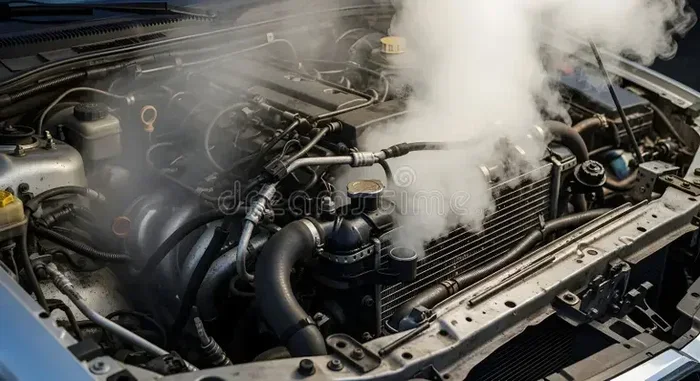
This is a serious warning sign. A burning smell under the hood should never be ignored. It can mean the serpentine belt is slipping and overheating. It can also mean the alternator’s internal wiring is getting too hot. Either way, you need to pull over safely and turn off the engine. Continuing to drive with a burning smell can cause serious engine damage.
Why Do Alternators Fail?
Alternators do not just stop working for no reason. There are common causes that lead to alternator failure. Understanding these can help you prevent problems before they start.
Worn-Out Bearings
The alternator has bearings that let the rotor spin smoothly inside the stator. Over time, these bearings wear out. When they do, you will hear grinding or whining noises. Eventually, the alternator seizes up completely. Worn bearings are one of the most common reasons alternators fail.
Bad Voltage Regulator
The voltage regulator controls how much electricity the alternator sends to the battery. When the regulator fails, the alternator might overcharge or undercharge the battery. Overcharging can damage the battery. Undercharging means the battery slowly loses its charge. Both situations lead to electrical problems.
Damaged Serpentine Belt
The serpentine belt is what spins the alternator. If the belt is cracked, loose, or broken, the alternator will not work. A worn belt might slip, which causes the alternator to spin inconsistently. This puts extra strain on the alternator and leads to premature failure.
Corroded or Loose Wiring
The alternator connects to the battery through a series of wires and connectors. Over time, these connections can corrode or become loose. Corroded wires reduce the flow of electricity. This means the alternator cannot charge the battery properly, even if the alternator itself is still in good condition.
Age and Mileage
Like all car parts, alternators have a lifespan. Most alternators last between 80,000 and 150,000 miles. As the alternator ages, its internal components wear down. If your car has high mileage, it is worth having the alternator checked regularly as part of routine maintenance.
How to Test if Your Alternator Is Bad
You do not need to be a mechanic to check your alternator. A few simple tests can give you a good idea of whether the alternator is working properly.
The Dashboard Light Test
Turn the ignition key to the “ON” position without starting the engine. Look at the dashboard. If the battery warning light comes on, that is normal. It should go off once the engine starts. If the light stays on, the charging system has a problem. This could be the alternator or something else in the charging circuit.
The Voltage Test
You will need a multimeter for this test. Set it to measure DC voltage. With the engine off, check the battery voltage. It should read around 12.6 volts. Now start the engine and check again. The voltage should rise to between 13.7 and 14.7 volts. If it stays below 13.5 volts, the alternator is likely not charging properly. If it goes above 15 volts, the voltage regulator might be failing.
The Listen Test
Open the hood and start the engine. Listen carefully to the alternator area. Put a long screwdriver to your ear and touch the other end to the alternator housing. This works like a stethoscope. If you hear grinding or whining, the alternator bearings are likely worn out.
The Load Test
Turn on all the electrical systems in your car. Headlights, radio, air conditioning, rear window defroster, and seat heaters. Watch the dashboard lights. If they dim significantly when you add these loads, the alternator is struggling to keep up. A healthy alternator should handle all these systems without any noticeable drop in output.
Alternator Repair vs. Replacement
When you find out your alternator is bad, you have two choices. You can repair it or replace it. Which option makes sense depends on the problem and the cost.
Small issues like a loose belt or corroded wiring do not require a full alternator replacement. A mechanic can fix these for a relatively low cost. But if the internal components like the rotor, stator, or voltage regulator are damaged, replacement is usually the better option.
On average, alternator replacement costs between $300 and $800, depending on the vehicle. The part itself costs between $100 and $350. Labor adds another $200 to $450. Some cars have alternators that are harder to reach, which drives up the labor cost. Luxury vehicles and trucks tend to cost more to repair.
If you are handy with tools, you can replace some alternators yourself. But for most people, it is best to leave this job to a professional. A wrong installation can damage the electrical system or void your warranty.
How to Prevent Alternator Failure
The good news is that you can take steps to keep your alternator healthy for a long time. Prevention is always better than repair.
Inspect the Serpentine Belt Regularly
Check the serpentine belt for cracks, fraying, or glazing. A belt in good condition keeps the alternator spinning smoothly. Replace a worn belt before it breaks. Most mechanics will inspect the belt during an oil change. It is a quick and easy check.
Keep the Battery Terminals Clean
Corroded battery terminals make it harder for electricity to flow. This puts extra strain on the alternator. Clean the terminals with a wire brush and baking soda solution. Make sure the connections are tight. Clean terminals help the entire charging system work better.
Avoid Overloading the Electrical System
Adding too many electrical accessories can put a strain on the alternator. If you have aftermarket lights, a winch, or a high-powered audio system, make sure your alternator can handle the extra load. Upgrading to a higher-output alternator is a smart move if you add a lot of electrical accessories.
Get Regular Inspections
Have a mechanic check the charging system as part of your regular maintenance schedule. A simple voltage test can catch a weak alternator before it fails completely. Catching the problem early means you can plan for the repair instead of dealing with a sudden breakdown.
If you have ever been in a situation where your car would not start and you needed to drive a car if the key fob battery dies, you know how frustrating electrical failures can be. Staying ahead of alternator problems helps you avoid that kind of situation entirely.
Can You Still Drive With a Bad Alternator?
The short answer is yes, but only for a little while. Your car can run on battery power alone if the alternator fails. But the battery will drain quickly. Once the battery is dead, the car will not start again. You will be stranded.
If your alternator fails while driving, turn off all unnecessary electrical loads. Turn off the radio, the air conditioning, and the rear defroster. This will help conserve battery power. Drive directly to a mechanic or a safe location. Do not take long trips with a failing alternator.
Some hybrid vehicles have a slightly different setup. If you drive a hybrid and are wondering about electrical failures, you might ask yourself, can you drive a hybrid without the hybrid battery? The answer depends on the vehicle, but the charging system still plays a vital role in keeping everything running.
Key Takeaways
- Dim or flickering lights are often the first visible sign your alternator is failing.
- A dashboard battery warning light should never be ignored, even if the car seems to run fine.
- Strange noises like grinding or whining point to worn alternator bearings or a loose belt.
- A dead or weak battery is frequently caused by a failing alternator, not a bad battery alone.
- Electrical glitches in power windows, radio, or dashboard gauges can signal charging system problems.
- Regular inspections of the serpentine belt and charging system can prevent sudden alternator failure.
Conclusion
Your car gives you plenty of warning before the alternator fails completely. The key is knowing what to look for. Signs of a bad alternator include dim headlights, a battery warning light, strange noises, electrical glitches, and difficulty starting the car. Do not wait until your car leaves you stranded on the side of the road.
Regular maintenance goes a long way. Check the serpentine belt. Clean the battery terminals. Get the charging system tested during routine service. These simple steps can extend the life of your alternator and keep you driving safely.
If you notice any of the warning signs we covered, do not delay. Take your car to a trusted mechanic as soon as possible. A quick diagnosis can save you from a much bigger problem down the road. Your alternator works hard every day. Give it the attention it deserves, and it will keep your car running strong for miles to come.
Frequently Asked Questions
Can a bad alternator cause a dead battery?
Yes, absolutely. When the alternator fails, it stops charging the battery. The battery then powers all the electrical systems on its own. Over time, the battery drains completely and will no longer have enough charge to start the car. This is why many people mistake a bad alternator for a dead battery.
How long can you drive with a bad alternator?
You can usually drive for a short distance, maybe 20 to 40 miles, depending on how much battery charge remains. But the battery will drain quickly once the alternator stops working. It is not safe to drive long distances with a failing alternator. Get it repaired as soon as possible.
What causes an alternator to fail prematurely?
Several factors can cause early alternator failure. Worn serpentine belts, corroded wiring, bad voltage regulators, and worn internal bearings are the most common culprits. Overloading the electrical system with aftermarket accessories can also shorten the alternator’s lifespan. Age and high mileage play a role as well.
Is it safe to jump start a car with a bad alternator?
It is safe to jump start the car temporarily. The jump start will give the battery enough power to get the engine running. However, the car will not stay running for long if the alternator is not charging the battery. Always get the alternator inspected after a jump start to avoid being stranded again.
How much does it cost to replace an alternator?
The total cost typically ranges from $300 to $800. The alternator part itself costs between $100 and $350. Labor costs add another $200 to $450 depending on the vehicle. Some cars have alternators that are harder to access, which increases the labor time and cost. Always get a quote from a trusted mechanic before committing to the repair.
Can a loose serpentine belt cause alternator problems?
Yes, a loose or worn serpentine belt can cause serious alternator issues. If the belt slips, the alternator does not spin consistently. This leads to uneven charging and can damage the internal components over time. Regular belt inspections are an easy way to prevent alternator problems caused by belt issues.