Is It OK to Check Oil After Driving Here Is the Answer
It is generally safe to check oil after driving, but you should wait a few minutes for the oil to settle. Checking your engine oil level correctly helps prevent costly repairs and keeps your car running strong. This guide covers the best time, method, and common mistakes to avoid.
Is it OK to check oil after driving? This is one of the most common questions car owners ask. The short answer is yes, but there is more to it than that. How and when you check your oil can make a big difference in the accuracy of your reading. It also affects how well you understand the health of your engine.
Many people pop the hood right after a long drive and pull the dipstick without thinking. That seems easy and convenient. But is it the best approach? Not always. Hot oil behaves differently than cold oil. It flows faster and coats the dipstick differently. This can lead to a misleading reading if you do not know what you are looking at.
In this article, we will walk through everything you need to know about checking your oil after driving. We will cover the right timing, the correct method, and the mistakes most people make. By the end, you will feel confident about your engine oil level and what it means for your car.
Key Takeaways
- Wait 5-10 minutes after driving: Let the oil settle back into the oil pan for an accurate reading.
- Check on level ground: Parking on a slope can give you a false dipstick reading.
- Hot oil vs cold oil matters: Both have their place, but consistency is key.
- Never overfill: Too much oil can damage your engine just as much as too little.
- Follow your owner’s manual: Different cars have different recommendations for oil checks.
- Watch for warning signs: Low oil symptoms include dashboard warnings and unusual engine noises.
📑 Table of Contents
Why Checking Oil After Driving Matters
Your engine oil does more than just lubricate moving parts. It also helps cool the engine, clean out debris, and prevent corrosion. Over time, oil breaks down and loses its effectiveness. That is why regular oil checks are so important.
When you drive, the engine heats up. The oil gets hot too. It becomes thinner and flows more easily. This is actually good for lubrication while you drive. But it creates a challenge when you want to check the level.
Hot oil sits higher in the engine passages and the oil pump. It has not fully drained back into the oil pan yet. If you pull the dipstick immediately after turning off the engine, the reading may be inaccurate. You might think you have enough oil when you actually do not.
On the other hand, waiting too long can also cause issues. Cold oil is thick and sluggish. It does not coat the dipstick the same way. So the timing of your check really does matter.
The Science Behind Oil Behavior
Engine oil is designed to expand when heated. This is normal. When the engine reaches operating temperature, the oil volume increases slightly. The oil also becomes less viscous, meaning it flows more freely. This is called oil viscosity, and it plays a big role in how your engine performs.
Most modern cars use synthetic oil or a synthetic blend. These oils are engineered to handle high temperatures better than conventional oil. They also maintain their viscosity across a wider range. But even synthetic oil needs time to settle before you check it.
Here is a simple way to think about it. Imagine pouring hot water into a glass and then trying to measure the level right away. Some of the water clings to the sides. The level looks different than it really is. The same thing happens with hot engine oil on the dipstick.
Hot Oil vs Cold Oil: What Is the Difference?
This is where many car owners get confused. Should you check oil when the engine is hot or cold? Both methods have merit. Let us break it down.
Checking Oil When the Engine Is Warm
Most car manufacturers recommend checking oil when the engine is warm. Why? Because warm oil flows evenly and gives a more consistent reading. The oil has had time to circulate through the engine and coat all the internal surfaces.
Here is the key. You do not want to check oil immediately after a hard drive. Instead, let the engine idle for a few minutes. Then turn it off and wait about 5 to 10 minutes. This gives the oil time to settle back into the oil pan.
This method works well for most vehicles. If you are unsure, check your owner’s manual. It will tell you the recommended procedure for your specific model.
Checking Oil When the Engine Is Cold
Some people prefer to check oil first thing in the morning before starting the car. This is called a cold oil check. The advantage is convenience. You do not have to wait for anything.
The downside is accuracy. Cold oil is thicker and does not flow as freely. It may not have fully settled into the oil pan overnight. The dipstick reading could be slightly off.
That said, a cold check is still useful for getting a general idea of your oil level. It is better than not checking at all. Just be consistent. If you always check in the morning, you will build a reliable baseline over time.
Which Method Gives the Most Accurate Reading?
The warm engine method with a short waiting period is generally the most accurate. It gives you a reading that reflects real-world driving conditions. Your oil is at normal operating temperature, and it has had time to settle.
However, the best method is whichever one you do consistently. What matters most is that you check your oil regularly. A reading taken every time under the same conditions is more useful than a perfect reading taken once in a while.
How to Check Your Oil the Right Way
Now that you understand the timing, let us talk about the actual process. Checking oil is simple, but doing it correctly makes all the difference.
Step-by-Step Oil Check Process
Follow these steps to get an accurate dipstick reading every time:
- Park your car on a flat, level surface. This is critical. Parking on a slope can cause the oil to pool to one side of the oil pan. The reading will not be accurate.
- Turn off the engine and let it cool for 5 to 10 minutes. This allows the oil to settle back into the oil pan.
- Open the hood and locate the dipstick. It usually has a brightly colored handle.
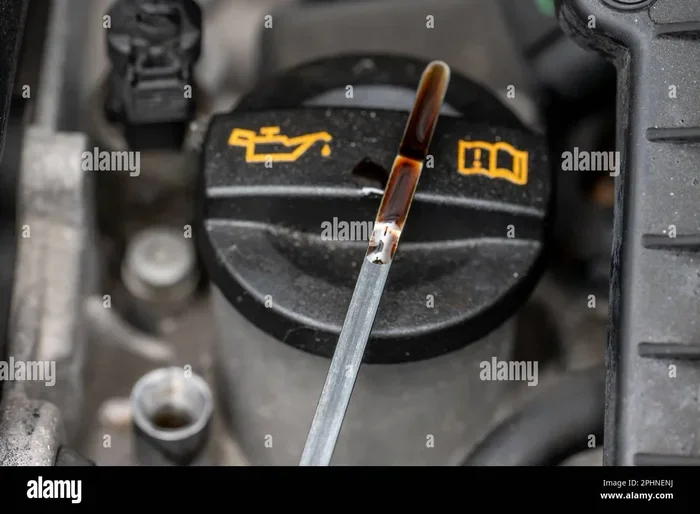
- Pull the dipstick out and wipe it clean with a rag or paper towel.
- Reinsert the dipstick fully, then pull it out again.
- Look at the oil level on the dipstick. You will see markings for minimum and maximum levels.
- Check the color and texture of the oil. Fresh oil is amber and translucent. Dark, gritty oil needs to be changed.
- Reinsert the dipstick and close the hood.
What the Dipstick Readings Mean
The dipstick will have two marks or holes. These indicate the safe range for your engine oil level. If the oil line falls between these marks, you are good. If it is below the minimum mark, you need to add oil.
If the oil is above the maximum mark, that is a problem too. Overfilling can cause oil to foam, which reduces its lubricating ability. In severe cases, excess oil can enter the combustion chamber and cause damage.
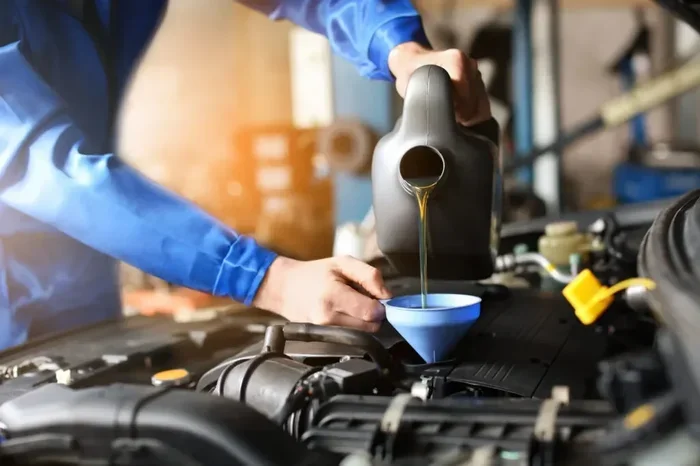
Always add oil in small amounts. Recheck the level after each addition. This prevents overfilling.
Quick Tips for Accurate Readings
- Always check oil in daylight or under good lighting.
- Use the same method each time for consistency.
- Do not check oil while the engine is running.
- Clean the dipstick before reinserting it.
- Check your oil at least once a month.
Common Mistakes People Make When Checking Oil
Even experienced car owners make mistakes when checking oil. Here are the most common ones and how to avoid them.
Checking Oil Immediately After Driving
This is the biggest mistake. When you drive, the oil heats up and circulates through the engine. It has not fully returned to the oil pan yet. Pulling the dipstick right away gives you a false low reading.
Wait at least 5 minutes after turning off the engine. This gives the oil time to drain back. Your reading will be much more accurate.
Not Parking on Level Ground
Your car needs to be on a flat surface for an accurate reading. If you are parked on a hill or a steep driveway, the oil will shift to one side. This can make the level look lower or higher than it actually is.
If you can only check on an incline, try to find a flatter spot. Even a slight slope can affect the reading.
Ignoring the Oil Color and Texture
Level is only part of the story. You also need to look at the oil itself. Healthy oil is amber and smooth. If it is dark brown or black, it is time for a change. If it looks milky or frothy, there may be a coolant leak. This is a serious issue that needs immediate attention.
Forgetting to Check the Oil Life Indicator
Many modern cars have an oil life indicator on the dashboard. This system tracks your driving habits and estimates when the oil needs to be changed. It is a helpful tool, but it is not a substitute for a manual dipstick check.
Some systems are more conservative than others. They may recommend an oil change at 15% oil life or even 5%. Check your owner’s manual to understand what your specific indicator means. You can also learn more about at what percent oil life should you change oil to get a better sense of your vehicle’s needs.
When to Worry About Your Oil Level
Sometimes the oil level drops faster than normal. This is a sign that something needs attention. Here are the warning signs to watch for.
Signs of Low Oil
How can you tell if your car is low on oil? Look for these symptoms:
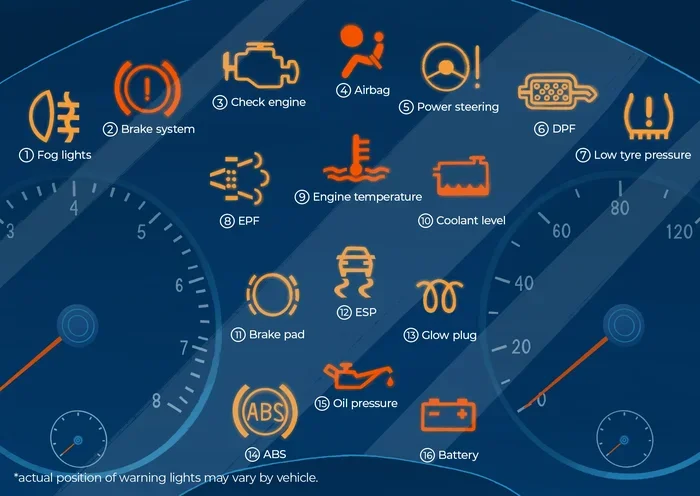
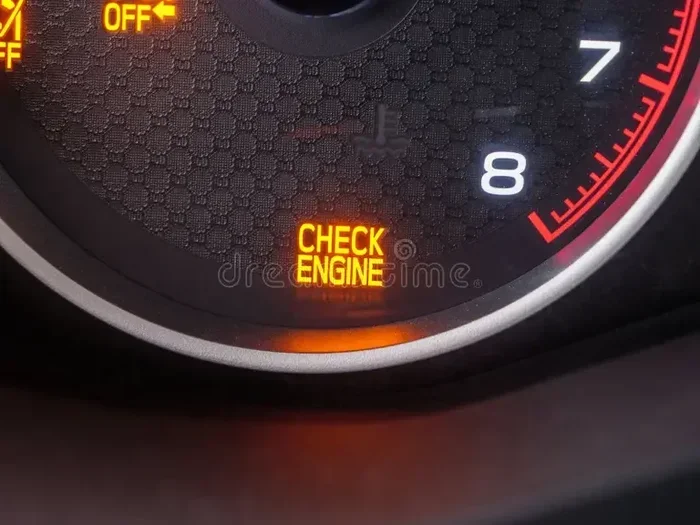
- The check engine light or oil pressure warning light comes on.
- You hear knocking or ticking sounds from the engine.
- The oil level drops quickly between checks.
- The oil looks very dark and gritty.
- You notice a burning smell while driving.
If you notice any of these signs, check your oil level right away. You can learn more about how to tell if your car is low on oil in our detailed guide on the topic.
What to Do If Your Oil Is Low
If your oil is low, do not ignore it. Driving with insufficient oil can cause serious engine damage. The oil is what keeps all the internal parts from grinding against each other. Without enough oil, friction builds up fast.
First, check for leaks. Look under your car for any oil spots. Next, check the oil cap and drain plug for proper sealing. If you do not see a leak, you may need to add oil.
Always use the type of oil recommended by your manufacturer. Using the wrong oil can cause problems. If you are unsure about what to add, check our guide on can I add oil to my car if it is low for helpful tips.
When to See a Mechanic
If your oil level drops frequently, take your car to a mechanic. Rapid oil consumption can indicate a bigger problem. It could be a worn piston ring, a leaking gasket, or an issue with the PCV valve.
Regular maintenance helps catch these issues early. If you are wondering about oil change costs and whether you can negotiate the price, check out our article on can you negotiate the price of an oil change for useful advice.
Expert Tips for Keeping Your Engine Healthy
Prevention is always better than repair. Here are some expert tips to keep your engine in great shape.
Stick to a Regular Oil Change Schedule
Follow the oil change interval recommended by your car manufacturer. For most modern cars using synthetic oil, this is every 7,500 to 10,000 miles. Some cars can go even longer. But do not push it too far.
If you are curious about whether you can go 10,000 miles on synthetic oil, the answer depends on your driving conditions and the type of oil you use. Check our guide for more details.
Use Quality Oil and Filters
Not all oils are created equal. Stick with reputable brands and the grade recommended by your manufacturer. The oil filter is just as important. A good filter traps contaminants and keeps your oil clean longer.
If you have a Toyota, you might wonder if Toyota oil filters are any good. The short answer is yes. Toyota filters are designed specifically for their engines and offer reliable performance.
Keep an Eye on Oil Consumption
All cars burn some oil over time. A small amount is normal. But if you are adding a quart every 1,000 miles or less, something may be wrong. Keep track of how much oil you add between changes.
Do Not Skip Oil Changes
It can be tempting to skip an oil change, especially if the car seems fine. But oil degrades over time. It loses its ability to lubricate and protect. Skipping changes leads to buildup and eventual engine wear.
If you are wondering whether you can get your Lexus oil change at a Toyota dealership, the answer is yes. Lexus and Toyota share the same parent company, so Toyota dealerships can service Lexus vehicles.
Check Your Oil in Different Seasons
Oil behavior changes with temperature. In winter, oil thickens and may not flow as well. In summer, oil thins out more. Check your oil more frequently during seasonal changes. This helps you stay ahead of any issues.
Understand Your Car’s Specific Needs
Every car is different. A Toyota Camry has different oil needs than a Dodge Charger GT. High-performance engines often require more frequent oil checks. Always refer to your owner’s manual for the specific recommendations for your vehicle.
Conclusion
So, is it OK to check oil after driving? Yes, it is perfectly fine and actually recommended by most manufacturers. The key is to wait a few minutes after turning off the engine. This lets the oil settle and gives you a more accurate reading.
Checking your engine oil level regularly is one of the simplest and most effective things you can do for your car. It takes just a few minutes and can save you from expensive repairs down the road. Whether you check it warm or cold, the most important thing is to be consistent.
Follow the steps outlined in this guide. Avoid the common mistakes. And pay attention to the signs your car gives you. Your engine will thank you for it. Take a few minutes today to check your oil. It is one of the best investments you can make in the longevity of your vehicle.
Frequently Asked Questions
Can I check my oil right after turning off the engine?
It is best to wait 5 to 10 minutes after turning off the engine. Hot oil has not fully settled back into the oil pan yet. Waiting gives you a more accurate dipstick reading and prevents false low oil level results.
Should I check my oil when the engine is hot or cold?
Most manufacturers recommend checking oil when the engine is warm but not hot. Let the engine idle for a few minutes, then turn it off and wait about 5 minutes. This gives the most consistent and reliable reading for your engine oil level.
How often should I check my oil level?
Check your oil at least once a month. You should also check it before long trips. Frequent checks help you catch leaks or unusual oil consumption early before they turn into serious engine problems.
What happens if I overfill my engine with oil?
Overfilling can cause oil to foam, which reduces its ability to lubricate. In extreme cases, excess oil can enter the combustion chamber and cause damage. Always add oil in small amounts and recheck the level after each addition.
Can I use any type of oil for my car?
No, always use the oil grade and type recommended by your car manufacturer. Using the wrong oil can affect engine performance and void your warranty. Check your owner’s manual or consult a trusted mechanic for guidance.
How do I know if my oil needs to be changed?
Look at the oil color and texture on the dipstick. Fresh oil is amber and translucent. Dark, gritty oil means it is time for a change. You can also refer to your car’s oil life indicator or follow the mileage interval in your owner’s manual.