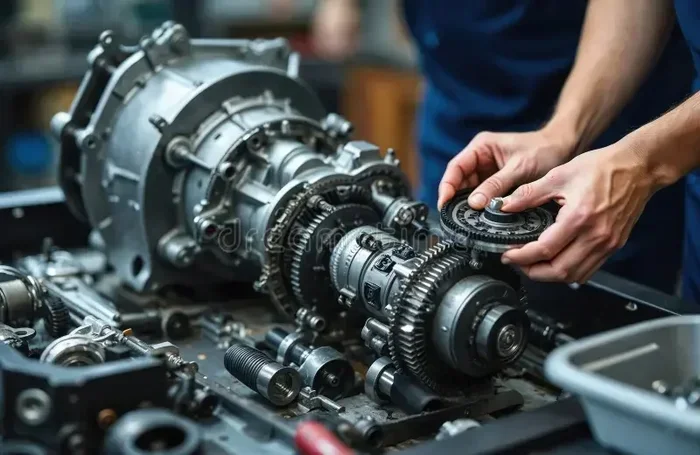
Is It Cheaper to Fix or Replace a Transmission Now
Deciding between transmission repair and replacement can save you thousands of dollars. Is it cheaper to fix or replace a transmission? The answer depends on your vehicle, the damage, and your budget. In most cases, a repair costs significantly less than a full replacement, but not always. This guide walks you through every cost, option, and consideration so you can make a confident choice.
Your transmission is one of the most important parts of your car. It makes sure power flows from the engine to the wheels smoothly. When something goes wrong, it can be scary and expensive. Many car owners face the same tough question: is it cheaper to fix or replace a transmission?
The short answer is usually repair. But that is not always the case. Sometimes a full replacement makes more sense, especially for older vehicles with severe damage. Understanding your options can save you hundreds or even thousands of dollars. Let us break it all down in simple terms.
Transmission problems can show up in many ways. You might notice strange noises, slipping gears, or a warning light on your dashboard. Whatever the symptom, the sooner you address it, the better. Delaying repairs can turn a small problem into a massive expense. Keep reading to learn everything you need to know about transmission costs and your best options.
Key Takeaways
- Transmission repairs typically cost less than a full replacement, often ranging from $300 to $1,500.
- A rebuilt transmission can cost $2,500 to $4,000, while a brand-new one can exceed $5,000.
- Your vehicle’s age and mileage play a big role in whether repair or replacement makes more sense.
- Ignoring transmission warning signs can turn a small repair into a full replacement.
- Always get multiple quotes from trusted shops before committing to any work.
- DIY fluid changes can help prevent major transmission problems down the road.
📑 Table of Contents
- Understanding Transmission Repair vs Replacement
- How Much Does Transmission Repair Cost?
- How Much Does Transmission Replacement Cost?
- Factors That Decide Your Best Option
- Warning Signs You Should Not Ignore
- DIY vs Professional Transmission Work
- When Replacement Is the Smarter Choice
- How to Save Money on Transmission Repairs
- Expert Insight: The Real Cost of Delay
- How Long Do Transmissions Last?
- Common Mistakes to Avoid
- Final Thoughts on Transmission Repair vs Replacement
Understanding Transmission Repair vs Replacement
Before we dive into costs, it helps to understand what each option actually means. A transmission repair fixes a specific part or component. A transmission replacement swaps out the entire unit. The difference in price can be huge.
Think of it like a leaky roof. You can patch one section, or you can tear off the whole roof and put a new one on. Both fix the problem, but one costs a lot more. The same logic applies to your transmission.
What Does Transmission Repair Involve?
A transmission repair targets a specific issue. Common repairs include:
- Replacing a transmission solenoid
- Fixing a torque converter problem
- Repairing or replacing transmission seals
- Resolving transmission fluid leaks
- Rebuilding the valve body
These repairs focus on one or two parts of the transmission. The rest of the unit stays intact. This keeps costs much lower than a full replacement. Most transmission repairs take a few days at a shop.
What Does Transmission Replacement Involve?
A full replacement means removing the old transmission and installing a new or remanufactured one. There are three main options:
- New transmission — straight from the manufacturer. This is the most expensive route.
- Remanufactured transmission — a rebuilt unit that has been completely restored to factory specs.
- Used transmission — pulled from a salvage vehicle. This is the cheapest option but carries more risk.
Each option has pros and cons. A new transmission comes with a full warranty. A remanufactured unit is more affordable and often still covered by a warranty. A used one is the budget choice but may not last as long.
How Much Does Transmission Repair Cost?
Transmission repair costs vary widely. The price depends on your car, the damage, and where you live. Here is a general breakdown:
| Repair Type | Average Cost Range |
|---|---|
| Solenoid Replacement | $150 – $400 |
| Seal or Gasket Repair | $150 – $350 |
| Torque Converter Fix | $300 – $1,200 |
| Transmission Flush | $100 – $300 |
| Valve Body Repair | $500 – $1,500 |
| Partial Rebuild | $1,500 – $3,000 |
Most minor repairs fall between $300 and $1,500. That is much less than a replacement. If your transmission is still in decent shape, a repair is almost always the smarter financial move.
One thing that can help prevent major repairs is keeping up with regular transmission fluid changes. If you are wondering about doing this yourself, check out our guide on can I add transmission fluid while the engine is running for helpful tips.
How Much Does Transmission Replacement Cost?
A full transmission replacement is a big expense. Here are the typical costs for each replacement option:
| Replacement Type | Average Cost Range | Warranty |
|---|---|---|
| New Transmission | $4,000 – $8,000+ | Full factory warranty |
| Remanufactured Transmission | $2,500 – $4,000 | 1-3 years typically |
| Used Transmission | $1,000 – $2,500 | Limited or none |
As you can see, the price difference is dramatic. A new transmission can cost more than the car is worth in some cases. That is why many owners choose a remanufactured or used unit instead.
Labor costs also add up. Removing and reinstalling a transmission takes several hours of skilled work. Some shops charge $500 to $1,200 just for labor. Always ask for a detailed breakdown before approving any work.
Factors That Decide Your Best Option
Not every situation is the same. Several factors determine whether repair or replacement makes more sense for you. Let us look at the most important ones.
The Age of Your Vehicle
A newer car with low mileage is almost always worth repairing. If your transmission has a specific problem like a bad solenoid, fixing it makes perfect sense. The rest of the car still has plenty of life left.
On the other hand, an older vehicle with high mileage might not be worth a big repair. If the transmission is failing in multiple places, a replacement could be the better long-term choice.
The Severity of the Damage
Minor damage means repair. Major damage means replacement. Here is a simple way to think about it:
- One component failed? Repair it.
- Multiple components are damaged? Consider replacement.
- The transmission is completely worn out? Replacement is likely your only option.
A trusted mechanic can give you a clear diagnosis. They can tell you whether the damage is isolated or widespread.
Your Budget
Let us be honest. Budget matters a lot. If you only have $1,000 to spend, a full replacement is probably out of reach. A targeted repair makes much more sense in that situation.
However, if you plan to keep the car for years, investing in a replacement might save you from repeated repairs. Think about the long-term picture, not just the immediate cost.
Warning Signs You Should Not Ignore
Catching transmission problems early can save you a lot of money. Here are the most common warning signs to watch for:
- Slipping gears — Your car unexpectedly shifts between gears.
- Delayed engagement — There is a pause before the car moves when you shift from park to drive.
- Burning smell — This often means your transmission fluid is overheating or low.
- Strange noises — Grinding, whining, or clunking sounds are never good.
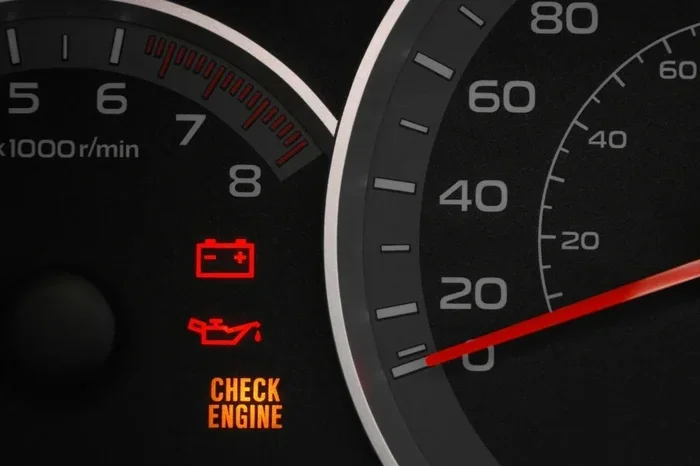
- Check engine light — Do not ignore this light. It can signal transmission issues.
- Fluid leaks — Red or brown puddles under your car need attention.
If you notice any of these signs, get your car checked right away. Ignoring them can turn a $500 repair into a $4,000 replacement. If your dashboard is showing a warning light, you might also want to check out our article on can I drive with a maintenance required light on in a Toyota for guidance on what those lights mean.
Quick Tip: Check Your Fluid Regularly
One of the easiest ways to prevent major transmission problems is to check your fluid levels regularly. Low fluid causes friction, heat, and wear. If you are low on oil and need a quick top-off, our guide on can I add oil to my car if it is low covers the basics.
DIY vs Professional Transmission Work
Some car owners wonder if they can handle transmission work themselves. The honest answer is that most transmission repairs need a professional. These are complex systems with many moving parts.
However, there are a few things you can do on your own:
- Check transmission fluid — This is simple and takes just a few minutes.
- Change transmission fluid — If you are comfortable under the car, a fluid change is manageable.
- Look for leaks — A visual inspection under your car can catch problems early.
For anything beyond basic maintenance, leave it to the experts. A bad DIY transmission repair can cause even more damage and cost you more in the long run.
When Replacement Is the Smarter Choice
Sometimes replacement is the clear winner. Here are situations where replacing the transmission makes the most sense:
- Your car is newer and in good overall shape — It makes sense to invest in a replacement to keep the car running for years.
- The transmission has widespread internal damage — Patching individual parts will not fix the root problem.
- You plan to keep the vehicle long-term — A replacement with a warranty gives you peace of mind.
- Repairs keep failing — If you have already paid for multiple repairs and the problem keeps coming back, replacement is the smarter investment.
In these cases, the upfront cost of replacement pays off over time. You avoid repeated shop visits and recurring repair bills.
How to Save Money on Transmission Repairs
Transmission work is expensive, but there are ways to manage the cost:
- Get at least three quotes from different shops. Prices can vary significantly.
- Ask about payment plans many shops offer flexible options.
- Consider a remanufactured transmission instead of a new one. You get similar quality at a lower price.
- Keep up with regular maintenance fluid changes and inspections prevent costly breakdowns.
- Check your warranty coverage some repairs may be covered if your car is still under warranty.
Small preventive steps add up to big savings over time. A transmission flush every 30,000 to 60,000 miles is one of the best investments you can make.
Expert Insight: The Real Cost of Delay
Here is something many car owners do not realize. Ignoring a small transmission problem can multiply the cost by five or more. A $300 repair today can become a $4,000 replacement next month if you wait too long.
Transmission fluid breaks down over time. It gets dirty and loses its ability to lubricate properly. This accelerates wear on internal components. The longer you wait, the worse the damage gets.
If you suspect something is wrong, do not put it off. Schedule an inspection as soon as possible. Catching problems early is the single best way to keep costs down.
How Long Do Transmissions Last?
A well-maintained transmission can last a long time. Here are some general guidelines:
- Automatic transmissions typically last between 150,000 and 200,000 miles.
- Manual transmissions can last even longer, sometimes over 250,000 miles.
- Regular fluid changes significantly extend transmission lifespan.
- Driving habits matter — aggressive driving wears out transmissions faster.
Your driving style, maintenance routine, and vehicle type all play a role. Taking good care of your transmission helps it last longer and perform better.
Common Mistakes to Avoid
Here are some mistakes car owners make when dealing with transmission problems:
- Ignoring warning signs — Slipping gears or strange noises will not fix themselves.
- Skipping fluid changes — Dirty fluid causes wear and eventual failure.
- Choosing the cheapest option — The lowest quote is not always the best value. Quality matters.
- Not asking for a warranty — Always ask what is covered and for how long.
- Driving on a damaged transmission — This can turn a repairable problem into a total failure.
Avoiding these mistakes helps you make smarter decisions and avoid surprise costs.
Final Thoughts on Transmission Repair vs Replacement
So, is it cheaper to fix or replace a transmission? In most cases, repair wins on cost. A targeted fix addresses the specific problem without breaking the bank. Replacement is the right choice when the damage is severe or the transmission is near the end of its life.
The key is getting a clear diagnosis from a trusted mechanic. Understand exactly what is wrong and what your options are. Then weigh the cost against the value of your vehicle. This approach puts you in the best position to make a smart decision.
Remember, your transmission is the heart of your car’s drivetrain. Taking care of it with regular maintenance and prompt repairs keeps your vehicle running smoothly for years to come. Do not ignore the signs, and do not be afraid to ask questions at the shop. Your wallet and your car will thank you.
Frequently Asked Questions
Is transmission repair always cheaper than replacement?
In most cases, yes. Transmission repairs target specific parts and cost significantly less than replacing the entire unit. However, if the damage is widespread, a repair may not be possible, and replacement becomes necessary.
How long does a transmission repair take?
Most repairs take between one and three days. The exact time depends on the type of repair and the availability of parts. Simpler fixes like seal replacements can be done in a single day.
Can I drive my car with a bad transmission?
You should not. Driving on a damaged transmission can cause more severe damage and lead to a much more expensive repair or replacement. Get it checked as soon as you notice any warning signs.
Does car insurance cover transmission repairs?
Usually no. Insurance covers damage from accidents or specific events, not normal wear and tear. However, if a transmission failure results from a covered incident, you may be eligible for a claim.
How often should I change my transmission fluid?
Most manufacturers recommend a transmission fluid change every 30,000 to 60,000 miles. Check your owner’s manual for the specific schedule for your vehicle.
Is a remanufactured transmission a good option?
Yes, a remanufactured transmission is a solid choice. It is rebuilt to factory standards and often comes with a warranty. It costs less than a new transmission while still offering reliable performance.