How to Force a Regeneration on a Volvo D13 Engines
Forcing a regeneration on a Volvo D13 engine is a essential maintenance task that clears soot buildup in your diesel particulate filter (DPF). This guide walks you through the entire process, from understanding when a regen is needed to completing a successful parked regeneration safely. You will learn the warning signs, step-by-step procedures, and expert tips to avoid common mistakes.
Owning a Volvo truck with a D13 engine means you need to stay on top of maintenance. One of the most important tasks you will face is forcing a regeneration on your Volvo D13. This process clears out the diesel particulate filter, or DPF, which traps soot and exhaust particles. Without regular regeneration, your truck can lose power, fuel efficiency drops, and serious engine damage can follow. Whether you are a fleet manager or an independent owner-operator, knowing how to handle this process saves time and money.
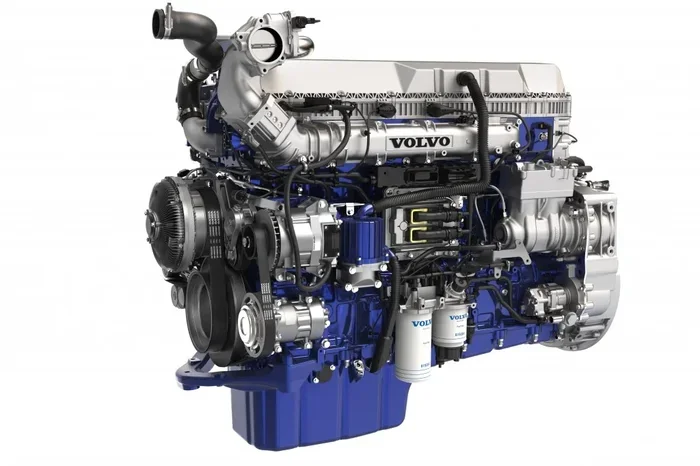
The Volvo D13 is a powerful and reliable diesel engine used in many heavy-duty trucks. Like all modern diesel engines, it relies on a DPF to meet emissions standards. Over time, soot accumulates inside the filter and needs to burn off. This burning process is called regeneration. Sometimes the truck does not complete this process on its own, especially during short trips or idle-heavy operations. That is when you need to force a regeneration manually. This article gives you everything you need to know to do it safely and effectively.
Key Takeaways
- Know When Regeneration Is Needed: Recognizing DPF warning lights and symptoms early prevents costly repairs and keeps your Volvo D13 running efficiently.
- Parked Regen Is Straightforward: You can initiate a forced regeneration from the cab with the right conditions and a few simple steps.
- Safety Comes First: Always park on a flat surface, engage the parking brake, and ensure proper ventilation before starting a parked regen.
- Fuel Quality Matters: Using clean, low-sulfur diesel fuel and proper additives reduces DPF issues and supports successful regeneration cycles.
- Clear Codes After Completion: After a successful regen, manually clearing fault codes ensures the system resets properly and the warning light turns off.
- Preventive Maintenance Helps: Regular driving habits and routine service intervals reduce the frequency of forced regenerations on your Volvo D13 engine.
📑 Table of Contents
Understanding the Volvo D13 Regeneration Process
Before you jump into the steps, it helps to understand what regeneration actually does. The DPF catches soot from the exhaust. Over time, this soot builds up and blocks the filter. The engine needs to burn off this soot to keep the filter clean. This burning happens during regeneration. There are three types of regeneration your Volvo D13 uses.
Passive Regeneration
Passive regeneration happens automatically during normal driving. When exhaust temperatures are high enough, the soot burns off on its own. This works well during highway driving with heavy loads. If you drive your Volvo D13 long distances regularly, passive regeneration may handle most of the cleaning for you.
Active Regeneration
Active regeneration starts when the DPF reaches a certain level of soot buildup. The engine control module, or ECM, initiates this process. It raises exhaust temperatures by injecting extra fuel into the exhaust stream. This usually happens without any input from you. However, short trips and city driving often prevent active regeneration from completing fully.
Parked Regeneration (Forced Regen)
Parked regeneration is what you are here to learn about. This is when you manually start the regeneration process while the truck is parked. You use this method when the DPF warning light comes on and the truck cannot complete regeneration on the road. The Volvo D13 makes this process relatively simple, but you must follow the correct steps and safety precautions.
When Do You Need to Force a Regeneration?
Knowing the right time to start a forced regen is critical. Waiting too long can lead to a blocked DPF, which is an expensive repair. Here are the key signs that your Volvo D13 needs a regeneration.
The most obvious sign is the DPF warning light on your dashboard. This light looks like a filter with dots inside it. When it turns on or flashes, it means the soot level in the DPF has reached a point where regeneration is needed. Some Volvo trucks also display a message in the information center telling you to perform a parked regen.
You might also notice a drop in engine power. The Volvo D13 is known for its strong performance, so any loss of power is a red flag. Your fuel economy may also suffer. If you find yourself filling up more often, the DPF could be the culprit. Another sign is an unusual smell from the exhaust. During regeneration, you will smell a hot, slightly metallic odor. This is normal, but if the smell is strong and constant, the DPF may be severely blocked.
Some drivers also see engine fault codes related to the DPF or exhaust system. If you notice any of these symptoms, it is time to take action. Ignoring them can lead to a forced downtime situation, which is especially costly for fleet operators. Can A Check Engine Light Turn Off On Its Own is a related topic that may also help you understand warning light behavior on diesel engines.
How to Force a Regeneration on a Volvo D13
Now let us get into the actual process. Forcing a regeneration on a Volvo D13 is a straightforward procedure, but you need to follow each step carefully. Here is a detailed walkthrough.
Step 1: Park the Truck Safely
Find a flat, open area away from buildings and flammable materials. Parked regeneration involves high exhaust temperatures, so safety is your top priority. Engage the parking brake fully and make sure the truck is in neutral. Open the hood if needed to ensure proper airflow around the engine compartment.
Never attempt a parked regen in a closed garage. The exhaust gases and heat can be dangerous. Choose a well-ventilated outdoor area. Keep a fire extinguisher nearby as a precaution. If you are working at a fleet depot, make sure other drivers and personnel are aware of the regeneration process.
Step 2: Check Fuel and Engine Oil Levels
Before starting the regen, check your fuel level. You need enough diesel to complete the full cycle, which can take 20 to 45 minutes. A good rule of thumb is to have at least a quarter tank of fuel. Also, check your engine oil level. Some Volvo D13 systems will not allow a regen if the oil level is too high or too low.
Use clean, low-sulfur diesel fuel for best results. Poor fuel quality can cause more soot buildup and make future regenerations more frequent. If you have been running low-quality fuel, consider adding a diesel particulate filter cleaner additive to support the regen process.
Step 3: Access the Regeneration Menu
Get into the cab and turn on the ignition. Navigate to the truck information display. On most Volvo D13 models, you will find the regeneration option in the maintenance or service menu. The exact path varies by model year and cab configuration, but it is usually under Service Functions or Engine Settings.
Select the Parked Regeneration option. The system will run a series of checks before allowing the process to start. If any conditions are not met, the system will display a message explaining what needs to be addressed. Common requirements include proper oil level, adequate fuel, and correct coolant temperature.
Step 4: Start the Regeneration
Once all conditions are met, confirm your selection to start the regeneration. The Volvo D13 will begin increasing exhaust temperatures to burn off the accumulated soot. You will hear changes in engine RPM and may see the exhaust glow slightly. This is completely normal.
The process typically takes between 20 and 45 minutes. Do not turn off the engine or walk away during this time. Monitor the truck for any unusual sounds or warning lights. If the regen is interrupted, you may need to start the process over. Keep the area around the truck clear of debris and flammable materials throughout the entire cycle.
Step 5: Verify Completion
When the regeneration is complete, the DPF warning light should turn off. The truck information display will confirm that the soot level has been reduced. Some Volvo models also display a regeneration complete message. If the light remains on, you may need to manually clear the fault codes using your diagnostic tool.
After a successful regen, take the truck for a short test drive. Highway driving at moderate speeds helps the DPF continue to clean itself. This also confirms that the regeneration resolved the issue. If the warning light comes back on quickly, there may be a deeper DPF problem that requires professional service.
Common Mistakes to Avoid During Forced Regeneration
Even experienced truck owners make mistakes during the regen process. Here are the most common errors and how to avoid them.
- Skipping Safety Steps: Never rush the safety checklist. Parking on an uneven surface or skipping the parking brake check can lead to accidents. Always follow the full safety protocol before starting.
- Interrupting the Regen Cycle: Turning off the engine mid-cycle can damage the DPF and reset the process. The Volvo D13 needs the full cycle to properly burn off soot. Stay with the truck for the entire duration.
- Ignoring Oil Level Warnings: Some drivers try to bypass oil level checks. This is a bad idea. Incorrect oil levels can cause the regen to fail or even damage the engine. Always verify oil before starting.
- Using Poor Quality Fuel: Low-quality diesel creates more soot and reduces DPF efficiency. Invest in clean, reputable fuel to minimize regeneration needs and extend DPF life.
- Neglecting Regular Maintenance: Forcing a regen is a fix, not a prevention strategy. Regular oil changes, proper driving habits, and routine service keep your DPF healthy and reduce the need for frequent forced regenerations.
Another mistake is attempting a regen in wet or rainy conditions. While the Volvo D13 is built to handle various weather, standing water near the exhaust system can create safety hazards. Always choose a dry, flat surface for parked regeneration.
Tips for Preventing Frequent DPF Regenerations
The best way to deal with DPF issues is to prevent them from happening in the first place. Here are practical tips to reduce the need for forced regenerations on your Volvo D13.
First, drive your truck regularly at highway speeds. Highway driving keeps exhaust temperatures high enough for passive regeneration to occur naturally. If your truck sits idle for long periods or only makes short trips, the DPF will accumulate soot faster. Try to include at least 30 minutes of highway driving in your daily routine.
Second, use diesel fuel additives designed for DPF maintenance. These additives help break down soot particles and support cleaner combustion. They are a small investment that can save you from costly DPF replacements. Look for additives specifically formulated for diesel particulate filters and follow the manufacturer’s dosing instructions.
Third, keep up with scheduled maintenance. Regular oil changes using the recommended oil grade help reduce soot production. Clean air filters allow the engine to breathe properly, which supports efficient combustion. And always address warning lights promptly. If you see the DPF light or any engine warning, take action immediately rather than hoping it will resolve itself.
Fourth, monitor your driving habits. Aggressive acceleration and frequent hard braking increase soot production. Smooth, steady driving reduces stress on the DPF and extends the time between regenerations. This is especially important for owner-operators who control their own schedules.
Finally, keep your truck’s software up to date. Volvo regularly releases updates that improve engine management and DPF performance. These updates can optimize regeneration cycles and reduce the frequency of forced regens. Check with your Volvo dealer or service center for the latest software patches.
When to Seek Professional Help
Most forced regenerations on the Volvo D13 go smoothly when you follow the steps correctly. However, there are situations where professional help is the right choice. If the DPF warning light keeps coming back after a successful regen, the filter may be physically damaged or severely clogged. A professional technician can inspect the DPF with specialized diagnostic equipment and determine if cleaning or replacement is needed.
You should also call a mechanic if you notice persistent engine fault codes after regeneration. Codes related to exhaust back pressure, soot load, or differential pressure sensors indicate deeper issues. In these cases, a simple regen will not solve the problem. Professional diagnostics can identify the root cause and prevent further damage.
If you are unsure about any step in the regeneration process, do not hesitate to contact a Volvo dealership or certified service center. The technicians there have experience with the D13 engine and can guide you through the process. Many dealers also offer mobile service options for fleet trucks, which can save you significant downtime.
Understanding your truck’s maintenance needs also helps you communicate better with service professionals. Reading articles about related topics like Can I Drive My Toyota Camry With The Check Engine Light On can give you a broader understanding of how check engine lights and DPF warnings work across different vehicle platforms. The principles are similar, even if the specific systems differ.
Key Takeaways
- Know When Regeneration Is Needed: Recognizing DPF warning lights and symptoms early prevents costly repairs and keeps your Volvo D13 running efficiently.
- Parked Regen Is Straightforward: You can initiate a forced regeneration from the cab with the right conditions and a few simple steps.
- Safety Comes First: Always park on a flat surface, engage the parking brake, and ensure proper ventilation before starting a parked regeneration.
- Fuel Quality Matters: Using clean, low-sulfur diesel fuel and proper additives reduces DPF issues and supports successful regeneration cycles.
- Clear Codes After Completion: After a successful regen, manually clearing fault codes ensures the system resets properly and the warning light turns off.
- Preventive Maintenance Helps: Regular driving habits and routine service intervals reduce the frequency of forced regenerations on your Volvo D13 engine.
Frequently Asked Questions
How long does a forced regeneration take on a Volvo D13?
A forced regeneration on a Volvo D13 typically takes between 20 and 45 minutes. The exact time depends on the level of soot buildup and driving conditions. Never interrupt the cycle, as doing so can cause the process to restart or fail entirely.
Can I drive my Volvo D13 while the DPF warning light is on?
You can drive short distances, but it is not recommended. The DPF warning light means the filter is saturated with soot. Continuing to drive without addressing it can lead to reduced engine power, increased fuel consumption, and potential DPF damage. Perform a forced regeneration as soon as possible.
What causes the DPF to clog on a Volvo D13?
Short trips, excessive idling, poor fuel quality, and infrequent highway driving are the most common causes of DPF clogging. When the truck does not reach optimal exhaust temperatures regularly, soot accumulates faster than the system can burn it off naturally.
Do I need special tools to force a regeneration on a Volvo D13?
No special tools are needed for a basic parked regeneration. The process is initiated through the truck’s information display in the cab. However, having a diagnostic scanner on hand can help you clear fault codes after the regen and verify that the DPF soot level has been reduced.
How often should I force a regeneration on my Volvo D13?
You should only force a regeneration when the DPF warning light indicates it is needed. Frequent forced regenerations suggest an underlying problem, such as poor fuel quality, incorrect driving habits, or a failing DPF sensor. Address the root cause rather than relying on repeated regens.
Is parked regeneration safe in cold weather?
Parked regeneration is generally safe in cold weather, but you should take extra precautions. Ensure the area is well-ventilated and free of snow or ice that could block the exhaust. Cold temperatures can slightly extend the regen cycle time, so allow extra time for the process to complete fully.
=== CONCLUSION ===
Forcing a regeneration on your Volvo D13 engine is a skill every truck owner should have in their toolkit. It keeps your DPF clean, your engine running strong, and your truck compliant with emissions standards. By following the steps outlined in this guide, you can handle a forced regen safely and confidently. Remember to prioritize safety, use quality fuel, and never ignore warning lights. Regular maintenance and smart driving habits go a long way in reducing the need for frequent regenerations. Your Volvo D13 is built to last, and with proper care, it will keep you on the road for miles to come.