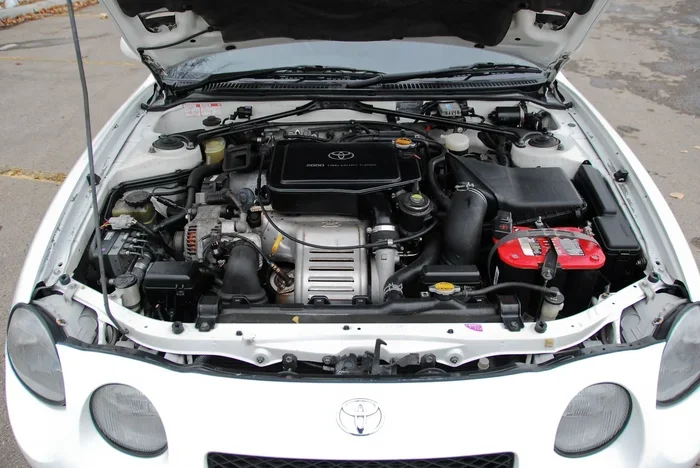
How Long Do Toyota Celica Engines Last and What to Expect
Toyota Celica engines are built to last between 200,000 and 300,000 miles with proper care and regular maintenance. The longevity of a Toyota Celica engine depends heavily on how well you maintain it, your driving habits, and which generation you own. Regular oil changes, timely repairs, and attention to warning signs can push your Celica well past 250,000 miles.
The Toyota Celica has been a favorite among car enthusiasts for decades. Its sporty design, reliable engineering, and fun-to-drive nature made it a staple on roads around the world. But one question keeps coming up from owners and buyers alike: how long do Toyota Celica engines actually last?
The answer is more encouraging than you might think. With the right care, a Toyota Celica engine can easily surpass 200,000 miles. Some well-maintained examples have even crossed the 300,000-mile mark. But getting there requires understanding what makes these engines tick, what can go wrong, and how to keep them running strong for the long haul.
In this guide, we break down everything you need to know about Toyota Celica engine lifespan. We will cover maintenance schedules, common problems, repair costs, and practical tips that any Celica owner can use. Whether you drive a first-generation ST or a late-model GT-S, this article has you covered.
Key Takeaways
- Average Lifespan: A well-maintained Toyota Celica engine can last 200,000 to 300,000 miles.
- Maintenance Matters: Regular oil changes, timing belt replacements, and fluid checks dramatically extend engine life.
- Generation Differences: Earlier Celica models (ST and GT) and later ones (GT-S and ST205) each have unique engine strengths and weaknesses.
- Common Issues: Oil leaks, timing belt wear, and overheating are the most frequent threats to Celica engine longevity.
- Repair Costs: Expect moderate repair expenses, with major engine work ranging from $1,500 to $4,000 depending on the issue.
- Driving Habits: Gentle driving, warm-up periods, and avoiding short trips all contribute to a longer engine life.
- Resale Value: A Celica with a healthy engine retains strong value, especially among enthusiasts and collectors.
📑 Table of Contents
- Understanding Toyota Celica Engine Basics
- How Long Do Toyota Celica Engines Actually Last?
- Common Toyota Celica Engine Problems to Watch For
- Maintenance Schedule for Maximum Engine Life
- Repair Costs and What to Expect
- Maximizing Your Celica Engine’s Life: Proven Strategies
- The Long-Term Outlook for Toyota Celica Engines
Understanding Toyota Celica Engine Basics
The Toyota Celica was produced from 1970 to 2006, spanning seven generations. Each generation came with different engines, and each engine had its own personality. Understanding the basics helps you appreciate why some Toyota Celica engines outlast others.
Most Celica models used inline-four cylinder engines. These were known for being simple, efficient, and durable. The engines ranged from 1.6 liters to 2.2 liters in displacement, with later models offering turbocharged options. Toyota built these engines with a focus on reliability, which is why they remain popular today.
Key Engine Specifications by Generation
Here is a quick look at the engines used across the major Celica generations:
- First Generation (1970-1977): 1.6L and 2.0L inline-four engines. These were basic but solid. They were designed for an era when cars needed to be simple and dependable.
- Second and Third Generations (1977-1985): 1.8L and 2.0L engines with improved fuel injection. These models introduced better performance and fuel economy.
- Fourth Generation (1985-1989): The famous 2.2L 5S-FE engine. This is one of the most beloved Celica powerplants, known for its durability and smooth power delivery.
- Fifth Generation (1989-1993): 2.2L engines with some turbo variants. The ST185 model featured a turbocharged 2.0L engine that enthusiasts still chase today.
- Sixth and Seventh Generations (1994-2006): 1.8L and 2.0L engines, including the high-performance GT-S with its 2ZZ-GE engine. These later models offered more technology and refinement.
Each of these engines shares a common trait: Toyota designed them for longevity. The engineering philosophy was simple. Build a strong, straightforward engine that owners can maintain without breaking the bank.
How Long Do Toyota Celica Engines Actually Last?
The Toyota Celica engine lifespan varies based on several factors. On average, you can expect a well-cared-for Celica engine to deliver 200,000 to 300,000 miles of reliable service. Some engines go even longer, but this usually requires extra attention and occasional repairs.
What the Numbers Tell Us
Let us put these numbers in perspective. The average American drives about 13,500 miles per year. At that rate, a Celica engine lasting 250,000 miles would serve you for nearly 19 years. That is a long time for any car, and it speaks to the quality of Toyota engineering.
However, not every Celica engine reaches these milestones. Engines that were neglected or driven hard in certain conditions may need major work by the 150,000-mile mark. The difference between a Celica engine that lasts 150,000 miles and one that lasts 300,000 miles often comes down to three things: maintenance, driving habits, and a bit of luck.
Factors That Affect Celica Engine Longevity
Several key factors determine how long your Toyota Celica engine will last:
- Maintenance Schedule: Sticking to the recommended service intervals is the single biggest factor. Oil changes, coolant flushes, and timing belt replacements all play a role.
- Driving Style: Aggressive driving, rapid acceleration, and hard braking put extra stress on engine components. Gentle, steady driving is kinder to the engine.
- Climate and Conditions: Cars driven in extreme heat, cold, or humid climates may experience more wear. Short-trip driving in cold weather is especially hard on engines.
- Fuel Quality: Using clean, quality fuel helps prevent carbon buildup and keeps engine internals in good shape.
- Previous Ownership: If you are buying a used Celica, the maintenance history of the previous owner matters a great deal.
Common Toyota Celica Engine Problems to Watch For
No engine is perfect, and the Toyota Celica is no exception. Being aware of common issues helps you catch problems early before they become expensive repairs. Here are the most frequent Toyota Celica engine problems that owners report.
Oil Leaks
Oil leaks are one of the most common issues with older Celica engines. The valve cover gasket and oil pan gasket are the usual culprits. Small leaks may not seem serious at first, but over time they can lead to low oil levels, which causes engine wear. If you notice oil spots under your car or a burning oil smell, get it checked right away.
Timing Belt Wear
Most Celica engines use a timing belt rather than a chain. The timing belt needs to be replaced at regular intervals, typically every 60,000 to 90,000 miles. Failing to replace it on time can result in catastrophic engine damage. This is one of the most important maintenance items on any Toyota Celica engine, and skipping it is a costly mistake.
Overheating
Overheating can destroy an engine quickly. Common causes of overheating in Celicas include a failing thermostat, a clogged radiator, or a leaking water pump. Keep an eye on your temperature gauge, and never ignore a rising temperature. If your engine starts to overheat, pull over safely and let it cool down before continuing.
Oil Consumption
Some Celica engines, particularly the 2ZZ-GE found in the sixth and seventh generation GT-S models, are known for burning oil. This is a design characteristic rather than a defect, but it means you need to check your oil level regularly and top it off as needed. Using the right oil type for Toyota Celica engines can help minimize this issue.
Carbon Buildup
Carbon deposits can build up on the intake valves over time, especially in turbocharged models. This can reduce performance and fuel efficiency. Regular Celica engine tune-ups and occasional use of fuel system cleaners can help keep carbon buildup under control.
Maintenance Schedule for Maximum Engine Life
The best way to ensure your Toyota Celica engine lasts as long as possible is to follow a solid maintenance routine. Toyota designed these engines to be relatively low-maintenance, but consistency is key.
Essential Maintenance Tasks
Here is a practical maintenance checklist for keeping your Celica engine healthy:
- Oil Changes: Change your oil every 5,000 to 7,500 miles. Use the grade recommended in your owner manual. Fresh oil keeps engine parts lubricated and reduces friction.
- Oil Filter Replacement: Replace the oil filter with every oil change. A clean filter prevents contaminants from circulating through the engine.
- Coolant Flushes: Flush and replace coolant every 30,000 to 50,000 miles. This prevents corrosion and keeps the cooling system working effectively.
- Timing Belt Replacement: Replace the timing belt every 60,000 to 90,000 miles. This is a critical service that prevents major engine damage.
- Spark Plug Replacement: Replace spark plugs every 30,000 to 60,000 miles. Fresh spark plugs ensure efficient combustion and smooth performance.
- Air Filter Replacement: Check and replace the air filter every 15,000 to 30,000 miles. A clean air filter allows proper airflow to the engine.
- Transmission Fluid: Change transmission fluid every 30,000 to 60,000 miles to keep the drivetrain running smoothly.
Quick Tips for Engine Longevity
Beyond the standard maintenance schedule, a few simple habits can go a long way:
- Let your engine warm up for 30 seconds to a minute before driving hard.
- Avoid revving the engine to redline during the first few minutes of driving.
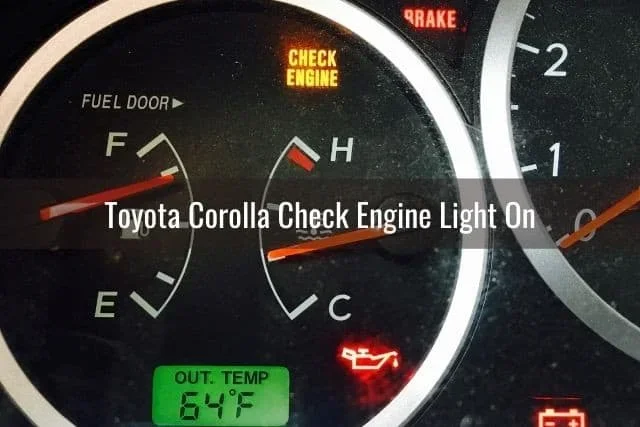
- Address warning lights and unusual noises immediately.
- Keep your engine bay clean to spot leaks early.
- Use a quality fuel additive periodically to keep fuel injectors clean.
Repair Costs and What to Expect
Understanding Celica engine repair costs helps you budget for ownership and avoid surprises. Most routine maintenance on a Toyota Celica is affordable. Major repairs, however, can be more expensive.
Typical Repair Costs
Here is a general overview of what you might expect to pay for common Toyota Celica engine repairs:
- Oil Change: $40 to $80 at a shop, or $20 to $40 if you do it yourself.
- Timing Belt Replacement: $400 to $900, depending on the model year and labor rates.
- Water Pump Replacement: $300 to $600.
- Valve Cover Gasket Replacement: $200 to $400.
- Engine Rebuild: $1,500 to $4,000, depending on the extent of the work needed.
- Full Engine Replacement: $3,000 to $7,000 for a used or rebuilt engine, plus labor.
These costs can vary based on your location and the mechanic you choose. If you are wondering how much it costs to have work done, you can check what mechanics charge per hour in your area to get a better sense of labor costs. On average, independent shops charge less than dealerships, but both can provide quality service for your Celica.
When to Repair vs. Replace
A good rule of thumb is that if repair costs exceed 50% of the car’s value, it may be time to consider replacement. However, for dedicated Celica owners, the emotional and practical value of keeping a classic car on the road often outweighs the cost of repairs. If you are trying to decide whether to repair or move on, understanding the actual cash value of your car can help you make a smart decision.
Also, keep in mind that a well-documented maintenance history can significantly boost the resale value. Buyers pay more for cars that have been cared for, and a Toyota Celica engine with a full service record is a strong selling point.
Maximizing Your Celica Engine’s Life: Proven Strategies
Now that we have covered the basics, let us look at some proven strategies that help Toyota Celica engines reach and exceed their expected lifespan. These tips come from experienced mechanics and long-term Celica owners who have kept their cars running for decades.
1. Drive It Regularly
Engines are designed to be used. A Celica that sits in the garage for weeks at a time can develop issues like condensation in the engine, dried-out seals, and battery drain. If you own a Celica and do not drive it often, try to take it on a longer drive at least once a week to keep all components lubricated and functioning properly.
2. Warm Up Properly
Give your engine a minute or two to warm up before putting any load on it. This allows the oil to circulate fully and the engine components to reach their optimal operating temperature. Cold starts are harder on engines than warm starts, so taking it easy for the first few minutes of every drive adds up over the years.
3. Listen to Your Engine
You know your car better than anyone. If something sounds different, feels different, or looks different, pay attention. Unusual noises like knocking, ticking, or whining can be early warning signs of engine trouble. Catching these signs early can prevent minor issues from becoming major repairs.
4. Keep Records
Maintain a log of every service, repair, and fluid change. This not only helps you stay on top of maintenance but also adds value if you ever decide to sell. A detailed service record gives buyers confidence that the Toyota Celica engine has been well cared for.
5. Use Quality Parts
When it is time to replace parts, opt for quality components. OEM (Original Equipment Manufacturer) parts are designed specifically for your engine and meet Toyota’s standards. Aftermarket parts can be a good budget option, but make sure they come from reputable brands. Cheap parts may save money upfront but can lead to bigger problems down the road.
The Long-Term Outlook for Toyota Celica Engines
The Toyota Celica was discontinued in 2006, which means the cars on the road today are at least 18 years old. Despite their age, Celica engines continue to prove their worth. Many examples with over 200,000 miles are still on the road, running strong and giving their owners years of enjoyment.
If you are considering buying a used Celica, the engine condition should be your top priority. Have a mechanic perform a full car diagnostic before purchase. This will reveal any hidden issues and give you a clear picture of the engine’s health. A diagnostic typically takes about an hour, and the peace of mind it provides is well worth the investment.
For current owners, the message is simple. Take care of your Celica engine, and it will take care of you. These engines were built with durability in mind, and they reward consistent, attentive ownership with years of reliable service.
The Toyota Celica may no longer be in production, but its legacy lives on in the hearts of enthusiasts and the engines that keep these cars rolling. Whether you are restoring a classic first-generation model or daily-driving a seventh-generation GT-S, understanding your engine’s needs is the key to a long and happy relationship with this iconic sports car.
If you are planning a long trip or considering putting your Celica into storage for a while, it is worth knowing how long a car can sit without being driven without causing damage to the engine and other components. Taking proper precautions before storage can save you from costly repairs when you are ready to hit the road again.
Frequently Asked Questions
How many miles can a Toyota Celica engine last?
A well-maintained Toyota Celica engine can last between 200,000 and 300,000 miles. Some owners have reported their engines going beyond 300,000 miles with consistent care and regular maintenance. The key is staying on top of oil changes, timing belt replacements, and addressing issues early.
What is the most common engine problem in a Toyota Celica?
The most common engine problems include oil leaks from the valve cover gasket, timing belt wear, and overheating due to cooling system failures. The 2ZZ-GE engine in later GT-S models is also known for burning oil, which owners should monitor regularly.
How much does it cost to rebuild a Toyota Celica engine?
A Toyota Celica engine rebuild typically costs between $1,500 and $4,000, depending on the extent of the damage and the model year. Labor costs vary by location, so it is wise to get quotes from multiple mechanics before committing to a rebuild.
Is it worth buying a high-mileage Toyota Celica?
Yes, if the maintenance history is solid. A high-mileage Celica with documented service records can be a great buy. These cars are known for their durability, and a well-cared-for engine at 200,000 miles still has plenty of life left. Always get a pre-purchase inspection before buying.
How often should I change the timing belt on my Celica?
The timing belt on a Toyota Celica should be replaced every 60,000 to 90,000 miles. This is one of the most important maintenance tasks because a broken timing belt can cause severe engine damage. Check your owner’s manual for the exact interval recommended for your specific model year.
Can I still find parts for my Toyota Celica engine?
Yes, parts are still widely available for Toyota Celica engines. Many components are shared with other Toyota models, which makes sourcing easier. OEM parts are available through Toyota dealers, and a thriving aftermarket community offers a wide range of replacement and performance parts.