How to Fix an Engine Warning Light Before It Gets Worse
An engine warning light can mean anything from a loose gas cap to a serious engine problem. This guide shows you how to diagnose and fix the issue yourself or know when to visit a mechanic. You will learn the top causes, simple fixes, and warning signs that mean you need help fast.
Key Takeaways
- Don’t panic: A glowing engine warning light does not always mean disaster. Many causes are simple and cheap to fix.
- Check the gas cap first: A loose or cracked fuel cap is the most common reason for an engine warning light and takes seconds to fix.
- Use an OBD-II scanner: Reading your diagnostic trouble codes at home can save you hundreds of dollars in diagnostic fees.
- Know when to stop DIY: Some issues like a failing catalytic converter or engine misfire need professional tools and expertise.
- Act fast: Ignoring the warning light can turn a small repair into a very expensive one. Early action saves money and keeps your car safe.
- Some lights are more urgent than others: A red light means stop now. A yellow light means get it checked soon but you can often drive carefully.
- Resetting the light is not the same as fixing the problem: Always address the root cause before clearing any codes.
📑 Table of Contents
- How to Fix an Engine Warning Light Before It Gets Worse
- What Does the Engine Warning Light Actually Mean?
- Top Common Causes of an Engine Warning Light
- How to Diagnose the Problem Yourself
- Simple Fixes You Can Do at Home
- When to Call a Professional Mechanic
- Can the Warning Light Go Away on Its Own?
- Prevention Tips to Keep the Light Off
- Common Mistakes People Make With the Engine Warning Light
- Key Takeaways
How to Fix an Engine Warning Light Before It Gets Worse
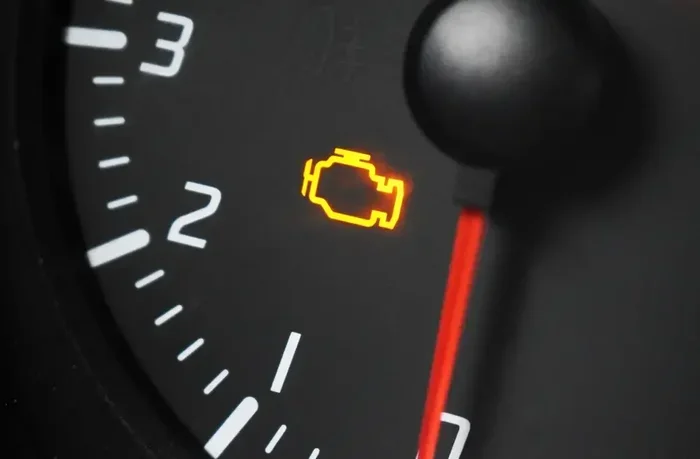
That little glowing symbol on your dashboard can make anyone feel uneasy. An engine warning light shows up when your car’s computer detects something is not right. Sometimes it is nothing. Other times, it is trying to tell you something important.
The good news? You do not need to be a mechanic to understand what is going on. Most causes are simple and easy to fix. Even better, catching the problem early can save you from a very expensive repair bill later. This guide walks you through every step. You will learn what the light means, the most common causes, how to read your car’s codes, and exactly when to call for help.
Ignoring an engine warning light is never a good idea. Even if your car seems to run fine, the underlying problem can get worse over time. A small sensor issue today can become a damaged catalytic converter tomorrow. That kind of repair can cost thousands of dollars. So let us get into it and help you fix this right now.
What Does the Engine Warning Light Actually Mean?
Your car has a built-in computer called the Engine Control Unit, or ECU. This computer watches dozens of sensors all the time. When a sensor reading falls outside the normal range, the ECU turns on the check engine light. It also stores a trouble code that tells you what went wrong.
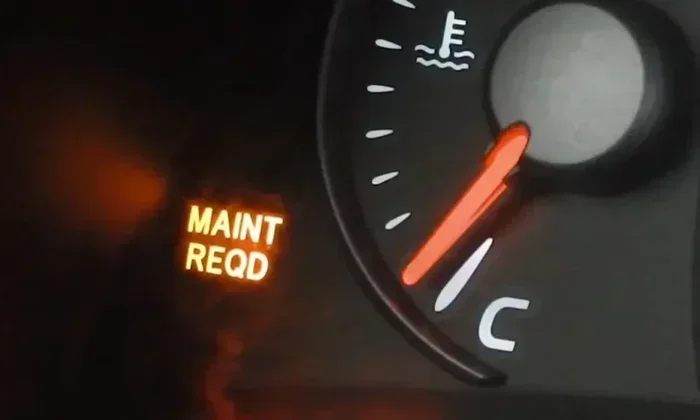
The light can look different depending on your car. Some cars show a yellow engine shape. Others show the words “Check Engine.” A few vehicles use a red light, which means you should pull over right away. Here is a quick breakdown.
Yellow or Orange Light
A yellow engine warning light means something needs attention but it is not usually an emergency. You can drive to a shop or home safely. Just get it checked soon. Do not ignore it for weeks.
Red Light or Flashing Light
A red light or a flashing yellow light is more serious. It often means a problem that could damage your engine right now. If you see this, pull over safely and turn off the engine. Call for help if needed.
Top Common Causes of an Engine Warning Light
So what actually triggers the engine warning light? There are many reasons. Some are very simple. Others need a trained eye. Here are the most common causes you will run into.
Loose or Faulty Gas Cap
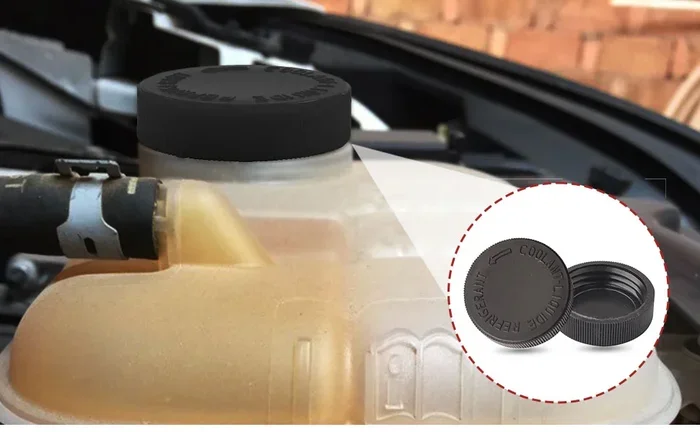
This is the number one most common cause. Your fuel system needs to stay sealed tight. If the gas cap is loose, cracked, or missing, fuel vapors escape. The car’s computer notices this and turns on the light. The fix is easy. Just twist the cap until it clicks. If the cap is damaged, replace it. A new gas cap costs under five dollars.
Oxygen Sensor Failure
The oxygen sensor measures how much unburned oxygen is in your exhaust. It helps the engine run efficiently. When this sensor fails, your car uses more fuel and may run rough. Replacing an oxygen sensor is not hard but it does need a mechanic or a basic tool kit.
Spark Plug or Ignition Coil Problems
Spark plugs ignite the fuel in your engine cylinders. When they wear out, the engine can misfire. A misfire feels like a rough idle or a shaky ride. Ignition coils can also fail and cause the same issue. Both parts are affordable and simple to swap out.
Catalytic Converter Issues
The catalytic converter cleans your car’s exhaust gases. Over time, it can clog or fail. This is a more expensive repair. A failing converter often causes the engine to run poorly and the light to stay on. The good news is that regular maintenance helps prevent this problem.
Mass Airflow Sensor Problems
The mass airflow sensor tells the computer how much air is entering the engine. If it gets dirty or fails, the engine runs rich or lean. This means too much fuel or too little fuel. Cleaning the sensor with a special cleaner often fixes the issue. Replacing it costs between 100 and 300 dollars.
How to Diagnose the Problem Yourself
You do not have to guess what is wrong. Modern cars speak a digital language through diagnostic trouble codes. You can read these codes yourself with the right tool. This saves time and money.
What Is an OBD-II Scanner?
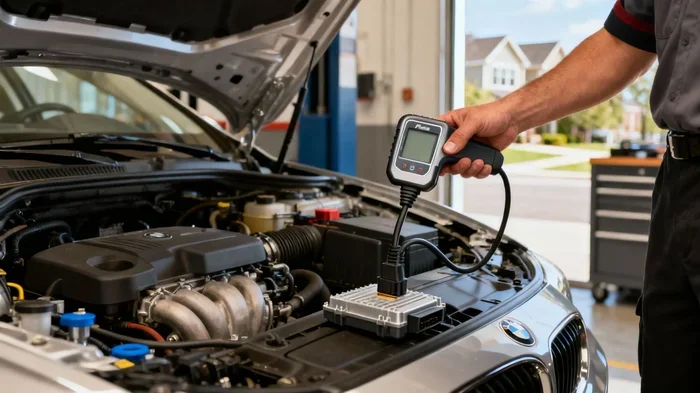
An OBD-II scanner is a small device that plugs into your car’s diagnostic port. This port is usually found under the dashboard on the driver’s side. Once plugged in, the scanner reads the codes stored in your car’s computer. Each code points to a specific problem area.
You can buy a basic scanner for under 30 dollars at any auto parts store. Some scanners plug into your phone through Bluetooth. These apps are very helpful and easy to use.
Understanding Diagnostic Trouble Codes
Trouble codes start with a letter followed by four numbers. The letter tells you the system involved. P stands for the powertrain, which includes the engine and transmission. B stands for the body, like your air conditioning. C stands for the chassis, like your brakes.
Here are some common codes you might see:
- P0420: Catalyst system efficiency below threshold
- P0300: Random engine misfire detected
- P0171: System too lean (Bank 1)
- P0442: Evaporative emission control leak detected
- P0138: Oxygen sensor heater circuit malfunction
Once you have the code, you can look up what it means. Many free websites and apps decode these codes for you. Write down the code and bring it to your mechanic if you need help.
When You Can Run Diagnostics Without a Warning Light
Sometimes your car has hidden issues that do not yet trigger the light. A professional scan tool can sometimes find problems early. However, you can run diagnostics without a check engine light using advanced scanning equipment. This is useful if your car feels off but the light is not on yet. It catches problems before they become serious.
Simple Fixes You Can Do at Home
Not every engine warning light needs a trip to the shop. Many fixes are simple enough to do in your driveway with basic tools. Here are the ones you can try right now.
Step 1: Check the Gas Cap
Start with the easiest fix first. Open the fuel door and twist off the gas cap. Look at the rubber seal inside. Is it cracked or worn? If it looks fine, put the cap back on and tighten it until you hear three clicks. Drive for a few miles. The light should turn off within a day or two.
Step 2: Check for Obvious Leaks or Wires
Open the hood and look around. Do you see any cracked hoses or loose wires? A disconnected vacuum hose can trigger the light. Electrical connectors can work loose from bumps on the road. Gently push any loose connectors back into place.
Step 3: Clear the Codes and Test Drive
After you fix the issue, you need to clear the codes from your car’s memory. You can manually clear my car codes using an OBD-II scanner or by disconnecting the battery for about 15 minutes. Once cleared, take a test drive. If the light stays off, you fixed the problem. If it comes back, there is still an issue to address.
When to Call a Professional Mechanic
Some problems are too big to handle at home. Knowing when to call for help keeps you safe and saves you from making things worse.
Red Flags That Mean Visit a Shop Now
- The light is flashing, not steady
- Your car is losing power or stalling
- You hear strange knocking or clanking sounds
- Smoke or steam is coming from the hood
- The temperature gauge is in the red
- You notice a strong smell of fuel or burning
These signs mean your engine is under stress. Keep driving and you could cause more damage. Pull over and call a tow truck if needed.
How Mechanics Fix Warning Light Issues
A mechanic will connect a professional-grade scanner to your car. This tool reads all the codes and live data from your sensors. They can see things a basic scanner cannot. From there, they will inspect the relevant parts and give you a repair estimate.
Common professional fixes include replacing sensors, repairing vacuum leaks, fixing ignition systems, and addressing fuel system problems. Most of these repairs cost between 100 and 500 dollars when caught early.
Can the Warning Light Go Away on Its Own?
Sometimes the answer is yes. If the problem was temporary, like a loose gas cap or a brief sensor glitch, the light may turn off by itself after a few drive cycles. However, you should never assume this means the problem is gone forever.
Here is what you need to know. A check engine light can turn off on its own if the issue resolves. For example, if moisture temporarily shorted a sensor and then dried out, the light might shut off. But the underlying cause could still be there. It might come back the next time conditions are right.
The same goes for a check engine light turning off on its own. Even if the light is off now, get your car scanned. If the code is still stored in the computer, the problem is still present. You just have not noticed it yet because the light is not on.
Some people clear the light and hope for the best. This is a bad idea. If the root cause is not fixed, the light will come back. Worse, you might be driving with a problem that damages your engine or emissions system.
Prevention Tips to Keep the Light Off
The best way to deal with an engine warning light is to prevent it from coming on in the first place. Here are simple habits that keep your car healthy.
- Check your gas cap every time you fill up. Make sure it clicks tight and the seal is in good shape.
- Keep up with oil changes. Fresh oil keeps your engine running smoothly and prevents many problems.
- Use the right fuel. Always use the octane level your car’s manual recommends.
- Inspect spark plugs regularly. Worn spark plugs cause misfires and can trigger the light.
- Do not ignore small symptoms. A slight rough idle or a tiny rattle today can become a big problem next week.
- Get routine inspections. A mechanic can spot small issues before they turn into warning lights.
Think of your car like your body. You do not wait until something hurts badly to see a doctor. Regular checkups catch problems early. The same goes for your vehicle. A little prevention goes a long way.
Common Mistakes People Make With the Engine Warning Light
There are some mistakes almost everyone makes at least once. Here is how to avoid them.
- Ignoring the light because the car drives fine. Your car can compensate for many problems. You might not feel anything is wrong, but damage is building underneath.
- Clearing the light without fixing the cause. This just hides the problem. The light will come back, and you will lose track of what the original issue was.
- Buying expensive parts without a diagnosis. Do not guess which part to replace. Use a scanner first. Replacing parts blindly wastes money and time.
- Using cheap aftermarket parts. Cheap sensors and parts fail faster. Invest in quality parts the first time to save money in the long run.
- Waiting too long to get help. A small problem today becomes a big bill tomorrow. Early action is always cheaper.
Key Takeaways
- An engine warning light is your car talking to you. It is trying to tell you something needs attention. Do not ignore it.
- Start with the simple fixes. Check the gas cap, look for loose wires, and clear the codes after fixing the issue.
- An OBD-II scanner is your best friend. It takes the guesswork out of diagnosing problems and saves you money on diagnostic fees.
- Know your limits. Some fixes are easy to do at home. Others need a professional mechanic. Be honest about which is which.
- Act quickly. The longer you wait, the worse and more expensive the problem becomes.
- Prevention is always better than repair. Regular maintenance keeps your car healthy and the warning light off.
Fixing an engine warning light does not have to be scary. Start with the basics. Check the gas cap. Get a scanner. Read the codes. Many problems are simple and cheap to fix. The key is to act now before a small issue turns into a big repair. Your car will thank you with better performance, better fuel economy, and fewer surprises on the road.
Take a few minutes today. Pop the hood. Plug in that scanner. You might be surprised how easy it is to solve the problem yourself. And if you cannot fix it, at least you will walk into the mechanic’s shop with answers instead of questions. That alone puts you ahead of most car owners.
Frequently Asked Questions
Can I drive my car with the engine warning light on?
If the light is steady and yellow, you can usually drive carefully to a shop. If the light is red or flashing, pull over and stop driving immediately. A flashing light often means a serious problem like an engine misfire that can damage your catalytic converter.
How much does it cost to fix an engine warning light?
The cost depends entirely on the cause. A loose gas cap fix costs under five dollars. An oxygen sensor replacement runs 100 to 300 dollars. A catalytic converter repair can cost over 1,000 dollars. Always get a proper diagnosis before agreeing to any repair.
Will the engine warning light reset itself?
Sometimes the light turns off on its own if the problem was temporary. However, the underlying issue might still exist. It is best to scan the codes and confirm the problem is actually fixed before assuming the light going off means everything is okay.
What is the most common reason for an engine warning light?
The most common cause is a loose or faulty gas cap. The fuel system needs to stay sealed. A loose cap lets fuel vapors escape, which triggers the computer to turn on the warning light. Always check the gas cap first before anything else.
Can I use a phone app instead of buying an OBD-II scanner?
Yes, many apps work with a Bluetooth OBD-II adapter that plugs into your car. These apps read diagnostic codes and explain what they mean. They are a great low-cost option for anyone who wants to diagnose issues at home without buying a dedicated scanner.
How do I clear the engine warning light after fixing the problem?
You can use an OBD-II scanner to clear the codes. Alternatively, you can disconnect the car battery for about 15 minutes to reset the system. Just remember that clearing the light does not fix the problem. Make sure the root cause is resolved first. If the light comes back, there is still an issue your car needs help with.
=== CONCLUSION ===
An engine warning light does not have to be a reason to panic. In most cases, the cause is simple and the fix is affordable. Start with the basics. Check your gas cap. Read your codes with a scanner. Try the easy fixes at home. And know when it is time to call a professional. The most important thing you can do is act quickly. Catching problems early saves you money, keeps your car safe, and prevents small issues from turning into big headaches. Your car is trying to communicate with you. Listen to it, and it will reward you with years of reliable service.