How to Check the Transmission Fluid on a Honda Civic
Checking your Honda Civic transmission fluid is one of the simplest maintenance tasks you can do at home. This guide walks you through everything you need to know, from locating the dipstick to identifying dirty fluid. You will learn the right type of fluid, when to check it, and how to avoid common mistakes that could damage your transmission.
Knowing how to check transmission fluid on a Honda Civic is a skill every car owner should have. It takes just a few minutes and can save you hundreds of dollars in transmission repairs. Many drivers ignore their transmission fluid until something goes wrong, and by then, the damage can be expensive.
Your Honda Civic is a reliable car, but like any vehicle, it needs regular attention to its fluid levels. Transmission fluid lubricates the gears inside your gearbox. Without enough of it, or with old dirty fluid, your transmission can overheat, slip, or even fail completely. The good news is that checking the fluid is easy and does not require a trip to the mechanic.
In this guide, we will walk you through every step. You will learn where the dipstick is, what healthy fluid looks like, when to add more, and how to avoid mistakes that could hurt your car. Whether you own a newer Honda Civic or an older model, this guide has you covered.
Key Takeaways
- Check your Honda Civic transmission fluid regularly to keep the gearbox running smoothly and prevent costly repairs.
- Locate the transmission dipstick near the engine bay, and always check fluid levels when the car is warm and parked on level ground.
- Healthy transmission fluid should be reddish and smell slightly sweet, while dark or burnt fluid signals a problem.
- Use the correct Honda-approved transmission fluid to avoid damaging internal components.
- Low fluid levels often indicate a leak, so inspect underneath the car and address leaks promptly.
- Most Honda Civics do not require frequent transmission fluid changes, but checking the level is essential for long-term health.
- When in doubt, consult a certified mechanic or refer to your Honda owner manual for model-specific guidance.
📑 Table of Contents
- Why Checking Your Honda Civic Transmission Fluid Matters
- What You Need Before You Start
- Step-by-Step: How to Check Transmission Fluid on a Honda Civic
- Common Mistakes When Checking Transmission Fluid
- Signs Your Honda Civic Needs Transmission Service
- When to Change Transmission Fluid Instead of Just Checking It
- Transmission Fluid Maintenance Tips for Honda Civic Owners
- Frequently Asked Questions About Honda Civic Transmission Fluid
- Final Thoughts on Honda Civic Transmission Fluid Care
Why Checking Your Honda Civic Transmission Fluid Matters
Transmission fluid does more than just lubricate. It also helps cool the transmission and provides the hydraulic pressure needed to shift gears smoothly. Over time, this fluid breaks down and becomes less effective. Old or low fluid can cause rough shifting, slipping gears, and even complete transmission failure.
Here are some key reasons why you should make transmission fluid checks part of your regular Honda Civic maintenance routine:
- Prevents expensive repairs. A new transmission can cost several thousand dollars. Checking fluid is free and takes minutes.
- Extends the life of your transmission. Fresh fluid keeps internal parts working smoothly and reduces wear.
- Improves fuel economy. A well-lubricated transmission shifts more efficiently, which can help your gas mileage.
- Catches problems early. Discolored or burnt fluid is an early warning sign of bigger issues.
- Keeps your car running smoothly. Smooth gear shifts make for a better driving experience every day.
How Often Should You Check Transmission Fluid?
Most Honda experts recommend checking your transmission fluid at least once every few months. You should also check it before any long road trip. If you notice any strange behavior from your gearbox, such as hesitation or grinding, check the fluid right away.
Your Honda owner manual will give you the specific maintenance schedule for your model year. Some newer Honda Civics have sealed transmissions that do not have a dipstick. In those cases, a dealer or mechanic will need to check the fluid for you.
What You Need Before You Start
Before you pop the hood, gather a few simple tools. You do not need anything fancy. Here is what you will need:
- A clean rag or paper towel
- The correct Honda transmission fluid for your model year
- A funnel (optional but helpful)
- Your Honda owner manual for reference
- A level surface to park on
Choosing the Right Transmission Fluid
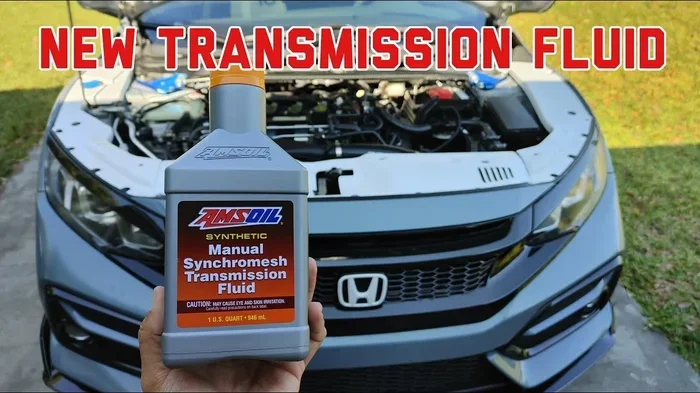
Not all transmission fluids are the same. Honda specifies certain types of fluid for different Civic models and years. Using the wrong fluid can damage your transmission. Check your owner manual or look at the fluid cap under the hood for the correct specification.
Common Honda-approved fluids include Honda ATF-Z1 and Honda DW-1. If you are unsure which one your car needs, a quick call to your local Honda dealer can clear things up. Never mix different types of transmission fluid.
Step-by-Step: How to Check Transmission Fluid on a Honda Civic
Now let us get into the hands-on part. Follow these steps carefully to get an accurate reading.
Step 1: Park on a Level Surface
First, find a flat parking spot. Your car needs to be level for an accurate fluid reading. If you park on a slope, the fluid will shift to one side and give you a false reading. Engage the parking brake and make sure the car is not moving.
Step 2: Warm Up the Engine
Start your engine and let it idle for a few minutes. Checking transmission fluid with a warm engine gives you the most accurate result. The fluid expands when warm, which means the reading will reflect real-world driving conditions.
However, do not let the engine get too hot. If you have been driving aggressively or on a long trip, wait about 5 to 10 minutes before checking. You want the engine warm, not scorching hot.
Important: Unlike checking engine oil, you need to leave the engine running while checking transmission fluid. This keeps the fluid circulating and gives you a proper level reading. If you are unsure about this process, you can read our guide on do you leave the car running when checking transmission fluid for more details.
Step 3: Locate the Transmission Dipstick
Open the hood and look for the transmission dipstick. On most Honda Civics, it is located near the back of the engine bay. The handle is usually colored, often red or yellow, to help you identify it. It may be near the oil dipstick, but it is typically positioned slightly differently.
If you are having trouble finding it, refer to your owner manual. On some older Honda Civic models, the transmission dipstick can be harder to reach because it sits behind the engine. In those cases, you might need to feel around carefully.
Step 4: Pull Out the Dipstick and Wipe It
Pull the dipstick out slowly. Use your clean rag to wipe the fluid off the end. This removes any old residue so you can get a clean reading. Make sure the rag is lint-free to avoid leaving particles behind.
Step 5: Reinsert and Pull Out Again
Slide the dipstick back in all the way. Then pull it out again. This time, look at both sides of the dipstick to see where the fluid level falls. There are usually two marks: a full line and a low line. Some dipsticks have holes or crosshatched patterns instead of lines.
The fluid level should fall between these two marks. If it is below the low mark, you need to add more fluid.
Step 6: Check the Fluid Color and Smell
This is just as important as checking the level. Healthy Honda Civic transmission fluid should be reddish or pinkish in color. It should feel smooth and have a slightly sweet smell.
Here is what different fluid conditions mean:
- Red or pink fluid: This is normal and healthy.
- Dark brown fluid: The fluid is aging and may need to be changed soon.
- Black or very dark fluid: The fluid is burnt and needs to be replaced immediately.
- Fluid that smells burnt or has particles: This indicates serious transmission damage. Have a mechanic inspect it right away.
Step 7: Add Fluid If Needed
If the fluid level is low, use a funnel to add the correct Honda transmission fluid. Pour slowly and add small amounts at a time. Overfilling can cause just as many problems as underfilling.
After adding fluid, wait a minute for it to settle, then recheck the level with the dipstick. Repeat until the level is between the full and low marks. Do not overfill.
Common Mistakes When Checking Transmission Fluid
Even simple tasks can go wrong if you are not careful. Here are some common mistakes Honda Civic owners make when checking transmission fluid:
- Checking the fluid with a cold engine. This gives an inaccurate reading. Always warm up the engine first.
- Parking on an uneven surface. A sloped surface throws off the fluid level reading.
- Using the wrong type of fluid. Always use Honda-approved transmission fluid.
- Overfilling the transmission. Too much fluid can cause foaming and pressure problems.
- Ignoring discolored fluid. Dark or burnt fluid is a warning sign. Do not just top it off and forget about it.
- Not checking for leaks. If your fluid is consistently low, there may be a leak that needs attention.
Many of these mistakes can be avoided with a little patience and attention to detail. Taking a few extra minutes to do the job right can save you a lot of trouble down the road.
Signs Your Honda Civic Needs Transmission Service
Sometimes the fluid level looks fine, but the transmission still has issues. Here are signs that your Honda Civic may need more than just a fluid top-off:
- Rough or jerky shifting. The car hesitates or jolts when changing gears.
- Slipping gears. The transmission feels like it is changing gears on its own or not holding gear properly.
- Delayed engagement. There is a long pause before the car moves when you shift from park to drive.
- Unusual noises. Grinding, whining, or buzzing sounds coming from the transmission area.
- Dashboard warning lights. A check engine light or transmission warning light appearing on your dash.
If you notice any of these symptoms, it is a good idea to visit a qualified mechanic. A full car diagnostic can reveal issues that are not visible during a simple fluid check. You can read more about how long a full diagnostic takes in our article on how long does a full car diagnostic take.
When to Change Transmission Fluid Instead of Just Checking It
Checking fluid is a maintenance task. Changing fluid is a service task. Honda generally does not recommend changing transmission fluid on newer Civics unless there is a problem. Older models may benefit from a fluid change every 30,000 to 60,000 miles.
However, if your fluid is dark, burnt, or has debris, a change is a good idea. During a fluid change, the old fluid is drained and replaced with fresh fluid. Some services also include replacing the transmission filter and cleaning the transmission pan.
When mechanics perform a fluid change, they also check the transmission filter and look for metal particles in the old fluid. These particles can indicate internal wear. If you are curious about what mechanics typically check during routine services, our article on do mechanics check transmission fluid during an oil change covers this topic in detail.
DIY Fluid Change vs. Professional Service
Some Honda Civic owners prefer to change their transmission fluid at home. This can save money, but it requires the right tools and knowledge. A professional service ensures the job is done correctly and often includes a inspection of the entire transmission system.
For most people, having a professional handle the fluid change is the safer option. It also gives you peace of mind that the work was done properly.
Transmission Fluid Maintenance Tips for Honda Civic Owners
Here are some practical tips to keep your Honda Civic transmission in great shape for years to come:
- Make fluid checks a habit. Set a reminder on your phone to check your transmission fluid every few months.
- Keep a record. Write down the date and fluid condition each time you check. This helps you spot trends over time.
- Address leaks immediately. If you see fluid spots under your car, investigate right away. Transmission fluid leaks can lead to low levels and serious damage.
- Do not ignore warning signs. Slipping, grinding, or hesitation is never normal. Get it checked out before it becomes a bigger problem.
- Follow the owner manual. Honda provides specific maintenance intervals and fluid specifications for each model. Following these guidelines keeps your warranty intact and your car running well.
Taking a proactive approach to Honda Civic maintenance pays off in the long run. A well-maintained transmission can last the entire life of the car, saving you from expensive repairs and keeping your daily commute comfortable.
Frequently Asked Questions About Honda Civic Transmission Fluid
Here are some common questions Honda Civic owners ask about transmission fluid:
- Can low transmission fluid cause a check engine light? Yes, low fluid can trigger warning lights because the transmission is not operating properly.
- Is it okay to drive with low transmission fluid? No. Driving with low fluid can cause severe damage to your transmission. Check and top off the fluid as soon as possible.
- How long does transmission fluid last in a Honda Civic? Many Honda Civics have lifetime transmission fluid that does not need routine changes unless the fluid shows signs of degradation.
If you have a specific concern about warning lights or diagnostics, you may find our article on can a check engine light turn off on its own helpful for understanding how your car communicates issues.
FAQ 1: Can I Check Transmission Fluid With the Car Off?
No. You should check Honda Civic transmission fluid with the engine running and warmed up. The fluid needs to be circulating to give you an accurate level reading. Turning the car off lets the fluid settle, which can result in a lower reading than what is actually in the system during driving.
FAQ 2: What Happens If You Overfill Transmission Fluid?
Overfilling causes the fluid to foam, which reduces its lubricating ability. Foam can also cause pressure buildup inside the transmission, leading to erratic shifting or leaks. Always add fluid in small amounts and recheck the level frequently.
FAQ 3: How Do I Know If My Honda Civic Has a Sealed Transmission?
Newer Honda Civic models (typically 2016 and later) may have sealed transmissions without a dipstick. If you cannot find a dipstick under the hood, your car likely has a sealed transmission. In this case, a dealer or qualified mechanic will need to check the fluid level.
FAQ 4: Can Dirty Transmission Fluid Damage My Honda Civic?
Yes. Dirty or burnt transmission fluid loses its lubricating properties and can cause increased wear on internal components. Over time, this leads to rough shifting, overheating, and eventually transmission failure. Changing the fluid when it is discolored can prevent costly repairs.
FAQ 5: How Much Does It Cost to Have Transmission Fluid Checked?
Checking transmission fluid is typically free if you do it yourself. If you visit a mechanic, many shops will check the fluid as part of a routine inspection at no extra charge. A full transmission fluid change can cost between $100 and $250 depending on your location and the type of fluid used.
FAQ 6: Should I Check Transmission Fluid Before or After Driving?
The best time to check is after driving for a few minutes, when the engine and fluid are warm. This gives the most accurate reading because the fluid is fully circulated and at operating temperature. Checking right after a short start-up can give a false low reading.
Final Thoughts on Honda Civic Transmission Fluid Care
Learning how to check transmission fluid on a Honda Civic is one of the easiest and most valuable things you can do as a car owner. It takes just a few minutes, requires no special tools, and gives you direct insight into the health of your transmission.
Regular fluid checks help you catch problems early, before they turn into expensive repairs. They also keep your Honda Civic shifting smoothly and running efficiently for years to come. Make it a part of your routine maintenance, and your car will thank you.
Remember, your Honda Civic is built to last, but it needs your attention to get there. Take care of the small things, like checking transmission fluid, and your car will reward you with reliable performance mile after mile. Stay proactive, stay informed, and enjoy the drive.