How Long Do Subaru WRX Models Last and What to Expect
The Subaru WRX is a performance icon built to last, with many models reaching 200000+ miles when properly maintained. Understanding what affects WRX longevity helps owners make smart decisions about upkeep, repairs, and when to replace. In this guide, we break down the real lifespan of Subaru WRX models across every generation.
The Subaru WRX has earned a reputation as one of the most exciting sports sedans on the road. With its turbocharged engine, sharp handling, and rally-bred DNA, it is a car that drivers genuinely love. But one question keeps popping up in forums and garages everywhere: how long do these things actually last?
The answer might surprise you. A well-maintained Subaru WRX can easily push past 200,000 miles. Some owners report even higher numbers. But longevity is not automatic. It depends on how you drive it, how often you service it, and which model year you own. In this article, we will walk through everything you need to know about the WRX lifespan and what to expect from your car over time.
Whether you already own a WRX or are thinking about buying one, this guide covers the real-world data, common problems, and practical tips that will help you get the most miles out of your investment. Let us dive in.
Key Takeaways
- WRX models regularly reach 200,000 miles with consistent maintenance and proper care.
- Engine and transmission durability are the two biggest factors in how long a WRX lasts.
- Regular oil changes and timely repairs can add years to your WRX’s life.
- Certain model years have known issues that can shorten lifespan if ignored.
- A high-mileage WRX can still be a great buy if the maintenance history is solid.
- Daily driving a WRX is fine as long as you follow the recommended service schedule.
- Turbo and head gasket problems are the most common threats to long-term WRX reliability.
📑 Table of Contents
How Long Do Subaru WRX Models Typically Last?
When people ask about WRX longevity, they usually want a number. And that number is straightforward. Most Subaru WRX models last between 150,000 and 250,000 miles with regular care. Some go well beyond that.
The key word here is “with regular care.” A WRX that skips oil changes and ignores warning signs will not make it to 150,000. But one that gets proper attention can become a high-mileage legend.
What the Numbers Say
According to owner surveys and mechanic reports, the average WRX lifespan breaks down like this:
- 100,000 miles: This is the baseline. Most WRX models hit this mark without major issues if maintained properly.
- 150,000 miles: At this point, you may start seeing minor wear on components like the turbocharger and suspension parts.
- 200,000 miles: This is where WRX owners celebrate. Reaching 200,000 miles is very achievable with disciplined maintenance.
- 250,000+ miles: This is rare but not impossible. A handful of dedicated owners have pushed their WRX past this milestone.
For comparison, how long is 200000 miles on a car in general terms? It is roughly 13 to 15 years of average driving at 13,000 to 15,000 miles per year. That is a long time for any vehicle, and the WRX holds up remarkably well during that span.
What Affects the Lifespan of a Subaru WRX?
Not every WRX ages the same way. Several factors determine how many miles your car will clock before major problems set in. Understanding these factors helps you take control of your vehicle’s future.
Driving Habits
How you drive has a massive impact on WRX longevity. The WRX is a performance car, and it loves to be driven hard. But constantly redlining the engine, slamming the throttle, and hard braking wear components faster than gentle driving does.
That does not mean you need to drive like a grandma. It just means that occasional spirited driving is fine, but making it a daily habit will shorten your car’s lifespan. Smooth, predictable driving keeps stress off the engine, transmission, and drivetrain.
Maintenance Schedule
This is the biggest factor. The Subaru WRX has specific maintenance needs that owners must follow. Skipping oil changes is the fastest way to kill a WRX engine. The turbocharged engine runs hotter than a naturally aspirated one, and clean oil is essential for cooling and lubrication.
Other critical maintenance items include:
- Oil changes every 5,000 to 6,000 miles using high-quality synthetic oil.
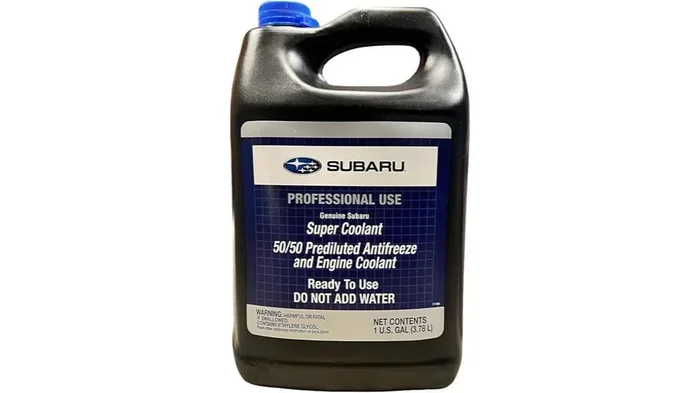
- Coolant flushes every 30,000 miles to prevent overheating.
- Brake fluid replacement every 2 years to maintain stopping power.
- Transmission fluid changes every 60,000 miles for automatic models.
- Timing belt replacement at the manufacturer-recommended interval, usually around 105,000 miles.
Staying on top of these services is the single best thing you can do to extend your WRX’s life.
Climate and Storage Conditions
Where you live matters. Cars stored in harsh climates, especially those with heavy salt exposure, tend to rust and degrade faster. Extreme heat can also stress the cooling system and turbo components.
If you live in a cold or coastal area, washing the undercarriage regularly and storing the car in a garage when possible can make a real difference.
Common Subaru WRX Problems to Watch For
Every car has weak spots, and the WRX is no exception. Knowing what can go wrong helps you catch problems early before they become expensive repairs.
Head Gasket Issues
The WRX head gasket is one of the most discussed problems in the Subaru community. The EJ series engines, found in older WRX models, were prone to head gasket failures. This issue typically appears between 100,000 and 150,000 miles.
Signs of a failing head gasket include white smoke from the exhaust, coolant loss without visible leaks, and overheating. If you notice any of these symptoms, get your car inspected immediately. Ignoring a head gasket problem can lead to catastrophic engine damage.
Turbo Wear and Failure
The turbocharger is what makes the WRX so exciting, but it is also a wear item. Over time, turbo seals can degrade, leading to a loss of boost pressure. You might notice reduced power, unusual whining noises, or oil leaks around the turbo housing.
Replacing a turbo can be expensive, but proper maintenance, including regular oil changes and letting the engine cool down after hard driving, can significantly extend turbo life.
If your WRX ever starts overheating or losing power unexpectedly, how far can you drive an overheating car is a question with a clear answer: not very far. Pull over safely and shut off the engine to prevent further damage.
Transmission Concerns
The WRX comes with either a manual or a CVT (continuously variable transmission). Manual transmissions tend to last longer and are generally more reliable. CVT models have improved over the years, but they still require more attentive maintenance.
Common transmission issues include jerky shifting, slipping, and fluid leaks. Regular fluid changes go a long way in preventing these problems.
Suspension and Steering Components
The WRX’s sporty suspension is great for handling, but those parts wear out faster than in a standard sedan. Ball joints, tie rod ends, and strut mounts are common wear items. If you notice clunking noises over bumps or the car pulling to one side, it is time for an inspection.
Maintenance Tips to Extend Your WRX’s Life
Keeping your WRX on the road for the long haul comes down to a few simple habits. These tips are easy to follow and make a huge difference over time.
Stick to the Service Schedule
Subaru provides a detailed maintenance schedule for every WRX model. Follow it. Do not skip services because the car “seems fine.” Preventive maintenance is always cheaper than reactive repairs.
Use Quality Parts and Fluids
Cheap oil and off-brand parts might save a few dollars upfront, but they can cost you much more in the long run. Use synthetic oil, OEM or high-quality aftermarket parts, and manufacturer-recommended fluids.
Warm Up the Engine Properly
Cold starts are tough on any engine, but they are especially hard on a turbocharged one. Let your WRX idle for 30 seconds to a minute before driving gently for the first few minutes. This allows oil to circulate fully and reduces wear on the turbo and engine bearings.
Monitor Your Fluid Levels
Make it a habit to check your oil, coolant, and brake fluid levels weekly. Catching a low fluid level early can prevent serious damage. If you ever notice your power steering fluid dropping, have the system inspected for leaks. How do you know if you need power steering fluid? Look for stiff steering, whining noises when turning, or low fluid in the reservoir.
Address Problems Immediately
Do not ignore warning lights, unusual noises, or changes in performance. The longer you wait, the worse and more expensive the repair becomes. A small issue today can become a major engine or transmission failure tomorrow.
Keep the Car Clean
Wash your WRX regularly, especially the undercarriage if you live in a snowy or coastal area. Salt and road grime cause corrosion that can weaken structural components over time. A clean car is a healthy car.
Best and Worst Model Years for WRX Longevity
Not all WRX years are created equal. Some generations have proven more reliable than others, and knowing which ones to target can save you headaches down the road.
Best Years for Longevity
The 2015 and newer WRX models benefit from Subaru’s improvements in engine design and build quality. The FA20 engine replaced the older EJ series and addressed many of the head gasket issues that plagued earlier models. These cars generally have fewer problems and last longer with less maintenance effort.
The 2008 to 2014 WRX models are also solid choices. They have the proven EJ engine but with refinements that improved reliability. Many owners report reaching 200,000 miles with standard maintenance.
Years to Approach With Caution
The 2002 to 2007 WRX models are beloved for their raw performance, but they carry more reliability risks. The EJ20 engine in these years had the highest rate of head gasket failures. If you are considering one of these older models, budget for potential repairs and get a thorough pre-purchase inspection.
Similarly, the first-generation 2015 WRX had some reports of CVT transmission issues. Later model years addressed most of these concerns, so buying a 2016 or newer CVT model is a safer bet.
Is a High-Mileage WRX Worth Buying?
This is one of the most common questions in the WRX community. The short answer is yes, but with conditions.
A high-mileage WRX can be an excellent value. These cars have already gone through their steepest depreciation curve, and many still have plenty of life left. But you need to know what you are buying.
Before purchasing a high-mileage WRX, always request a full vehicle history report. Look for consistent maintenance records, evidence of regular oil changes, and documentation of any major repairs. If the seller cannot provide service records, consider getting a pre-purchase inspection from a trusted mechanic.
Also, be realistic about what you are buying. A WRX with 200,000 miles is not the same as one with 100,000 miles. Expect to invest in some repairs and replacements soon after purchase. But if the car has been well cared for, those investments will keep you on the road for many more miles.
One important consideration: how long does a full car diagnostic take? Typically about 30 minutes to an hour. This is a worthwhile investment before buying any used WRX. A diagnostic scan can reveal hidden issues that are not visible during a test drive.
The Bottom Line on WRX Longevity
The Subaru WRX is a car that rewards attentive owners. When you take care of it, it takes care of you. The WRX lifespan of 150,000 to 250,000 miles is well within reach for most owners who follow the maintenance schedule and drive responsibly.
Remember that every car is different. Your WRX’s longevity depends on a combination of how you drive it, how you maintain it, and a bit of luck with manufacturing quality. But by following the tips in this guide, you give your car the best possible chance of reaching and exceeding the 200,000-mile mark.
Whether you are a first-time WRX owner or a seasoned rally enthusiast, the message is the same: invest in regular maintenance, address problems early, and enjoy every mile. The Subaru WRX is built to go the distance, and with the right care, it will.
Frequently Asked Questions
How many miles can a Subaru WRX last with proper maintenance?
Most Subaru WRX models last between 150,000 and 250,000 miles when properly maintained. Some owners have pushed their WRX past 300,000 miles, but that requires exceptional care and attention to the maintenance schedule.
What is the most common reason a WRX fails to reach high mileage?
The most common reason is neglected oil changes. The turbocharged engine in the WRX runs hotter than a standard engine, and clean oil is essential for cooling and lubrication. Skipping oil changes leads to accelerated wear and eventual engine failure.
Are manual WRX transmissions more reliable than CVT models?
Yes, manual transmissions in the WRX tend to be more durable and require less maintenance than the CVT. Manual transmissions have fewer components that can fail, and they generally last the lifetime of the car with proper fluid changes.
How often should I change the oil in my Subaru WRX?
Subaru recommends oil changes every 6,000 miles for most WRX models, but many experts suggest changing oil every 5,000 miles for optimal engine health. Use synthetic oil that meets Subaru’s specifications for the best results.
Is it expensive to maintain a Subaru WRX over its lifetime?
WRX maintenance costs are moderate compared to other sports sedans. Regular services like oil changes and brake pads are similar in cost to other Subaru models. Major repairs like turbo or head gasket replacement can be expensive, but proper maintenance reduces the likelihood of needing these repairs.
Can I use my Subaru WRX as a daily driver?
Absolutely. The WRX makes an excellent daily driver. It is comfortable, practical, and fun to drive. The key is to follow the recommended maintenance schedule and address any issues promptly. Many owners drive their WRX every day for years without major problems.