Do I Have to Use Subaru Coolant or Can I Use Another
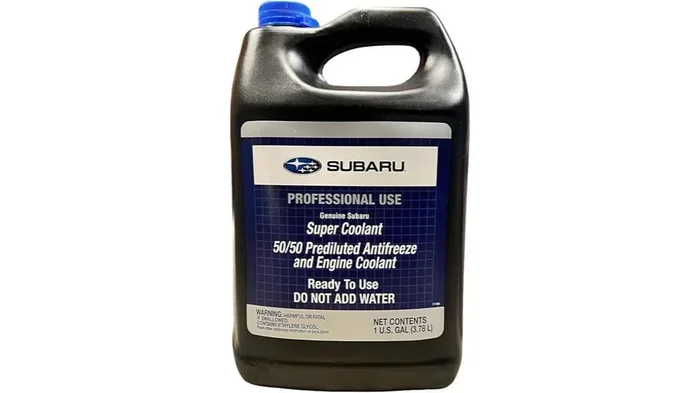
You do not have to use only Subaru-branded coolant. Most Subarus work perfectly fine with high-quality aftermarket coolant that meets the same specifications. The key is matching the coolant type and mixing ratio recommended in your owner’s manual. Using the wrong fluid can cause overheating and serious engine damage.
This is a comprehensive guide about Do I Have to Use Subaru Coolant.
Key Takeaways
- You have options: Subaru coolant is not the only choice. Many aftermarket coolants work great as long as they meet OEM specifications.
- Check your manual: Your owner’s manual tells you exactly which coolant type and mixing ratio your engine needs.
- Wrong coolant causes damage: Using incompatible fluid can lead to overheating, corrosion, and costly repairs.
- Mixing coolant types is risky: Combining different coolant chemistries can create sludge and clog your cooling system.
- Regular maintenance matters: Flushing and replacing your coolant on schedule keeps your engine protected and running smoothly.
- Color does not tell the whole story: Coolant color varies by brand but does not always indicate compatibility.
[FEATURED_IMAGE_PLACEHOLDER]
What Is Subaru Coolant and Why Does It Matter
Let us start with the basics. Subaru coolant is a specially formulated fluid designed to keep your Subaru engine at the right temperature. It does two critical jobs. First, it absorbs heat from the engine. Second, it prevents the fluid from freezing in cold weather.
Without proper coolant, your engine would overheat in minutes. And nobody wants a blown head gasket or a cracked engine block. Those repairs cost thousands of dollars. That is why choosing the right coolant type matters so much.
Subaru engines are built with specific materials. The cooling system includes aluminum components, rubber seals, and steel passages. Each of these materials reacts differently to various coolant chemistries. Using the wrong formula can cause corrosion or degrade seals over time.
The factory-recommended coolant is engineered to protect all of these components together. It also meets Subaru’s own performance standards. But does that mean you are stuck buying only the Subaru brand? Not necessarily.
Can You Use Another Coolant in a Subaru
Here is the short answer. Yes, you can often use a different coolant in your Subaru. But there is a big catch. The alternative coolant must meet the same specifications as the OEM fluid.
Understanding OEM Coolant Specifications
Subaru specifies a particular type of coolant for each model and year. This is usually listed in your owner’s manual. The specifications cover things like pH balance, boiling point, and freeze point. If your aftermarket coolant meets those same specs, it should work fine.
Many quality aftermarket coolant brands are formulated to be compatible with Subaru engines. Brands like Prestone, Zerex, and Peak offer products that meet or exceed OEM requirements. Always check the label for compatibility with your specific vehicle.
The Role of Ethylene Glycol and Propylene Glycol
Most coolants use either ethylene glycol or propylene glycol as the base. Ethylene glycol is the most common. It offers excellent heat transfer and freeze protection. Propylene glycol is less toxic and is often used in “pet-safe” formulations.
Subaru coolant typically uses ethylene glycol. If you switch to a propylene glycol-based fluid, make sure it is rated for the same temperature range. Mixing bases without checking compatibility can lead to poor performance.
What About Universal or “All-Makes” Coolant?
You have probably seen coolants labeled “universal” or “all-makes.” These products claim to work with any vehicle. In many cases, they actually do. Universal coolants use a hybrid organic acid technology (HOAT) formula that is broadly compatible.
However, “universal” does not always mean “perfect.” Some universal coolants may not meet every manufacturer’s exact requirements. For Subaru vehicles, it is safest to verify that the product explicitly lists Subaru compatibility on the label.
Just like you can take your car to any dealership for service, you have options when it comes to coolant. But you still need to pick the right one for your specific vehicle.
What Happens If You Use the Wrong Coolant
Using the wrong coolant is one of the most common mistakes car owners make. And the consequences can be serious. Let us walk through what can go wrong.
Corrosion and Internal Damage
The wrong coolant can corrode aluminum passages inside your engine block. It can also degrade rubber hoses and gaskets. Over time, this leads to coolant leaks and expensive repairs. Corrosion inside the cooling system can clog narrow passages and reduce flow.
Overheating and Engine Failure
If the coolant cannot properly absorb and transfer heat, your engine temperature will rise. This can cause overheating, which warps cylinder heads and blows head gaskets. In extreme cases, the engine can seize completely. Rebuilding or replacing an engine costs a fortune.
Using 87 octane gas in your Toyota might be fine for that specific vehicle, but putting the wrong coolant in any car is a risk you should not take.
Sludge Buildup and Poor Circulation
Mixing incompatible coolant types creates a chemical reaction. This reaction often produces a thick, jelly-like sludge. Sludge clogs the radiator, blocks the heater core, and restricts flow through the engine. Poor circulation means hot spots develop inside the engine, leading to uneven wear and potential failure.
Voiding Your Warranty
If your Subaru is still under warranty, using the wrong coolant could void that warranty. Dealers may refuse to cover cooling system damage if they find non-specification fluid was used. Always check with your dealer if you are unsure about what is allowed.
How To Choose the Right Coolant for Your Subaru
Choosing the right coolant does not have to be confusing. Follow these steps and you will find the right fluid every time.
Step 1: Check Your Owner’s Manual
Your owner’s manual is the best starting point. It lists the exact coolant specifications for your model. Look for the section on fluid capacities and recommended types. The manual will also tell you the proper coolant mixing ratio, which is usually 50/50 coolant to distilled water.
Just like you should check how much weight your car can hold before loading it up, you should check your manual for coolant specs before pouring anything into your radiator.
Step 2: Look at the Label
Once you know the specification, look at coolant labels carefully. The label should state the coolant type, such as HOAT, OAT, or IAT. It should also list compatible vehicle makes and models.
For most newer Subarus, a HOAT (Hybrid Organic Acid Technology) coolant is required. Older models may use IAT (Inorganic Acid Technology). Make sure the product you buy matches your vehicle’s needs.
Step 3: Consider the Coolant Color
Coolant color varies by brand and type. Subaru OEM coolant is typically blue or pink. However, color alone should not guide your purchase. Different brands use different dyes, and the color does not always indicate the chemical formula.
Always read the specifications on the back of the bottle rather than relying on color alone.
Step 4: Buy Quality Brands
Stick with reputable brands. Quality coolants have been tested for compatibility and performance. Cheap, no-name products may not provide adequate protection. Spending a little more on a trusted brand saves you money in the long run.
Even something as routine as replacing car floor mats has a recommended schedule, and coolant replacement is just as important for your vehicle’s health.
Step 5: Mix Properly
Never mix coolant with tap water. Minerals and chemicals in tap water can cause buildup and corrosion. Always use distilled water when diluting concentrated coolant. The standard mixing ratio is 50% coolant and 50% distilled water for most climates.
If you live in an extremely cold area, you may need a 60/40 or 70/30 ratio. But going above 70% coolant can actually reduce cooling efficiency. Check your manual for the recommended ratio for your climate.
Subaru Coolant Maintenance Schedule
Keeping up with your coolant maintenance schedule is just as important as choosing the right fluid. Here is what you need to know.
When To Replace Your Coolant
Most Subaru models require a coolant flush and replacement every 60,000 miles or 48 months, whichever comes first. Some older models may need it more frequently, around 30,000 miles. Always refer to your owner’s manual for the exact interval.
Over time, coolant breaks down. Its ability to resist corrosion and transfer heat diminishes. Old coolant can become acidic, which accelerates wear on internal components.
Signs Your Coolant Needs Attention
Watch for these warning signs:
- The temperature gauge reads higher than normal
- You see a puddle of colored fluid under your car
- The coolant reservoir level drops frequently
- You notice a sweet smell coming from the engine bay
- The heater blows cold air when the engine is warm
If you notice any of these symptoms, check your coolant level and condition right away. Ignoring them can lead to major engine problems.
How To Check Your Coolant Level
Always check your coolant when the engine is cool. Opening the radiator cap on a hot engine can cause serious burns. Locate the coolant reservoir and check the level against the minimum and maximum marks.
If the level is low, top it off with the same type of coolant you already have. If you are unsure what type is in your system, it is safer to flush the entire system and refill with the correct fluid.
The Importance of a Coolant Flush
A coolant flush does more than just drain and refill. It cleans out old fluid, debris, and any built-up deposits from the cooling system. A proper flush ensures that fresh coolant flows freely through all passages and provides maximum protection.
If you are not comfortable doing a flush yourself, a professional mechanic can do it quickly and correctly. Just make sure they use the coolant type specified for your Subaru.
When To See a Mechanic About Coolant Issues
Some coolant problems are easy to handle yourself. Others require professional help. Here are situations where you should see a mechanic.
If you notice a persistent coolant leak, do not ignore it. Even a small leak can lead to low coolant levels and overheating. A mechanic can locate the source of the leak and repair it before it becomes a bigger problem.
If your temperature gauge consistently reads high even after topping off the coolant, there may be a deeper issue. It could be a failing water pump, a clogged radiator, or a malfunctioning thermostat. These are all repairs best left to a professional.
If you have already used the wrong coolant and are unsure whether damage has occurred, have a mechanic inspect the system. They can flush the cooling system and assess any internal corrosion or damage. Early intervention can save you from a much bigger bill down the road.
Taking care of your coolant system is one of the simplest ways to protect your engine and extend the life of your Subaru. Do not overlook it.
Conclusion
So, do you have to use Subaru coolant? The answer is no, not strictly. You have plenty of options. The real requirement is that whatever coolant you choose must meet the specifications outlined in your owner’s manual. As long as the coolant type, mixing ratio, and compatibility are correct, aftermarket and universal coolants work just as well.
Avoid the temptation to just grab whatever coolant is on the shelf. Taking a few extra minutes to check the label and match the specifications will save you from costly repairs down the road. Your engine works hard for you every day. Give it the protection it deserves with the right fluid.
Stay on top of your coolant maintenance schedule. Check levels regularly, watch for warning signs, and flush the system on time. A little attention goes a long way toward keeping your Subaru running strong for years to come.
Frequently Asked Questions
Can I mix Subaru OEM coolant with aftermarket coolant?
It is best not to mix different coolant brands or types. Mixing can cause chemical reactions that create sludge and reduce cooling efficiency. If you need to top off, use the same type already in your system. If you are unsure, flush the entire system and refill with the correct fluid.
How do I know what coolant my Subaru needs?
Check your owner’s manual for the exact coolant specification. It will list the required type, such as HOAT or IAT, and the recommended mixing ratio. You can also check the coolant reservoir cap, which often has the specification printed on it.
What happens if I put regular green coolant in my Subaru?
Older green coolant (IAT) is not always compatible with newer Subaru engines. It may not provide adequate protection for aluminum components and can cause corrosion over time. Always verify compatibility before using any coolant that is not specifically listed for your model.
How long does Subaru coolant last before it needs to be replaced?
Most Subaru models require coolant replacement every 60,000 miles or 48 months. However, always check your specific owner’s manual, as some models or driving conditions may require more frequent replacement.
Can I use distilled water instead of coolant in an emergency?
Distilled water can be used temporarily in an emergency. It will help prevent overheating in the short term. However, water does not provide freeze protection or corrosion resistance. Replace it with the proper coolant mixture as soon as possible.
Is Subaru coolant more expensive than aftermarket options?
Subaru OEM coolant is often slightly more expensive than quality aftermarket brands. However, the price difference is usually small. The most important factor is meeting the specifications, not the brand name. A quality aftermarket coolant that meets OEM specs is a perfectly fine alternative.
Frequently Asked Questions
What is Do I Have to Use Subaru Coolant?
Do I Have to Use Subaru Coolant is an important topic with many practical applications.