How Much Is a Starter Usually Here Is the Full Breakdown
The average cost to replace a starter motor usually falls between $300 and $500, with parts ranging from $50 to $350 and labor between $150 and $300. Several factors influence this price, including your vehicle make and model, whether you choose an OEM or aftermarket part, and whether you go DIY or hire a mechanic. Understanding these costs helps you budget wisely and avoid unexpected repair bills.
Have you ever turned your key and heard nothing but silence? Or maybe you caught a frustrating clicking sound that tells you something is wrong but not quite what. Your starter motor is one of those parts you never think about until it fails. And when it does, the first question everyone asks is: how much is a starter usually?
The good news is that starter replacement is a common repair, and the costs are fairly predictable once you know what to expect. In this guide, we break down every part of the starter motor cost so you can budget with confidence. We also cover warning signs, DIY options, and tips to keep your ignition system running strong for years to come.
Whether you drive a daily commuter or a work truck, understanding car starter replacement costs puts you in control. No more surprises at the repair shop. Let us walk you through everything you need to know.
Key Takeaways
- Average Cost Range: Most drivers pay between $300 and $500 for a complete starter motor replacement, including parts and labor.
- Parts vs. Labor: The starter motor part itself costs $50 to $350, while labor typically runs $150 to $300 depending on your vehicle.
- Vehicle Type Matters: Luxury, performance, and diesel vehicles usually cost more to replace a starter than standard sedans and trucks.
- DIY Can Save Money: If you have basic mechanical skills, replacing a starter yourself can cut costs by 40 to 60 percent.
- Aftermarket vs. OEM: OEM starters are more reliable but pricier, while aftermarket options offer solid performance at a lower price.
- Early Detection Helps: Catching starter problems early prevents damage to the flywheel and reduces overall repair costs.
📑 Table of Contents
- What Does a Starter Motor Do?
- How Much Is a Starter Usually? Average Replacement Cost
- What Factors Affect Starter Motor Cost?
- Signs Your Starter Motor Is Failing
- DIY Starter Replacement vs Hiring a Mechanic
- How to Reduce Starter Replacement Costs
- How Long Does a Starter Motor Last?
- Common Mistakes to Avoid During Starter Replacement
- Conclusion
What Does a Starter Motor Do?
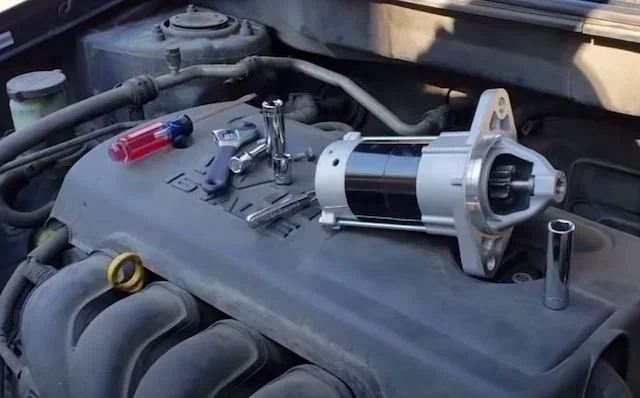
Your starter motor is a small but powerful electric motor that cranks your engine when you turn the key or press the start button. It works with the starter solenoid to push the starter gear into the flywheel, which spins the engine and gets it running.
Think of it like this. You turn the key. The starter motor kicks in. It engages the flywheel. The engine starts. All of this happens in a matter of seconds. But when the starter motor fails, that simple process breaks down completely.
Most vehicles use an electric starter system. Diesel trucks and some heavy-duty vehicles may use a different setup, but the basic function remains the same. The starter motor function is essential for getting your vehicle running every single time you sit behind the wheel.
How Much Is a Starter Usually? Average Replacement Cost
The starter motor cost varies depending on several factors. But here is a general idea of what most drivers can expect. The table below breaks down average costs by vehicle type.
Average Starter Replacement Cost by Vehicle Type
Keep in mind that these are national averages and can vary by region and mechanic shop.
- Compact Sedans: $250 to $400 total
- Mid-Size Sedans: $300 to $450 total
- SUVs and Light Trucks: $350 to $550 total
- Heavy-Duty Trucks: $400 to $700 total
- Luxury and Performance Vehicles: $500 to $900 total
The starter motor part alone typically costs between $50 and $350. Labor charges usually range from $150 to $300. The wide range depends on how accessible the starter is in your specific vehicle. Some engines have starters that are easy to reach, while others require removing components just to get to the starter motor.
If you are wondering about the starter motor warranty, many replacement starters come with a 12-month or 12,000-mile warranty. Higher-quality units may offer longer coverage. Always ask your mechanic about warranty options before the repair.
OEM vs Aftermarket Starters
When replacing your car starter, you have two main options. OEM starters are made by the original manufacturer. They match the exact specifications of your vehicle. Aftermarket starters are made by third-party manufacturers and are usually more affordable.
OEM starters tend to be more reliable and fit perfectly. But they also cost more. Aftermarket starters from reputable brands offer solid performance at a lower price. For most drivers, a quality aftermarket starter motor is a smart choice that saves money without sacrificing reliability.
What Factors Affect Starter Motor Cost?
Several things influence the final starter motor replacement cost. Understanding these factors helps you make informed decisions and avoid overspending.
Vehicle Make and Model
The biggest factor in starter motor cost is your vehicle. A standard sedan usually has a starter that is easy to access and affordable to replace. But a luxury SUV or a performance car may have a starter that is tucked away in a tight spot, requiring more labor time and specialized parts.
For example, replacing a starter on a common family sedan might take one to two hours. But on a vehicle with a tight engine bay, the same job could take three to four hours. More labor time means a higher bill.
Type of Starter Motor
Not all electric starter motors are the same. Standard starters work fine for most daily drivers. But high-performance vehicles or those used for towing may need a heavy-duty starter motor that costs more upfront but delivers better reliability under stress.
Some vehicles also use a starter relay system that adds complexity. If the relay fails along with the starter, you may need to replace both parts, which increases the total car starter price.
Labor Rates in Your Area
Labor rates vary widely by location. A mechanic shop in a major city typically charges more than one in a rural area. On average, labor rates range from $80 to $150 per hour. The complexity of the starter motor repair determines how many hours the job takes.
Additional Repairs
Sometimes a failing starter motor damages other parts. The starter gear can wear down the flywheel teeth. If the flywheel is damaged too, the repair bill goes up significantly. This is why catching starter problems early saves money.
Signs Your Starter Motor Is Failing
Knowing the warning signs of a bad starter motor helps you address the problem before it causes more damage. Here are the most common symptoms.
Clicking Noise When Turning the Key
A single click or rapid clicking when you turn the key is one of the most common starter motor symptoms. The starter solenoid is trying to engage but the motor is not spinning. This usually means the starter is wearing out or the electrical connection is weak.
No Response at All
If you turn the key and absolutely nothing happens, the starter motor may be completely dead. This could be caused by a burned-out motor, a faulty starter relay, or a wiring issue. A mechanic can test the electrical system to pinpoint the exact cause.
Grinding Noise During Startup
A grinding or whirring noise usually means the starter gear is not engaging properly with the flywheel. This can happen when the starter motor is worn or when the alignment is off. Driving with a grinding starter can damage the flywheel, which is a much more expensive repair.
Intermittent Starting Problems
If your car starts some times and not others, the starter motor may be failing intermittently. This is often caused by worn brushes inside the motor or a bad electrical connection. Do not ignore this symptom. It usually gets worse over time.
Starter Keeps Running After Engine Starts
Once your engine is running, the starter motor should disengage. If it keeps running, the starter solenoid is likely stuck. This can cause serious damage to the flywheel and should be fixed right away.
Burning Smell
A burning smell when you try to start the car can indicate an overheating starter motor or electrical short. Stop trying to start the vehicle and get it inspected. Continuing to attempt starts can destroy the starter motor completely.
DIY Starter Replacement vs Hiring a Mechanic
One of the biggest decisions drivers face is whether to replace the starter motor themselves or pay for professional labor. Both options have clear advantages.
When DIY Makes Sense
If you have basic car maintenance skills and the right tools, replacing a starter motor can be a manageable DIY project. The job usually involves removing a few bolts and disconnecting electrical wires. For vehicles with accessible starters, a handy DIYer can complete the starter motor repair in one to two hours.
The main savings come from labor costs. A starter motor replacement cost of $400 could drop to around $150 to $200 if you supply the parts and do the work yourself. Many online tutorials and videos walk you through the process step by step for specific vehicle models.
Before attempting a DIY replacement, make sure you have a starter motor that matches your vehicle. You can confirm the part number by checking your owner manual or using your vehicle identification number at an auto parts store. Also, make sure you disconnect the battery before starting any electrical work.
When to Hire a Professional
For vehicles where the starter motor is difficult to access, hiring a mechanic is usually the better choice. Some engines have the starter hidden behind the intake manifold or other components. Removing those parts takes extra time and expertise.
If you are not confident in your mechanical skills, it is perfectly fine to leave this job to a professional. A qualified mechanic can also inspect related components like the starter relay, wiring, and flywheel while they have the vehicle on the lift. This proactive approach can prevent follow-up repairs.
Another reason to hire a professional is if the starter motor replacement cost includes additional repairs. For example, if the flywheel is damaged, the mechanic can fix it during the same visit. Trying to diagnose and repair a flywheel on your own is a complex job that most DIYers should avoid.
You might also consider upgrading your vehicle with a higher-quality starter if you frequently tow or drive in extreme conditions. A heavy-duty starter motor can handle more stress and last longer than a standard unit.
How to Reduce Starter Replacement Costs
Replacing a starter motor does not have to break the bank. Here are practical tips to save money without sacrificing quality.
Get Multiple Quotes
Labor rates vary from shop to shop. Always get at least two or three quotes before committing to a repair. Some independent shops charge significantly less than dealerships for the same starter motor replacement. Just make sure the shop has good reviews and certified mechanics.
Buy the Part Yourself
purchasing the starter motor yourself can save you the shop markup. Auto parts stores and online retailers often offer competitive prices. Compare OEM and aftermarket options to find the best value.
Address Warning Signs Early
The longer you wait after noticing starter motor symptoms, the more damage can occur. A worn starter motor can grind down the flywheel, which adds hundreds of dollars to the repair. Early intervention keeps costs down.
Check for Recalls or Technical Bulletins
Some vehicle manufacturers issue recalls or technical bulletins for starter motor issues. Check with your dealer to see if your vehicle qualifies for a free or discounted repair. This can save you the entire cost of the replacement.
Ask About Warranty Coverage
Many starter motors come with a warranty. If yours fails within the warranty period, the replacement is free. Also check whether your vehicle has a powertrain warranty that might cover the starter motor repair cost. Some newer vehicles include starter coverage under broader warranty plans.
How Long Does a Starter Motor Last?
A well-maintained starter motor typically lasts between 100,000 and 150,000 miles. Some starters last even longer with proper care. The starter motor lifespan depends on driving habits, climate, and the quality of the original part.
Frequent short trips can wear out the starter motor faster because the engine does not always reach full operating temperature. Extreme hot or cold weather also puts extra stress on the electrical components. If you live in a harsh climate, consider having your ignition system inspected more frequently.
Regular car maintenance helps extend the life of your starter motor. Keep your battery terminals clean and tight. A weak battery forces the starter motor to work harder, which shortens its lifespan. If you notice any starter motor symptoms, do not ignore them. Prompt attention prevents small problems from becoming expensive repairs.
After replacing your starter motor, you may need to manually clear your car codes if the check engine light was triggered by the starting issue. This simple step resets the system and confirms the repair was successful.
Common Mistakes to Avoid During Starter Replacement
Whether you are doing the job yourself or overseeing a mechanic, these common mistakes can cause problems.
- Skipping the battery disconnect: Always disconnect the negative battery terminal before working on the starter motor. This prevents electrical shorts and potential injury.
- Ignoring the solenoid: Sometimes the problem is the starter solenoid, not the motor itself. Replacing only the motor when the solenoid is the real culprit means the problem comes back.
- Using the wrong part: Not all starter motors are interchangeable. Double-check the part number matches your specific vehicle make, model, and engine type.
- Forgetting to check the flywheel: A worn starter gear can damage the flywheel. If the flywheel is damaged and you do not inspect it, the new starter motor will fail prematurely.
- Skipping the test: After replacement, always test the starter motor before lowering the vehicle. Turn the key and confirm the engine cranks smoothly.
Conclusion
The starter motor cost is one of the more predictable car starter replacement expenses you will face. Most drivers pay between $300 and $500 for a complete replacement, with the exact price shaped by vehicle type, part quality, and labor rates. Now that you know how much is a starter usually, you can approach this repair with confidence and a clear budget in mind.
Remember, catching the signs of a failing starter motor early saves you money and prevents secondary damage. Whether you choose a DIY replacement or hire a professional, the key is to act quickly when problems appear. A well-maintained starter motor keeps your vehicle running reliably for over 100,000 miles.
Take the time to compare quotes, choose the right part, and do not hesitate to ask your mechanic questions. A well-informed driver always gets the best outcome. Your starter motor works hard every day. With the right care and timely replacement, it will keep getting your engine started for many miles to come.
Frequently Asked Questions
Can I drive with a bad starter motor?
No, you should not drive with a failing starter motor. If the starter completely fails, your vehicle will not start. In some cases, a partially failing starter may still work intermittently, but this is unreliable and can leave you stranded. Replace the starter motor as soon as you notice symptoms.
How long does a starter motor replacement take?
Most starter motor replacements take between one and three hours. The exact time depends on how accessible the starter is in your vehicle. Simple installations on vehicles with easy engine access take about one hour. Tight engine bays or complex setups may take longer.
Is a clicking noise always a bad starter?
Not always. A clicking noise can also be caused by a dead battery, a faulty starter relay, or a loose electrical connection. Before replacing the starter motor, have a mechanic test the entire ignition system to confirm the starter is the real problem.
Can a bad battery cause starter motor problems?
Yes. A weak or dying battery puts extra strain on the starter motor. The motor has to work harder to crank the engine, which causes overheating and premature wear. Always check your battery health when diagnosing starter motor symptoms.
What is the difference between a starter motor and a starter solenoid?
The starter solenoid is an electrical switch that activates the starter motor. It pushes the starter gear into the flywheel and completes the electrical circuit. The starter motor is the actual motor that spins to crank the engine. Both parts work together, and a failure in either one prevents the vehicle from starting.
Does warranty cover starter motor replacement?
It depends. Many starter motors come with a manufacturer warranty of 12 months or 12,000 miles. Some vehicle powertrain warranties may also cover the starter motor if it fails within the warranty period. Check your warranty documents or ask your dealer to confirm coverage.