How a Car Moves From X to Y and What You Need to Know
Understanding how a car moves from X to Y is essential for every driver, whether you are commuting to work or planning a road trip. This guide covers the core mechanics, fuel tips, safety practices, and route strategies that make every journey smoother and more efficient. You will learn practical steps to improve your driving experience and avoid common mistakes that waste time and money.
Every day, millions of people get behind the wheel and trust their car to take them from one place to another. Whether it is a quick trip to the grocery store or a long drive across the country, the journey always begins the same way. A car moves from X to Y, and understanding how that simple process works can make a huge difference in your driving experience.
Knowing the basics of car movement helps you drive smarter, save fuel, and stay safe on the road. This guide breaks down everything you need to know about how your vehicle travels from point A to point B. We will cover the mechanics, fuel tips, safety practices, and route planning strategies that every driver should master.
By the end of this article, you will have a clear picture of what makes your car move and how you can get the most out of every trip. Let us dive in and explore the world of car movement together.
Key Takeaways
- Know Your Vehicle: Understanding how a car moves from X to Y starts with knowing your engine, transmission, and tires.
- Fuel Efficiency Matters: Small habits like smooth acceleration and proper tire pressure can significantly improve your fuel economy.
- Safety Comes First: Regular maintenance and defensive driving keep you safe on every trip.
- Route Planning Saves Time: Using GPS tools and avoiding traffic hotspots makes your drive more enjoyable.
- Avoid Common Mistakes: Overloading, ignoring warning lights, and aggressive driving all hurt your car’s performance.
- Stay Proactive: Regular check-ups and timely repairs extend your vehicle’s lifespan and keep it running smoothly.
📑 Table of Contents
How a Car Moves From X to Y – The Basics
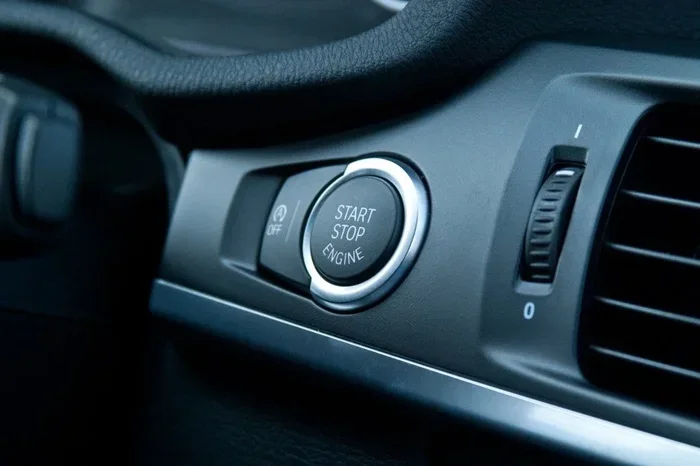
At its core, a car moves from X to Y through a simple chain of events. You turn the key, the engine fires up, and energy gets transferred to the wheels. But there is a lot more going on beneath the surface that makes this possible.
Your car’s engine burns fuel to create energy. That energy travels through the transmission and reaches the wheels. The wheels then grip the road, and your car starts moving forward or backward. It sounds simple, but each step involves complex systems working together in harmony.
The Role of the Engine
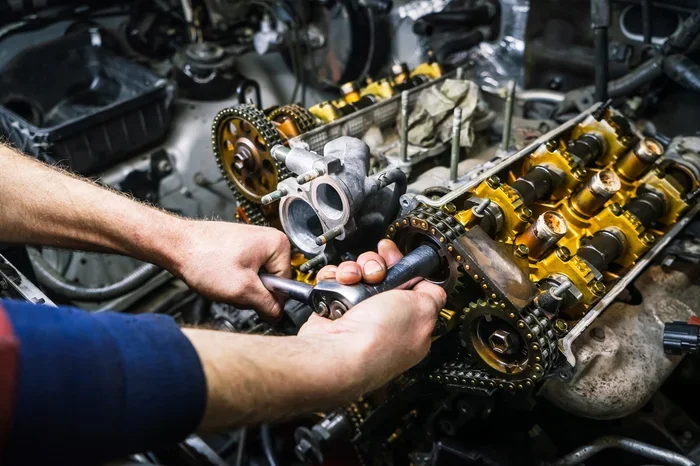
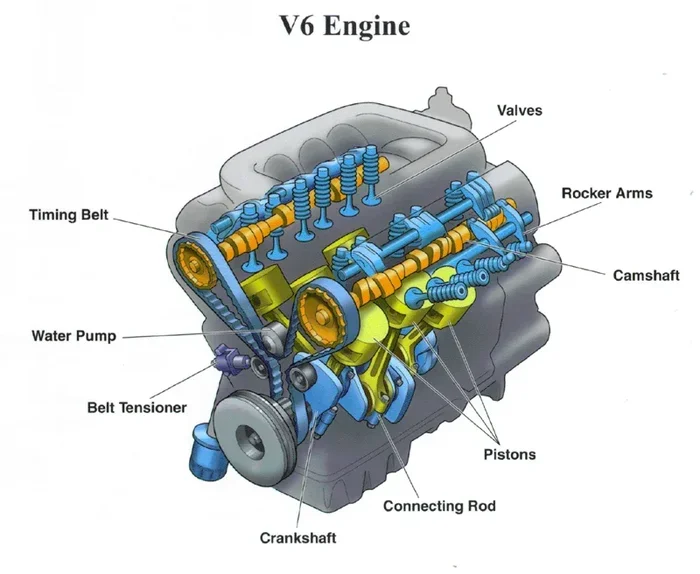
The engine is the heart of your vehicle. It converts fuel into mechanical energy through a series of small explosions inside the cylinders. These explosions push pistons up and down, which turns the crankshaft and generates the power needed to move the car.
Without a healthy engine, your car simply will not go. That is why regular oil changes, air filter replacements, and coolant checks are so important. A well-maintained engine runs smoothly and delivers consistent power every time you hit the road.
How the Transmission Works
The transmission acts as a bridge between the engine and the wheels. It adjusts the amount of power sent to the wheels based on your speed and the terrain. When you shift gears, you are telling the transmission how much torque your car needs at that moment.
Automatic transmissions handle this process for you, while manual transmissions require you to shift gears yourself. Both types serve the same purpose – they ensure your car moves from X to Y efficiently and without straining the engine.
Tires and Traction
Your tires are the only part of the car that actually touches the road. They play a massive role in how your vehicle moves. Good tire traction keeps you stable, especially on wet or uneven surfaces.
Underinflated or worn-out tires reduce grip and make your car harder to control. Checking your tire pressure at least once a month and replacing tires when the tread wears down are simple habits that go a long way in keeping you safe.
Understanding the Mechanics Behind Car Movement
Now that we have covered the basics, let us look deeper into the mechanics of car movement. When a car moves from X to Y, several systems work together to ensure a smooth ride. Understanding these systems helps you appreciate what your vehicle does for you every day.
The Drive Train Explained
The drive train connects the engine to the wheels. It includes the driveshaft, axles, and differential. Together, these components transfer power from the engine to the wheels and allow them to rotate at different speeds, especially when turning corners.
Front-wheel drive, rear-wheel drive, and all-wheel drive are the three main types. Each has its own advantages. Front-wheel drive offers better fuel economy, while all-wheel drive provides superior grip on slippery roads.
Braking Systems and Stopping Power
Moving is only half the story. Stopping safely is just as important. Your braking system uses friction to slow down and halt your vehicle. Brake pads clamp onto rotors when you press the pedal, creating the resistance needed to stop the wheels.
Worn brake pads reduce your stopping power and increase the risk of accidents. Listen for squealing sounds and get your brakes checked regularly. A well-maintained braking system gives you confidence every time you drive.
Suspension and Ride Comfort
The suspension system absorbs bumps and shocks from the road. It keeps your car stable and comfortable, even on rough terrain. Springs, shock absorbers, and struts work together to cushion the ride and maintain tire contact with the road.
A healthy suspension system also improves handling and safety. If you notice your car bouncing excessively or pulling to one side, it might be time for a suspension check.
Fuel and Energy: What Powers Your Journey
Every trip you take requires energy, and your car gets that energy from fuel. Understanding how your car uses fuel helps you make smarter choices at the pump and save money over time.
Gasoline vs. Diesel vs. Electric
Most cars on the road today run on gasoline or diesel. Electric vehicles are becoming more popular as technology improves. Each fuel type has its own benefits and drawbacks.
Gasoline engines are affordable and widely available. Diesel engines offer better fuel economy and more torque. Electric vehicles produce zero emissions and have lower running costs, but they require charging infrastructure. No matter which type you drive, the goal is the same – to move your car from X to Y as efficiently as possible.
Tips for Better Fuel Economy
Everyone wants to get more miles out of every gallon. Here are some simple tips that help:
- Drive at a steady speed: Avoid rapid acceleration and hard braking.
- Keep your tires properly inflated: Underinflated tires create drag and waste fuel.
- Remove excess weight: Heavy loads make your engine work harder.
- Use cruise control on highways: It maintains a consistent speed and saves fuel.
- Keep up with maintenance: A well-tuned engine burns fuel more efficiently.
Understanding Your Fuel Gauge
Many drivers ignore their fuel gauge until the warning light comes on. This habit can cause problems. Running your tank too low can damage the fuel pump and leave you stranded. Try to keep your tank at least a quarter full at all times.
Safety Tips for Every Trip
Safety should always come first when you are on the road. Whether you are driving across town or across the state, following basic safety practices keeps you and others protected.
Defensive Driving Techniques
Defensive driving means staying alert and anticipating potential hazards. Always keep a safe following distance, scan the road ahead, and be prepared to react. This mindset helps you avoid accidents and handle unexpected situations with confidence.
The Importance of Seatbelts
Seatbelts save lives. They are the simplest and most effective safety feature in any vehicle. Make it a habit to buckle up before you start the engine, and ensure all passengers do the same.
Avoiding Distractions
Distracted driving is one of the leading causes of accidents on the road. Put your phone away, set your GPS before you start driving, and keep your focus on the road. A few seconds of distraction can change your life forever.
Common Mistakes That Slow You Down
Even experienced drivers make mistakes that hurt their car’s performance and fuel efficiency. Recognizing these errors helps you avoid them and become a better driver.
Ignoring Dashboard Warning Lights
Dashboard warning lights exist for a reason. They tell you when something is wrong with your vehicle. Ignoring them can lead to bigger problems and expensive repairs. If a light comes on, address it promptly.
Overloading Your Vehicle
Every car has a weight limit. Exceeding it puts extra strain on the engine, brakes, and suspension. Check your owner’s manual for the recommended load capacity and stick to it.
Aggressive Driving Habits
Speeding, tailgating, and rapid acceleration waste fuel and increase wear on your vehicle. Smooth, steady driving not only saves fuel but also extends the life of your car’s components.
How to Plan Your Route Like a Pro
Planning your route before you hit the road makes every trip smoother and more enjoyable. A good route plan saves time, reduces stress, and helps you avoid traffic congestion.
Using GPS and Navigation Apps
Modern GPS tools make route planning easy. Apps like Google Maps and Waze provide real-time traffic updates and suggest the fastest routes. Use these tools to find the best path from X to Y, especially when traveling to unfamiliar areas.
Timing Your Trip
Traffic patterns vary throughout the day. Rush hour can add significant time to your commute. If possible, plan your trips during off-peak hours to enjoy a faster and more relaxed drive.
Preparing for Long Road Trips
Long road trips require extra preparation. Check your fuel level, tire condition, and fluid levels before you leave. Pack essentials like water, snacks, and a first-aid kit. A little planning goes a long way in making your trip comfortable and stress-free.
Key Takeaways
- Know Your Vehicle: Understanding how a car moves from X to Y starts with knowing your engine, transmission, and tires.
- Fuel Efficiency Matters: Small habits like smooth acceleration and proper tire pressure can significantly improve your fuel economy.
- Safety Comes First: Regular maintenance and defensive driving keep you safe on every trip.
- Route Planning Saves Time: Using GPS tools and avoiding traffic hotspots makes your drive more enjoyable.
- Avoid Common Mistakes: Overloading, ignoring warning lights, and aggressive driving all hurt your car’s performance.
- Stay Proactive: Regular check-ups and timely repairs extend your vehicle’s lifespan and keep it running smoothly.
Conclusion
The journey of a car moving from X to Y is more than just getting from one place to another. It involves a complex interplay of mechanical systems, fuel management, safety practices, and smart planning. When you understand how your vehicle works and take care of it properly, every trip becomes smoother, safer, and more enjoyable.
Start by paying attention to the basics. Keep up with maintenance, drive smoothly, plan your routes, and stay alert on the road. These simple habits transform your driving experience and save you money in the long run.
Remember, your car is a tool that serves you well when you treat it right. The next time you turn the key and feel your car move from X to Y, take a moment to appreciate the engineering and effort that makes it all possible. Drive smart, stay safe, and enjoy the ride.
Frequently Asked Questions
How does a car actually move from one point to another?
A car moves from X to Y when the engine burns fuel to create energy, which gets transferred through the transmission to the wheels. The wheels grip the road surface and propel the vehicle forward. Multiple systems including the engine, drivetrain, and tires work together to make this happen smoothly.
What is the best way to improve fuel efficiency on a trip?
To improve fuel efficiency, maintain a steady speed, keep your tires properly inflated, and avoid aggressive acceleration. Regular maintenance like oil changes and air filter replacements also help your engine run more efficiently and use less fuel during your journey.
How often should I check my car before a long trip?
You should perform a pre-trip check at least a few days before departure. Inspect your tire pressure, oil level, coolant, and brakes. Also check all lights and ensure your GPS and phone chargers are working properly before hitting the road.
What are the most common reasons a car struggles to move smoothly?
Common reasons include low tire pressure, worn brake pads, dirty air filters, and transmission issues. Regular maintenance catches these problems early and keeps your car moving smoothly from one destination to the next without unexpected breakdowns.
Is it better to drive during the day or night for safety?
Daytime driving is generally safer because visibility is better and fatigue is less of a factor. However, if you must drive at night, ensure your headlights are working properly, reduce your speed, and take frequent breaks to stay alert and focused on the road.
Can route planning really save me time and fuel?
Absolutely. Planning your route helps you avoid traffic congestion, road construction, and unnecessary detours. Using navigation apps with real-time traffic updates ensures you take the most efficient path from X to Y, saving both time and fuel on every trip.