How Many Times Did Maserati Win the Indianapolis 500
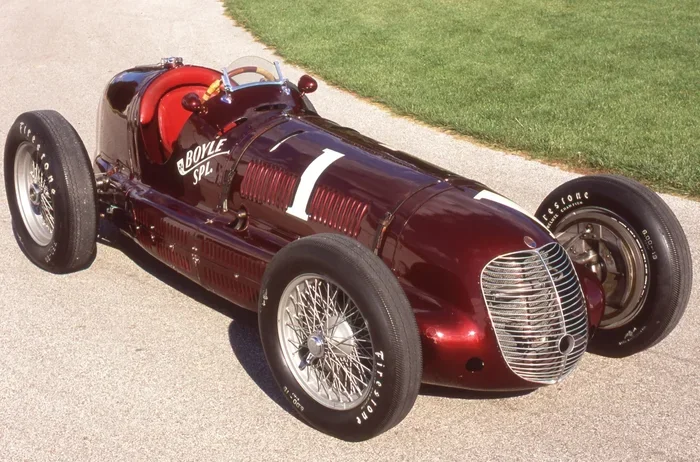
Maserati won the Indianapolis 500 two times, in 1939 and 1940, both with driver Wilbur Shaw at the wheel. These victories marked a golden era for the Italian automaker in American open-wheel racing. The story of Maserati at Indianapolis is one of passion, engineering brilliance, and a racing legacy that still inspires car enthusiasts today.
Maserati and the Indianapolis 500 share a fascinating chapter in motorsport history. The Italian luxury automaker made its mark on one of the most famous racetracks in the world. But exactly how many times did Maserati win the Indianapolis 500? The answer is two, and the story behind those wins is anything but ordinary.
When most people think of Indianapolis 500 winners, names like Indianapolis Motor Speedway legends and American-built machines come to mind. But Maserati, an Italian brand known for its elegance and racing pedigree, proved it could compete on American soil. The brand’s two victories in 1939 and 1940 remain a point of pride for car enthusiasts and racing historians alike.
In this article, we will dive deep into Maserati’s Indianapolis 500 victories, the drivers who made them happen, the technology behind the cars, and the lasting impact of those wins. Whether you are a Maserati fan, a racing history buff, or someone who loves learning about classic car maintenance, there is plenty here for you.
Key Takeaways
- Two Wins: Maserati claimed victory at the Indianapolis 500 in both 1939 and 1940.
- Wilbur Shaw Was the Hero: The American driver won both races behind the wheel of a Maserati 8CTF.
- Revolutionary Engineering: The Maserati 8CTF featured a supercharged inline-eight engine that competed with the dominant European and American racers of the era.
- Brief but Powerful Presence: Maserati’s Indy 500 campaign was short but left a lasting mark on motorsport history.
- Legacy Lives On: Maserati’s racing heritage continues to influence the brand’s identity and attracts collectors and fans worldwide.
- Classic Car Maintenance Matters: Preserving cars like the 8CTF requires specialized vintage car care and attention to detail.
- Racing Fuel Systems Were Key: The fuel systems on these race cars were advanced for their time and share principles with modern racing fuel systems.
📑 Table of Contents
- The Maserati Indianapolis 500 Story
- The Maserati 8CTF: Engineering Marvel
- Maserati’s Racing Legacy at Indianapolis
- Why Maserati’s Indy 500 Wins Matter
- Common Mistakes People Make When Learning About Maserati Racing History
- Quick Tips: Maintaining a Maserati with Racing Heritage
- How Maserati’s Racing Technology Influences Modern Car Care
- The Lasting Legacy of Maserati at Indianapolis
- Conclusion
The Maserati Indianapolis 500 Story
A Bold Entry into American Racing
Maserati entered the Indianapolis 500 with a clear goal: prove that Italian engineering could compete with the best in the world. The brand had already built a reputation in European Grand Prix racing and motorsport events across the continent. But Indianapolis was different. It was the ultimate test of speed, endurance, and reliability.
The 1930s were a transformative period in racing history. European manufacturers like Alfa Romeo, Auto Union, and Mercedes-Benz dominated the Grand Prix scene. Meanwhile, American teams ruled the Indianapolis Motor Speedway with their powerful front-engine roadsters. Maserati saw an opportunity to bridge the gap between European finesse and American raw power.
The company developed the Maserati 8CTF specifically for the Indianapolis 500. This car was a marvel of racing engineering for its time. It featured a supercharged inline-eight engine that could produce impressive horsepower. The 8CTF was lightweight, nimble, and built to handle the high-speed demands of the famous 2.5-mile track.
Wilbur Shaw: The Man Behind the Wins
No discussion of Maserati’s Indianapolis 500 victories is complete without mentioning Wilbur Shaw. Shaw was an American racing driver with a deep understanding of the Indianapolis Motor Speedway. He knew the track like the back of his hand, and he used that knowledge to extract every ounce of performance from his Maserati.
Shaw first drove for Maserati at Indianapolis in 1939. He qualified well and maintained a strong pace throughout the race. His skillful driving and the reliability of the Maserati 8CTF carried him to victory. It was a historic moment. An American driver, in an Italian car, won the most prestigious race in American motorsport.
Shaw returned in 1940 and did what few thought possible: he won again. Back-to-back victories in a Maserati cemented the brand’s place in Indy 500 history. Shaw’s average speed and consistency were remarkable. He demonstrated that the Maserati could not only win once but could compete at the highest level year after year.
Shaw’s connection to Maserati went beyond just racing. He understood the car’s strengths and weaknesses. He worked closely with the Maserati engineers to fine-tune the setup for the demanding Indianapolis conditions. This partnership between driver and manufacturer was a key factor in the wins.
The Maserati 8CTF: Engineering Marvel
Engine and Powerplant
The heart of the Maserati 8CTF was its engine. The car used a supercharged inline-eight engine that was a significant departure from the larger, bulkier engines used by many competitors. This engine was compact, efficient, and incredibly powerful for its era.
Here are some key technical details about the Maserati 8CTF engine:
- Configuration: Inline-eight cylinder
- Displacement: Approximately 3.0 liters
- Supercharging: Roots-type supercharger
- Horsepower: Around 365 to 400 horsepower
- Top Speed: Over 190 miles per hour
- Fuel System: Carburetor-based with supercharger assistance
The supercharger was a critical component. It forced more air into the engine’s cylinders, allowing for more fuel to be burned and more power to be produced. This technology was borrowed from Grand Prix racing and adapted for the unique demands of the Indianapolis 500.
When comparing the performance of the Maserati 8CTF to other cars of the era, the numbers speak for themselves. The Dodge Charger and other American muscle cars that came decades later may have more raw horsepower, but the 8CTF achieved incredible speeds with far less technology. The engineering efficiency of the Maserati was remarkable.
Chassis and Suspension
Beyond the engine, the 8CTF’s chassis was designed for stability and speed. The ladder-frame chassis provided a strong foundation while keeping weight low. The suspension system used independent front suspension, which was advanced for the late 1930s.
The car’s aerodynamics were also noteworthy. The streamlined body design reduced drag and allowed the 8CTF to maintain high speeds on the long straights of the Indianapolis Motor Speedway. Every detail was considered, from the placement of the fuel tank to the angle of the radiator intake.
Maintaining a car like the 8CTF today requires specialized knowledge. Classic car restoration experts who work on vintage Maseratis understand the unique challenges. From sourcing period-correct parts to understanding the racing fuel systems of the era, the work is both demanding and rewarding.
Maserati’s Racing Legacy at Indianapolis
The 1939 Victory
The 1939 Indianapolis 500 was a landmark event for Maserati. Wilbur Shaw started the race from a competitive position and managed his pace expertly throughout the 200 laps. The Maserati 8CTF proved its reliability over the grueling 500-mile distance.
Shaw’s victory was not just about speed. It was about consistency. The 8CTF handled the bumps and turns of the Indianapolis track with grace. The car’s balance and handling gave Shaw the confidence to push hard without worrying about mechanical failures.
This win sent shockwaves through the racing world. European manufacturers took notice that their cars could compete at Indianapolis. American teams began to study Maserati’s approach, and the influence of European racing technology on American motorsport grew stronger.
The 1940 Victory
Winning once at Indianapolis is impressive. Winning twice in a row is legendary. Shaw’s 1940 victory proved that the 1939 win was not a fluke. The Maserati team made improvements and refinements during the off-season, and the results showed.
The 1940 race was also affected by the growing tensions in Europe. World War II was on the horizon, and many European teams would soon withdraw from international competition. Maserati’s back-to-back wins at Indianapolis were among the last major European victories at the speedway before the war disrupted global motorsport.
After 1940, Maserati did not return to Indianapolis with the same level of competitiveness. The war changed the landscape of motorsport forever. Many European racing programs were paused or ended. When racing resumed after the war, the technology had evolved, and the competitive landscape was different.
Maserati’s Overall Indy 500 Record
Let us look at Maserati’s Indianapolis 500 record in a clear format:
| Year | Driver | Car | Result |
|---|---|---|---|
| 1939 | Wilbur Shaw | Maserati 8CTF | 1st Place (Winner) |
| 1940 | Wilbur Shaw | Maserati 8CTF | 1st Place (Winner) |
| Post-1940 | Various | Various Maserati Models | No Additional Wins |
As you can see, Maserati’s Indianapolis 500 wins are concentrated in a brief but brilliant period. The brand’s two victories remain its only wins at the race, but they are victories that are remembered and celebrated to this day.
Why Maserati’s Indy 500 Wins Matter
Breaking the American Dominance
Before Maserati’s wins, the Indianapolis 500 had been dominated by American-built cars and American drivers. The idea that a European manufacturer could win at Indianapolis was considered unlikely by many. Maserati shattered that perception.
The 8CTF’s success showed that racing innovation knows no borders. Italian craftsmanship and engineering could thrive on an American track. This opened the door for other European brands to compete at Indianapolis in later years and helped shape the global motorsport landscape we know today.
Influence on Modern Racing
The engineering principles used in the Maserati 8CTF influenced race car development for decades. The use of supercharging, the focus on lightweight construction, and the emphasis on aerodynamic efficiency all became standard practices in motorsport engineering.
Today, the Indianapolis 500 remains one of the most important races in the world. Modern IndyCar technology has evolved dramatically, but the spirit of innovation that Maserati brought to the track in 1939 and 1940 lives on. The lessons learned from those early races continue to inform car maintenance practices and racing strategies.
The Cultural Impact
Maserati’s victories at Indianapolis helped establish the brand as a serious player in the world of luxury performance cars. The wins were not just about racing; they were about building a brand identity. Maserati became synonymous with speed, elegance, and competitive spirit.
Today, if you own a Maserati, you own a piece of this racing heritage. Understanding the brand’s history adds depth to the ownership experience. It also highlights the importance of proper vintage car care and maintenance, especially for models that carry racing lineage.
Common Mistakes People Make When Learning About Maserati Racing History
There are several misconceptions about Maserati’s time at Indianapolis that are worth addressing:
- Mistake 1: Assuming Maserati Won More Than Twice. Many people confuse Maserati’s overall racing success with their Indianapolis record. The brand was competitive at Indianapolis for several years but only won twice.
- Mistake 2: Overlooking Wilbur Shaw’s Role. Shaw was not just a driver; he was a key collaborator with the Maserati team. His input shaped the car’s development and setup.
- Mistake 3: Ignoring the 1940 Win. Some histories focus only on the 1939 victory and forget that Shaw won again in 1940. Both wins are equally important.
- Mistake 4: Confusing Maserati with Other Italian Brands. Alfa Romeo and Ferrari also competed at Indianapolis at various points. Maserati’s two wins are distinct from their achievements.
Quick Tips: Maintaining a Maserati with Racing Heritage
If you are lucky enough to own a Maserati with racing connections, here are some tips to keep it in top shape:
- Use Period-Correct Fluids: Vintage Maseratis require specific oil types and transmission fluids. Check with a specialist who understands classic car maintenance.
- Monitor the Supercharger: If your Maserati has a supercharged engine, regular inspection of the supercharger components is essential.
- Keep the Electrical System Clean: Old wiring can corrode over time. Regularly check for loose connections and frayed wires.
- Store Properly: Humidity and temperature swings can damage vintage components. Store your car in a climate-controlled environment when possible.
- Drive It Regularly: Vintage cars benefit from regular use. Sitting for long periods can cause seals to dry out and fluids to degrade.
- Find a Specialist: Not every mechanic understands Maseratis. Seek out a technician who has experience with Italian luxury cars and racing heritage vehicles.
How Maserati’s Racing Technology Influences Modern Car Care
The engineering principles behind Maserati’s racing success have modern-day implications for car maintenance. The focus on engine efficiency, fuel system optimization, and reliability under stress are all relevant to maintaining any vehicle today.
For example, understanding how a supercharger works on a classic Maserati can help you appreciate the forced induction systems in modern cars. The basic principles remain the same: compress air, mix it with fuel, and burn it efficiently. Whether you are working on a vintage race car or a modern Dodge Charger, the fundamentals of engine performance are universal.
Similarly, the racing fuel systems used in the 8CTF laid groundwork for how fuel is delivered in high-performance engines today. If you are curious about how fuel systems have evolved, checking out how many fuel pumps a modern car like the Dodge Charger has can give you a fascinating comparison to vintage racing technology.
When it comes to diagnosing issues on older cars, knowing how to manually clear car codes can save you time and money. Many classic cars, including those from the Maserati racing era, used simple diagnostic approaches that are still relevant today. Understanding these basics helps you maintain any vehicle with confidence.
Speed and performance were the hallmarks of Maserati’s racing identity. If you have ever wondered how fast modern performance cars can go, exploring the capabilities of vehicles like the Dodge Charger offers a fun comparison to the speeds achieved by the 8CTF at Indianapolis decades ago.
Finally, if you ever need to troubleshoot an issue on your own vehicle, knowing how to clear the check engine light yourself is a valuable skill. While the technology has changed dramatically since Maserati’s racing days, the DIY spirit of solving car problems remains the same.
The Lasting Legacy of Maserati at Indianapolis
Maserati’s two victories at the Indianapolis 500 may have happened over 80 years ago, but their impact is still felt today. The brand’s racing heritage is a source of pride for enthusiasts and a key part of the company’s identity. Every Maserati built today carries a piece of that legacy forward.
The Indianapolis 500 remains a symbol of racing excellence. And Maserati’s place in that history, however brief, is secure. The 8CTF, Wilbur Shaw, and those two unforgettable victories are part of what makes motorsport history so compelling and worth preserving.
If you are a car enthusiast, take time to appreciate the stories behind the machines. Understanding the racing heritage of brands like Maserati adds richness to your appreciation of automobiles. It connects the cars we drive today to the pioneering spirit of racers and engineers who came before us.
The next time you see a Maserati on the road or at a car show, remember: this is a brand that conquered one of the most challenging racetracks in the world. Two victories may not seem like a lot, but in the world of racing legacy, two wins at Indianapolis is a feat that will never be forgotten.
Conclusion
So, how many times did Maserati win the Indianapolis 500? The answer is two, in 1939 and 1940, both achieved by the talented Wilbur Shaw driving the Maserati 8CTF. These victories represent a remarkable chapter in racing history where Italian engineering and American racing culture came together in spectacular fashion.
Maserati’s time at Indianapolis was brief but impactful. The brand proved that European manufacturers could compete and win on American soil. The engineering innovations developed for the 8CTF influenced race car design for generations. And the legacy of those two wins continues to inspire car enthusiasts around the world.
Whether you are interested in classic car maintenance, racing history, or simply love learning about remarkable machines, Maserati’s Indianapolis 500 story is one worth knowing. It reminds us that greatness can come in small packages and that two incredible victories can echo through the decades.
Frequently Asked Questions
How many times did Maserati win the Indianapolis 500?
Maserati won the Indianapolis 500 exactly two times, in 1939 and 1940. Both victories were achieved by American driver Wilbur Shaw behind the wheel of a Maserati 8CTF.
Who drove the Maserati that won the Indianapolis 500?
Wilbur Shaw drove the Maserati 8CTF to victory at the Indianapolis 500 in both 1939 and 1940. Shaw was an American racing driver who understood the track and worked closely with the Maserati team to optimize the car’s performance.
What car did Maserati use to win the Indianapolis 500?
Maserati used the 8CTF model to win both of its Indianapolis 500 races. The 8CTF featured a supercharged inline-eight engine and was specifically designed for the demands of the 500-mile race at Indianapolis.
Why did Maserati only win the Indianapolis 500 twice?
Maserati’s Indianapolis 500 campaign was relatively short. The brand competed at Indianapolis primarily in the late 1930s and early 1940s. After 1940, World War II disrupted global motorsport, and Maserati did not return to Indianapolis with the same level of competitiveness.
What was special about the Maserati 8CTF engine?
The Maserati 8CTF featured a supercharged inline-eight engine that was compact, lightweight, and powerful. It produced around 365 to 400 horsepower and was a significant engineering achievement for the late 1930s. The supercharger technology was borrowed from European Grand Prix racing.
Does Maserati still have a racing presence today?
Yes, Maserati continues to be involved in motorsport and maintains a strong racing heritage. While the brand no longer competes at the Indianapolis 500, its racing legacy influences its modern car designs and brand identity. Enthusiasts who own vintage Maseratis often focus on proper classic car maintenance to preserve this racing history.