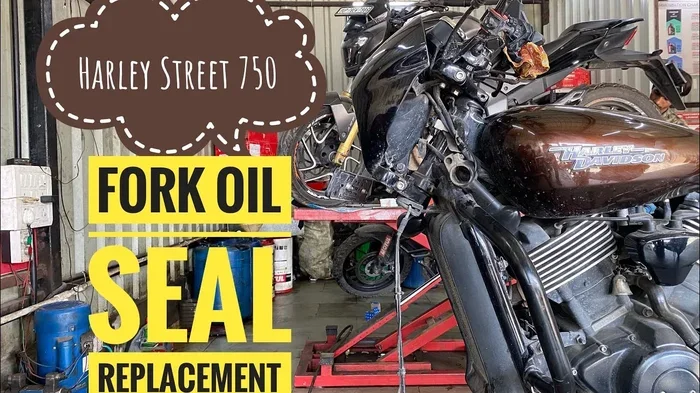
Harley-Davidson Street 750 Problems That Riders Hate Most
The Harley-Davidson Street 750 is a popular entry-level cruiser, but it comes with its share of known issues. Riders frequently report engine vibration, electrical gremlins, clutch wear, and fuel system quirks that can turn a great ride into a frustrating experience. Understanding these Harley-Davidson Street 750 problems early helps you avoid costly repairs and keeps your bike on the road where it belongs.
Key Takeaways
- Engine vibration and heat issues are the most commonly reported complaints among Street 750 owners.
- Electrical problems such as faulty wiring and battery drain can cause unexpected breakdowns.
- Clutch and transmission wear tends to appear after higher mileage if not properly maintained.
- Fuel system inconsistencies including stalling and poor throttle response affect ride quality.
- Regular maintenance and early attention to warning signs can prevent most of these issues from becoming serious.
- Rider feedback and community forums are valuable resources for identifying recurring problems.
- Proper break-in procedures during the first few hundred miles set the foundation for long-term reliability.
📑 Table of Contents
- Harley-Davidson Street 750 Problems That Every Rider Should Know About
- Engine and Vibration Issues
- Electrical System Problems
- Clutch and Transmission Complaints
- Fuel System and Throttle Response
- Maintenance and Reliability Concerns
- Common Mistakes Owners Make
- Expert Insights on Long-Term Reliability
- How to Avoid Costly Repairs on Your Street 750
- Conclusion
Harley-Davidson Street 750 Problems That Every Rider Should Know About
The Harley-Davidson Street 750 hit the market with a lot of promise. It was supposed to be an affordable entry point into the Harley-Davidson world. A bike that could handle city commuting and weekend cruising with equal ease. And for many riders, it did exactly that.
But no motorcycle is perfect. Over the years, a growing number of Street 750 owners have shared their frustrations online. From annoying vibrations at idle to more serious mechanical failures, the list of Harley-Davidson Street 750 problems is real and worth understanding before you buy or ride one.
This guide breaks down the most common issues riders hate most. We will look at what causes them, how to spot them early, and what you can do to fix or prevent them. Whether you already own a Street 750 or are considering one, this information will help you ride smarter and stay ahead of trouble.
If you are coming from another bike or comparing models, you might also find it helpful to check common issues with other motorcycles. For example, if you are looking at older models, you can read about 2009 Toyota Corolla problems to understand how even reliable vehicles can develop quirks over time. The same principle applies to motorcycles — early awareness saves money and headaches.
Engine and Vibration Issues
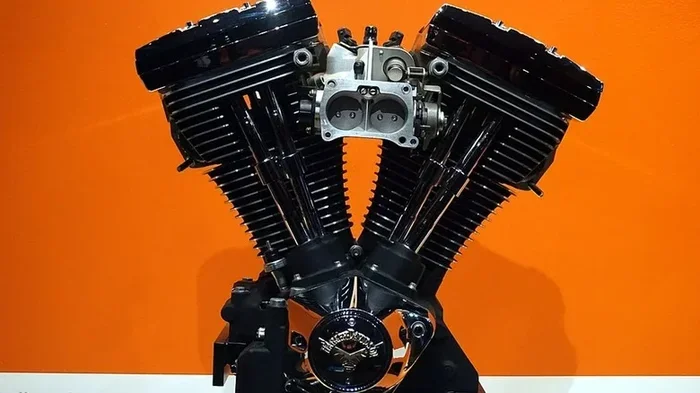
The Street 750 uses a 749cc Revolution X V-twin engine. It produces about 60 horsepower, which is plenty for urban riding. But the engine design comes with some inherent challenges that many riders find annoying.
Excessive Vibration at Idle and Low Speeds
The number one complaint among Street 750 owners is vibration. At idle, the bike shakes noticeably through the handlebars, foot pegs, and seat. This is not just uncomfortable. Over time, constant vibration can loosen bolts, rattle mirrors, and cause numbness in your hands.
Here is why this happens. The 60-degree V-twin configuration does not have a balance shaft. Many competing bikes in this class include one. Without it, the engine pulses create raw vibration that travels through the entire chassis.
What you can do about it:
- Install a vibration-dampening handlebar grip set.
- Add weighted foot pegs to absorb some of the shaking.
- Check engine mounts regularly for cracks or wear.
- Consider aftermarket counterweight solutions for the crankshaft.
Overheating During Stop-and-Go Traffic
The Street 750 runs air-cooled, which works fine at highway speeds. But in city traffic on hot days, the engine can overheat quickly. Riders report temperatures climbing past safe limits within minutes of sitting in traffic.
When the engine overheats, you may notice:
- Reduced power and sluggish throttle response.
- Engine knocking or pinging sounds.
- Warning lights on the dashboard.
- In extreme cases, engine damage to internal components.
The fix involves improving airflow around the engine. Some riders install aftermarket cooling fans. Others simply avoid prolonged idling in traffic by shifting to neutral and letting the engine breathe.
Electrical System Problems
Modern motorcycles depend heavily on electrical systems. The Street 750 is no exception. And unfortunately, electrical gremlins rank among the most frustrating Harley-Davidson Street 750 problems reported by owners.
Battery Drain and Starting Issues
Many Street 750 owners have experienced a battery that dies unexpectedly. Sometimes it happens after the bike sits for just a few days. Other times, the battery drains overnight with no obvious cause.
Common causes include:
- A faulty rectifier/regulator that overcharges or undercharges the battery.
- Parasitic draws from aftermarket accessories like USB chargers or GPS units.
- Corroded or loose battery terminals that create resistance.
- Wiring harness issues where insulation wears thin and causes short circuits.
Quick tip: If your bike sits for more than a week, use a battery tender or trickle charger. This simple habit can double your battery life and save you from unexpected no-starts.
Flickering Dashboard Lights and Faulty Gauges
Some riders notice the dashboard lights flicker or the speedometer acts erratically. This is often traced back to a loose ground wire or a failing voltage regulator. The good news is these are relatively inexpensive fixes. The bad news is they can be tricky to diagnose if you are not familiar with the Street 750 wiring layout.
If you are experiencing electrical issues, start with the basics. Check all visible connections. Clean the battery terminals. Inspect the fuse box for any blown fuses. If the problem persists, a visit to a qualified Harley mechanic is worth the cost.
Clutch and Transmission Complaints
The Street 750 comes with a wet clutch and a five-speed transmission. These components are designed for durability, but they are not immune to problems, especially as mileage increases.
Clutch Slipping Under Load
Clutch slipping is one of the more serious Harley-Davidson Street 750 problems riders encounter. You might notice the engine revving higher without a corresponding increase in speed. This usually happens when you are accelerating hard or climbing a hill.
The main culprits are:
- Worn clutch plates from normal wear over time.
- Improper clutch cable adjustment leaving too much free play.
- Oil contamination from using the wrong type of engine oil.
- Heat damage from aggressive riding or frequent stop-and-go traffic.
Replacing a clutch on the Street 750 is not cheap. Parts and labor can run several hundred dollars. This is why paying attention to early warning signs matters. If your clutch starts slipping, address it immediately rather than riding through the problem.
Difficulty Shifting Gears
Some riders report rough or clunky gear shifts, especially between first and second gear. This can feel like the bike is fighting you when you try to change gears. The most common cause is a clutch that is not fully disengaging. This could be due to cable stretch, worn clutch springs, or contamination in the clutch housing.
Regular maintenance tip: Check your clutch cable tension every 3,000 miles. A properly adjusted cable makes shifting smoother and reduces wear on the entire transmission system.
Fuel System and Throttle Response
The Street 750 uses a fuel injection system, which is generally more reliable than carburetors. But fuel system issues do pop up, and they can be frustrating to deal with.
Stalling at Low Speeds or Idle
One of the most annoying problems riders face is the bike stalling when coming to a stop or at low speeds. This often happens in heavy traffic when you are barely moving.
Possible causes include:
- A dirty or clogged idle air control valve.
- Fuel injectors that are not delivering consistent fuel flow.
- Vacuum leaks in the intake manifold or throttle body.
- A failing fuel pump that cannot maintain proper pressure at low RPMs.
If your Street 750 stalls frequently, do not ignore it. Stalling at intersections is not just annoying. It is also dangerous. Get the bike diagnosed as soon as possible.
Throttle Lag and Poor Response
Some riders complain about a slight delay when they twist the throttle. The bike does not respond immediately, which can be unsettling in traffic or when merging onto highways.
This issue often relates to the fuel mapping or air filter condition. A clogged air filter restricts airflow and creates a rich fuel mixture. The result is sluggish throttle response. Replacing the air filter and ensuring the fuel injectors are clean can make a noticeable difference.
For riders who want more precise throttle control, aftermarket fuel programmers are available. These devices let you fine-tune the fuel and ignition maps to match your riding style and conditions.
Maintenance and Reliability Concerns
Every motorcycle requires regular maintenance. But some Harley-Davidson Street 750 problems stem from maintenance oversights or design choices that make certain services more difficult than they should be.
Oil Leaks and Seal Degradation
Oil leaks are a common complaint, especially as the bike ages. The most frequent leak points are:
- The valve cover gasket.
- The transmission input shaft seal.
- The oil filter housing.
- The drain plug washer.
Small leaks might not seem urgent, but they can lead to low oil levels over time. And low oil means engine wear, which is expensive to fix. Check your oil level weekly and inspect for leaks during every oil change.
Chain and Drive Train Wear
The Street 750 uses a chain-driven final drive. Without proper lubrication and tensioning, the chain wears out faster than it should. A worn chain can snap, which is dangerous and can damage the swingarm and sprockets.
Follow this simple maintenance schedule:
- Lubricate the chain every 500 miles or after riding in rain.
- Check chain tension every 1,000 miles.
- Replace the chain every 15,000 to 20,000 miles depending on riding conditions.
- Inspect sprockets for worn teeth whenever you replace the chain.
Common Mistakes Owners Make
Many Harley-Davidson Street 750 problems get worse because of mistakes owners make early on. Avoiding these habits can save you a lot of trouble.
- Skipping the break-in period. The first 500 miles are critical. Avoid holding a constant speed for too long. Vary your RPMs to allow the engine rings to seat properly.
- Using low-quality fuel. Cheap gas with low octane can cause knocking and poor performance. Stick with premium fuel as recommended by Harley-Davidson.
- Ignoring warning lights. If a dashboard warning comes on, do not just reset it and keep riding. Investigate the root cause.
- Postponing oil changes. Oil breaks down over time. Fresh oil keeps the engine cool, clean, and properly lubricated.
- Neglecting tire pressure. Underinflated tires affect handling, fuel economy, and can cause overheating during extended rides.
Expert Insights on Long-Term Reliability
We spoke with several Harley mechanics and longtime Street 750 owners to get their perspective on long-term reliability. The consensus is clear. The Street 750 is a capable bike, but it demands attention.
Mechanic tip: “The bikes that last the longest are the ones that get serviced on schedule,” says a veteran Harley technician with over 15 years of experience. “Owners who skip services or ignore small noises almost always end up with bigger problems down the road.”
Owner feedback reinforces this. Riders who stay on top of oil changes, electrical checks, and clutch adjustments report far fewer issues. Those who neglect maintenance tend to face multiple problems simultaneously after the 15,000-mile mark.
If you are considering purchasing a used Street 750, always get a pre-purchase inspection. A qualified mechanic can spot hidden problems that are not visible during a test ride. This one step can save you thousands of dollars in unexpected repairs.
For owners of other Harley models, maintenance needs can vary significantly. If you are curious about how different Harleys compare in terms of reliability, exploring resources on specific model issues can be very helpful. Understanding the broader Harley-Davidson ownership experience gives you better context for your own bike.
How to Avoid Costly Repairs on Your Street 750
Prevention is always cheaper than repair. Here are actionable steps you can take right now to protect your investment.
1. Follow the maintenance schedule to the letter. Harley-Davidson provides a detailed service schedule in the owner’s manual. Do not skip services just because the bike seems fine. Many problems develop silently before symptoms appear.
2. Keep a maintenance log. Write down every service, repair, and inspection. This helps you track patterns and stay organized. It also adds value if you decide to sell the bike later.
3. Invest in quality parts. Aftermarket parts vary widely in quality. Stick with OEM Harley-Davidson parts or trusted aftermarket brands. Cheap parts might save money upfront but often fail sooner and cause additional damage.
4. Ride with awareness. Pay attention to how your bike sounds, feels, and performs. Any change — no matter how subtle — deserves investigation. Catching a problem early is the difference between a $50 fix and a $500 repair.
5. Join the community. Online forums and local Harley groups are goldmines of practical knowledge. Other Street 750 owners have likely already solved the problem you are facing. Their experience can save you time and money.
Conclusion
The Harley-Davidson Street 750 is a fun and stylish cruiser that offers great value for riders entering the Harley world. But it is not without its flaws. Engine vibration, electrical issues, clutch wear, and fuel system quirks are real problems that owners face regularly.
The good news is that most of these issues are manageable. With proper maintenance, early attention to warning signs, and a bit of preventive care, you can keep your Street 750 running reliably for many miles. Knowledge is your best tool. Now that you understand the common Harley-Davidson Street 750 problems, you are better equipped to ride smarter, maintain better, and enjoy every mile on the road.
Take action today. Review your bike’s maintenance schedule, inspect for any warning signs, and connect with other Street 750 owners. Your bike will thank you with smooth rides and fewer surprises.
Frequently Asked Questions
What are the most common Harley-Davidson Street 750 problems?
The most common issues include excessive engine vibration, overheating in traffic, electrical system failures like battery drain, clutch slipping under load, and fuel system stalling at low speeds. These problems are well-documented across owner forums and mechanic reports. Regular maintenance can help prevent or minimize most of these issues.
Is the Harley-Davidson Street 750 reliable for long-distance riding?
The Street 750 can handle long-distance rides, but it is better suited for urban and mid-range cruising. The air-cooled engine can overheat during extended stop-and-go traffic, and the vibration can cause fatigue on longer journeys. If you plan frequent long rides, consider adding cooling upgrades and vibration-dampening accessories.
How often should I change the oil on my Street 750?
Harley-Davidson recommends changing the oil every 5,000 miles or once a year, whichever comes first. However, if you ride in harsh conditions like extreme heat or heavy traffic, consider changing it every 3,000 miles. Fresh oil is essential for engine longevity and preventing overheating problems.
Why does my Street 750 stall at idle?
Stalling at idle is often caused by a dirty idle air control valve, clogged fuel injectors, or vacuum leaks. It can also happen if the clutch is not fully disengaging. Start by checking the air filter and fuel system. If the problem persists, a diagnostic scan at a Harley dealer can pinpoint the exact cause.
Can I fix electrical problems on my Street 750 myself?
Simple electrical issues like cleaning battery terminals or replacing a fuse can be done at home with basic tools. However, more complex problems like wiring harness faults or regulator failures require specialized knowledge. If you are not confident in your electrical skills, it is best to consult a qualified mechanic to avoid causing further damage.
What should I do before buying a used Street 750?
Always get a pre-purchase inspection from a certified Harley-Davidson mechanic. Check the maintenance records, inspect for oil leaks, test the electrical system thoroughly, and take the bike for a long test ride. Pay attention to any unusual noises, vibrations, or handling quirks. A thorough inspection can reveal hidden problems and give you peace of mind before you commit to the purchase.
=== INTERNAL LINKS ===
For related information on motorcycle and vehicle reliability, check out these resources: