How Many Air Filters Does a 2019 Toyota Tundra Have
The direct answer to How Many Air Filters Does a 2019 Toyota Tundra Have is two: one engine air filter and one cabin air filter. Both filters protect your truck’s performance and interior air quality. This guide will walk you through their locations, replacement schedules, and costs so you can keep your Tundra in top shape.
The 2019 Toyota Tundra is a rugged, dependable full-size truck that handles everything from hauling loads to weekend adventures. Like any vehicle, it relies on clean air to keep the engine running smoothly and the cabin comfortable. Many owners ask, How Many Air Filters Does a 2019 Toyota Tundra Have? The answer is simple: your Tundra has two air filters. Understanding these filters and how to maintain them can save you money and keep your truck in top condition. In this guide, I will walk you through everything you need to know about the air filters on your 2019 Toyota Tundra, from their locations to replacement costs and warning signs.
Air filters are small but mighty components. They trap dust, pollen, debris, and other contaminants before they enter the engine or the cabin. Without them, your engine would suffer from accelerated wear, and the air you breathe inside the truck would be filled with pollutants. The 2019 Tundra uses a dual-filter system, which means you have both an engine air filter and a cabin air filter. Each one serves a distinct purpose, and both need regular attention. In the sections below, I will break down each filter so you can confidently maintain your vehicle.
Knowing the exact number of filters is just the starting point. You also need to know where they are, how often to replace them, and what happens when they get dirty. This article covers all of that in detail. Whether you are a DIY mechanic or you prefer to visit a service center, you will find practical advice here. I will also share quick tips, common mistakes, and expert insights to help you get the most life out of your Tundra’s air filters. Let us dive into the details.
Key Takeaways
- Two Air Filters: The 2019 Toyota Tundra has one engine air filter and one cabin air filter.
- Engine Filter Location: Found in a box near the top of the engine compartment, easily accessible.
- Cabin Filter Location: Located behind the glove box or under the dashboard on the passenger side.
- Replacement Interval: Replace the engine air filter every 15,000–30,000 miles and the cabin filter every 15,000–20,000 miles.
- Cost: DIY replacement costs under $50 for both filters, while professional service runs $75–$150.
- Warning Signs: Reduced acceleration, musty cabin smell, and reduced airflow from vents indicate dirty filters.
📑 Table of Contents
- The Simple Answer: How Many Air Filters Does a 2019 Toyota Tundra Have?
- Engine Air Filter: Location, Function, and Replacement
- Cabin Air Filter: Location, Function, and Replacement
- Signs Your 2019 Toyota Tundra Air Filters Need Changing
- Replacement Cost: DIY vs. Professional Service
- Long-Term Maintenance Tips for Your Tundra Air Filters
- Conclusion
The Simple Answer: How Many Air Filters Does a 2019 Toyota Tundra Have?
The 2019 Toyota Tundra comes equipped with exactly two air filters. One is the engine air filter, and the other is the cabin air filter. Both are essential for the truck’s performance and your comfort. The engine air filter cleans the air that enters the combustion chamber, while the cabin air filter cleans the air that flows into the interior. Together, they ensure that your engine breathes easily and that the cabin remains free of dust and allergens.
Below is a quick comparison of the two filters in the 2019 Tundra. This table highlights their key differences and similarities.
| Filter Type | Location | Primary Function | Replacement Interval | Typical Cost (DIY) |
|---|---|---|---|---|
| Engine Air Filter | Engine compartment, top of engine | Traps dust and debris from entering the engine | 15,000–30,000 miles | $15–$30 |
| Cabin Air Filter | Behind glove box or under dashboard | Filters pollen, dust, and pollutants from cabin air | 15,000–20,000 miles | $20–$40 |
Quick Tip: Always check both filters during your oil change. It takes just a few minutes and can prevent bigger problems down the road.
Common Mistake: Many owners forget about the cabin air filter entirely. They change the engine filter but ignore the cabin filter, which can lead to musty smells and reduced airflow inside the truck.
Expert Insight: The 2019 Tundra uses a high-performance air filter design that is built for dusty conditions. If you frequently drive on unpaved roads, you may need to replace the engine filter more often than the standard interval.
Engine Air Filter: Location, Function, and Replacement
Where Is the Engine Air Filter Located?
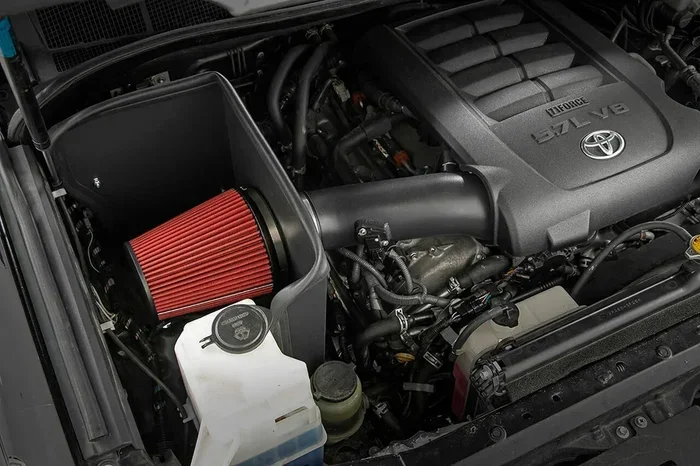
On the 2019 Toyota Tundra, the engine air filter sits in a rectangular box on top of the engine. You will find it near the front of the engine compartment, usually held in place by a metal or plastic clip. Opening the box is straightforward: lift the clip, remove the old filter, and insert the new one. No tools are required for most models, making this a very easy DIY job.
If you are not comfortable working under the hood, you can always visit a quick-lube shop. You might wonder, Does Jiffy Lube Change Engine Air Filters? The answer is yes, and they can handle it for you quickly and affordably.
What Does the Engine Air Filter Do?
The engine air filter’s job is to clean the air that mixes with fuel in the combustion chamber. Clean air allows the engine to burn fuel efficiently, which translates to better engine performance and improved fuel economy. A dirty or clogged engine air filter restricts airflow, causing the engine to work harder. Over time, this can lead to reduced acceleration, rough idling, and even check engine light triggers.
Think of it like breathing through a straw. When the straw is clear, you breathe easily. When it is clogged with dirt, you have to work much harder to get air. Your engine feels the same way.
How Often Should You Replace the Engine Air Filter?
Toyota recommends replacing the engine air filter every 15,000 to 30,000 miles. However, driving conditions can change this interval. If you often drive on dusty roads, through construction zones, or in heavy traffic, you should inspect the filter more frequently. A good rule of thumb is to check it every time you get an oil change.
Here are a few signs that your engine air filter needs replacement:
- Reduced acceleration or sluggish response when pressing the gas pedal.
- Unusual engine sounds, such as coughing or sputtering.
- Dark or dirty appearance of the filter when you remove it.
- A noticeable drop in fuel economy.
Quick Tip: Keep a spare engine air filter in your truck bed. It is a small investment that can save you from being stranded with a dirty filter.
Cabin Air Filter: Location, Function, and Replacement
Where Is the Cabin Air Filter Found?
The cabin air filter on the 2019 Toyota Tundra is typically located behind the glove box or under the dashboard on the passenger side. In some models, you may need to remove the glove box to access it. Once you have access, the filter slides out of a rectangular housing. Replacement is straightforward and usually takes about 10 minutes.
If you are unsure about the exact location, your owner’s manual will have a detailed diagram. You can also search for “Tundra air filter location” in online forums for step-by-step photos from other owners.
How Does the Cabin Air Filter Improve Air Quality?
The cabin air filter, sometimes called a pollen filter or dust filter, cleans the air that enters the cabin through the ventilation system. It traps pollen, dust, mold spores, and even tiny particles from exhaust fumes. This is especially important for drivers with allergies or asthma. A clean cabin air filter ensures that the air inside your Tundra smells fresh and feels clean.
Over time, the cabin filter becomes saturated with trapped particles. When this happens, airflow from the vents weakens, and you may notice a musty or stale odor. In some cases, a heavily clogged cabin filter can even cause foggy windows because the system cannot properly regulate humidity.
Does a Cabin Air Filter Affect Gas Mileage?
You may have heard that a dirty cabin filter can impact efficiency, so you might ask, Does a Cabin Air Filter Affect Gas Mileage? While it primarily affects interior air quality, a clogged cabin filter can slightly reduce airflow to the blower motor, making the system work harder. This can lead to a minor reduction in fuel economy, though the effect is much smaller than a dirty engine air filter. Still, replacing it on schedule is a smart move for overall truck health.
Expert Insight: The cabin air filter is often overlooked, but it plays a big role in your daily driving comfort. Replacing it regularly can prevent unpleasant odors and keep the HVAC system running smoothly.
Signs Your 2019 Toyota Tundra Air Filters Need Changing
Knowing the warning signs of a dirty air filter can save you from more serious repairs. Both the engine and cabin filters show distinct symptoms when they need attention.
For the engine air filter, watch for these signs:
- Reduced acceleration: The truck feels sluggish, especially when climbing hills or towing.
- Unusual engine sounds: You may hear coughing or popping noises during acceleration.
- Check engine light: A restricted air filter can cause the engine to run rich, triggering the light.
- Black smoke from the exhaust: This indicates incomplete combustion due to insufficient airflow.
For the cabin air filter, look out for these signs:
- Weak airflow from the vents, even on high fan speeds.
- A musty, moldy, or dusty smell when the HVAC system is running.
- Increased allergy symptoms inside the cabin, such as sneezing or itchy eyes.
- Foggy windows that do not clear easily with the defroster.
If the maintenance required light comes on, you might wonder, Can I Drive With A Maintenance Required Light On In A Toyota? Often, a dirty air filter can trigger this light, but you can usually drive safely to a service center. The light is a reminder to service your vehicle, not an immediate danger signal.
Common Mistake: Many drivers ignore the maintenance required light and continue driving for thousands of miles. While the truck may still run, ignoring the light can lead to missed service intervals and accelerated wear on components like the air filters.
Replacement Cost: DIY vs. Professional Service
Replacing the air filters on your 2019 Toyota Tundra is one of the most affordable maintenance tasks you can do. The cost depends on whether you do it yourself or pay a professional.
Below is a comparison of the two approaches.
| Aspect | DIY Replacement | Professional Service |
|---|---|---|
| Parts Cost (Both Filters) | $35–$70 | $35–$70 (parts included) |
| Labor Cost | $0 | $40–$80 |
| Total Cost | $35–$70 | $75–$150 |
| Time Required | 20–30 minutes | 30–60 minutes (including wait time) |
| Tools Needed | None (basic hand tools optional) | None (shop provides everything) |
| Convenience | Do it at your own pace | Drop off and pick up |
Quick Tip: Buy a pack of both filters at once and store them in your truck. This way, you always have replacements ready when you reach the mileage interval.
Common Mistake: Using the wrong filter size is a frequent error. Always check your owner’s manual or the part number on the old filter before purchasing a replacement. A filter that is too small will not seal properly, allowing unfiltered air to enter the engine or cabin.
Expert Insight: OEM (Original Equipment Manufacturer) filters are designed specifically for the 2019 Tundra. Aftermarket filters can be a good budget option, but make sure they meet the same filtration standards. Look for filters with a high MERV rating for better particle capture.
Long-Term Maintenance Tips for Your Tundra Air Filters
Taking care of your air filters does not stop at replacement. A few simple habits can extend their life and protect your engine and cabin.
First, inspect your filters regularly. Every time you pop the hood to check your oil, take a moment to look at the engine air filter. Hold it up to a light source. If you cannot see light through it, it is time for a replacement. For the cabin filter, check for visible dirt or debris on the surface.
Second, keep your truck clean. Dust and mud can accumulate around the engine compartment and clog the air filter faster. A quick rinse of the engine bay during car washes can help, but avoid high-pressure sprays directly on the air filter housing.
Third, follow the maintenance schedule in your owner’s manual. Toyota provides a clear service interval chart that includes air filter replacement. Sticking to this schedule ensures your Tundra stays reliable for years. If you are unsure about any step, a trusted mechanic can walk you through the process.
Quick Tip: After replacing the cabin air filter, run the fan on high for a few minutes. This helps clear any dust or debris left in the ductwork and ensures fresh airflow from day one.
Common Mistake: Some owners reuse an old engine air filter by tapping it to remove loose dirt. This does not work for modern paper or synthetic filters. The fine media is damaged by tapping, and you end up with a filter that is less effective than a new one. Always install a fresh filter.
Expert Insight: If you live in an area with high pollen counts or frequent dust storms, consider upgrading to a high-flow air filter for the engine. These filters allow better airflow while still trapping harmful particles. They can slightly improve throttle response and are washable, which saves money over time.
Conclusion
The 2019 Toyota Tundra has two air filters, and both play a vital role in keeping your truck running at its best. The engine air filter protects your engine from dust and debris, while the cabin air filter keeps the air inside your cab clean and fresh. Knowing How Many Air Filters Does a 2019 Toyota Tundra Have is the first step, but understanding their function, location, and replacement schedule is what truly keeps your truck in top shape.
Replacing these filters is easy, affordable, and can be done at home in under 30 minutes. Whether you choose a DIY approach or visit a service center like Jiffy Lube, staying on top of your air filter maintenance will pay off in better engine performance, improved fuel economy, and a more comfortable cabin. Make it a habit to check both filters at every oil change, and you will enjoy a smoother, healthier ride in your Tundra for many miles to come.
Take a few minutes today to locate your filters and inspect them. A small effort now can prevent costly repairs and keep your 2019 Toyota Tundra ready for every adventure.
Frequently Asked Questions
What happens if you do not change the air filter on a 2019 Toyota Tundra?
A dirty engine air filter restricts airflow, causing the engine to run rich and reducing fuel economy. It can also lead to rough idling, reduced acceleration, and eventually trigger the check engine light. A clogged cabin filter will weaken airflow from the vents and cause musty odors inside the truck.
Can you drive a 2019 Toyota Tundra without an engine air filter?
You can drive short distances without an engine air filter, but it is not recommended. Without the filter, dust and debris enter the engine and cause accelerated wear on internal components. Over time, this can lead to expensive repairs and permanent engine damage.
Where is the cabin air filter located on a 2019 Toyota Tundra?
On the 2019 Tundra, the cabin air filter is typically located behind the glove box or under the dashboard on the passenger side. You may need to remove the glove box to access the filter housing. Refer to your owner’s manual for the exact location and removal steps.
How much does it cost to replace both air filters on a 2019 Toyota Tundra?
DIY replacement costs between $35 and $70 for both filters. If you take your truck to a dealer or service center, the total cost including labor typically ranges from $75 to $150. The exact price depends on the filter brand and your location.
Does the 2019 Toyota Tundra have a cabin air filter?
Yes, the 2019 Toyota Tundra comes standard with a cabin air filter. This filter cleans the air that enters the cabin through the HVAC system, trapping pollen, dust, and other airborne particles to keep the interior air fresh.
How often should you replace the cabin air filter on a 2019 Toyota Tundra?
Toyota recommends replacing the cabin air filter every 15,000 to 20,000 miles. If you drive in dusty conditions or notice reduced airflow or musty smells, inspect the filter sooner. Replacing it on schedule ensures optimal cabin air quality and proper HVAC performance.