How Long Do Toyota Windshield Wipers Last on Average
Toyota windshield wipers typically last between 6 to 12 months depending on usage, climate, and blade type. Most Toyota owners should plan to replace their front and rear wiper blades at least once a year. Regular cleaning and proper maintenance can help extend that lifespan significantly.
Toyota windshield wipers play a huge role in keeping you safe on the road. They clear rain, snow, dirt, and debris so you can see clearly through your front and rear windows. Yet many Toyota owners overlook them until their visibility drops. Understanding how long Toyota windshield wipers last can save you money and prevent dangerous driving conditions. In this guide, we break down everything you need to know about wiper lifespan, replacement timing, and maintenance tips.
## Why Windshield Wipers Matter for Toyota Owners
### The Role of Wipers in Safe Driving
Clear vision is the foundation of safe driving. Your Toyota windshield wipers handle the heavy lifting when weather conditions get tough. Whether it is a light drizzle or a heavy downpour, wipers keep your glass clear so you can see the road ahead. Without working wipers, even a short drive can become risky.
Toyota designs its vehicles with reliable wiper systems. The stock wipers that come on new Toyotas are built to perform well. But they are not built to last forever. Over time, the rubber on the blades wears down. This natural wear reduces their effectiveness.
### Toyota’s Stock Wiper Design
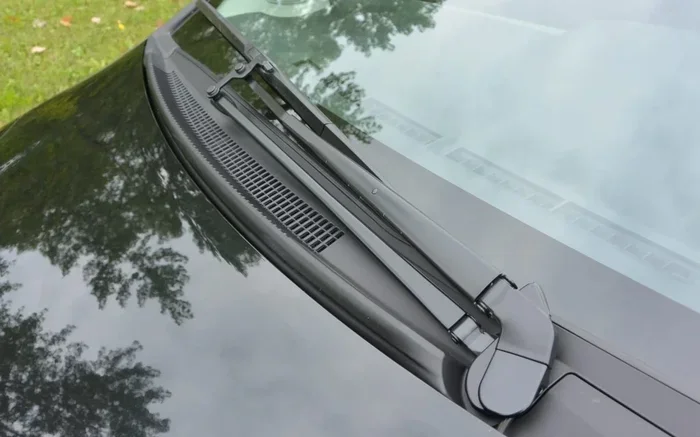
Most Toyota models use conventional or beam-style wiper blades. Conventional wipers use a metal frame with rubber attached. Beam wipers are more modern. They have a sleek design without exposed metal parts. Both types work well for Toyota vehicles. But beam wipers tend to last a bit longer because they resist snow and ice buildup better.
Toyota also uses different wiper sizes for the front and rear. The front wipers are usually larger. The rear wiper is smaller and often works harder than people realize. This difference in size affects how long each blade lasts.
## How Long Do Toyota Windshield Wipers Last on Average
### Front Wiper Blade Lifespan
Front Toyota windshield wipers typically last between 6 and 12 months. The exact lifespan depends on several factors. In ideal conditions with mild weather, they may last closer to 12 months. In harsh climates, they might need replacement in just 4 to 6 months.
Most Toyota experts recommend checking your front wipers every 6 months. This simple habit helps you catch wear early. You do not want to wait until your wipers start leaving streaks across the glass. By then, the rubber has already worn thin.
### Rear Wiper Blade Lifespan
Rear wiper blades often have a shorter lifespan than front wipers. They typically last between 4 and 8 months. The rear wiper works differently. It moves across a smaller, often more curved glass surface. This puts more stress on the rubber edge.
Toyota RAV4 and Highlander owners should pay extra attention to rear wiper condition. These popular models have rear wipers that get heavy use. If you notice the rear wiper is not clearing water well, it is time for a replacement.
## Factors That Affect Wiper Blade Durability
### Climate and Weather Conditions
Where you live has a big impact on how long your Toyota windshield wipers last. Hot, sunny climates dry out the rubber faster. The sun breaks down the blade material over time. In dry desert regions, wipers may crack and split even without much rain use.
Cold climates bring their own challenges. Ice and snow scrape against the rubber each time the wipers run. Freezing temperatures make the rubber stiff and brittle. Over time, this leads to cracks and poor contact with the windshield.
Areas with frequent rain also wear wipers faster. Each swipe removes water but also grinds away tiny particles from the blade edge. Coastal regions add salt air into the mix. Salt accelerates rubber deterioration.
### Wiper Blade Material and Type
Not all wiper blades are created equal. The material used in the rubber compound makes a big difference. Standard rubber blades are affordable but wear faster. Silicone-blade wipers cost a bit more. They last significantly longer and perform better in extreme temperatures.
Beam wipers use a single piece of rubber with no metal frame. This design reduces friction and wear. Many Toyota owners prefer beam wipers for their clean look and durability. They also resist ice buildup better than conventional wipers.
### Usage Frequency and Maintenance
How often you use your wipers affects their lifespan. If you drive daily in rainy conditions, your wipers work harder. They wear out faster than someone who rarely uses them. People who park outdoors also see faster wear. Their wipers face sun, rain, and debris constantly.
Regular cleaning makes a real difference. Simply wiping the rubber edge with a damp cloth removes built-up grime. This prevents early wear and keeps the blades gliding smoothly. Many people also forget that a dirty windshield accelerates wiper wear. Dirt particles act like sandpaper during each swipe.
## Signs Your Toyota Wiper Blades Need Replacement
### Visual Signs of Wear
Inspect your Toyota windshield wipers regularly. Look for cracks, tears, or missing chunks of rubber. These are clear signs the blade is worn out. The rubber should feel flexible and smooth. If it feels hard or brittle, replacement is near.
You may also notice the wiper arm bending or losing its shape. A bent arm does not press the blade evenly against the glass. This causes uneven wear and poor cleaning performance. Check both the blade and the arm during your inspection.
### Performance Warning Signs
Streaking across the windshield is one of the first warning signs. If your wipers leave lines or smears, the rubber is losing its flexibility. Squeaking sounds during operation also signal wear. A healthy wiper should glide silently across the glass.
Chattering or skipping is another red flag. The blade may lift off the glass in certain spots. This happens when the rubber can no longer maintain contact. Water spots and missed areas also indicate it is time for new Toyota windshield wipers.
## How to Extend the Life of Your Toyota Wiper Blades
### Regular Cleaning Routine
Cleaning your wiper blades takes just a few minutes. Use a damp cloth with mild soap. Wipe down the rubber edge gently. This removes dirt, oil, and road grime that builds up over time. Clean blades glide better and wear more evenly.
You should also clean the windshield itself. A clean glass surface reduces friction on the blades. Use a quality glass cleaner for best results. Many car detailers recommend cleaning both the inside and outside of the windshield. This keeps the wiper path smooth and clear.
### Seasonal Wiper Care Tips
Seasonal changes affect your wiper blades. Before winter, inspect both front and rear blades. Cold weather is tough on rubber. If your wipers are already worn, replace them before the first freeze. Fresh blades handle ice and snow much better.
In summer, park in the shade when possible. Direct sun exposure dries out the rubber. A covered parking spot helps preserve blade flexibility. Also, lift the wipers away from the windshield during long hot days. This prevents the rubber from sticking and warping.
## When and How to Replace Toyota Windshield Wipers
### Choosing the Right Replacement Blades
When it is time to replace your Toyota windshield wipers, choose the right size. Check your owner manual for the correct wiper size. Front and rear blades are often different sizes. Using the wrong size leads to poor performance and potential damage.
You can choose OEM Toyota wipers or aftermarket options. OEM wipers are designed specifically for your model. Aftermarket wipers from quality brands work just as well. Look for blades with good rubber ratings and warranty coverage. Silicone blades are a popular upgrade for longer life.
### Step-by-Step Replacement Guide
Replacing Toyota windshield wipers is simple and quick. Follow these steps for a smooth process.
First, lift the wiper arm away from the windshield. Hold it gently to avoid snapping it back. Find the small tab or button on the blade connector. Press it to release the old blade. Slide the old blade off the arm.
Next, take the new blade and align it with the arm connector. Slide it in until you hear a click. The connector should lock securely. Lower the wiper arm back onto the glass gently. Repeat the process for the other blade.
Do the same steps for the rear wiper if needed. The process is similar but may require a slightly different connector. Always test the new wipers by running them with wiper fluid. This confirms they are working correctly.
## Common Mistakes People Make With Wiper Blades
### Waiting Too Long to Replace
One of the biggest mistakes is waiting too long. Many drivers ignore streaking until visibility becomes a real problem. By that point, the rubber is severely worn. Damaged blades can scratch the windshield glass. This leads to costly repairs that could have been avoided.
Set a reminder to check your wiper blades every 6 months. Replace them at the first sign of wear. Proactive replacement keeps your visibility clear and your glass safe.
### Using the Wrong Wiper Fluid
Some people use plain water instead of proper wiper fluid. This is a common mistake. Wiper fluid contains cleaning agents that help the blades glide smoothly. Water leaves mineral deposits that damage the rubber over time. Always use quality washer fluid, especially during rainy seasons.
### Ignoring the Wiper Arms
Wiper arms apply pressure to the blades. If an arm is weak or bent, it causes uneven wear. A damaged arm will wear out a new blade faster. Check the arms when you replace the blades. Replace any arm that does not hold steady pressure.
## Expert Insights on Wiper Replacement
Automotive experts agree that regular wiper replacement is essential maintenance. Most certified Toyota service centers recommend changing wipers annually. This aligns with standard seasonal check-ups. Spring and fall are popular times for replacement.
Experts also emphasize the importance of quality blades. Cheap wipers may save money upfront. But they wear out faster and perform poorly. Investing in good rubber or silicone blades pays off in the long run. Better visibility means safer driving for you and your passengers.
## Key Facts About Toyota Windshield Wiper Replacement
Toyota windshield wipers are a simple but critical safety component. Here are the key facts every owner should know.
- Front wipers last 6 to 12 months on average.
- Rear wipers last 4 to 8 months on average.
- Silicone blades outlast standard rubber by several months.
- Beam wipers resist ice and snow better than conventional wipers.
- Cleaning the rubber edge regularly extends blade life.
- Replacing wipers before winter improves cold-weather visibility.
- Using proper washer fluid protects both blades and glass.
## Final Thoughts
Taking care of your Toyota windshield wipers is one of the easiest maintenance tasks. It takes just a few minutes and makes a big difference. Clear wipers mean clear vision. Clear vision means safer drives in any weather condition. Do not wait until your wipers fail you on a rainy night.
Make it a habit to check your blades every few months. Replace them when you notice any wear. Use quality replacement blades that fit your Toyota model properly. Your windshield and your safety will thank you.
If you want to keep your entire Toyota in top shape, also check out how to clean a car windshield properly. A clean glass surface works hand in hand with fresh wiper blades for the best visibility. Similarly, maintaining other parts of your car, like how long car floor mats last, helps you stay on top of overall vehicle care.
Key Takeaways
- Average Lifespan: Toyota windshield wipers last 6 to 12 months on average before needing replacement.
- Front vs. Rear: Rear wiper blades often wear faster due to exposure and smaller size.
- Climate Matters: Hot sun, heavy rain, and snow all shorten wiper blade life.
- Watch for Signs: Streaking, squeaking, and chattering are clear signals it is time for new blades.
- OEM vs. Aftermarket: Both options work, but quality rubber makes the biggest difference in durability.
- Maintenance Helps: Cleaning your wipers regularly can add months to their lifespan.
Frequently Asked Questions
How often should I replace my Toyota windshield wipers?
Most Toyota owners should replace their windshield wipers every 6 to 12 months. Front wipers typically last longer than rear wipers. If you notice streaking or squeaking, replace them sooner. Regular checks every few months help you catch wear early.
Can I use aftermarket wiper blades on my Toyota?
Yes, aftermarket wiper blades work great on Toyota vehicles. Just make sure you choose the correct size for your model. Quality aftermarket blades from trusted brands perform just as well as OEM wipers. Look for silicone or beam-style options for better durability.
Why do my Toyota windshield wipers leave streaks?
Streaks usually mean the rubber on the wiper blade is worn or dirty. Over time, the rubber loses its flexibility and cannot glide smoothly. Dirt and grime buildup on the blade edge also causes streaking. Cleaning the blades or replacing them usually fixes the problem.
What is the difference between beam and conventional Toyota windshield wipers?
Conventional wipers use a metal frame with rubber attached. Beam wipers have a single piece of rubber with no exposed frame. Beam wipers look cleaner and resist ice buildup better. They also tend to last longer because they experience less friction during use.
How do I clean my Toyota windshield wiper blades?
Use a damp cloth with mild soap to wipe the rubber edge gently. This removes dirt, oil, and road grime that causes early wear. You should also clean the windshield itself for best results. Many owners also find that cleaning the inside of a car windscreen helps improve overall wiper performance.
Do Toyota windshield wipers wear out faster in certain climates?
Yes, climate has a big impact on wiper blade lifespan. Hot sun dries out the rubber and causes cracking. Cold weather makes rubber stiff and brittle. Heavy rain and salty coastal air also accelerate wear. Drivers in extreme climates may need to replace their Toyota windshield wipers more frequently.