How to Install a Front License Plate on a Hyundai Tucson
Installing a front license plate on a Hyundai Tucson is a simple DIY project you can finish in under 30 minutes. You need a few basic tools, a license plate bracket, and this easy-to-follow guide. We cover every step, from gathering materials to final adjustments, so your Tucson looks clean and stays street-legal.
So you just bought a Hyundai Tucson and realized you need to put a front license plate on it. Maybe you moved to a new state that requires one. Or maybe your old car had a different mounting setup and you are starting fresh. Either way, you are in the right place.
This guide walks you through how to install a front license plate on a Hyundai Tucson the right way. We will cover every tool you need, every step of the process, and the mistakes most people make. By the end, you will have a clean, secure mount that looks like it came from the factory.
The good news? You do not need any special skills or expensive equipment. A basic set of tools and about 20 to 30 minutes is all it takes. Let us get started.
Key Takeaways
- You need minimal tools: a socket wrench, screws, and the included mounting bracket.
- Choose the right bracket type: flush mount, bumper slide, or adhesive options all work on the Tucson.
- Avoid common mistakes: over-tightening screws and misalignment are the top errors people make.
- Check local laws: some states require a front plate, while others do not.
- Keep it secure: use rubber washers and thread-locker to prevent rattles and vibration damage.
- DIY saves money: professional installation can cost $50 or more, but you can do it yourself for free.
📑 Table of Contents
Tools and Materials You Will Need
Before you touch anything on your Tucson, gather everything you need. Having all your materials ready saves time and keeps you from running back and forth between the garage and the tool box.
Essential Tools
- Socket wrench set — a 10mm and 12mm socket covers most Tucson models
- Screwdriver set — both Phillips and flathead options
- Rubber mallet — helps tap brackets into place without damaging paint
- Measuring tape — for centering the plate perfectly
- Level — a small bubble level ensures your plate sits straight
- Clean microfiber cloth — for wiping down the mounting area
Materials and Hardware
- Front license plate bracket — most Tucsons use a bumper-mounted bracket
- License plate screws — usually included with the bracket or plate
- Rubber washers — these prevent vibration and rattling
- Thread-locker adhesive — keeps screws from loosening over time
- License plate frame — optional but adds a finished look
If you are not sure which bracket fits your specific Tucson year, check your owner’s manual or look up your model online. Different years may use slightly different mounting points on the Hyundai Tucson front bumper. Taking five minutes to confirm this detail now saves frustration later.
Step-by-Step Installation Guide
Now for the fun part. Follow these steps carefully and your front license plate will be mounted correctly in no time.
Step 1: Clean the Mounting Area
Start by cleaning the area on your front bumper where the bracket will go. Use your microfiber cloth to remove any dirt, dust, or debris. A clean surface ensures the bracket sits flush and does not trap grime underneath.
If your Tucson has a front skid plate or air dam, you may need to remove it first. Most skid plates are held in place by a few bolts. Use your socket wrench to take them off and set them aside safely.
Step 2: Position the Bracket
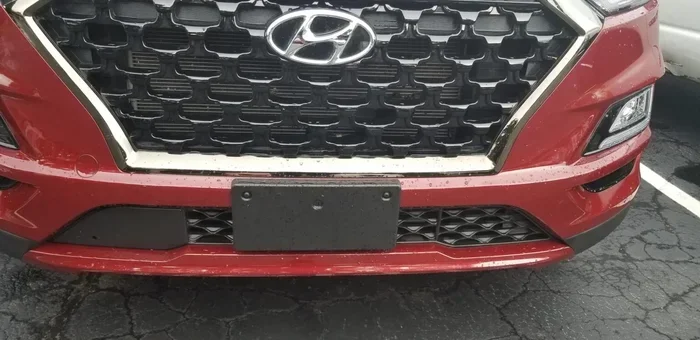
Hold the license plate bracket against the front bumper. Most Hyundai Tucsons have pre-drilled holes or designated mounting points on the lower bumper. Line up the bracket with these holes.
Use your measuring tape to center the bracket horizontally. Then hold your level across the top to make sure it is straight. Take your time with this step. A slightly off-center bracket leads to a crooked plate, which looks terrible and can catch the eye of law enforcement.
Step 3: Mark and Drill (If Needed)
Some Tucson models come with pre-existing holes for the license plate bracket. If yours does, you can skip this step entirely. But if your bumper does not have holes, you will need to drill them yourself.
Use a marker to mark the drill points through the bracket holes. Double-check your measurements before drilling. Start with a small pilot hole and work up to the final size. Always wear safety glasses when drilling.
Pro tip: Place a piece of tape on the drill bit to mark the depth. This prevents you from drilling too deep and damaging anything behind the bumper panel.
Step 4: Mount the Bracket
With the holes ready, slide the bracket into position. Insert the screws or bolts and hand-tighten them first. This lets you make small adjustments if the bracket is not sitting quite right.
Once you are happy with the position, use your socket wrench to tighten the bolts firmly. Do not over-tighten, as this can crack the plastic bumper or strip the threads. Tighten until the bracket feels snug and does not move when you push on it.
Place a rubber washer between the bracket and the bumper surface. This small step makes a big difference in reducing road vibration and noise.
Step 5: Attach the License Plate
Now place your front license plate onto the bracket. Line up the mounting holes on the plate with the bracket holes. Insert the license plate screws and tighten them evenly. Work in a cross pattern — left, right, top, bottom — to distribute pressure evenly.
If you are using a license plate frame, slide it over the plate before tightening the final screws. This keeps the frame from shifting later.
Step 6: Apply Thread-Locker and Final Check
Apply a small drop of thread-locker to each screw. This keeps the bolts from vibrating loose during driving. Let the adhesive set for at least 10 minutes before moving your car.
Give the plate a firm shake. It should feel solid with no wobble. If it rattles or moves, tighten the screws a little more. Then walk around your Tucson and check the plate from every angle. It should look straight, centered, and secure.
Common Mistakes to Avoid
Even simple jobs like this come with pitfalls. Here are the most common mistakes people make when installing a front license plate on their Hyundai Tucson — and how to avoid them.
Skipping the Rubber Washers
This is the number one mistake. Without rubber washers, road vibration transfers directly to the screws and bracket. Over time, this causes rattling noises and can loosen the plate. A few cents worth of rubber washers saves you a lot of headache later.
Over-Tightening the Screws
It is tempting to crank the bolts as tight as possible. But plastic bumper trim cracks easily under too much pressure. Tighten firmly but gently. If the screw feels like it is fighting you, stop and check your alignment.
Ignoring Local Laws
Not every state requires a front license plate. Some states, like Florida and Arizona, only need a rear plate. Others, like Texas and California, require both front and rear. Before you install anything, check your state’s front license plate law to make sure you actually need one.
If you are unsure about your vehicle’s equipment requirements, you might want to research whether you legally need certain accessories on your car. For example, some people wonder if they need specific equipment like wipers or lights. You can check out this article on whether you legally have to have a rear wiper — it covers similar legal equipment questions for vehicles.
Forgetting to Reinstall the Skid Plate
If you removed a front skid plate or air dam to access the mounting points, do not forget to put it back. The skid plate protects your bumper from road debris and damage. Reinstall it using the same bolts you removed earlier.
Using the Wrong Screw Size
License plate screws come in standard sizes, but not all brackets use the same ones. Using the wrong size can strip the threads or fail to hold the plate securely. Always use the screws that come with your bracket or check the manufacturer’s specifications.
Legal Requirements for Front License Plates
Laws about front license plates vary widely across the United States. Understanding these rules before you install anything saves you from potential fines and headaches.
As of now, 31 states require both a front and rear license plate. The remaining 19 states only require a rear plate. If you live in one of the states that requires a front plate, installing one on your Hyundai Tucson is not optional — it is the law.
Some people find front plates ugly on their vehicles. If you are one of them, you are not alone. Many car enthusiasts debate the aesthetics of front plates. But regardless of your opinion, staying compliant with local laws keeps you on the right side of traffic enforcement.
If you are dealing with other vehicle equipment questions or need to understand what is required for your car to pass inspection, knowing your vehicle’s basics helps. For instance, understanding how your car’s systems work — like whether you can drive with certain warning lights on — gives you better confidence as a car owner.
Tips for Keeping Your License Plate Secure
Once your front license plate is installed, a little maintenance goes a long way. Here are some practical tips to keep everything looking great and functioning well.
Check the Plate Monthly
Give your license plate a quick visual check once a month. Look for loose screws, rust, or any signs of the bracket shifting. Catching a loose screw early prevents the plate from falling off on the highway.
Clean the Plate Regularly
Your front license plate takes a beating from road grime, bugs, and weather. Clean it with soap and water every few weeks. This keeps it readable and looking sharp. A clean plate also helps your car pass inspections more easily.
Use Anti-Rust Spray in Harsh Climates
If you live in a coastal area or a place with harsh winters, spray the bracket and screws with anti-rust coating. Salt and moisture cause fast corrosion, which weakens the mounting points over time.
Replace Worn Rubber Washers
Rubber washers degrade over time from exposure to heat and road conditions. Replace them every year or two. Fresh washers keep the plate vibration-free and secure.
Consider a Quick-Release Bracket
If you frequently remove your front plate (for track days or car shows), consider a quick-release bracket. These allow you to detach the plate in seconds without tools. They are especially useful for Tucson owners who live in states without front plate requirements but occasionally visit states that do.
Final Thoughts
Installing a front license plate on your Hyundai Tucson is one of the easiest car maintenance tasks you can do. It requires no special expertise, costs very little, and takes less than half an hour. With the right tools, a quality bracket, and this guide, you will have a clean and secure mount that looks factory-installed.
Remember to check your local laws first, avoid the common mistakes we covered, and take your time with each step. Rushing through the process leads to misalignment and loose screws — both of which create problems down the road.
If you enjoy working on your Tucson yourself, you might also want to learn about other DIY tasks. For instance, knowing how to program a key fob at home saves you a trip to the dealership. Or learning how to manually clear car codes helps you handle minor check-engine-light issues without a mechanic.
Taking care of the small details — like a properly mounted front license plate — shows pride in your vehicle. It also keeps you safe and legal on the road. So grab your tools, follow this guide, and enjoy the satisfaction of a job well done.
Your Hyundai Tucson is a great vehicle. A clean, correctly installed front plate just adds to its overall look. Now go out there and get it done. You have got this.
Frequently Asked Questions
Do I need a front license plate on a Hyundai Tucson?
It depends on your state. 31 states require both front and rear plates, while 19 states only require a rear plate. Check your local Department of Motor Vehicles website to confirm the rules in your area before installing or removing any plates.
What kind of bracket do I need for a Hyundai Tucson front license plate?
Most Hyundai Tucsons use a bumper-mounted bracket that attaches to pre-drilled holes on the front bumper. Flush-mount brackets provide the cleanest look, while bumper-slide brackets are easier to install. Check your specific Tucson year and model for the correct bracket type.
Can I install the front license plate myself, or do I need a professional?
You can absolutely install it yourself. The job requires only basic tools like a socket wrench and screwdriver, and it takes about 20 to 30 minutes. No special skills are needed. Just follow the steps carefully and take your time with alignment.
Will drilling holes damage my Hyundai Tucson bumper?
If your Tucson has pre-existing mounting holes, you do not need to drill at all. If drilling is necessary, use a small pilot hole and a tape mark on your drill bit to control depth. The bumper plastic is durable, but careful drilling prevents any damage.
How do I stop my front license plate from rattling?
Rattling is usually caused by missing rubber washers or loose screws. Add rubber washers between the bracket and bumper, tighten all screws firmly (but not over-tight), and apply thread-locker adhesive. These three steps eliminate almost all license plate rattling.
Is it legal to remove the front license plate when visiting a state that requires one?
No. You must comply with the laws of the state you are driving in, not just your home state. If you visit a state that requires a front plate, you need to have one installed on your vehicle during your stay. Violations can result in fines and citations.