How to Check Coolant Level in a BMW Without Hassle
Checking your BMW coolant level is one of the simplest maintenance tasks you can do at home to protect your engine. This guide walks you through the entire process, from locating the coolant reservoir to reading the level markings correctly. You will learn what type of coolant your BMW needs, how to spot low coolant warning signs, and when to flush the system. Whether you drive a BMW 3 Series, 5 Series, or X5, these steps apply to most BMW models and help you avoid costly overheating repairs.
Checking your BMW coolant level is a quick and essential task that keeps your engine running smoothly. Many BMW owners overlook this simple maintenance step, but it can save you from costly repairs down the road. Your BMW cooling system works hard to keep the engine at the right temperature, and low coolant is one of the most common causes of engine overheating. In this guide, you will learn exactly how to check your BMW coolant level, what to look for, and how to keep your cooling system in top shape.
The process is straightforward, but there are a few important details to keep in mind. BMW vehicles use specific coolant types and have unique reservoir designs that differ from other brands. Understanding these differences helps you avoid mistakes and ensures your BMW maintenance routine is effective. Whether you own a BMW 3 Series, 5 Series, or X5, the steps below apply to most models.
Before you start, make sure your engine is completely cool. Working on a hot engine can lead to burns from pressurized coolant. Gather a clean rag, your BMW owner’s manual, and the correct coolant type for your vehicle. Once you have everything ready, you can move through the steps with confidence.
Key Takeaways
- Always check coolant when the engine is cool: Opening the reservoir or radiator cap on a hot engine can cause serious burns and give inaccurate readings.
- Locate the coolant reservoir under the hood: The BMW coolant expansion tank is usually on the left side of the engine bay near the firewall.
- Use the correct BMW coolant type: BMW specifies specific coolant formulas, and using the wrong one can damage your cooling system over time.
- Watch for warning signs: The temperature gauge, dashboard warning lights, and visible leaks all indicate potential coolant problems that need attention.
- Flush and replace coolant every 2 to 3 years: Old coolant loses its effectiveness and can lead to overheating and expensive engine damage.
- Keep a maintenance log: Tracking your coolant checks and flushes helps you stay ahead of problems and maintain your BMW properly.
📑 Table of Contents
Understanding Your BMW Cooling System
The cooling system in your BMW is designed to regulate engine temperature and prevent overheating. It uses a mixture of coolant and water that circulates through the engine block, hoses, and radiator. A coolant level sensor monitors the fluid level and sends data to your dashboard display.
BMW cooling systems are more advanced than many other vehicles. They use a pressurized expansion tank, also called the coolant reservoir, to hold excess coolant when the engine heats up. As the engine cools down, the fluid contracts and draws back into the system. This cycle keeps the coolant levels stable during normal operation.
How the BMW Cooling System Works
Your BMW engine generates a lot of heat during operation. The cooling system absorbs this heat and transfers it away from the engine. Here is how the main components work together:
- Coolant: A special mixture that absorbs heat from the engine. BMW specifies a particular coolant formula for optimal performance.
- Water pump: Circulates the coolant through the engine block and hoses.
- Radiator: Releases heat from the coolant into the surrounding air.
- Thermostat: Regulates coolant flow based on engine temperature.
- Expansion tank: Holds excess coolant and maintains pressure in the system.
When any of these components fail, your engine can overheat quickly. That is why checking your BMW coolant level regularly is so important. A simple visual check can catch problems before they turn into expensive repairs.
BMW vehicles from the E-series to the latest G-series all share similar cooling system designs. If you are unsure about your specific model, refer to your owner’s manual for the exact coolant capacity BMW specifications. You can also check Can You Run Diagnostics Without a Check Engine Light to learn more about using your BMW’s onboard diagnostics to monitor cooling system health.
BMW Coolant Reservoir: Where to Find It
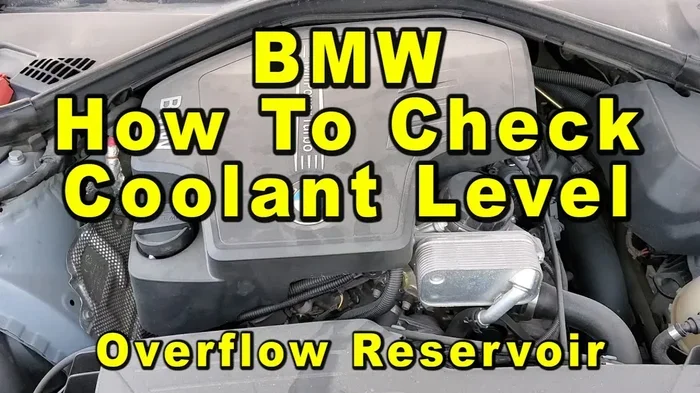
The coolant reservoir in a BMW is typically located in the engine bay, on the left side when facing the engine. It is a translucent plastic tank with minimum and maximum level markings on the side. The tank is connected to the radiator and engine block through coolant hoses.
BMW models vary slightly in reservoir placement. In most BMW 3 Series and 5 Series vehicles, you will find the reservoir near the back of the engine bay, close to the firewall. In BMW X models and SUVs, the reservoir may be positioned slightly differently due to the engine layout and available space under the hood.
Identifying the Coolant Reservoir in Your BMW
Finding the reservoir is easy once you know what to look for. Here are some tips:
- Look for a white or translucent tank: It usually has a cap with a warning symbol or BMW logo on top.
- Check for MIN and MAX lines: These markings indicate the safe operating range for your coolant level.
- Feel for nearby hoses: The reservoir connects to rubber coolant hoses that run to the radiator and engine block.
- Refer to your BMW owner’s manual: The manual includes a diagram showing the exact location for your specific model.
Never open the reservoir cap while the engine is running or hot. The system is pressurized, and opening it can cause hot coolant to spray out. Always wait for the engine to cool completely before checking the level.
If you are having trouble locating the reservoir, pop the hood and look for the expansion tank. It is usually a smaller tank compared to the radiator and has a screw-on or twist-cap lid. If you are unsure, a quick search for your specific BMW model online or in the manual will point you in the right direction.
Step-by-Step: How to Check Coolant Level in a BMW
Now that you know where the reservoir is, let us walk through the actual process of checking your coolant level. This simple procedure takes just a few minutes and requires no special tools.
Step 1: Park on a Level Surface and Let the Engine Cool
Start by parking your BMW on a flat, level surface. Turn off the engine and wait at least 30 minutes for the engine to cool down completely. Checking the coolant on a hot engine is dangerous and can give you inaccurate readings because the fluid expands when heated. A cold engine gives you the most accurate baseline reading.
Step 2: Open the Hood and Locate the Reservoir
Pull the hood release lever inside your BMW, usually located under the dashboard on the driver’s side. Secure the hood with the prop rod. Walk to the engine bay and find the coolant expansion tank. It should be easy to spot because of its translucent body and clearly marked level lines.
Step 3: Remove the Reservoir Cap Carefully
Before removing the cap, place a clean rag over it to protect your hand from any residual pressure. Twist the cap counterclockwise to loosen it. If you hear a hissing sound, stop and wait a few more minutes. The hissing means there is still pressure in the system and it is not safe to open yet.
Step 4: Check the Coolant Level Against the Markings
Look inside the reservoir and find the coolant level. It should sit between the MIN and MAX markings. If the level is below the MIN line, you need to add more coolant. If it is at or near the MAX line, your levels are good and you can move on.
BMW recommends checking the coolant level when the engine is cold for the most accurate reading. A cold reading gives you the true baseline level before the system pressurizes and heats up during operation.
Step 5: Add Coolant if Needed
If your coolant level is low, carefully pour the correct BMW-approved coolant into the reservoir. Fill it slowly until the level reaches the MAX line. Do not overfill, as excess coolant can leak out when the engine heats up and the fluid expands inside the system.
Always use the coolant type specified in your BMW owner’s manual. BMW typically specifies a silicate-free coolant, often identified by its distinctive blue or green color. Using the wrong coolant can cause corrosion and damage to the cooling system components over time.
Step 6: Replace the Cap and Check for Leaks
Once you have the correct level, twist the cap back on securely. Wipe any spilled coolant from the engine bay with a clean rag. Start the engine and let it run for a few minutes. Watch the reservoir for any signs of leaking or bubbling, which could indicate a coolant leak in the system.
After the engine reaches normal operating temperature, recheck the coolant level. The level may rise slightly as the fluid expands with heat. This is completely normal. If the level drops significantly or you notice a puddle under your car, you should investigate further.
For more information about handling warning lights related to your cooling system, you can read Can a Check Engine Light Go Off By Itself to understand when coolant-related warnings may resolve on their own.
Common BMW Coolant Problems and Warning Signs
Even with regular maintenance, BMW cooling systems can develop problems over time. Recognizing the warning signs early can prevent major engine damage and costly repairs. Here are the most common coolant-related issues BMW owners face.
Low Coolant Warning Light
Most modern BMWs have a coolant warning light on the dashboard. When this light illuminates, it means the BMW coolant level has dropped below the safe threshold. Do not ignore this warning. Pull over safely and check your coolant level as soon as possible.
If the light comes on and you find the coolant level is low, do not just top it off and ignore the problem. Low coolant usually indicates a leak somewhere in the system. Common leak points include the radiator hoses, water pump, thermostat housing, and the reservoir itself. Addressing leaks early prevents them from becoming larger and more expensive to repair.
Overheating Engine
An overheating engine is one of the most serious symptoms of a cooling system problem. If your temperature gauge rises into the red zone, pull over immediately and turn off the engine. Driving with an overheating engine can cause warped cylinder heads, blown head gaskets, and catastrophic engine failure.
Common causes of overheating include low coolant, a faulty thermostat, a failing water pump, or a clogged radiator. If your BMW overheats, do not attempt to drive it any further. Call for a tow and have a BMW specialist inspect the vehicle as soon as possible.
Coolant Leaks Under the Car
Seeing a puddle of colored fluid under your BMW is a clear sign of a coolant leak. BMW coolant is typically blue, green, or pink depending on the type. If you notice a sweet smell, a slippery texture, or colored drips under your parked car, have the cooling system inspected right away.
Small leaks can quickly become big problems if left unattended. A leaking coolant hose or a cracked reservoir can cause the coolant level to drop gradually, leading to overheating over time. Catching a small leak early saves you from a much bigger repair bill later.
Steam or Smoke from the Engine Bay
Visible steam or smoke coming from under the hood is a serious sign. This usually means the coolant has reached a boiling point, either because the level is too low or because the system is not pressurizing correctly. If you see steam, pull over safely, turn off the engine, and let it cool before opening the hood.
If you have cleared any error codes from your BMW dashboard after addressing a coolant issue, you may want to learn How Do I Manually Clear My Car Codes to reset the warning indicators and ensure your diagnostics are current and accurate.
When to Flush and Replace BMW Coolant
Coolant does not last forever. Over time, it breaks down and loses its ability to protect your engine from overheating and corrosion. BMW recommends flushing and replacing the coolant at regular intervals to keep the cooling system functioning properly.
BMW Coolant Replacement Schedule
Most BMW models require a coolant flush every 2 to 3 years, or approximately every 30,000 to 50,000 miles. However, the exact interval depends on your specific model, driving conditions, and the type of coolant you use. Always check your owner’s manual for the manufacturer’s recommended schedule.
Here is a general timeline for BMW coolant maintenance:
- Every 2 years: Full coolant flush and replacement for most BMW models.
- Every 30,000 miles: Inspect the cooling system and test the coolant mixture ratio.
- Every 50,000 miles: Complete flush and refill with fresh BMW-approved coolant.
How to Flush BMW Coolant
Flushing the cooling system involves draining the old coolant, rinsing the system with distilled water, and refilling with fresh coolant. Here is a simplified overview of the process:
- Let the engine cool completely before starting any work.
- Place a drain pan under the radiator drain plug.
- Open the drain plug and allow the old coolant to flow out completely.
- Close the drain plug and fill the system with distilled water.
- Run the engine for 10 to 15 minutes to circulate the water through the system.
- Let the engine cool, then drain the water completely.
- Repeat the rinse process if the water is still discolored.
- Fill the system with the correct BMW coolant mixture.
- Bleed the cooling system to remove any air pockets.
- Check the coolant level after the engine reaches operating temperature.
If you are not comfortable performing a flush yourself, a BMW dealership or certified independent mechanic can handle the job quickly and correctly. They have the proper equipment to flush the system thoroughly and ensure no air pockets remain, which can cause overheating issues.
Expert Tips for BMW Coolant Maintenance
Taking care of your BMW cooling system goes beyond just checking the level. Here are some expert tips to keep your engine running cool and your BMW in excellent condition.
Always Use BMW-Approved Coolant
BMW specifies a particular coolant formulation for each model and engine type. Using aftermarket or generic coolant can cause compatibility issues with the cooling system seals, hoses, and internal components. Check your owner’s manual or ask your BMW dealer for the exact coolant part number for your vehicle.
The coolant mixture ratio is also important. BMW typically recommends a 50/50 mix of coolant and distilled water. This ratio provides optimal freeze protection and heat transfer. In extremely cold climates, you may need a 60/40 mix, but never exceed a 70/30 ratio, as it can reduce cooling efficiency and cause problems in hot weather.
Inspect Coolant Hoses Regularly
The rubber hoses in your BMW cooling system can crack, swell, or develop leaks over time. During your regular hood checks, visually inspect all coolant hoses for signs of wear, brittleness, or soft spots. Replace any hoses that show damage before they fail and cause a sudden coolant loss while driving.
Monitor Your Temperature Gauge
Your BMW temperature gauge is one of the most important tools for monitoring engine health. Get into the habit of glancing at the gauge during every drive. If you notice the temperature climbing higher than normal, pull over and investigate. Catching an overheating issue early can save you thousands in repair costs.
If you ever notice the temperature gauge behaving strangely, you can check whether the issue might resolve on its own by reading about Can a Check Engine Light Turn Off on Its Own for general guidance on intermittent warning lights.
Keep Records of Your Coolant Maintenance
Tracking your coolant flushes, checks, and any repairs helps you stay on top of your BMW maintenance schedule. Keep a log in your phone or a notebook with the date, mileage, and type of coolant used. This record-keeping makes it easier to spot patterns and catch potential problems before they escalate into serious issues.
Know When to Seek Professional Help
While checking the coolant level is a simple DIY task, some cooling system issues require professional attention. If you notice persistent low coolant levels, complex leaks, or recurring overheating, take your BMW to a certified technician. A professional can perform a thorough inspection, pressure test the cooling system, and identify hidden issues that are not visible to the naked eye.
Regular BMW maintenance at a qualified shop ensures your cooling system stays in peak condition. A professional can also test the coolant’s pH level and freeze point to confirm it is still providing adequate protection against freezing and boiling.
Conclusion
Checking your BMW coolant level is one of the easiest and most important things you can do as a BMW owner. It takes just a few minutes, requires no special tools, and can prevent serious engine damage from overheating. By following the steps in this guide, you can confidently check your coolant reservoir, top off the fluid when needed, and spot warning signs before they become major problems.
Remember to always use the correct BMW-approved coolant, check the level when the engine is cool, and stick to the recommended flush schedule. Your BMW cooling system works hard every time you turn the key, and a little regular care goes a long way in keeping it running strong for years to come.
Stay proactive with your BMW maintenance, and your engine will thank you with reliable performance mile after mile. Keep this guide handy for your next under-hood check, and you will always know exactly where your coolant level stands.
Frequently Asked Questions
How often should I check my BMW coolant level?
You should check your BMW coolant level at least once a month and before any long road trips. Regular checks help you catch slow leaks early and ensure your engine stays properly cooled. Make it a habit to inspect the reservoir when you check your oil or tire pressure.
Can I use any coolant in my BMW?
No, you should always use the coolant type specified in your BMW owner’s manual. BMW specifies particular coolant formulations that are compatible with the cooling system materials. Using the wrong coolant can cause corrosion, leaks, and damage to internal components over time.
What happens if I drive with low coolant?
Driving with low coolant can cause your engine to overheat, which may lead to warped cylinder heads, blown head gaskets, or complete engine failure. If you notice the coolant level is low, top it off immediately and investigate for leaks. Never ignore a low coolant warning.
How do I know if my BMW coolant needs to be flushed?
Signs that your BMW coolant needs flushing include a change in color, a sludgy texture, or a sweet smell coming from the engine bay. BMW generally recommends a flush every 2 to 3 years. If you are unsure, a BMW mechanic can test the coolant’s pH and freeze point to determine its condition.
Is it safe to add coolant while the engine is warm?
No, it is not safe to add coolant to a warm or running engine. The system is pressurized, and opening the reservoir or radiator cap can cause hot coolant to spray out and cause burns. Always wait for the engine to cool completely before adding or checking coolant.
Can a coolant leak cause my BMW to overheat?
Yes, even a small coolant leak can cause your BMW to overheat if the fluid level drops low enough to expose the engine components to excessive heat. Leaks can occur in hoses, the radiator, water pump, or reservoir. If you notice a puddle under your car or a dropping coolant level, have the system inspected immediately.