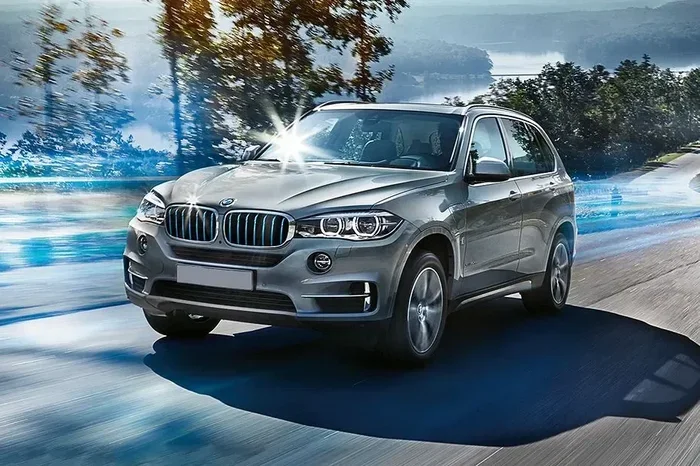
How Much Does a BMW X5 Weigh and What You Need to Know
The BMW X5 weighs between 4,300 and 4,900 pounds depending on the model year and trim level. Understanding your BMW X5 weight matters for towing, fuel economy, and overall performance. This guide breaks down every weight specification you need to know before buying, towing, or maintaining your X5.
So, how much does a BMW X5 weigh? It sounds like a simple question, but the answer depends on several factors. The year, the trim level, the engine type, and even the options you add all play a role. Whether you are planning to tow a trailer, check your payload limits, or just want to understand your vehicle better, knowing the weight of your BMW X5 is essential.
In this guide, we will walk through every weight specification for the BMW X5. We will cover curb weight, gross vehicle weight rating, towing capacity, and more. By the end, you will have a clear picture of what your BMW X5 weighs and why it matters for your daily driving and adventures.
Key Takeaways
- BMW X5 curb weight ranges from 4,300 to 4,900 lbs depending on the engine and trim level you choose.
- The heaviest X5 models exceed 5,000 pounds when fully loaded with options and equipment.
- Knowing your vehicle weight helps with towing safety and staying within legal limits.
- BMW X5 weight affects fuel economy, so heavier trims will use more gas at the pump.
- Always check your owner manual for the exact weight of your specific BMW X5 configuration.
- Payload capacity matters more than curb weight when planning to haul cargo or passengers.
📑 Table of Contents
Understanding BMW X5 Weight Basics
Before we dive into specific numbers, let us talk about what “weight” actually means when it comes to your BMW X5. There are several different weight measurements, and each one tells you something different about your vehicle.
Curb Weight
BMW X5 curb weight is the weight of the vehicle with a full tank of fuel but no passengers or cargo. This is the most commonly cited weight figure. For the current generation BMW X5, curb weight typically falls between 4,300 and 4,700 pounds. The exact number depends on whether you have the inline-six or the V8 engine.
Think of curb weight as the baseline. It is what your BMW X5 weighs when it is ready to drive but empty inside. This number matters because it sets the foundation for everything else, including towing capacity and payload limits.
Gross Vehicle Weight Rating (GVWR)
GVWR is the maximum total weight your BMW X5 can safely handle. This includes the curb weight plus passengers, cargo, and any trailer tongue weight. For most BMW X5 models, the GVWR sits around 6,000 to 6,300 pounds. Going over this limit can strain your brakes, suspension, and engine.
If you are unsure whether your vehicle can handle a certain load, check out this guide on how to know how much weight your car can hold. It covers the basics of payload and GVWR in simple terms.
Payload Capacity
Payload capacity is the difference between your GVWR and your curb weight. This is the actual weight you can safely add to your BMW X5 with passengers and cargo. For the X5, payload capacity typically ranges from 1,300 to 1,700 pounds. That is enough for four adults and a decent amount of luggage.
BMW X5 Weight by Model Year and Generation
The BMW X5 has gone through several generations, and each one brought changes to the weight. Let us break it down by generation so you can find the right numbers for your specific vehicle.
First Generation (E53, 1999-2006)
The original BMW X5 was lighter than today’s models. The E53 weighed around 4,300 to 4,500 pounds depending on the engine. The inline-six models came in at the lower end, while the V8 versions tipped the scales higher. These early X5s set the standard for the luxury SUV segment.
Second Generation (E70, 2007-2013)
The E70 generation added more features and a bit more weight. Curb weight for these models ranged from 4,400 to 4,800 pounds. The introduction of xDrive all-wheel drive added some weight compared to rear-wheel-drive-only configurations.
Third Generation (F15, 2014-2018)
The F15 BMW X5 saw a significant increase in size and weight. With more standard features and a larger body, curb weight climbed to around 4,500 to 4,900 pounds. The xDrive50i with the V8 engine was among the heaviest variants of this generation.
Fourth Generation (G05, 2019-Present)
The current G05 generation BMW X5 is the heaviest yet. With modern safety features, larger screens, and more sound insulation, curb weight starts around 4,600 pounds for the xDrive40i and goes up to around 5,000 pounds for the xDrive50i and M50i trims. The M50i, with its twin-turbo V8, is the heaviest production X5 you can buy.
| Generation | Years | Curb Weight Range | Heaviest Trim |
|---|---|---|---|
| E53 | 1999-2006 | 4,300 – 4,500 lbs | V8 models |
| E70 | 2007-2013 | 4,400 – 4,800 lbs | xDrive50i |
| F15 | 2014-2018 | 4,500 – 4,900 lbs | xDrive50i |
| G05 | 2019-Present | 4,600 – 5,000 lbs | M50i |
BMW X5 Towing Capacity and Weight Limits
One of the most common reasons people ask about BMW X5 weight is towing. After all, if you plan to haul a trailer, boat, or camper, you need to know what your vehicle can safely handle.
Towing Capacity by Engine
The towing capacity of a BMW X5 depends largely on the engine and drivetrain. Here is a general breakdown:
- xDrive40i (inline-six): Up to 6,200 pounds towing capacity
- xDrive45e (plug-in hybrid): Up to 6,200 pounds towing capacity
- xDrive50i (V8): Up to 7,200 pounds towing capacity
- M50i (twin-turbo V8): Up to 7,200 pounds towing capacity
These numbers assume the proper towing package is installed. Without the tow package, the capacity drops significantly. Always confirm your specific model’s towing capacity with your dealer or owner manual.
Why Weight Matters for Towing
Exceeding your BMW X5 weight limits when towing is dangerous. Too much weight on the hitch can cause swaying, reduced braking performance, and strain on the transmission. It also affects the handling of your vehicle, making it harder to steer and stop in emergency situations.
If you are considering towing with your X5, it helps to understand how other SUVs compare. For example, you might wonder if a RAV4 can pull a trailer or check out what a Subaru Forester can tow for comparison. These smaller SUVs have much lower towing capacities than the X5, which is one reason the X5 remains a popular choice for hauling.
How BMW X5 Weight Affects Performance
Weight is not just a number on a spec sheet. It directly impacts how your BMW X5 drives, feels, and performs every day.
Fuel Economy
Heavier vehicles use more fuel. A BMW X5 xDrive40i, which weighs around 4,600 pounds, gets better fuel economy than the xDrive50i, which weighs closer to 5,000 pounds. The difference can be noticeable at the pump, especially if you drive a lot of highway miles.
Here are some general fuel economy figures for reference:
- xDrive40i: Around 21 mpg city / 26 mpg highway
- xDrive45e: Around 50 MPGe combined (plug-in hybrid)
- xDrive50i: Around 16 mpg city / 22 mpg highway
- M50i: Around 15 mpg city / 21 mpg highway
As you can see, the weight difference between the inline-six and V8 models translates directly into fuel economy differences.
Acceleration and Handling
A lighter BMW X5 will generally accelerate faster and handle more responsively. The xDrive40i feels nimbler than the xDrive50i, partly because of the weight difference. If sporty performance matters to you, keep the weight in mind when choosing your trim.
Braking Distance
More weight means more momentum. A heavier BMW X5 needs more distance to come to a complete stop. The braking system is engineered for the vehicle’s weight class, but it is still worth being aware of this factor, especially in emergency situations or when driving in wet conditions.
BMW X5 Weight and Cargo Space
Another reason people care about BMW X5 weight is cargo capacity. The X5 offers generous cargo space, but there are limits to how much you can safely carry.
Maximum Cargo Weight
The cargo area behind the rear seats can typically hold around 800 to 1,000 pounds of cargo, depending on the model. With the rear seats folded down, the volume increases significantly, but the weight limit stays the same. Overloading the cargo area can affect the vehicle’s center of gravity and handling.
Roof Load Considerations
If you use a roof rack, remember that the weight up high affects your vehicle’s stability. Most BMW X5 models have a roof load capacity of around 150 to 200 pounds. Always distribute weight evenly and secure your load properly to avoid any issues while driving.
Common Mistakes People Make with BMW X5 Weight
There are a few common mistakes that BMW X5 owners make when it comes to understanding and managing their vehicle weight. Avoiding these pitfalls can keep you safe and save you money.
Ignoring the Owner Manual
Your owner manual contains the exact weight specifications for your specific BMW X5 configuration. Guessing or relying on generic numbers online can lead to mistakes, especially when towing or hauling heavy loads.
Overloading the Vehicle
It is tempting to fill up every inch of cargo space, but exceeding the payload capacity puts extra stress on your brakes, suspension, and tires. Over time, this can lead to premature wear and costly repairs.
Forgetting About Tongue Weight
When towing a trailer, the tongue weight (the downward force the trailer puts on the hitch) counts toward your BMW X5 weight limits. A common rule of thumb is that tongue weight should be about 10 to 15 percent of the total trailer weight.
Not Accounting for Aftermarket Additions
Aftermarket accessories like larger wheels, roof racks, and upgraded bumpers add weight. If you have added several accessories to your X5, your actual curb weight may be higher than the stock figure. Keep this in mind when calculating your payload and towing capacity.
Expert Tips for Managing BMW X5 Weight
Want to get the most out of your BMW X5 while staying within safe weight limits? Here are some expert tips that really help.
Weigh Your Vehicle Regularly
You can find public weigh stations or visit a local truck stop to weigh your BMW X5 fully loaded. This gives you a real-world number that you can compare to your GVWR. It is especially useful before a long road trip with a full load of passengers and gear.
Pack Smart
Distribute weight evenly between the front and rear of the vehicle. Place heavier items low and centered, and avoid putting too much weight on one side. This improves handling and keeps your BMW X5 driving balanced.
Check Your Tire Pressure
Proper tire pressure is critical when carrying heavy loads. Underinflated tires can overheat and fail, especially when the vehicle is near its weight limits. Check your tire pressure at least once a month and before any long trips.
Use the Right Hitch Equipment
If you tow regularly, invest in a quality hitch that is rated for your BMW X5 towing capacity. A proper hitch distributes the trailer weight correctly and helps maintain stability on the road. You can also compare towing capabilities across different SUVs, like checking whether a Toyota Tacoma can pull a 30-foot camper to see how the X5 stacks up in the towing world.
Conclusion
So, how much does a BMW X5 weigh? The answer is anywhere from 4,300 to 5,000 pounds depending on the generation, engine, and trim level. Understanding your BMW X5 weight is not just about knowing a number. It is about making informed decisions for towing, cargo loading, and daily driving safety.
Whether you own a light xDrive40i or a heavy M50i, knowing the weight specifications helps you stay within safe limits and get the best performance from your vehicle. Always refer to your owner manual for the exact numbers on your specific configuration, and remember that every pound of extra cargo or passengers counts toward your total capacity.
Take the time to understand your BMW X5 weight, and you will enjoy a safer, more efficient driving experience for years to come.
Frequently Asked Questions
What is the curb weight of a 2024 BMW X5?
The 2024 BMW X5 curb weight starts at around 4,600 pounds for the xDrive40i and goes up to approximately 5,000 pounds for the M50i. The exact weight depends on your chosen engine, drivetrain, and factory options.
Can I tow a travel trailer with a BMW X5?
Yes, most BMW X5 models can tow between 6,200 and 7,200 pounds depending on the engine and towing package. The xDrive50i and M50i models with the towing package offer the highest towing capacities in the X5 lineup.
Does the BMW X5 weight affect fuel economy?
Absolutely. Heavier BMW X5 models like the xDrive50i and M50i use more fuel than lighter trims like the xDrive40i. The weight difference can result in a 4 to 5 mpg gap in highway fuel economy between the lightest and heaviest trims.
How do I find the exact weight of my BMW X5?
Check your owner manual or look for the sticker on the driver side door jamb. This sticker lists your specific vehicle’s curb weight, GVWR, and payload capacity. You can also ask your BMW dealer for the exact specifications of your model.
What happens if I exceed the BMW X5 weight limit?
Exceeding the weight limit strains your brakes, suspension, and engine. It also increases stopping distances and can cause handling problems. Over time, this leads to premature wear on critical components and can void your warranty in some cases.
How does the BMW X5 weight compare to other luxury SUVs?
The BMW X5 is in the mid-to-heavy range for luxury SUVs. It weighs more than a Mercedes GLE but less than a Range Rover. Compared to non-luxury SUVs like the Toyota Highlander, the X5 is noticeably heavier due to its larger body and premium features.