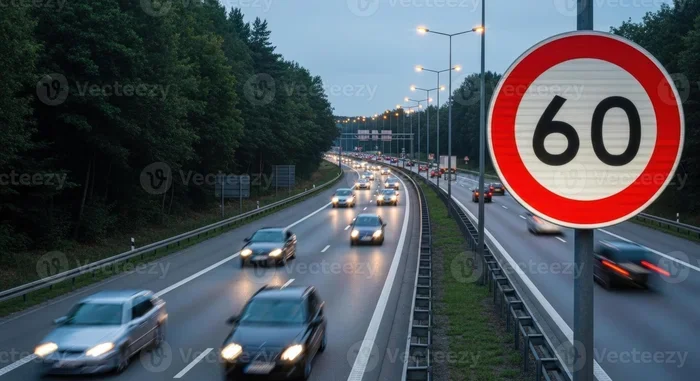
A Motor Car Moving at a Speed of 72km H Explained Simply
A motor car moving at a speed of 72km h is a common real-world driving scenario that affects safety, fuel use, and travel time. This speed equals about 20 meters per second and is typical on urban highways and suburban roads. Understanding what 72 km/h means helps drivers make smarter decisions on the road. We break down the physics, safety tips, and practical insights so you can drive with confidence and awareness.
Have you ever wondered what really happens when a motor car moves at a speed of 72km h? It sounds like a simple number. But behind that figure lies a lot of interesting science, safety facts, and practical driving insights. Whether you are a new driver or someone who has been behind the wheel for years, understanding this speed can change how you drive.
Speed is not just about getting from point A to point B faster. It affects your fuel bill, your safety, and even how your car handles the road. A motor car moving at a speed of 72km h is a speed many of us experience daily. It is the typical limit on suburban roads, urban highways, and residential zones in many countries. So let us dig into what this speed really means and why it matters.
In this article, we will explore everything related to driving at 72 km/h. We will look at the physics behind it, how it impacts safety, what it does to your fuel economy, and tips to drive smarter at this common speed. By the end, you will see 72 km/h in a whole new light.
Key Takeaways
- 72 km/h is a practical everyday speed: It is a common speed limit on many roads and highways worldwide.
- Speed affects safety significantly: Braking distance increases as speed rises, making awareness critical.
- Fuel efficiency has a sweet spot: Most cars run best at moderate speeds like 72 km/h.
- Speed conversion is useful: Knowing how 72 km/h compares to mph helps international drivers.
- Vehicle dynamics change with speed: Handling, stability, and tire wear all depend on how fast you go.
- Small speed adjustments matter: Even a few km/h can change travel time and safety outcomes.
📑 Table of Contents
What Does 72 km/h Actually Mean?
Breaking Down the Speed
Let us start with the basics. When a motor car moves at a speed of 72km h, it covers 72 kilometers in one hour. That might not sound fast, but it adds up quickly. In meters per second, 72 km/h equals 20 m/s. That means your car travels 20 meters every single second.
To put that in perspective, imagine crossing a football field. You would do it in about one second at this speed. Now think about how much can happen in one second on the road. A pedestrian steps out. A car brakes ahead. A ball rolls into the street. These moments happen fast, and 72 km/h is fast enough to make reaction time critical.
How 72 km/h Compares to Other Speeds
Speed limits vary around the world. But 72 km/h sits in a very common range. Here is how it compares to other familiar speeds:
- 30 km/h: Typical residential zone speed limit.
- 50 km/h: Common urban street limit.
- 72 km/h: Often found on suburban roads and light highways.
- 100 km/h: Standard highway speed in many countries.
- 120 km/h: Common motorway limit in Europe and elsewhere.
As you can see, 72 km/h is right in the middle of the everyday driving range. It is not slow, but it is not dangerously fast either. It is the kind of speed where drivers sometimes feel comfortable and let their guard down. That is exactly why understanding it matters so much.
Converting 72 km/h to Miles per Hour
If you are used to miles per hour, 72 km/h is roughly 45 mph. This conversion helps drivers who travel internationally or use both systems. Many cars sold today have speedometers that display both units. Knowing the rough equivalent makes it easier to gauge your pace intuitively.
The Physics Behind a Motor Car at 72 km/h
Kinetic Energy and Speed
Here is where things get interesting. Kinetic energy increases with the square of speed. That means doubling your speed quadruples the energy your car carries. At 72 km/h, your motor car has a significant amount of kinetic energy. This energy is what your brakes must overcome to bring the car to a stop.
The formula for kinetic energy is one-half mass times velocity squared. Without getting too technical, the key takeaway is this: the faster you go, the more energy your car has, and the harder it is to stop. At 72 km/h, stopping distances are already considerable. They become much worse at higher speeds.
Braking Distance at 72 km/h
On a dry road, a typical car traveling at 72 km/h needs about 40 to 50 meters to stop fully. That is roughly the length of a small building. Add rain, worn tires, or distracted driving, and that distance grows fast. This is why maintaining a safe following distance at 72 km/h is so important.
Here is a quick look at how conditions affect braking:
- Dry road, good tires: 40 to 50 meters.
- Wet road: 60 to 80 meters.
- Ice or snow: 100 meters or more.
- Worn brakes or tires: Significantly longer distances.
Reaction Time and Total Stopping Distance
Braking distance is only part of the story. You also need to account for reaction time. The average driver takes about 1.5 seconds to react. At 72 km/h, your car travels about 30 meters during that reaction time alone. So your total stopping distance is actually around 70 to 80 meters on a dry road.
This is a powerful reminder that speed affects not just your car but everything around it. A motor car moving at a speed of 72km h covers a lot of ground in a very short time.
Safety Considerations at 72 km/h
Why Speed Awareness Matters
Many drivers treat 72 km/h as a routine number. They set cruise control or tune the radio and forget about the speed. But awareness is the foundation of safe driving. When you understand what 72 km/h means in real terms, you drive more carefully and confidently.
Speed limits are not random numbers. They are set based on road design, traffic patterns, pedestrian activity, and crash data. A 72 km/h zone usually has moderate traffic flow, some intersections, and possibly pedestrians or cyclists nearby. Respecting that limit keeps everyone safer.
Common Risks at This Speed
Driving at 72 km/h comes with specific risks that every driver should know about:
- Overconfidence: The speed feels manageable, so drivers get complacent.
- Distraction: At this speed, it is easy to glance at a phone or adjust the radio.
- Following too closely: Many drivers do not leave enough space at 72 km/h.
- Speed creep: Drivers gradually go faster without noticing, especially on familiar roads.
- Poor visibility: At 72 km/h, you need clear sight lines to react in time.
Tips to Stay Safe at 72 km/h
Staying safe at this common speed is easier than you think. Try these practical tips:
- Keep a 3-second following distance: Pick a fixed object and count when the car ahead passes it.
- Scan ahead constantly: Look 200 to 300 meters down the road for hazards.
- Minimize distractions: Put your phone away and pre-set your GPS before driving.
- Check your speedometer regularly: Do not rely on feel alone.
- Adjust for weather: Reduce speed in rain, fog, or icy conditions.
- Use your mirrors: Check mirrors every 5 to 8 seconds to stay aware of surroundings.
Fuel Efficiency and 72 km/h
Why 72 km/h Is a Fuel-Sweet Spot
Here is something many drivers do not realize. A motor car moving at a speed of 72km h often hits a fuel efficiency sweet spot. Most vehicles are designed to run most efficiently at moderate highway speeds. Around 60 to 80 km/h, engines operate in their optimal power band. This means less fuel burned per kilometer.
At lower speeds, engines lug and waste fuel. At higher speeds, aerodynamic drag increases dramatically. Drag force grows with the square of speed. So at 120 km/h, your car faces four times the drag it does at 60 km/h. That is why 72 km/h is often the goldilocks zone for fuel economy.
How Much Fuel Does 72 km/h Save?
The exact savings depend on your vehicle, but here are some general guidelines:
- City driving at 30 to 50 km/h: Lower fuel economy due to stop-and-go traffic.
- Steady 72 km/h on a highway: Often the best fuel economy for most cars.
- 100 km/h and above: Fuel consumption rises noticeably due to increased drag.
If you want to save money at the pump, maintaining a steady 72 km/h on suitable roads is one of the simplest strategies. Use cruise control when possible, keep your tires properly inflated, and avoid rapid acceleration.
Engine Load and Gear Selection
At 72 km/h, most modern cars are in their highest gear. This keeps engine RPM low, which reduces fuel consumption and engine wear. If you drive a manual transmission, shifting up early and staying in top gear at this speed helps your wallet and your car’s longevity.
For automatic cars, the transmission handles this automatically. But you can still help by avoiding heavy throttle. Gentle acceleration keeps the engine in its efficient range and saves fuel over time.
Vehicle Performance at 72 km/h
How Your Car Handles This Speed
A motor car moving at a speed of 72km h experiences a balanced set of forces. The engine works steadily, the tires grip the road effectively, and the suspension absorbs normal road imperfections. This is the speed range where most cars feel their best. They are stable, responsive, and comfortable.
At much higher speeds, things like wind noise, vibration, and body roll become more noticeable. At lower speeds, the engine may not be in its optimal range. 72 km/h often represents a well-balanced driving condition for most passenger vehicles.
Tire Wear and Speed
Your tires play a huge role at any speed, and 72 km/h is no exception. At this pace, tires wear evenly when properly inflated and aligned. But if your tires are underinflated or misaligned, the wear pattern changes. Uneven tire wear at 72 km/h can lead to premature replacements and reduced safety.
Check your tire pressure at least once a month. The recommended pressure is usually listed on a sticker inside the driver’s door or in your owner’s manual. Proper inflation improves fuel economy, handling, and tire life.
Noise and Comfort at 72 km/h
One of the most noticeable aspects of driving at 72 km/h is the level of noise and comfort. At this speed, wind noise and road noise are present but not overwhelming. Most modern cars are well-insulated for this speed range. You can hold a conversation easily, listen to music, or enjoy the quiet of a well-built cabin.
If your car feels excessively noisy at 72 km/h, it might be a sign of worn tires, poor alignment, or damaged weather stripping. These issues are worth addressing not just for comfort but also for safety and fuel efficiency.
Travel Time and Distance at 72 km/h
How Far Do You Go in Different Time Periods?
Understanding travel time at 72 km/h helps with planning trips and daily commutes. Here is a simple breakdown:
- 15 minutes: About 18 kilometers.
- 30 minutes: About 36 kilometers.
- 1 hour: 72 kilometers.
- 2 hours: 144 kilometers.
These numbers help you estimate arrival times and plan your schedule. If you know a stretch of road has a 72 km/h limit, you can calculate your travel time with reasonable accuracy.
Impact of Speed Changes on Travel Time
Small changes in speed can affect your arrival time more than you might think. Consider this example:
- At 60 km/h: A 72 km trip takes 72 minutes.
- At 72 km/h: The same trip takes 60 minutes.
- At 80 km/h: The trip takes 54 minutes.
That is a 12-minute difference between 60 and 72 km/h, and only a 6-minute difference between 72 and 80 km/h. The law of diminishing returns applies to speeding. You save less time as you go faster, but the risk increases significantly.
Common Mistakes Drivers Make at 72 km/h
Speed Creep
One of the most common issues is speed creep. You start at 72 km/h, and without noticing, you drift to 78 or 80 km/h. This happens on long, straight roads where there are few visual cues to remind you of your speed. The solution is simple: check your speedometer regularly and use cruise control when appropriate.
Ignoring Road Conditions
Another mistake is driving at 72 km/h regardless of conditions. A dry summer highway is one thing. A wet, winding suburban road is another. Adjusting your speed to match road, weather, and traffic conditions is a mark of a skilled driver.
Underestimating Following Distance
Many drivers follow too closely at 72 km/h. They feel confident in their braking ability but forget about reaction time. The 3-second rule is a simple and effective way to maintain a safe gap. In poor conditions, increase it to 4 or 5 seconds.
Expert Insights on Driving at 72 km/h
Driving instructors and safety experts often highlight 72 km/h as a speed where complacency sets in. It is fast enough to feel efficient but slow enough to feel safe. That false sense of security is exactly what leads to accidents. The best drivers stay alert and intentional at every speed, including 72 km/h.
Traffic engineers design roads with 72 km/h limits based on sight distances, intersection density, and crash history. When you respect that limit, you are not just following a rule. You are aligning your driving with the engineered safety of the road.
Mechanical engineers also point out that a motor car moving at a speed of 72km h operates in a balanced state. The engine, transmission, and drivetrain are all working within their optimal ranges. This means less strain, lower emissions, and better long-term reliability. Your car actually thanks you for driving at a steady, moderate speed.
Conclusion
A motor car moving at a speed of 72km h is a familiar scene on roads around the world. It is a speed that balances efficiency, comfort, and safety when handled correctly. From the physics of kinetic energy to the practical impact on fuel economy and travel time, 72 km/h touches every aspect of driving.
The key is awareness. Understand what 72 km/h means in real terms. Respect the stopping distances. Stay focused on the road. And remember that speed limits are not suggestions. They are carefully calculated limits designed to protect everyone on the road.
Next time you are driving at 72 km/h, take a moment to appreciate the balance your car is maintaining. Drive with intention, stay alert, and enjoy the journey. Safe driving starts with understanding the speed you are traveling at, and now you have the knowledge to do exactly that.
Frequently Asked Questions
Is 72 km/h considered a fast speed for a car?
It depends on the road and context. On highways, 72 km/h is moderate. On residential streets, it is relatively fast. In general, 72 km/h is a common suburban and light highway speed that balances efficiency with safety. It is fast enough to cover distance quickly but slow enough to allow for safe stopping in most conditions.
How long does it take to stop a car at 72 km/h?
On a dry road, a typical car needs about 70 to 80 meters to stop fully from 72 km/h. This includes both reaction time and braking distance. In wet or icy conditions, the stopping distance increases significantly. Maintaining a safe following distance is essential at this speed.
Does driving at 72 km/h save fuel?
Yes, for most vehicles, 72 km/h is near the optimal speed for fuel efficiency. Engines operate efficiently at this pace, and aerodynamic drag is manageable. Compared to higher speeds like 100 or 120 km/h, driving at 72 km/h can noticeably reduce fuel consumption over long trips.
What is the difference between speed and velocity in this context?
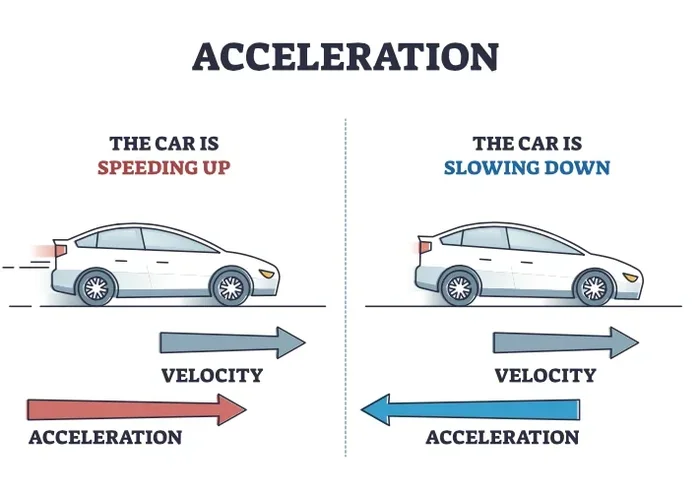
Speed refers to how fast the car is moving, which is 72 km/h in this case. Velocity includes both speed and direction. So a motor car moving at a speed of 72km h has a velocity of 72 km/h in whatever direction it is traveling. For everyday driving, the terms are often used interchangeably, but velocity is technically more precise.
Can a motor car maintain 72 km/h on an uphill road?
Yes, but it depends on the steepness of the hill and the engine power. On mild inclines, most cars can hold 72 km/h easily. On steep hills, the engine may struggle, and speed could drop unless you apply more throttle. Using a lower gear on steep uphills helps maintain speed and reduces engine strain.
Why do speed limits vary by road type and location?
Speed limits are set based on road design, traffic volume, pedestrian activity, and crash data. Roads with more intersections, pedestrians, or tighter curves typically have lower limits. Straight, well-designed highways can handle higher speeds safely. A 72 km/h limit usually reflects a road with moderate risk and balanced conditions.