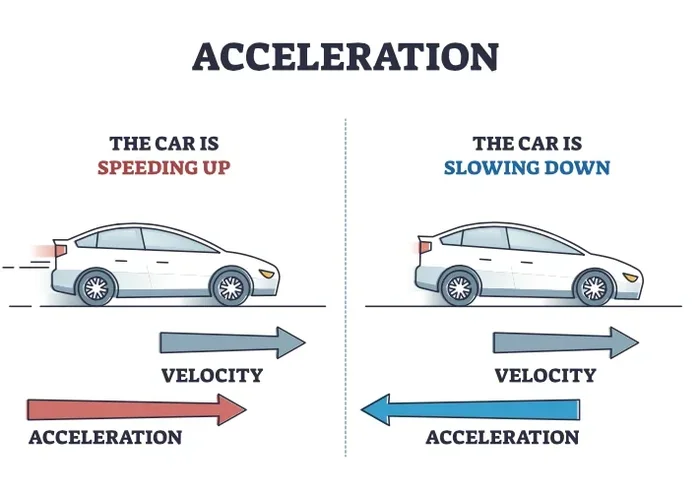
What Happens When a Car Starts from Rest and Accelerates
When a car starts from rest, it transitions from zero velocity to forward motion through a complex interaction of engine power, torque, and drivetrain mechanics. Understanding this process helps drivers appreciate how their vehicles work and how to improve acceleration performance. This guide covers the physics, mechanics, and practical tips for every car enthusiast.
Have you ever wondered what actually happens the moment you press the gas pedal and a car starts from rest? It is more than just pressing a button and moving forward. A lot goes on under the hood the instant a vehicle transitions from a standstill to forward motion.
When a car starts from rest, the entire drivetrain comes alive. The engine burns fuel, the transmission selects the right gear, and the wheels grip the road to push the vehicle forward. Understanding this process gives you a deeper appreciation for how your car works every single day.
Whether you drive a daily commuter or a high-performance machine, knowing the basics of acceleration from rest helps you make smarter decisions about maintenance, driving habits, and even your next vehicle purchase. This guide breaks it all down in simple terms.
Key Takeaways
- Zero velocity is the starting point: A car starting from rest has no initial speed, and the engine must generate enough force to overcome inertia.
- Torque matters more than horsepower at launch: The twisting force from the engine determines how quickly a vehicle moves from a standstill.
- Gears play a critical role: Lower gears multiply engine force to help a car starting from rest gain speed rapidly.
- Electric motors deliver instant torque: EVs accelerate from rest faster than traditional gasoline engines in most cases.
- Traction and friction affect launch quality: Tire grip and road conditions directly impact how smoothly a car accelerates from a stop.
- Regular maintenance improves throttle response: Clean filters, fresh spark plugs, and proper tire pressure all help your car perform better from rest.
📑 Table of Contents
- The Science Behind a Car Starting from Rest
- How the Engine Delivers Power from a Standstill
- The Role of Gears and Drivetrain in Acceleration
- Electric vs. Gasoline: Starting from Rest Compared
- Common Problems When a Car Struggles to Accelerate from Rest
- Tips to Improve Your Car’s Acceleration from Rest
- Key Takeaways
- Conclusion
The Science Behind a Car Starting from Rest
Newton’s Laws and Vehicle Motion
Every time a car starts from rest, Newton’s laws of motion are at play. The first law, also known as the law of inertia, explains why a stationary vehicle stays stationary until an external force acts on it. That external force comes from the engine through the drivetrain to the wheels.
Newton’s second law states that force equals mass times acceleration. This means a heavier vehicle needs more force to get moving from a standstill. A lighter car will accelerate faster from rest with the same engine power. This is why sports cars feel so quick off the line.
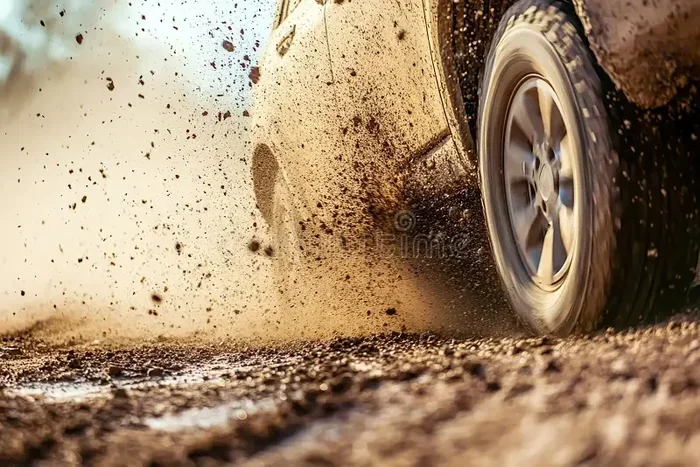
The third law tells us that for every action, there is an equal and opposite reaction. When the wheels push backward against the road surface, the road pushes the car forward. Without sufficient friction between the tires and the road, a car starting from rest would just spin its wheels.
Initial Velocity and Zero Speed
In physics terms, a car starting from rest has an initial velocity of zero. This is a key concept in kinematics, the study of motion. From that zero point, the vehicle must build speed through continuous acceleration.
The rate at which speed builds depends on several factors. Engine output, vehicle weight, gear ratio, and traction all contribute. A sports car with a powerful engine and light weight will reach higher speeds much faster than a heavy truck with a small engine.
Kinetic energy also plays a role. The faster a car moves, the more kinetic energy it builds. Getting from zero to any speed requires energy input, and that energy comes directly from the fuel or battery powering the vehicle.
Force and Motion in Everyday Driving
You do not need to be a physicist to feel the effects of force and motion. When you floor the accelerator in a car starting from rest, you feel the push against your back. That is the force of acceleration at work.
The smoother the force delivery, the better the driving experience. Jerky acceleration from rest often means the drivetrain is struggling to transfer power efficiently. Smooth, controlled launches feel better and are also safer on the road.
How the Engine Delivers Power from a Standstill
The Role of Torque in Acceleration
Torque is the rotational force the engine produces. It is the primary factor that gets a car moving from rest. When you press the accelerator, the engine generates torque that travels through the transmission to the wheels.
Higher torque at low RPMs means a car starting from rest will feel more responsive. This is why diesel engines and electric motors are so effective at pulling away from stops. They produce strong torque even at low speeds.
Horsepower gets more attention, but torque is what you actually feel in your seat when a car launches from a standstill. Think of torque as the muscle and horsepower as the endurance. Both matter, but torque wins the launch race.
Throttle Response and Air-Fuel Mix
Throttle response refers to how quickly the engine reacts when you press the gas pedal. A car starting from rest with responsive throttle feels eager and lively. Delayed throttle response makes the vehicle feel sluggish and unresponsive.
The engine control unit manages the air-fuel mixture delivered to the combustion chambers. When you step on the pedal, the throttle body opens wider to allow more air in. The fuel injectors then add the right amount of fuel to create a combustible mixture.
A clean throttle body and functioning fuel injectors are essential for quick acceleration from rest. Dirty components slow down the response time and reduce the power available when you need it most.
Combustion Process at Launch
The combustion process is what ultimately creates the force that moves a car. Air and fuel mix in the combustion chamber, a spark plug ignites the mixture, and the resulting explosion pushes the pistons down.
At a car starting from rest, the engine is working hardest to overcome the vehicle’s inertia. Each combustion cycle adds a tiny burst of energy that builds into continuous motion. More cylinders firing smoothly means more consistent power delivery from the standstill.
This is also why engine maintenance matters so much. Worn spark plugs, clogged fuel injectors, or low compression all reduce the efficiency of each combustion cycle. The result is weaker acceleration and a less satisfying launch from rest.
The Role of Gears and Drivetrain in Acceleration
Why Lower Gears Matter for Launch
Gears are the mechanical advantage that makes acceleration possible. When a car starts from rest, the transmission uses lower gears to multiply the engine’s torque. This multiplication is what allows even small engines to move heavy vehicles.
First gear has the highest gear ratio, which means it provides the most torque multiplication. As the car gains speed, the transmission shifts to higher gears with lower ratios. Each shift balances speed and power to keep the acceleration smooth.
A manual transmission gives the driver more control over gear selection during a launch. An automatic transmission handles the shifting automatically, but both systems serve the same purpose. They ensure the engine operates in its optimal power band for acceleration from rest.
Drivetrain Types and Their Impact
The drivetrain connects the engine to the wheels. Different drivetrain configurations affect how a car accelerates from a standstill. Front-wheel drive, rear-wheel drive, all-wheel drive, and four-wheel drive all have unique characteristics.
Rear-wheel drive cars often feel more balanced during hard launches from rest because the weight shifts to the rear, improving traction. Front-wheel drive cars can experience torque steer, where the steering pulls to one side during hard acceleration.
All-wheel drive systems distribute power to all four wheels, providing maximum traction from rest. This is why many high-performance and off-road vehicles use AWD. Better traction means faster, safer acceleration from a standstill.
Transmission Fluid and Maintenance
Clean transmission fluid keeps the gears shifting smoothly. Old or contaminated fluid causes rough shifts and delayed engagement. When a car starting from rest hesitates or jerks, worn transmission fluid could be the culprit.
Regular transmission fluid changes are one of the simplest ways to maintain acceleration performance. Most manufacturers recommend changing the fluid every 30,000 to 60,000 miles. Check your owner’s manual for the specific interval for your vehicle.
Electric vs. Gasoline: Starting from Rest Compared
Instant Torque in Electric Vehicles
Electric vehicles have a major advantage when it comes to acceleration from rest. Electric motors deliver maximum torque instantly from zero RPM. There is no waiting for the engine to build power or for gears to shift.
This is why many electric cars can launch from a standstill faster than comparable gasoline vehicles. The instant availability of rotational force means the wheels start turning the moment you press the pedal. No lag, no delay, just immediate forward motion.
Tesla, Porsche, and other EV manufacturers have capitalized on this advantage. Their vehicles deliver some of the quickest acceleration times in the automotive world, all starting from a complete stop.
How Gasoline Engines Compare
Gasoline engines need time to build RPM and generate peak torque. There is a brief delay between pressing the pedal and feeling the full acceleration. The transmission also plays a role by shifting through gears, each taking a fraction of a second.
Turbocharged gasoline engines narrow the gap significantly. A turbocharger forces more air into the combustion chamber, producing more torque at lower RPMs. This helps a turbocharged car starting from rest feel almost as responsive as an electric vehicle.
Naturally aspirated engines rely on atmospheric pressure alone to fill the cylinders. They tend to build power gradually, which gives them a different character. Many driving enthusiasts love the linear power delivery of a naturally aspirated engine.
Hybrid Systems and Launch Control
Hybrid vehicles combine the best of both worlds. The electric motor handles the initial launch from rest with instant torque, while the gasoline engine takes over at higher speeds. Some hybrids use launch control to optimize acceleration from a standstill.
Toyota, Honda, and other manufacturers offer hybrid models that deliver impressive acceleration from rest. These systems use the electric motor for the initial burst and the combustion engine for sustained speed. The result is a vehicle that feels quick off the line and strong at highway speeds.
Common Problems When a Car Struggles to Accelerate from Rest
Symptoms of Poor Acceleration from a Standstill
Sometimes a car starting from rest does not perform as it should. Recognizing the symptoms early can prevent more serious damage. Common signs include hesitation, jerking, slow response, or a complete lack of power when launching from a stop.
You might notice the engine revs higher than normal without the car gaining speed. This is called wheel spin, and it means the tires are losing traction. Alternatively, the engine might feel sluggish and unresponsive, indicating a power delivery issue.
Any of these symptoms point to a problem somewhere in the acceleration chain. Identifying the root cause early saves money and keeps your vehicle safe on the road.
Common Causes and Fixes
Several issues can cause poor acceleration from rest. Dirty fuel injectors reduce the amount of fuel reaching the engine. Clogged air filters restrict airflow, creating a lean air-fuel mixture that lacks power.
Worn spark plugs fail to ignite the air-fuel mixture efficiently. This causes misfires and weak combustion, especially noticeable when a car starting from rest struggles to build speed. Replacing spark plugs is an inexpensive fix that can restore performance.
Transmission problems, such as slipping clutches or low fluid levels, also cause hesitation during launches. A failing torque converter in automatic transmissions can prevent the car from engaging properly at a standstill. Regular maintenance catches these issues before they become expensive repairs.
When to See a Mechanic
If your car consistently struggles to accelerate from rest, do not ignore the problem. A professional mechanic can diagnose the issue using diagnostic tools and visual inspections. Early intervention prevents minor issues from becoming major repairs.
Pay attention to warning lights on your dashboard. The check engine light often illuminates when there is an acceleration-related problem. A simple scan can reveal the trouble code and point the mechanic in the right direction.
Tips to Improve Your Car’s Acceleration from Rest
Maintenance Habits That Help
Regular maintenance is the foundation of good acceleration performance. Keep your engine tuned with fresh spark plugs, clean fuel injectors, and a new air filter. These simple steps ensure the engine produces maximum power at launch.
Check your tire pressure regularly. Underinflated tires create more rolling resistance, which slows acceleration from rest. Properly inflated tires grip the road better and transfer engine power more efficiently.
Use the recommended grade of motor oil for your vehicle. Thicker oil creates more internal friction, which the engine must overcome during acceleration. Lighter oil flows more easily, especially in cold starts from a standstill.
Driving Techniques for Better Launches
How you drive also affects acceleration from rest. Smooth, progressive throttle application delivers power more efficiently than slamming the pedal to the floor. Gradual increases in throttle allow the tires to maintain grip and the drivetrain to transfer power smoothly.
For manual transmission drivers, rev-matching during downshifts and careful clutch engagement improve launch quality. Automatic transmission drivers can sometimes use manual mode or sport mode to hold lower gears longer for stronger acceleration.
Weight reduction also helps. Remove unnecessary items from your trunk and back seat. Less weight means less force needed to get the car moving from a standstill. Every extra pound makes the engine work harder at launch.
Performance Upgrades Worth Considering
If you want more from your car starting from rest, consider performance upgrades. A cold air intake delivers denser, cooler air to the engine, improving combustion efficiency. A performance exhaust system reduces back pressure, allowing the engine to breathe more freely.
Performance chip tuning or ECU remapping can optimize the air-fuel mixture and ignition timing for better throttle response. These upgrades are most effective when combined with proper maintenance and high-quality fuel.
Upgraded tires with better grip significantly improve launch traction. Summer performance tires and all-season tires with high grip ratings help a car transfer engine power to the road more effectively during acceleration from rest.
Key Takeaways
- Physics governs every launch: Newton’s laws explain how a car starting from rest transitions to motion through force, mass, and acceleration.
- Torque is the launch hero: The rotational force produced by the engine determines how quickly a vehicle moves from zero speed.
- Gears multiply engine force: Lower gears provide mechanical advantage that makes acceleration from a standstill possible.
- Electric motors win the launch battle: Instant torque delivery gives EVs a significant advantage over gasoline engines off the line.
- Maintenance keeps acceleration sharp: Clean filters, fresh fluids, and proper tire pressure all contribute to better performance from rest.
- Driving technique matters: Smooth throttle application and proper gear selection improve both launch quality and safety.
Conclusion
A car starting from rest is a fascinating blend of physics, engineering, and mechanical precision. From the moment the engine fires to the instant the wheels begin turning, every component works together to convert stored energy into forward motion.
Understanding what happens during this process helps you appreciate your vehicle more and drive it better. Whether you are behind the wheel of a compact sedan or a powerful electric SUV, the principles of acceleration from rest remain the same.
Keep up with regular maintenance, pay attention to how your car feels during launches, and do not ignore warning signs. A well-maintained vehicle will always accelerate from rest more smoothly and confidently. Apply the tips in this guide, and you will notice a real difference in how your car performs every time you pull away from a stop.
The next time you press the gas pedal and feel that surge of power, remember the incredible engineering happening beneath you. It is a beautiful thing when a car starting from rest transforms into a moving machine with purpose and precision.
Frequently Asked Questions
What does it mean when a car starts from rest in physics?
In physics, a car starting from rest means the vehicle has an initial velocity of zero. It is stationary until the engine generates enough force to overcome inertia and push the car forward. This concept is fundamental to understanding motion and acceleration in classical mechanics.
Why does my car hesitate when starting from rest?
Hesitation from a standstill often points to a fuel delivery issue, worn spark plugs, or a clogged air filter. Dirty throttle bodies and failing fuel injectors can also cause the engine to stumble during acceleration from rest. A mechanic can diagnose the exact cause with a diagnostic scan.
Do electric cars accelerate faster from rest than gas cars?
Yes, in most cases electric cars accelerate faster from rest because electric motors deliver maximum torque instantly from zero RPM. Gasoline engines need time to build power and rely on gear shifts to reach optimal output. This gives EVs a clear advantage in launch acceleration.
What role does tire traction play when a car starts from rest?
Tire traction is essential for a smooth and efficient launch from rest. The tires grip the road surface and transfer engine power into forward motion. Worn or underinflated tires reduce grip, causing wheel spin and slower acceleration from a standstill.
Can a car starting from rest on a hill be more difficult?
Yes, starting from rest on a hill is more challenging because gravity works against the vehicle. The engine must produce enough torque to overcome both inertia and the gravitational pull. This is why hill-start assist features are valuable in modern vehicles.
How does transmission type affect acceleration from rest?
The transmission selects the right gear ratio to multiply engine torque during a launch from rest. Manual transmissions give the driver direct control over gear choice, while automatic transmissions handle shifting automatically. Both types aim to keep the engine in its optimal power range for the best acceleration from a standstill.
=== CONCLUSION ===
The journey of a car starting from rest and accelerating is a remarkable process that combines physics, engineering, and driver input. From torque production to gear selection, every element plays a vital role in how quickly and smoothly a vehicle launches from a standstill.
By understanding the mechanics behind acceleration from rest, you become a more informed driver. You can spot problems early, maintain your vehicle better, and even improve your driving technique for stronger launches.
Whether your car is gasoline-powered, electric, or hybrid, the principles remain the same. Keep your vehicle well-maintained, drive with intention, and enjoy the simple pleasure of a confident, smooth launch every time you press the pedal.