How Long Can a Toyota Corolla Go Without an Oil Change
A Toyota Corolla typically needs an oil change every 5,000 to 10,000 miles depending on the model year and oil type. Modern Toyotas with synthetic oil can stretch further, but ignoring oil changes risks engine damage and reduced performance. Check your owner’s manual and watch for warning signs to keep your Corolla running strong.
Owning a Toyota Corolla comes with a lot of perks. They are reliable, fuel-efficient, and surprisingly affordable to maintain. But one thing every Corolla owner needs to stay on top of is the oil change. If you have been asking yourself how long can a Toyota Corolla go without an oil change, you are in the right place.
The answer is not as simple as a single number. It depends on your model year, the type of oil you use, and how you drive. Most Toyota Corollas need an oil change somewhere between 5,000 and 10,000 miles. But there is more to it than just mileage. Let us break it all down so you can keep your Corolla engine healthy and running smooth for years to come.
Oil is the lifeblood of your engine. It lubricates moving parts, reduces friction, and keeps everything cool. Over time, oil breaks down and loses its effectiveness. Dirty oil can cause wear and tear, reduce fuel economy, and even lead to costly repairs. That is why staying on top of your Toyota Corolla oil change interval matters so much.
Key Takeaways
- Standard Interval: Most Toyota Corollas need an oil change every 5,000 to 10,000 miles based on the model year and oil type.
- Synthetic vs. Conventional: Synthetic oil lasts longer and offers better engine protection than conventional oil.
- Oil Life Monitor: Many newer Corollas have an oil life monitor that tells you exactly when to change your oil.
- Warning Signs: Dark oil, engine noise, and the maintenance light all signal it is time for an oil change.
- Driving Conditions Matter: Severe driving conditions like extreme heat or short trips can shorten your oil change interval.
- DIY Option: You can change your Corolla oil yourself with basic tools and the right oil type.
- Reset After Changes: Always reset your oil life monitor after an oil change to keep tracking accurate.
📑 Table of Contents
- Understanding Toyota Corolla Oil Change Intervals
- What Happens When You Skip or Delay an Oil Change
- Toyota Corolla Oil Change Schedule by Model Year
- Signs Your Toyota Corolla Needs an Oil Change
- Tips for Maximizing Time Between Oil Changes
- Can You Change Toyota Corolla Oil Yourself?
- How Mechanics Check Oil During a Service
- Common Mistakes to Avoid
- Expert Insights on Toyota Corolla Oil Maintenance
- Final Thoughts
Understanding Toyota Corolla Oil Change Intervals
Every Toyota Corolla comes with a recommended oil change schedule. This schedule is based on years of testing and engineering by Toyota. But the interval has changed over the years as oil technology improved. Let us look at what you can expect.
Traditional Interval for Older Models
If you own an older Toyota Corolla, you are likely looking at a 5,000-mile or 6,000-mile interval. Models from before 2009 generally used conventional oil and needed more frequent changes. Toyota recommended changing the oil every 3,000 to 5,000 miles for these older vehicles. This was standard practice for most cars back then.
The reason is simple. Conventional oil breaks down faster than modern synthetic blends. It loses its viscosity and protective properties more quickly. If you drive an older Corolla, sticking to the shorter interval is a smart move. It keeps your engine well-protected and avoids buildup.
Modern Intervals for Newer Models
Newer Toyota Corollas, especially models from 2014 onward, can go longer between oil changes. Toyota switched to recommending synthetic oil or synthetic blends for many of these models. With synthetic oil, the interval extends to about 7,500 to 10,000 miles.
This is a big improvement. Synthetic oil is engineered to last longer and perform better under extreme temperatures. It resists breakdown much better than conventional oil. So if you have a recent Corolla model, you might be able to go quite a while between changes. But do not push it too far. Even the best synthetic oil has limits.
The Role of Oil Type
The type of oil you use plays a huge role in determining your interval. Here is a quick comparison:
- Conventional Oil: Change every 3,000 to 5,000 miles. Best for older models and budget-conscious owners.
- Synthetic Blend: Change every 5,000 to 7,500 miles. A good middle ground for many Corolla owners.
- Full Synthetic Oil: Change every 7,500 to 10,000 miles. Offers the best protection and longest intervals.
Always check your owner’s manual for the exact oil type Toyota recommends. Using the wrong oil can void your warranty and hurt your engine. And if you are wondering whether you can switch oil types, check out whether you can use 5W20 instead of 0W20 in a Corolla for more guidance.
What Happens When You Skip or Delay an Oil Change
It is tempting to push an oil change back a few hundred miles. Life gets busy. But skipping or delaying an oil change can cause real problems over time. Let us look at what happens when you neglect this essential maintenance.
Oil Degradation and Engine Wear
Oil does not last forever. As it circulates through your engine, it picks up dirt, debris, and combustion byproducts. Over time, it loses its ability to lubricate properly. This means metal parts start rubbing against each other. That friction causes wear and tear on critical engine components.
When oil breaks down completely, it turns into sludge. Sludge clogs oil passages and prevents oil from reaching important parts of the engine. This can lead to overheating, increased friction, and eventually engine failure. The cost of fixing a seized engine is far higher than a routine oil change.
Reduced Fuel Economy
Dirty oil makes your engine work harder. When parts are not properly lubricated, your engine has to burn more fuel to produce the same power. You might notice your fuel economy dropping by a few miles per gallon. Over time, those extra gallons add up at the pump. Regular oil changes help your Corolla maintain its excellent fuel efficiency.
Warranty Concerns
If your Toyota Corolla is still under warranty, skipping oil changes can be risky. Toyota requires you to follow the maintenance schedule outlined in the owner’s manual. If you skip oil changes and something goes wrong with your engine, Toyota may deny your warranty claim. That could mean paying thousands out of pocket for repairs.
Toyota Corolla Oil Change Schedule by Model Year
Not all Corollas are the same when it comes to oil change intervals. The schedule varies by model year and engine type. Here is a closer look at what to expect.
Pre-2009 Corolla Models
Older Corollas like the 2005 or 2008 models typically used conventional oil. The recommended interval was around every 3,000 to 5,000 miles. If you drive one of these models, do not stretch it too far. Stick to the shorter end of the range, especially if you drive in tough conditions.
2009 to 2013 Models
These mid-generation Corollas started using synthetic blends more often. Toyota pushed the interval to about 5,000 to 7,500 miles. This was a welcome change for owners who wanted less frequent trips to the shop.
2014 and Newer Models
Modern Corollas are built with advanced engines and synthetic oil capabilities. Toyota now recommends oil changes every 10,000 miles or once a year, whichever comes first. These models also come equipped with an oil life monitor that tracks your driving conditions and tells you exactly when it is time for a change.
If you are unsure about your specific model, the owner’s manual is your best resource. You can also check with your local Toyota dealer for model-specific advice.
Signs Your Toyota Corolla Needs an Oil Change
Even if you track your mileage carefully, sometimes your car tells you it needs attention before you hit the next interval. Here are the key warning signs to watch for.
The Maintenance Required Light
Most Toyota Corollas have a maintenance required light on the dashboard. When this light comes on, it is your car telling you it is time for an oil change. The light is triggered by the oil life monitor based on mileage and driving conditions. If you see this light, do not ignore it.
Some owners ask, can I drive with a maintenance required light on in a Toyota? The short answer is yes, for a short distance. But you should get the oil changed as soon as possible. Driving for extended periods with the light on puts your engine at risk.
Dark or Dirty Oil
Clean oil is amber or golden in color. As it ages, it turns dark brown or black. You can check your oil level and color using the dipstick. If the oil looks very dark and gritty, it is definitely time for a change. Fresh oil should feel smooth and slippery between your fingers.
Engine Noise and Knocking
Oil reduces friction between engine parts. When oil gets old and thin, it cannot do its job properly. You might start hearing knocking or tapping sounds from the engine bay. This is a sign that metal parts are rubbing together without enough lubrication. If you hear these sounds, get your oil checked right away.
Oil Level Drops Quickly
If you notice your oil level dropping faster than usual, something is wrong. It could be a leak, or the oil might be burning off due to worn engine seals. Either way, low oil levels are dangerous for your engine. Check your oil regularly and top it off if needed while you schedule a change.
Exhaust Smoke
Blue or gray smoke from your exhaust can indicate burning oil. This happens when old oil leaks into the combustion chamber. It is not something you should ignore. Burning oil reduces engine performance and can cause serious damage over time.
Tips for Maximizing Time Between Oil Changes
Want to get the most out of every oil change interval? Follow these practical tips to keep your Corolla engine in great shape.
Use the Right Oil
Always use the oil grade and type recommended by Toyota. For most modern Corollas, that means 0W-20 or 5W-20 synthetic oil. Using the wrong oil can reduce engine protection and shorten the interval between changes. If you are unsure about which oil to use, your owner’s manual has the answer.
Change Your Oil Filter Too
Every time you get an oil change, make sure the oil filter gets replaced too. The oil filter catches dirt and debris. A clogged filter restricts oil flow and reduces engine protection. A fresh filter paired with new oil gives your engine the best start.
Check Oil Levels Regularly
Get in the habit of checking your oil level at least once a month. Just pull out the dipstick, wipe it clean, reinsert it, and check the level. If it is low, top it off with the correct oil type. This simple habit can prevent engine damage and help you catch problems early.
Avoid Severe Driving Conditions When Possible
Severe driving conditions shorten oil life. These include frequent short trips, extreme heat, towing heavy loads, and driving in dusty or stop-and-go traffic. If you regularly drive in these conditions, you might need to change your oil more often than the standard interval suggests.
Reset Your Oil Life Monitor
After every oil change, reset your oil life monitor. This keeps the system accurate and helps you track your next change. If you are not sure how to reset it, here is a guide on whether you should reset after an oil change and how to do it properly.
Keep a Maintenance Log
Write down every oil change date and mileage. This creates a record you can reference and share with your mechanic. It also helps you spot patterns, like if your oil seems to break down faster than expected. A simple notebook or phone app works great for this.
Can You Change Toyota Corolla Oil Yourself?
Many Corolla owners wonder if they can handle an oil change at home. The good news is that changing your own oil is one of the easiest DIY maintenance tasks. It saves money and gives you a better understanding of your vehicle.
You will need a few basic tools: a wrench for the drain plug, an oil filter wrench, a drain pan, and the correct oil and filter. The process involves lifting the car, draining the old oil, replacing the filter, and filling with fresh oil. It typically takes about 30 minutes.
If you want to learn more about doing it yourself, check out whether you can change your Corolla S oil yourself for a detailed walkthrough. Just make sure you dispose of the old oil properly at a recycling center. Never pour it down the drain or into the ground.
How Mechanics Check Oil During a Service
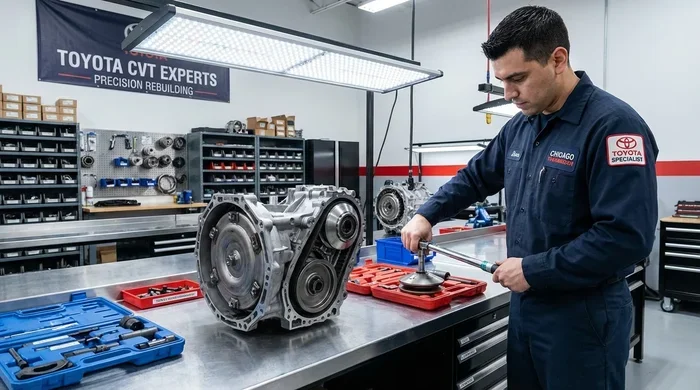
When you take your Corolla to a mechanic for an oil change, they do more than just drain and refill. A thorough service includes several checks. Mechanics often check transmission fluid during an oil change as part of a broader vehicle inspection. They also look at the oil filter condition, check for leaks, and inspect the underside of the car for any issues.
This is why professional oil changes are valuable. You get more than just fresh oil. You get a snapshot of your vehicle’s overall health. If something looks off, the mechanic can flag it before it becomes a bigger problem.
Common Mistakes to Avoid
Even the best car owners make mistakes. Here are common ones to watch out for when it comes to oil changes:
- Waiting for the light: Do not wait for the maintenance light to come on. Change your oil before it reaches that point.
- Overfilling the oil: Too much oil can cause foaming and reduce lubrication. Stick to the recommended amount.
- Ignoring the oil filter: A new oil filter is essential every time. Reusing an old filter defeats the purpose.
- Skipping oil checks between changes: Oil levels can drop between changes. Check regularly to stay safe.
- Using the wrong oil grade: Always follow Toyota’s recommendation. Mixing oil grades can cause performance issues.
Expert Insights on Toyota Corolla Oil Maintenance
Toyota engineers design the Corolla to be low-maintenance, but oil changes remain non-negotiable. According to Toyota’s own maintenance guidelines, the oil life monitor is the best tool for tracking when a change is due. However, many mechanics recommend going slightly more conservative than what the monitor suggests, especially for high-mileage vehicles.
For vehicles with over 100,000 miles, consider switching to high-mileage synthetic oil. These formulations contain seal conditioners and extra detergents that help keep aging engines running smoothly. They can also reduce oil consumption, which is common in older Corollas.
If you are planning a long road trip, get your oil changed right before you leave. Fresh oil gives your engine the best protection during extended driving. And if you are wondering about other maintenance items, does your car say when you need an oil change? is a great resource to understand how your vehicle communicates maintenance needs.
Final Thoughts
So how long can a Toyota Corolla go without an oil change? The honest answer is that it depends. Most Corollas can go between 5,000 and 10,000 miles depending on the model year and oil type. But the smart move is to stay on top of your maintenance schedule and never push it too far.
Regular oil changes are the cheapest insurance you can buy for your engine. They prevent costly repairs, improve fuel economy, and keep your Corolla running like new. Whether you do it yourself or visit a mechanic, make this maintenance a priority. Your Corolla will thank you with years of reliable service.
Stay proactive about your oil change schedule. Check your oil regularly, watch for warning signs, and always use the right oil type. With these habits, your Toyota Corolla will keep you cruising safely mile after mile.
Frequently Asked Questions
How many miles can a Toyota Corolla go without an oil change?
Most Toyota Corollas can go between 5,000 and 10,000 miles without an oil change. The exact interval depends on your model year, oil type, and driving conditions. Newer models with synthetic oil can reach the upper end of this range.
What happens if you go too long without an oil change in a Corolla?
Going too long without an oil change causes the oil to break down and lose its lubricating properties. This leads to increased engine wear, overheating, and potentially costly engine repairs. Always stick to the recommended interval to protect your engine.
Can I use synthetic oil in my Toyota Corolla?
Yes, most modern Toyota Corollas can use synthetic oil. In fact, Toyota recommends synthetic oil for many newer models. Synthetic oil provides better protection and lasts longer than conventional oil. Check your owner’s manual for the recommended oil type.
How often should I check my Corolla’s oil level?
You should check your Corolla’s oil level at least once a month. Regular checks help you catch leaks or unusual oil consumption early. It only takes a few minutes and can save you from serious engine problems down the road.
Does the oil life monitor replace the need for regular oil changes?
The oil life monitor is a helpful tool, but it should not replace regular oil changes entirely. The monitor tracks driving conditions and mileage, but it is still a good idea to change your oil at least once a year even if the monitor has not triggered. This ensures your engine stays properly protected.
Is it okay to drive with low oil in a Toyota Corolla?
No, driving with low oil is dangerous for your engine. Low oil means insufficient lubrication, which causes increased friction and heat. This can lead to engine damage very quickly. If your oil is low, top it off immediately and schedule a full oil change soon.