How Long Can a Toyota Corolla Run Without Any Trouble
A Toyota Corolla can run for over 200,000 miles with proper care, and some owners push past 300,000 miles. The key to a long-lasting Corolla lies in regular maintenance, smart driving habits, and addressing small issues before they grow. This guide covers everything you need to know about how long a Corolla can run and what you can do to extend its life.
If you own a Toyota Corolla or are thinking about buying one, you probably wonder: how long can a Corolla run without breaking down? The answer might surprise you. Toyota built the Corolla with a reputation for durability that spans decades. Millions of owners around the world trust this compact sedan for daily commutes, road trips, and everything in between.
The good news is that a well-maintained Corolla can easily surpass 200,000 miles. Some dedicated owners have pushed their vehicles past the 300,000-mile mark. But reaching those numbers takes more than just luck. It requires consistent Corolla maintenance, smart driving choices, and a willingness to address small problems before they become big ones. In this article, we break down everything you need to know about Toyota Corolla lifespan, what affects it, and how you can get the most miles out of your car.
Key Takeaways
- Corollas can last 200,000+ miles: With proper care, a Toyota Corolla routinely exceeds 200,000 miles and can even reach 300,000 miles.
- Regular maintenance is essential: Staying on top of oil changes, fluid checks, and service intervals keeps your Corolla running strong.
- Driving habits matter: Gentle driving, avoiding extreme temperatures, and not ignoring warning signs all extend engine life.
- Common problems are manageable: Issues like oil leaks, radiator wear, and transmission concerns are fixable when caught early.
- Hybrid Corollas offer extra longevity: Hybrid models often last longer due to reduced engine wear and regenerative braking.
- Resale value stays strong: A well-maintained Corolla holds its value better than most competing sedans.
📑 Table of Contents
How Long Can a Toyota Corolla Run?
When people ask how long can a Corolla run, they usually mean two things. First, how many miles can the engine last? Second, how many years can the car stay on the road without major issues? The answer to both questions is impressive for a compact sedan.
Most Toyota Corollas are built to last between 200,000 and 300,000 miles. At an average of 12,000 to 15,000 miles per year, that translates to roughly 15 to 20 years of reliable service. Some Corolla longevity records go even higher. There are documented cases of Corollas hitting 400,000 miles, though these are rare and usually involve meticulous care.
What makes the Corolla so durable? Toyota designs these cars with simple, proven engineering. The engines are not overly complex, which means fewer things can go wrong. The transmission systems are straightforward. And the overall build quality prioritizes longevity over flashiness. This is why Toyota reliability remains one of the brand’s biggest selling points.
It is also worth noting that Corolla mileage expectations vary by generation. Newer models from 2015 onward often feature improved materials and engineering. Older models from the 1990s and 2000s still hold up remarkably well, but they may need more attention to things like rust and older technology. Regardless of the year, the core message is the same: a Corolla can run a very long time if you take care of it.
How Long Does the Engine Last?
The engine is the heart of any car, and the Corolla’s engine is no exception. Most Corolla engines can run for well over 200,000 miles before needing a major rebuild. The 1.8-liter and 2.0-liter engines found in recent models are known for their Toyota engine life and resilience. These engines use durable components like forged steel connecting rods and aluminum blocks that resist heat and wear.
Regular oil changes play a huge role here. Fresh oil keeps the internal components lubricated and prevents metal-on-metal friction. Skipping oil changes is one of the fastest ways to shorten Corolla engine life. Most experts recommend changing your oil every 5,000 to 7,500 miles for conventional oil, or every 10,000 miles if you use synthetic.
How Long Do the Transmission and Drivetrain Last?
The transmission is another critical component. Most Corollas come with either a CVT (continuously variable transmission) or a traditional automatic. Both types are designed for longevity. A CVT transmission in a Corolla can last 150,000 to 200,000 miles with proper fluid changes. Traditional automatics often last even longer.
The drivetrain, which includes the axles, joints, and differential, also holds up well. These parts are built to handle the Corolla driving range and daily use without frequent replacements. That said, CVT transmissions can be sensitive to neglect. If you ignore fluid changes or drag heavy loads, the transmission may wear out faster.
What Affects How Long a Corolla Can Run?
Not all Corollas age the same way. Several factors influence how many miles your car will clock before major issues appear. Understanding these Corolla longevity factors can help you make better decisions about care and driving habits.
| Factor | Impact on Longevity | What You Can Do |
|---|---|---|
| Driving Habits | High | Avoid aggressive acceleration and hard braking |
| Climate | Medium | Park in shade; use a sunshade in hot weather |
| Maintenance Schedule | Very High | Follow the factory service interval strictly |
| Fuel Quality | Medium | Use recommended octane and clean fuel |
| Driving Conditions | High | Avoid short trips and excessive idling |
| Parts Quality | Medium | Use OEM or high-quality aftermarket parts |
Driving Habits and Their Impact
How you drive directly affects Corolla wear and tear. Aggressive driving, such as rapid acceleration and hard braking, puts extra stress on the engine, brakes, and transmission. Over time, this adds up and can shorten your car’s lifespan significantly.
On the other hand, gentle driving extends every component’s life. Smooth acceleration, gradual braking, and maintaining steady speeds reduce strain on the engine. If you want your Corolla to run for a long time, think of it like a marathon, not a sprint. Steady and consistent beats fast and furious every time.
Short trips are another hidden enemy. When you drive less than five miles regularly, the engine does not reach full operating temperature. This causes moisture to build up in the oil, leading to sludge and accelerated wear. If possible, combine short errands into longer trips to give your engine time to warm up fully.
Climate and Environmental Factors
Where you live matters for Corolla longevity. Cars in hot, dry climates face different challenges than those in cold, wet environments. Extreme heat can cause fluids to break down faster, rubber seals to dry out, and the cooling system to work harder. Extreme cold can thicken oil and cause condensation inside the engine.
If you live in a hot area, make sure your cooling system is in top shape. Check the coolant level regularly and watch for signs of overheating. If you live in a cold climate, consider using a block heater during winter months. Parking in a garage whenever possible helps protect the car from temperature extremes and UV damage.
Road conditions also play a role. Cars driven primarily on smooth highways tend to last longer than those on rough, pothole-filled roads. Potholes and uneven surfaces stress the suspension, alignment, and tires. If you must drive on rough roads, slow down and avoid obstacles when safe to do so.
Maintenance History
This is the single biggest factor in how long can a Corolla run. A Corolla that receives regular maintenance will almost always outlast one that does not. Maintenance history includes every oil change, fluid flush, filter replacement, and inspection you have done over the years.
Toyota provides a detailed Corolla maintenance schedule in the owner’s manual. Following it to the letter is the best thing you can do for your car. Do not skip services just because the car seems fine. Many issues develop silently and only show symptoms once significant damage has already occurred.
The Corolla Maintenance Schedule You Need to Follow
Staying on top of your Corolla maintenance schedule is the foundation of long-term reliability. Toyota designs these schedules based on extensive testing and real-world data. Deviating from the recommended intervals can void warranties and reduce your car’s lifespan.
Oil Changes and Fluid Checks
Oil is the lifeblood of your engine. It lubricates moving parts, reduces friction, and carries heat away from critical components. Over time, oil breaks down and loses its effectiveness. That is why regular oil changes are non-negotiable.
For most Corolla models, you should change the oil every 5,000 to 7,500 miles with conventional oil. Synthetic oil can extend this interval to 10,000 miles. Always use the grade of oil recommended in your owner’s manual. For example, if your manual specifies 0W-20, do not switch to 5W-30 unless you have a specific reason and consult a mechanic first.
Beyond oil, you need to check and replace other fluids regularly. Coolant prevents the engine from overheating. Transmission fluid keeps the gears shifting smoothly. Brake fluid ensures your stopping power remains reliable. Power steering fluid makes turning effortless. Each of these fluids degrades over time and needs replacement according to the maintenance schedule.
Expert Insight: A full car diagnostic can reveal fluid levels and conditions that are not visible during a routine inspection. Many owners skip diagnostics until something goes wrong, but proactive checks catch problems early. You can learn more about what a diagnostic involves and how long it takes in our guide on how long a full car diagnostic takes.
Timing Belt and Belt Replacements
The timing belt is one of the most important components in your Corolla’s engine. It synchronizes the rotation of the crankshaft and camshaft, ensuring that the engine’s valves open and close at the right time. If the timing belt breaks, it can cause catastrophic engine damage.
Toyota recommends replacing the timing belt every 60,000 to 105,000 miles, depending on the model year. Some newer Corollas use a timing chain instead, which is designed to last the life of the engine. However, even timing chains can stretch over time and should be inspected during regular service.
Do not wait until you hear a ticking noise from the engine. By then, the belt may already be near failure. Stick to the replacement schedule and keep a record of when the belt was last changed. This small investment can save you thousands of dollars in engine repairs.
Brake System Maintenance
Your Corolla’s braking system is essential for safety and longevity. Brake pads wear down over time and need replacement. Rotors can warp or develop grooves. Brake fluid absorbs moisture from the air, which reduces its effectiveness.
Most Corolla brake pads last between 30,000 and 70,000 miles, depending on driving habits. City drivers who stop frequently will need replacements sooner than highway drivers. Listen for squealing or grinding noises, which signal that the pads are worn down. Addressing brake issues early prevents damage to rotors and calipers.
Quick Tips for Brake Maintenance:
- Check brake pad thickness every 10,000 miles
- Replace brake fluid every 2 years or 30,000 miles
- Do not ignore vibrations when braking
- Have the brake system inspected during every oil change
Common Problems That Shorten a Corolla’s Running Life
Even the most reliable cars develop issues over time. The key is knowing what to watch for so you can address problems before they become expensive repairs. Here are the most common Corolla common problems that can shorten your car’s running life if ignored.
Oil Leaks and Seal Degradation
Oil leaks are one of the most frequent issues Corolla owners face. Over time, the seals and gaskets that prevent oil from escaping can harden and crack. This is especially common in older models with higher mileage. Small leaks may not seem urgent, but they can lead to low oil levels, which cause engine damage.
Common leak points include the valve cover gasket, oil pan gasket, and front and rear seals. If you notice oil spots under your car after parking, do not ignore them. Check your oil level regularly and top it off if needed. Have a mechanic inspect the source of the leak before it worsens.
Overheating and Cooling System Failures
Overheating is one of the most damaging things that can happen to any engine. When the cooling system fails, the engine temperature rises rapidly, which can warp the cylinder head, blow head gaskets, or even crack the engine block. The good news is that overheating is usually preventable with proper maintenance.
Check your coolant level monthly and look for green or orange puddles under your car, which indicate a leak. Replace coolant according to the maintenance schedule, typically every 30,000 to 50,000 miles. If your temperature gauge rises into the red zone, pull over safely and turn off the engine immediately. Continuing to drive an overheating car can cause irreversible damage.
For more information on how far you can safely drive an overheating car, check our article on how far you can drive an overheating car.
Transmission Wear Over Time
Transmission problems are among the most expensive repairs a car owner can face. In Corollas, CVT transmissions are common and generally reliable, but they are not immune to wear. Symptoms of transmission trouble include slipping gears, delayed shifting, and unusual whining or grinding noises.
The most common cause of transmission failure is neglected fluid changes. Dirty or low transmission fluid causes increased friction and heat inside the transmission. Over time, this leads to component failure. Stick to the fluid replacement schedule and never ignore warning signs. Early intervention can often prevent a full transmission rebuild.
How to Maximize Your Corolla’s Running Life
Now that you understand what affects Corolla longevity and what problems to watch for, let’s talk about what you can actively do to maximize your car’s running life. These Corolla longevity tips come from experienced mechanics and long-term Corolla owners.
Quick Tips for Daily Care
- Check your fluids weekly: Oil, coolant, brake fluid, and transmission fluid should all be at proper levels.
- Watch your temperature gauge: If it climbs higher than normal, pull over and investigate.
- Replace air filters regularly: A clogged air filter reduces fuel economy and engine performance.
- Keep tires properly inflated: Correct tire pressure improves fuel economy and reduces wear on suspension components.
- Wash and wax regularly: This protects the paint and undercarriage from rust, especially in winter months.
- Address warning lights immediately: Check engine lights, oil pressure lights, and battery warnings should never be ignored.
Common Mistakes to Avoid:
- Skipping oil changes: This is the number one killer of engines. Fresh oil is cheap insurance against major repairs.
- Ignoring small noises: A faint knock or squeak today can become a costly repair tomorrow.
- Using cheap fuel: Always use the octane rating recommended by Toyota for your specific model.
- Overloading the car: Exceeding the weight limit stresses the engine, transmission, and suspension. Learn how much weight your car can hold by checking the owner’s manual or the sticker on the driver’s door jamb.
- Neglecting the cooling system: Coolant flushes are inexpensive but prevent catastrophic overheating damage.
When to Consider a Hybrid Corolla
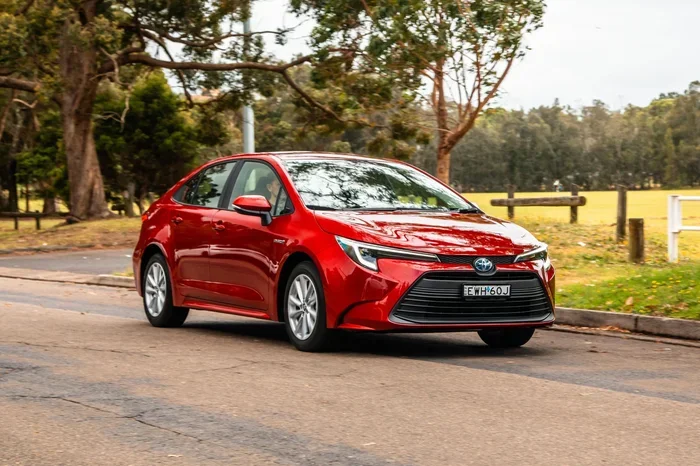
If you are shopping for a new or used Corolla, consider the hybrid option. Hybrid Corollas combine a gasoline engine with an electric motor, which reduces wear on the gas engine. The electric motor handles low-speed driving and assists during acceleration, meaning the gas engine works less overall.
Hybrid systems also use regenerative braking, which captures energy during braking and stores it in a battery. This reduces wear on the traditional brake system and extends the life of brake pads and rotors. Many hybrid Corolla owners report fewer maintenance issues and better fuel economy compared to their gas-only counterparts.
For those wondering whether a hybrid can run on gas alone, we have a detailed guide on whether a Prius can run on gas only. While the Prius is a different model, the hybrid technology principles apply similarly to the Corolla Hybrid.
Real-World Corolla Longevity Stories
Theoretical numbers are one thing, but real-world examples bring the Toyota Corolla lifespan to life. Let us look at what actual Corolla owners have experienced and what the data tells us.
High-Mileage Corolla Owners Share Their Secrets
Online forums and owner communities are filled with stories of Corollas reaching extraordinary mileage. One common theme among high-mileage owners is consistency. These owners never skipped an oil change, always used quality parts, and addressed small issues immediately. They treated their Corollas not as disposable vehicles but as long-term investments.
Another shared habit is keeping detailed service records. These owners know exactly when every fluid was changed, every belt was replaced, and every repair was completed. This documentation not only helps maintain the car but also boosts resale value. A well-documented service history gives buyers confidence and can command a higher price.
What the Data Shows About Corolla Longevity
According to data from Consumer Reports and J.D. Power, Toyota Corollas consistently rank among the most reliable cars on the road. The average annual repair cost for a Corolla is significantly lower than the industry average. Fewer than 10% of Corolla owners report major issues within the first decade of ownership.
The Toyota durability reputation is backed by decades of data. Models from the early 2000s are still on the road today, running strong at 200,000-plus miles. This kind of longevity is rare in the automotive world and speaks to the quality of Toyota’s engineering and the effectiveness of their maintenance recommendations.
If you are wondering about the overall health of your Corolla, a regular diagnostic check can provide valuable insights. You can learn more about what goes into a comprehensive check in our article on how long a full car diagnostic takes.
Conclusion
So, how long can a Toyota Corolla run without any trouble? The answer is clear: with proper care, a Corolla can run for 200,000 to 300,000 miles or more. The Toyota Corolla lifespan is one of the best in the compact sedan segment, and it is backed by decades of real-world data and owner experiences.
The secret to a long-lasting Corolla is simple but requires discipline. Follow the maintenance schedule, change your fluids on time, drive gently, and address problems early. These habits might seem basic, but they make all the difference between a car that lasts 100,000 miles and one that crosses the 300,000-mile threshold.
Your Corolla is built to serve you for many years. Give it the care it deserves, and it will reward you with reliable transportation, strong resale value, and peace of mind every time you turn the key. Start today by reviewing your maintenance schedule and booking your next service. A few small investments now can save you thousands of dollars and countless headaches down the road.
Frequently Asked Questions
How many miles can a Toyota Corolla last?
Most Toyota Corollas can last between 200,000 and 300,000 miles with proper maintenance. Some well-cared-for models have been known to exceed 400,000 miles. The key factors are regular oil changes, fluid replacements, and timely repairs.
Is the Toyota Corolla reliable for long-distance driving?
Yes, the Corolla is one of the most reliable cars for long-distance driving. Its simple engineering, durable engine, and efficient fuel economy make it an excellent choice for road trips and daily commutes alike. Just make sure to follow the maintenance schedule and check fluids regularly.
What is the average lifespan of a Toyota Corolla?
The average lifespan of a Toyota Corolla is 15 to 20 years, depending on driving conditions, maintenance habits, and climate. Owners who follow the recommended service intervals and drive gently tend to get the longest life out of their vehicles.
How often should I service my Corolla to ensure it runs long?
You should service your Corolla every 5,000 to 7,500 miles for oil changes and every 10,000 to 15,000 miles for major services. Staying on top of the maintenance schedule is the single most important thing you can do to extend your car’s running life.
Can a Corolla run on just gas, or does it need hybrid technology?
Standard Corollas run exclusively on gasoline and do not need hybrid technology. The gas-only engine is designed for long life and efficiency. However, hybrid Corollas offer reduced engine wear and better fuel economy, which can further extend the vehicle’s overall lifespan.
What are the signs that my Corolla needs major maintenance?
Warning signs include unusual noises, check engine lights, decreased fuel economy, fluid leaks, and vibrations while driving. If you notice any of these symptoms, have your car inspected as soon as possible. Early detection prevents minor issues from becoming major repairs.